
Business books to guide you into the new year
From candid memoirs to practical playbooks, these standout reads offer key insights on strategy, decision-making and leading in a changing world
As the business-book landscape becomes broader than ever, we’ve selected a handful of top title reflecting a diverse areas of expertise. Whether you’re after sharper strategy, practical advice or inspiring personal stories, we’ve got you covered.
Seat at the Table: An Inside Account of Trump’s Global Economic Revolution Mitchell A. Silk
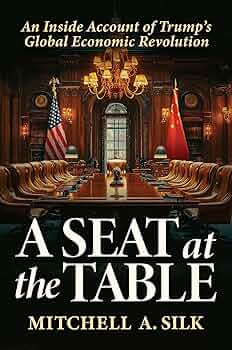
In A Seat at the Table, Mitchell A. Silk, the former senior US Treasury official and the first Chassidic Jew confirmed by the Senate to such a role, offers a rare, behind-the-scenes account of how Trump’s economic revolution unfolded at home and abroad during his first term. Drawing on years of experience in finance, law, and diplomacy, Silk takes readers into high-stakes negotiations with China, the creation of groundbreaking infrastructure finance frameworks in Latin America and Asia, and the whirlwind crafting of the CARES Act that saved hundreds of thousands of American jobs.
Readers will discover the Trump doctrine on economics: why tariffs, deregulation, and executive orders were more than bluster, and how they transformed America’s economic leverage, along with how Silk’s heritage, values, personal touch, and even a timely Yiddish proverb shaped global negotiations.
(Bombardier Books, distributed by Simon & Schuster UK)
Sole Survivor: How I Built a Global Shoe Brand Daniel Rubin
Sole Survivor tells the story of Daniel Rubin, founder of Dune London, and his 50-year journey in the footwear industry.
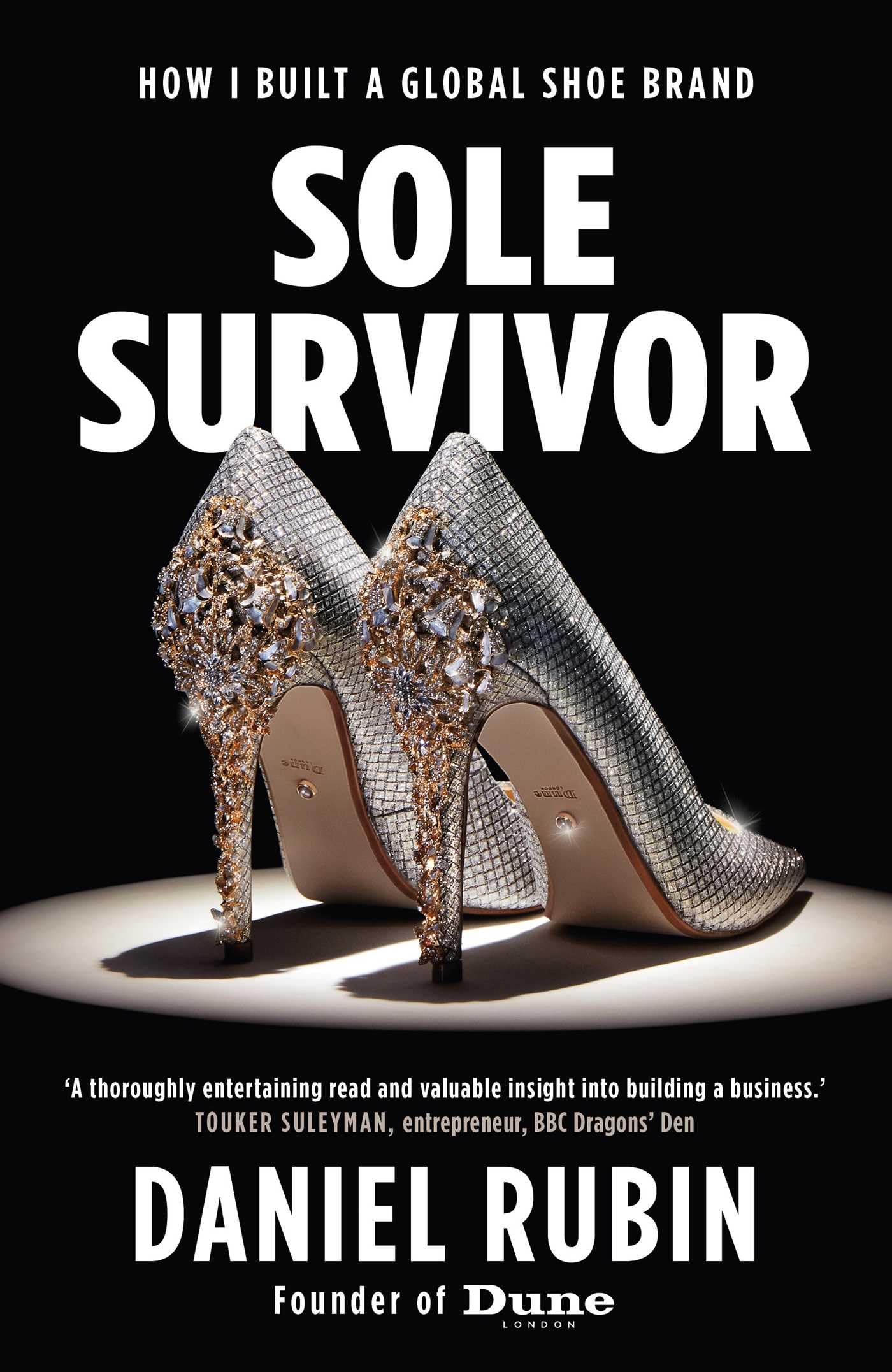
Born into a family of Russian cobblers, Daniel defied his father’s advice and pursued the trade he loved. After years of manufacturing and importing shoes, he launched Dune in 1992. While countless British shoemakers vanished from the high street, Daniel innovated, adapted and built a global brand.
Britain’s veteran shoe expert shares how he established Dune on London’s King’s Road and navigated manufacturing disasters, technological upheaval, and market crashes to thrive in an industry notorious for thin margins and high-street casualties.
Sole Survivor offers more than just an insider look at high heels, courts, and sandals. It uncovers the secrets of commercial success and failure in the UK and beyond, and the personal resilience and vision required to survive in one of the world’s toughest industries.
(Canbury Press)
Dream Big and Win: Translating Passion into Purpose and Creating a Billion‑Dollar Business Liz Elting
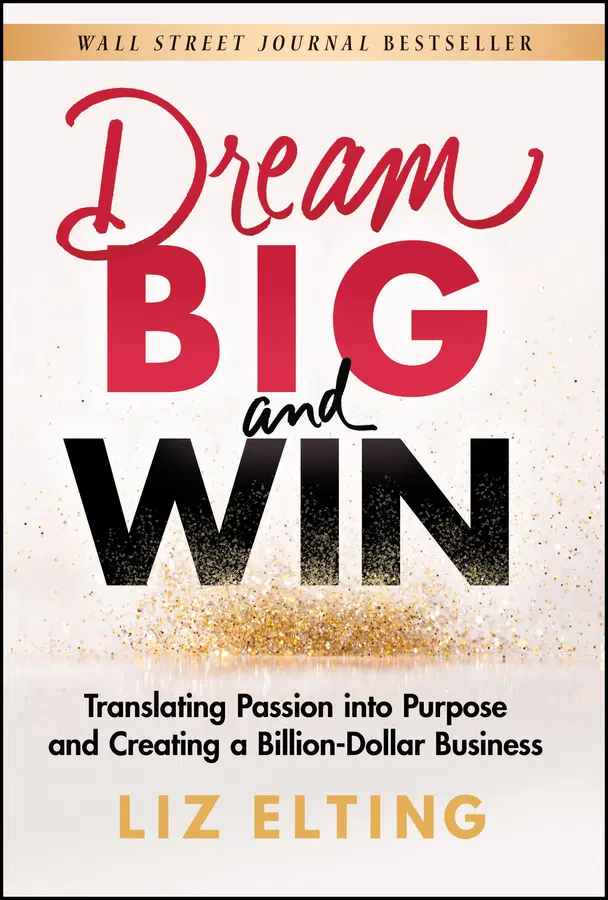
Drawing on her roots in entrepreneurship and advocacy, Elting uses the book not only to chart how she scaled a global business but to show how passion, purpose and action combine to create meaningful success. With candid personal stories, strategic insight and a direct, no-frills tone, she offers advice on everything from culture-building and scaling teams to navigating gender bias and driving growth with integrity. This is a guide for ambitious leaders who don’t just want to dream big -they want to win with substance, sustained vision and social impact.
(John Wiley & Sons)
Dare to Lead Like a Girl Dalia Feldheim
Dalie Feldheim is a Jewish-Israeli business leader, former IDF platoon commander and long-time Procter & Gamble marketing executive. In Dare to Lead Like a Girl she draws on her decades in global marketing, including her role in shaping the iconic “Like a Girl” campaign, to offer a compelling argument for more human-centred leadership in Dare to Lead Like a Girl.
(Rowman & Littlefield)
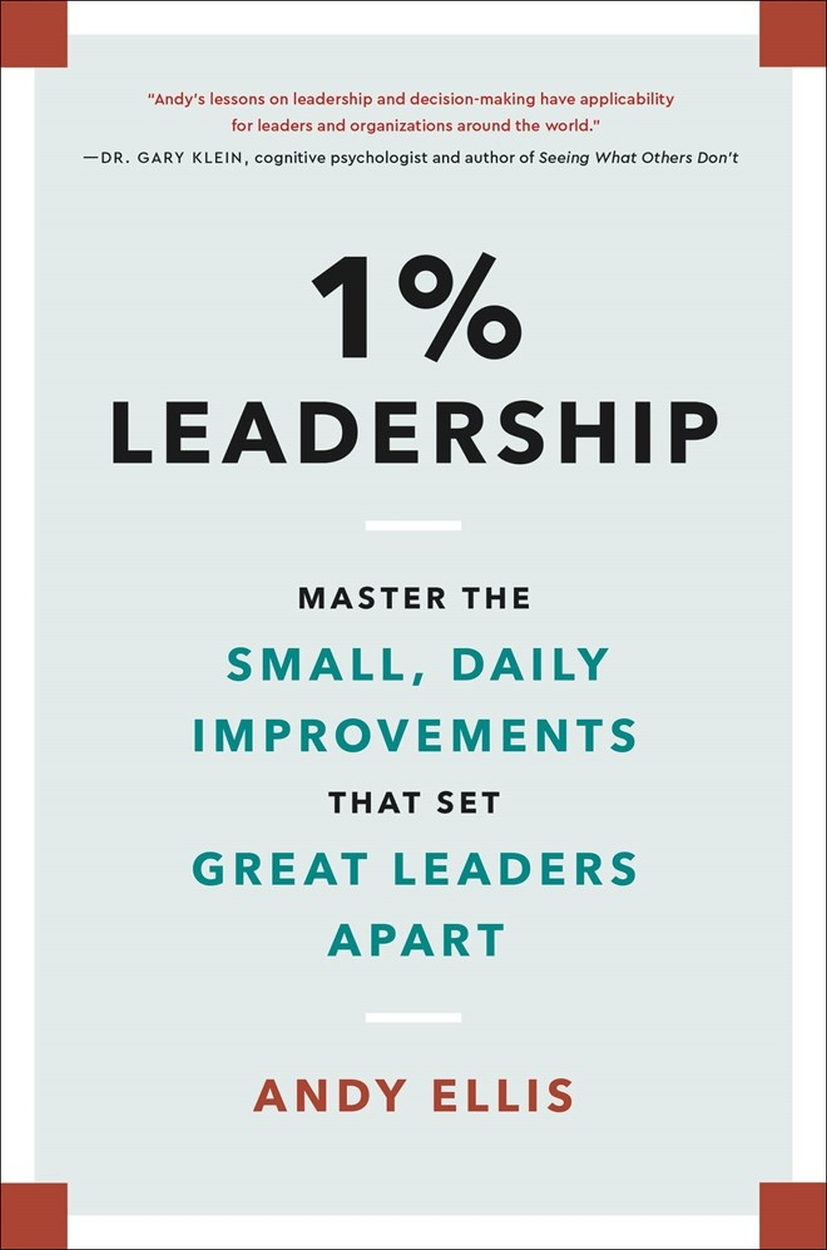
1% Leadership: Master the Small, Daily Improvements that Set Great Leaders Apart Andy Ellis
Andy Ellis, a seasoned cybersecurity executive and former CSO at Akamai Technologies, has built a leadership framework around his book 1% Leadership: Master the Small, Daily Improvements that Set Great Leaders Apart.
(Hachette UK, via the imprint Grand Central Publishing)
Looking Up – Clocks as Timeless Principles for Successful Leadership Gerson Cohen
Inspired by the many clocks he passed each day while working in the City, Cohen uses them as striking metaphors for perspective, patience and long-term vision – qualities he believes modern leaders urgently need.
Over the course of his career, he founded and built a global infrastructure direct-investment platform of twelve unlisted funds and $5bn in institutional capital, financing more than 150 projects worth around $100bn, and later spent a decade as Global Head of Infrastructure Funds at Aberdeen plc.
Cohen’s philosophy blends financial discipline with stakeholder alignment, societal benefit and generational thinking, shaped through years of structuring multi-billion-dollar deals and mentoring emerging leaders. His book is both a guide and a call to action on readers to resist the “lure of quick fixes”, see the “cogs behind the machine,” and practice the discipline of “looking up” to develop a vision that extends beyond the here and now. Cohen is a long-standing member of Mill Hill Synagogue, north London.
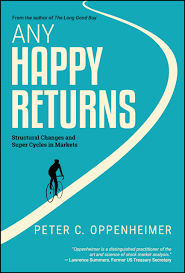
Any Happy Returns Peter Oppenheimer
In Any Happy Returns, Peter Oppenheimer, Chief Global Equity Strategist and Head of Macro Research in Europe at Goldman Sachs, presents a sweeping analysis of how structural shifts – not just the short-term business cycle fluctuations – are shaping global markets and investor returns. He argues that we are entering a new “Post-Modern Cycle,” marked by higher real interest rates, slower growth, increasing government intervention, labour and commodity cost inflation, technological disruption and a retreat from globalisation.
Drawing on historical super-cycles since the mid-20th century and his experience as a global equity strategist, Oppenheimer offers a framework to understand the underlying forces driving asset returns and why past models of long predictable secular growth may no longer apply. book is both a primer in economic history and a practical guide for investors, emphasising that what matters now is less about chasing high growth and more about positioning for structural change: regionalisation, decarbonisation, demographic shifts and elevated infrastructure investment.
(Wiley)
The Mac & Cheese Millionaire Erin Wade

Leaving corporate law to build a wildly successful, values-driven restaurant, Wade lays out the lessons she learned about leadership, culture and creating workplaces people actually want to be part of. Blending candid personal stories with practical advice, she challenges old-school management thinking and shows how empathy, clarity and consistency can drive both profit and purpose. It’s a refreshing, modern business book rooted in real-world experience rather than corporate theory.
(Wiley, 2024)
The book Israel Valley: The Technology Shield of Innovation Edouard Cukierman

In his book Israel Valley: The Technology Shield of Innovation (co-authored with Daniel Rouach and Ron Waldman), Cukierman explores how Israel transformed into a global innovation powerhouse despite limited natural resources and constant geopolitical pressure. The book highlights the unique mix of military-driven technologies, entrepreneurial culture, resilience, and multicultural talent that fuels Israel’s startup economy, arguing that Israel’s tech sector functions not only as an engine of economic growth but also as a strategic national asset.
(Éditions Hermann/Hermann)
How Not to Invest: The Ideas, Numbers, and Behaviours That Destroy Wealth – and How to Avoid Them Barry Ritholt
US-based Barry Ritholtz, long-time fintech commentator, wealth manager and podcast host, has released a new book titled How Not to Invest: The Ideas, Numbers, and Behaviours That Destroy Wealth – and How to Avoid Them. The book flips conventional investing guides by focusing on what not to do.
Drawing on decades of market analysis, behavioural finance research and real-world case studies, Ritholtz lays out the avoidable mistakes investors make time and again, from chasing fads to misreading data, and offers grounded, practical guidance to help readers build more disciplined, resilient portfolios. The result is a sharp, accessible guide designed to stop you sabotaging your own success before you even start.
(Harriman House, imprint of Pan Macmillan)