
Fifteen years of bringing Israeli innovation to Britain
The UK–Israel Tech Hub marks its anniversary with more than 335 partnerships spanning banking, healthcare and energy, as AI and quantum technologies shape the next chapter
From tackling banking fraud to advancing healthcare and cleaner energy, the UK–Israel Tech Hub has helped connect Israeli innovation with British businesses and institutions for over a decade.
Marking its 15th anniversary this year, the Hub has brokered more than 335 partnerships since its launch at the British Embassy in Tel Aviv in 2011.
In the past ten years alone, 372 Israeli companies have taken part in its programmes; 53 of these companies are now worth more than $25 billion combined, based on publicly available valuations and exit figures.
The UK Government’s first initiative of its kind, the UK-Israel Tech Hub has become the model for a global network of UK technology hubs.
Israeli technology companies operating in the UK have contributed an estimated £1 billion to the UK economy over the past decade.
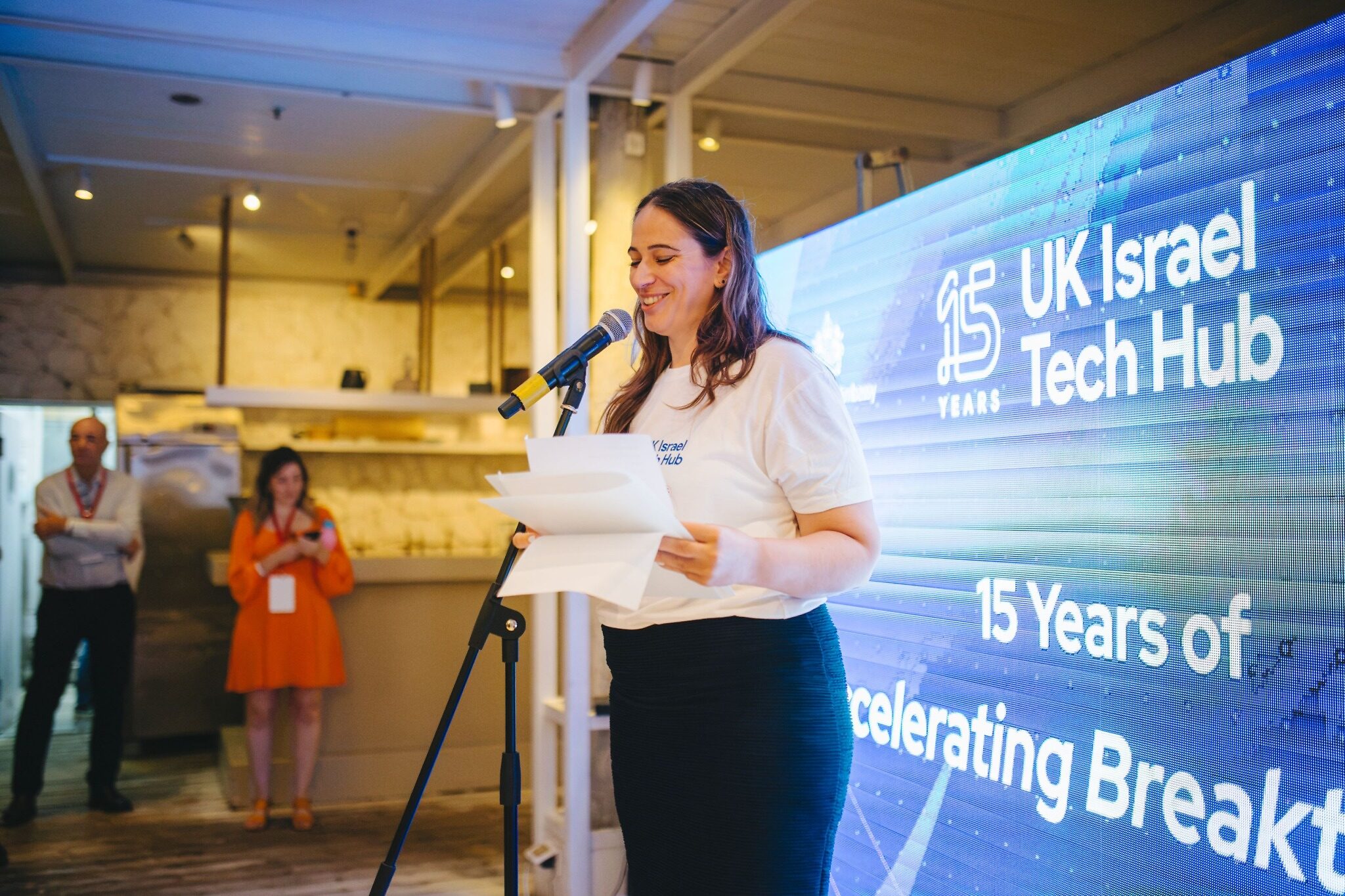
Keren Shurkin, director of the UK–Israel Tech Hub, said: “For fifteen years, our role has been to turn relationships into impact.”
The Hub’s partnerships have brought Israeli technology into British banking, healthcare, energy and environmental services, and consumer products.
In 2016, it helped broker a collaboration between Israeli air-quality analytics company BreezoMeter and Dyson, supplying live outdoor air-quality information for users of Dyson’s Pure Cool Link purifier. Breezometer was bought by Google in 2022.
Another success story is Israeli fraud-prevention unicorn BioCatch, which detects potential fraud by analysing how people interact with banking websites and apps. It took part in the Hub’s 2015 TeXchange fintech delegation to London, meeting senior executives from banks and financial institutions. In August this year, Visa announced an agreement to acquire it for $2.4 billion.
Other collaborations have supported AI-assisted diagnostics and digital mental health services across NHS trusts, strengthened cybersecurity and advanced smarter energy systems and climate-resilient agriculture.
Shurkin said: “Israeli companies bring breakthrough technologies and agility, while UK industry, institutions and end users provide the scale and real-world environments needed to test and deploy them.”
Today, the Hub works with a network of 80 strategic partners, typically running 10-to-15 corporate innovation challenges in Israel each year to match the needs of British organisations with relevant technologies.
Despite the conflict, it brokered 16 partnerships in the 2025–26 financial year and ran 12 innovation challenges with seven UK corporates. Its accelerator programmes attracted 138 applications.
Its VC Club now includes 53 funds with approximately $441 billion in combined assets under management, providing a network through which founders and investors can build relationships.
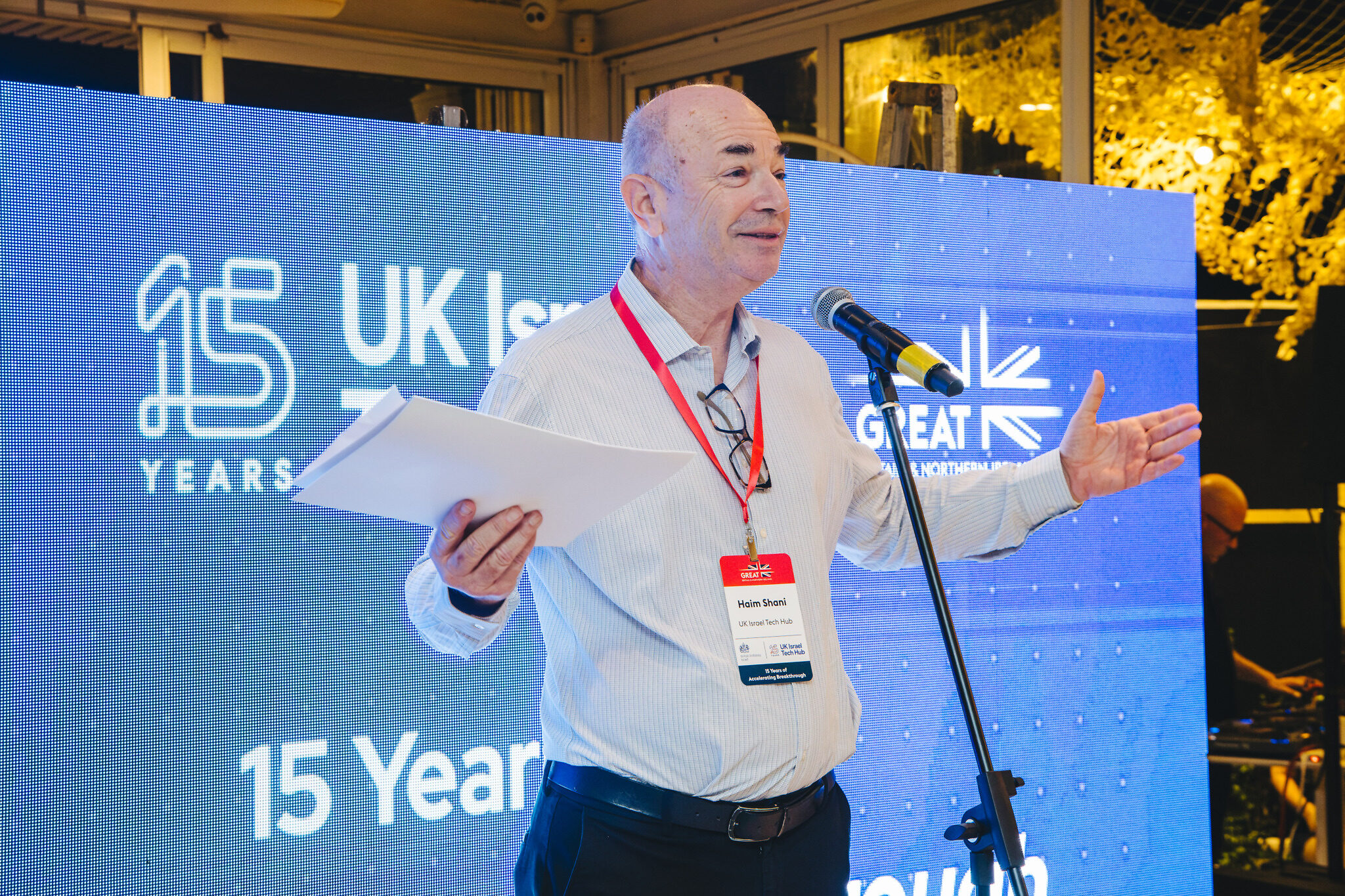
Photo: Studio Maysa
Hub chairman Haim Shani said: “Israel’s strength has always been its ability to transform ideas into practical technologies.
“Combined with the UK’s research excellence, investment ecosystem and market access, this creates significant opportunities for innovation, growth and collaboration.”
Healthcare is a growing focus. The Dangoor HealthTech Academy helps Israeli founders navigate the UK market, providing access to NICE, the mental health charity Mind and clinical leads from NHS trusts. According to programme feedback, all participating founders said it significantly accelerated their UK market strategy, while more than 75 per cent progressed to active discussions with UK partners.
The academy’s third year will focus on supporting the adoption of Israeli cancer diagnostics innovation within the NHS.
The Hub’s work has also sought to broaden participation in technology, from supporting Founders & Coders’ first international campus in Nazareth to its Queen of GreenTech and GreenEnergy programmes for women. Its Women Leading Innovation community has more than 400 UK-Israel members.
Fifteen years on and the Hub is operating in a very different world – one shaped by artificial intelligence. Early programmes connected Israeli startups with British retailers and financial institutions; the next phase will extend further into AI and AI infrastructure, quantum technologies, engineering biology, advanced materials, energy and health.
New initiatives include a Semiconductor & AI Infrastructure Forum, institutional cooperation on regenerative agriculture and work supporting the adoption of quantum technologies in financial services.
“The next phase is about deepening those partnerships in areas of shared priority,” Shurkin added.
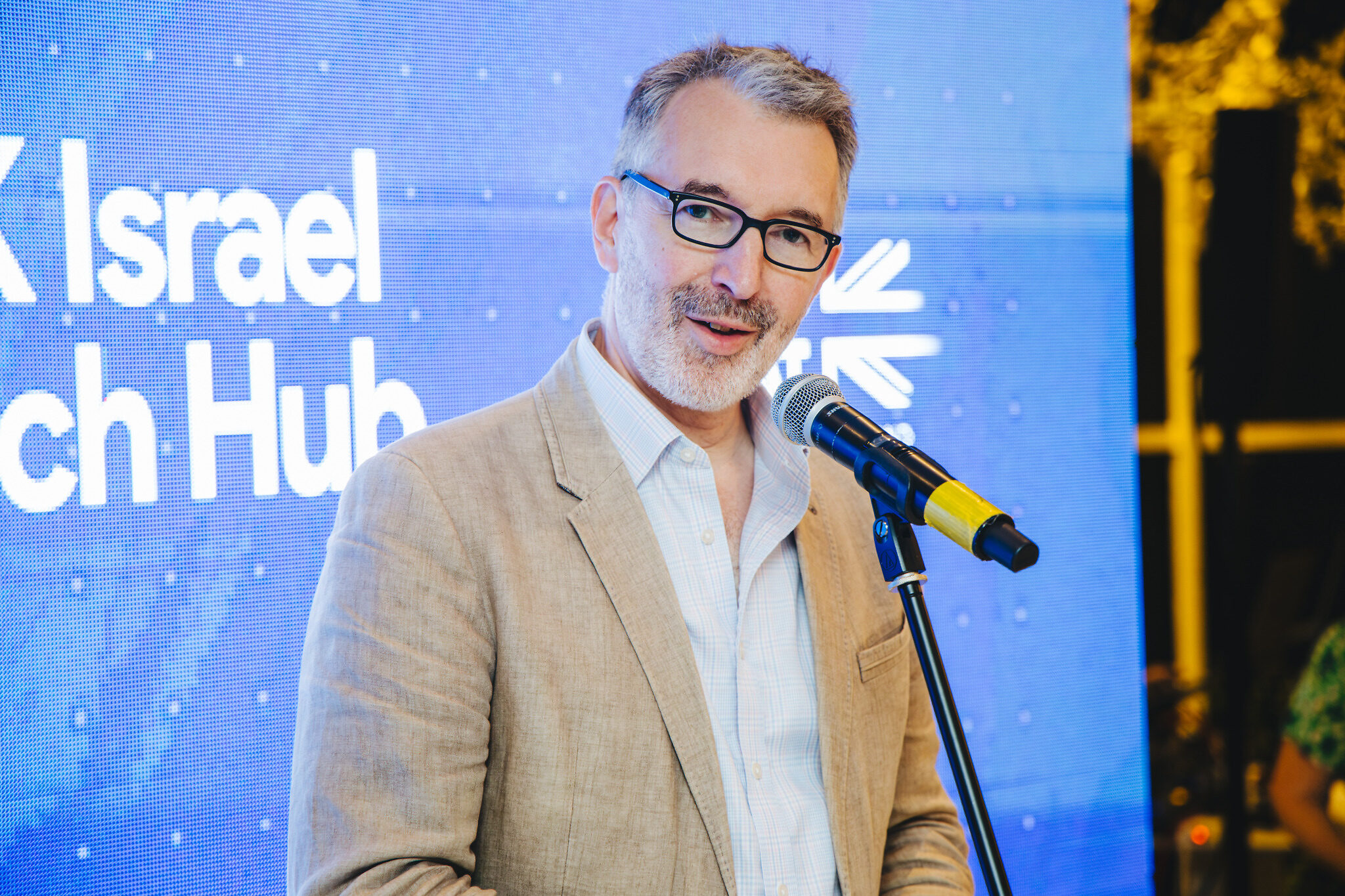
British Ambassador to Israel, Simon Walters described the UK–Israel technology partnership as “one of our most significant innovation relationships.
“Over the past fifteen years it has delivered value to both countries, and we are committed to building even stronger cooperation in the technologies that will shape the future.”