
Intel agrees $2.3bn deal for Israeli quantum computing startup Classiq
Founded by two childhood friends and one of their fathers, Classiq develops software to make quantum computers easier to use and marks a major exit for Israel’s growing quantum industry
When announcing a funding round last year, Classiq co-founder and chief executive Nir Minerbi said the company’s aim was to build “the Microsoft of quantum computing.”
Intel confirmed it had agreed to acquire Classiq but did not disclose the financial terms. Israeli business publications have reported that the deal is worth $2.3 billion in cash and shares.
Minerbi said Classiq had focused on making quantum computing more practical and accessible. Together, he said, Intel and Classiq could “unlock the benefits of quantum computing and accelerate its adoption sooner.”
Founded in 2020, Classiq brings together two generations: Minerbi and chief product officer Amir Naveh, who have known each other since childhood, and Amir’s father, Dr Yehuda Naveh, the company’s chief technology officer.
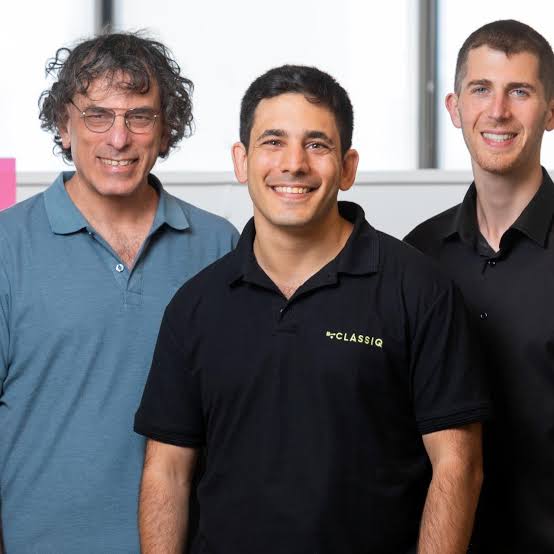
Minerbi and Amir Naveh both graduated from Talpiot, the Israeli military’s elite technology leadership programme. According to early investor Entrée Capital, they remained close during a decade of service in technology units and shared an ambition to build a company in advanced computing.
Yehuda brought significant experience in quantum physics and software. He spent around 20 years at IBM Research, where he founded and led the quantum computing team at its Haifa research centre. He has a doctorate in theoretical physics from the Hebrew University of Jerusalem.
Quantum computers use the principles of quantum physics to process information differently from conventional machines. Researchers hope they will eventually help tackle certain complex problems in areas including medicine, materials science and finance, although the technology remains at an early stage and has yet to reach widespread commercial use.
Classiq’s platform helps users design quantum algorithms without having to build the underlying circuits by hand. Its software is designed to work across different types of quantum hardware, rather than being tied to one manufacturer.
Intel plans to combine Classiq’s software with its own quantum computing and chip manufacturing expertise. The chipmaker has invested in quantum technology since 2015 and said it intended to continue supporting Classiq’s software across different hardware platforms after the deal closes.
Intel chief executive Lip-Bu Tan said: “Joining forces with Classiq transforms Intel’s Quantum Computing Group into a full-stack quantum computing business.”
The deal is subject to regulatory approvals and other customary conditions and is expected to close in the first half of 2027. Until then, the companies will continue to operate independently.
Classiq’s 2025 funding round was led by Entrée Capital, with investors including Team8, HSBC, Samsung Next and Israeli insurer Phoenix. The company says it has raised more than $200 million since it was founded.
The acquisition adds to Intel’s history of investments in Israel, which include autonomous-driving technology company Mobileye, chipmaker Habana Labs and transport app Moovit.