Prefer Jewish News on Google
Acclaimed author Philip Roth dies aged 85
Writer who received virtually every literary honour including the Pulitzer for American Pastoral, passes away in a New York hospital of congestive heart failure
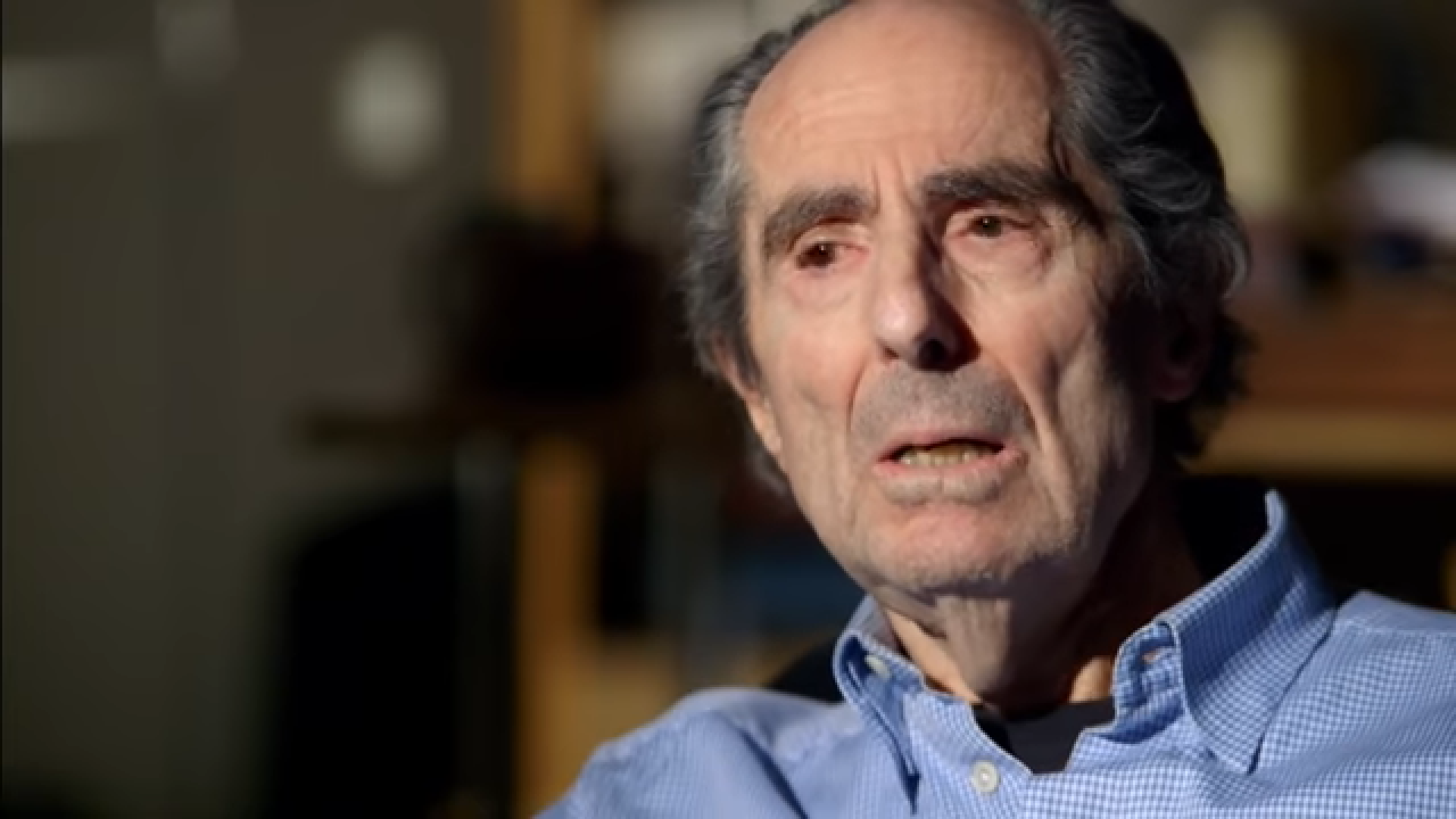
The world of arts and literature paid its respects to prolific Jewish American author Philip Roth this week, after the writer died surrounded by friends and family aged 85.
The author of classics such as ‘Portnoy’s Complaint,’ ‘American Pastoral’ and ‘The Human Stain,’ Roth used his books to explore aspects of his identity, including his Jewish heritage, sometimes angering Jewish readers with his ironic outlook.
His impact on American literature began in the 60s when he joined fellow Jews Saul Bellow and Bernard Malamudin in shaking attitudes and pre-conceptions.
Emeritus Professor Eric Homberger at the University of East Anglia said Roth “delighted in every nuance and absurdity of Jewish life in America, but his defiantly secular sensibility was without piety or reverence”.
Roth, who lived with chronic back problems, lived in Fulham and worked from Kensington in the 60s. Years later he returned to marry English actress Claire Bloom in 1990, subsequently separating four years later, after Roth returned to the US.



He won countless prizes and accolades throughout his distinguished career, including a Pulitzer for ‘American Pastoral,’ but never the Nobel Prize for Literature. He continued publishing until his late 70s, keeping himself fit, often working standing up. He once said he walked half a mile for every page he wrote.
His first collection of short stories, ‘Goodbye Columbus,’ published in 1959, told the story of middle-class Jewish Americans caught between modernity and tradition, wrestling with themes such as assimilation and being different. It won him a National Book Award but he was accused of anti-Semitism and labelled a “self-hating Jew”.
He stirred Jewish ire again in 1969 for ‘Portnoy’s Complaint,’ his friend and editor Aaron Ascher recalling that “the attacks were horrible and disheartening, especially from the Jews,” adding: “It made him angry and defensive, so he closed up, but maybe it did him good. The setback of great success changed and improved him as a writer. Without it, he’d have been different.”
Speaking about his upbringing in a Jewish neighbourhood in New Jersey, he said: “I never saw a skullcap, a beard, side-locks – ever – because the mission was to live here, not there. There was no there. If you asked your grandmother where she came from, she’d say ‘don’t worry about it, I forgot already.’ To the Jews, this was Zion.”

Keep community journalism free.
Jewish News is free for everyone. No paywall. No barriers. Just trusted journalism for anyone who wants to stay connected to Jewish life in Britain.
If you value that, please support us.
From as little as £5 a month, you can help keep our journalism free and accessible to all.
Every day, we report on the issues that matter to our community. We celebrate achievements, support charities, challenge antisemitism and ensure Jewish voices are heard more widely.
From as little as £5 a month, you can help us continue to:
- Report on the stories shaping Jewish life in the UK and beyond
- Bring our community together through shared stories, events and campaigns
- Celebrate the people, culture and moments that define our community
- Support organisations doing vital work across Jewish Britain
You can make a one-off donation or become a regular supporter. Every contribution helps keep our journalism free, independent and accessible to all.
If everyone who values Jewish News gave a small amount, it would make a real difference to our future.