Prefer Jewish News on Google
Israel declassifies 200,000 documents in Yemenite ‘kidnapping’ probe
An online database was made public to shed light on the controversial 'Yemenite children affair'
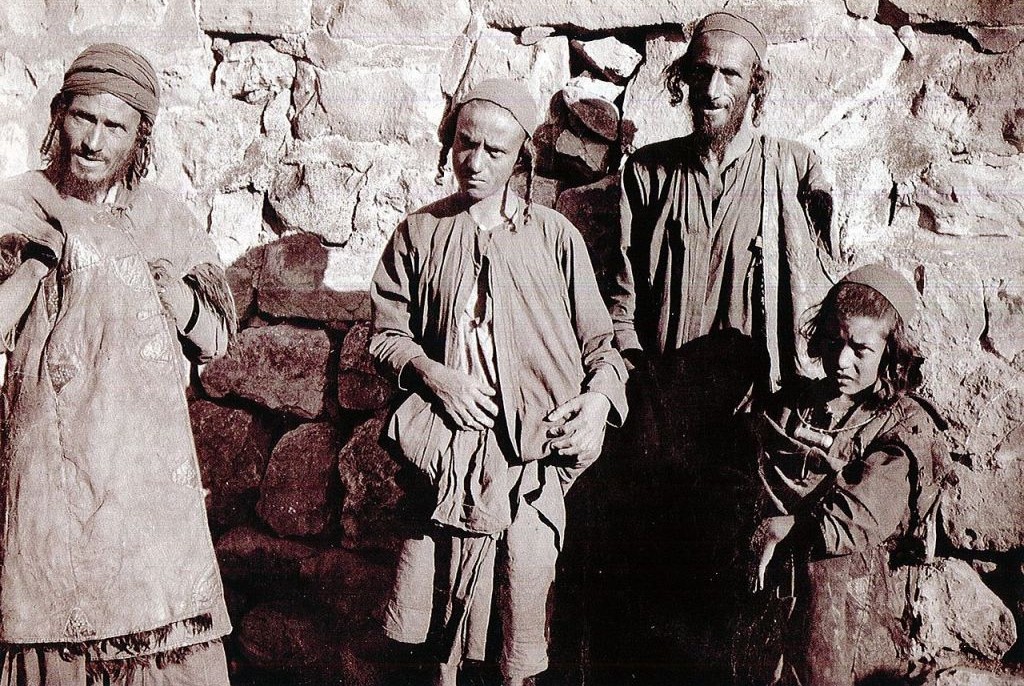
Israel inaugurated an online database of some 200,000 pages of declassified documents about the long-controversial “Yemenite children affair” in a ceremony in this city.
By making the documents public Wednesday, the state hopes to end the controversy, which has persisted in Israel for decades.
Since the 1950, more than 1,000 Israelis families have alleged their children were systematically kidnapped from Israeli hospitals and put up for adoption in the country and abroad. The claims of the families, mostly immigrants from Yemen, were generally dismissed by authorities.
“Today, we right a historic wrong,” Prime Minister Benjamin Netanyahu said at the database’s launch at the Prime Minister’s Office. “For close to 60 years people did not know the fate of their children. In a few minutes, any person can access the pages containing all the information that the government of Israel has.”
Minister for Regional Cooperation Tzachi Hanegbi, who approved the declassification of the documents after Netanyahu charged him overseeing an investigation into the affair, called the launch of the database “a brave and important act.”



Three government-appointed committees have looked into the Yemenite children affair, and each concluded that the majority of the children died in the hospital and were buried without the families being informed. Scholars have reached similar conclusions. The last committee sealed some of the testimonies in the state archive for 70 years. Those documents are among the panel’s findings that database of the Israel State Archives has made available for public viewing.
Nurit Koren, a Knesset member for the ruling Likud party who chairs the Knesset panel tasked with researching the affair and whose cousin disappeared, welcomed the release of the documents but said it was “just the beginning of the path,” in a radio interview. Koren said the database included just half of the 400,000 documents generated by the three investigative committee. She also pointed out that one committee found the Yemenite children affair continued until 1966, while the database only includes documents from 1948 to 1954.
“We are obliged to give these families answers,” she said.
Hanegbi and Koren both called for the establishment of a DNA database to help connect families with their disappeared children.

Keep community journalism free.
Jewish News is free for everyone. No paywall. No barriers. Just trusted journalism for anyone who wants to stay connected to Jewish life in Britain.
If you value that, please support us.
From as little as £5 a month, you can help keep our journalism free and accessible to all.
Every day, we report on the issues that matter to our community. We celebrate achievements, support charities, challenge antisemitism and ensure Jewish voices are heard more widely.
From as little as £5 a month, you can help us continue to:
- Report on the stories shaping Jewish life in the UK and beyond
- Bring our community together through shared stories, events and campaigns
- Celebrate the people, culture and moments that define our community
- Support organisations doing vital work across Jewish Britain
You can make a one-off donation or become a regular supporter. Every contribution helps keep our journalism free, independent and accessible to all.
If everyone who values Jewish News gave a small amount, it would make a real difference to our future.