Prefer Jewish News on Google
Israeli study finds weight-loss jabs slash cancer risk ‘beyond’ benefits of weight loss alone
Landmark data shows GLP-1 drugs outperform surgery, as UK team plans huge trial to test cancer prevention potential
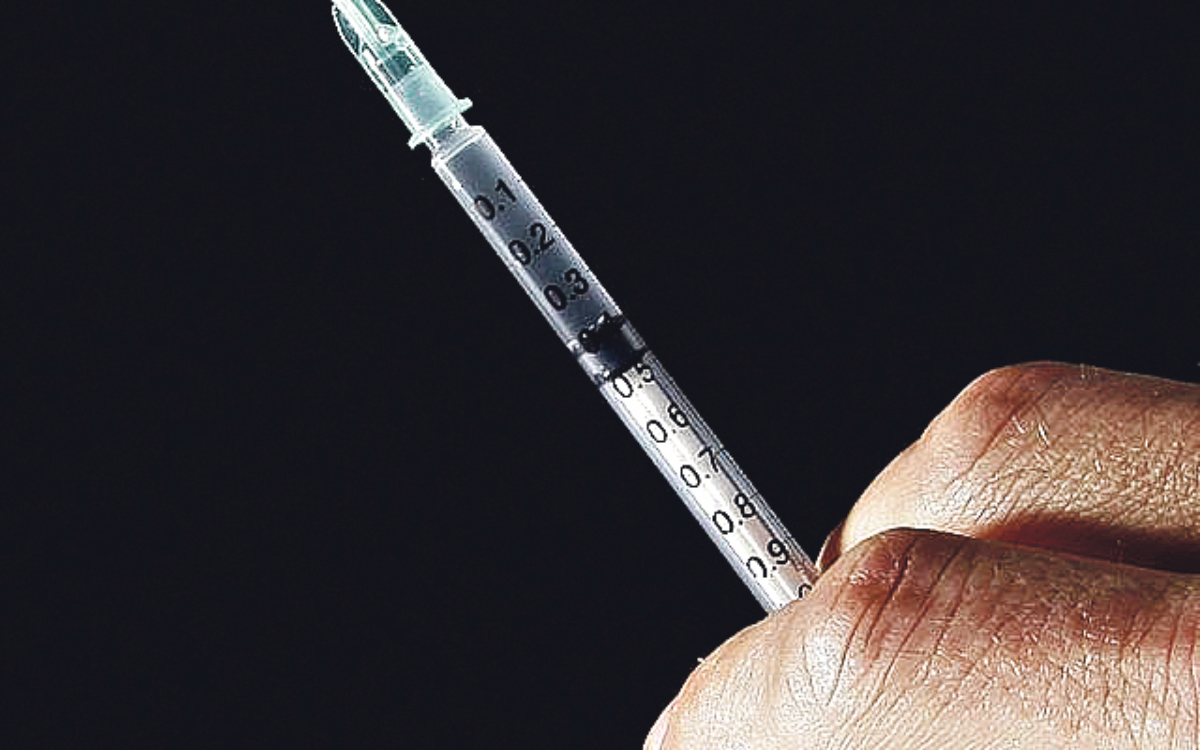
A groundbreaking Israeli study has found that weight-loss jabs such as Ozempic may dramatically cut the risk of developing cancer, opening a “new dawn” in efforts to prevent the disease.
Led by Dr Yael Wolff Sagy of Clalit Health Services, the eight-year study tracked 6,400 patients and found that GLP-1 injections were 41 percent better at preventing cancer than weight loss via bariatric surgery.
“I believe there could be a future where people who are not obese, but have other risk factors for cancer, could be prescribed GLP-1s to help prevent it,” said Wolff Sagy.
The research was presented at the European Congress on Obesity in Málaga and has prompted UK scientists to launch a major trial testing whether GLP-1s could reduce the country’s growing burden of obesity-related cancers.
Professor Andrew Renehan, co-author and cancer surgeon at the University of Manchester, said GLP-1 drugs were “a potentially cutting-edge area for cancer prevention”.
Professor Mark Lawler of Queen’s University Belfast described the results as “very exciting”, adding: “This work could herald a whole new era of preventative cancer medicine.”
GLP-1s mimic a natural hormone that helps regulate appetite and blood sugar. While originally developed to treat type 2 diabetes, newer versions like Wegovy and Mounjaro are now used for weight loss and have shown promise in reducing inflammation and enhancing the immune system’s ability to destroy cancer cells.
Professor Dror Dicker, an Israeli obesity expert and study co-author, said: “They have a more powerful anti-cancer mechanism than bariatric surgery.”
Dr Matthew Harris, leading the UK trial project PADRAIC, warned that “on current trends, there will be this massive increase in obesity-related cancers”. He said GLP-1s could be “a really significant public health intervention” if shown to prevent such diseases on a large scale.
We’ve never had a “weapon” like this before, added Professor Jason Halford from the European Association for the Study of Obesity, who said the drugs represented a “new dawn” for cancer care.
A real-world trial is expected to begin within five years, involving tens of thousands of participants across the UK.

Keep community journalism free.
Jewish News is free for everyone. No paywall. No barriers. Just trusted journalism for anyone who wants to stay connected to Jewish life in Britain.
If you value that, please support us.
From as little as £5 a month, you can help keep our journalism free and accessible to all.
Every day, we report on the issues that matter to our community. We celebrate achievements, support charities, challenge antisemitism and ensure Jewish voices are heard more widely.
From as little as £5 a month, you can help us continue to:
- Report on the stories shaping Jewish life in the UK and beyond
- Bring our community together through shared stories, events and campaigns
- Celebrate the people, culture and moments that define our community
- Support organisations doing vital work across Jewish Britain
You can make a one-off donation or become a regular supporter. Every contribution helps keep our journalism free, independent and accessible to all.
If everyone who values Jewish News gave a small amount, it would make a real difference to our future.