Prefer Jewish News on Google
Israeli scientists brew Pharaohs’ 5,000-year-old beer of yeast-erday!
Scientists and archaeologists combine with brewers and vintners in astonishing feat, after colonies of ancient yeast found during Tel Aviv dig
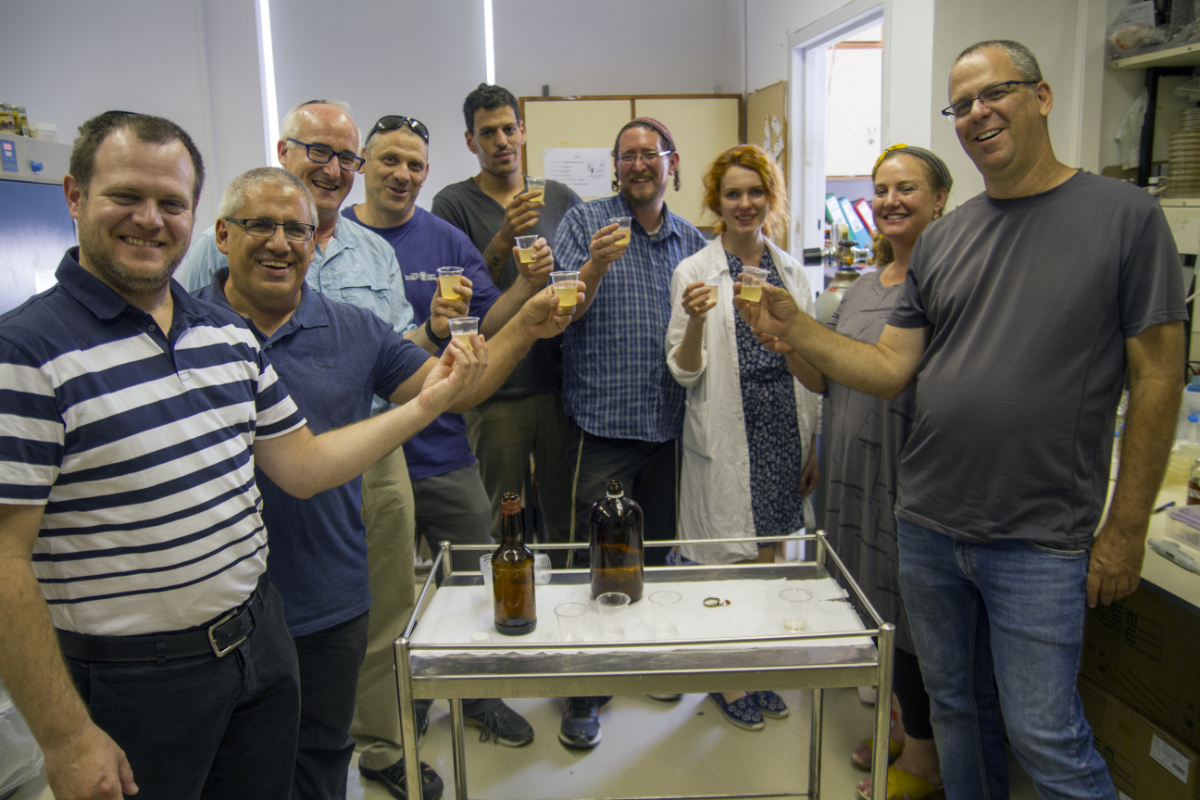
Microbiologists in Israel have revived dormant yeast cells found in 5,000-year old clay jugs and sequenced their genomes to reproduce the beer of the Pharaohs.
The astonishing feat involved brewers, vintners, archaeologists and scientists at several universities, who found colonies of yeast in the pottery’s nano-pores and used this to recreate the beer of the ancient world.
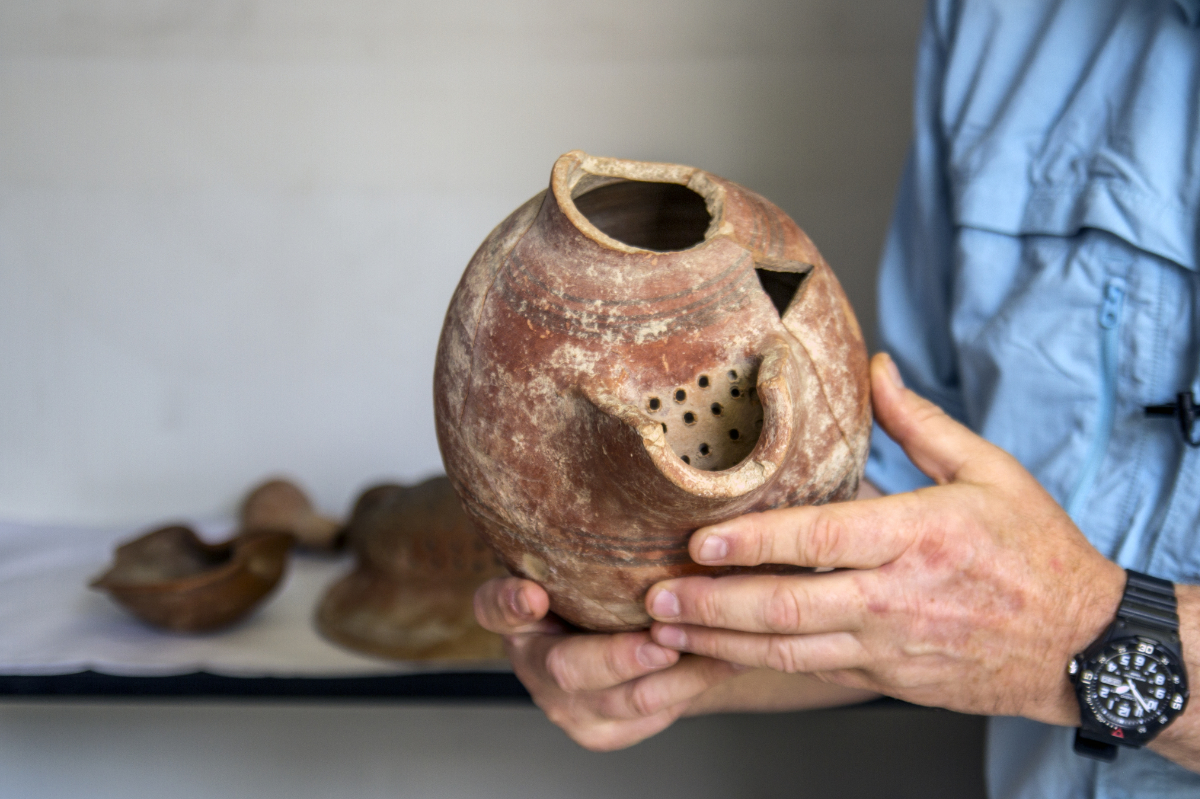
Beer was a dietary staple of both young and old, rich and poor, and was used in religious worship and healing processes, but it came as a shock to those involved that yeast – a single celled micro-organism – could survive for so long in the pores of clay jars with in-built strainers that were once used for drinking beer.
After vintners at Kadma Winery, which uses clay vessels, showed that yeast could survive in clay for several years, archaeologists from the Israel Antiquities Authority (IAA), Bar Ilan University and Tel Aviv University were able to provide shards of jars.

These dated back to the time of Egyptian Pharaoh Narmer (roughly 3000 BCE), to Aramean King Hazael (800 BCE) and to Prophet Nehemiah (400 BCE) who, according to the bible, governed Judea under Persian rule.
Microbiologists from Hebrew University then sequenced the genome and handed it to the Dead Sea-Arava Science Center, which found that these 5,000-year yeast cultures were similar to those used in traditional African brews, such as Ethiopian honey wine, and modern beer.
From there, local beer expert Itai Gutman helped the scientists make a beer which was later certified by tasters from the International Beer Judge Certification Program, under the direction of brewer and Biratenu owner Shmuel Nakai. It got the thumbs up, meaning it was deemed high-quality and safe for consumption.
“We are talking about a real breakthrough here,” said Dr Yitzchak Paz of the IAA. “This is the first time we succeeded in producing ancient alcohol from ancient yeast, In other words, from the original substances from which alcohol was produced. This has never been done before.”
Dr Ronen Hazan from Hebrew University said: “The greatest wonder here is that the yeast colonies survived within the vessel for thousands of years, just waiting to be excavated and grown. This ancient yeast allowed us to create beer that lets us know what ancient Philistine and Egyptian beer tasted like. By the way, the beer isn’t bad!”

Keep community journalism free.
Jewish News is free for everyone. No paywall. No barriers. Just trusted journalism for anyone who wants to stay connected to Jewish life in Britain.
If you value that, please support us.
From as little as £5 a month, you can help keep our journalism free and accessible to all.
Every day, we report on the issues that matter to our community. We celebrate achievements, support charities, challenge antisemitism and ensure Jewish voices are heard more widely.
From as little as £5 a month, you can help us continue to:
- Report on the stories shaping Jewish life in the UK and beyond
- Bring our community together through shared stories, events and campaigns
- Celebrate the people, culture and moments that define our community
- Support organisations doing vital work across Jewish Britain
You can make a one-off donation or become a regular supporter. Every contribution helps keep our journalism free, independent and accessible to all.
If everyone who values Jewish News gave a small amount, it would make a real difference to our future.