
 Prefer Jewish News on Google
Israeli scientists find way to predict gestational diabetes during pregnancy
Researchers at Weizmann Institute of Science come up with algorithm that helps to anticipate the problem which affects up to nine percent of pregnancies
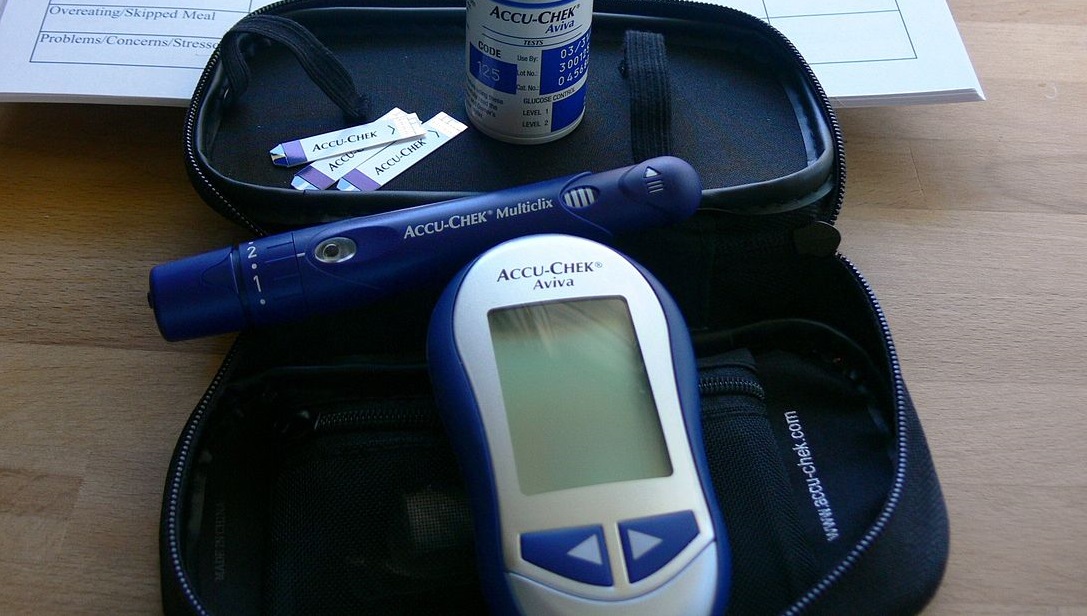
Israeli scientists have come up with a new algorithm that predicts gestational diabetes in the early stages of pregnancy.
In up to nine percent of pregnancies the mother can develop high blood sugar levels despite not having diabetes, adding increased risks for both mother and baby.
Typically, gestational diabetes is diagnosed between the 24th and 28th weeks of pregnancy with a glucose tolerance test, in which the woman drinks a glucose solution then has a blood test to see how quickly it has cleared from her blood.
However a new computer algorithm developed by researchers at the Weizmann Institute of Science can predict gestational diabetes in the early stages of pregnancy, or even before pregnancy occurs, allowing earlier nutritional and lifestyle changes.
“Our ultimate goal has been to help the health system take measures to prevent diabetes from occurring in pregnancy,” said Professor Eran Segal, whose team led the study published in Nature Medicine this week.


To build the algorithm they analysed data from 600,000 pregnancies available from a large Israeli health organisation before applying machine learning on pregnancy data from 2010-17.
The data included hundreds of “parameters” such as blood test results, family medical history, body mass index and age.
The scientists then worked through these to determine which parameters were influential in predicting when a woman may be at a high risk of developing gestational diabetes, then developed a short questionnaire to help clinicians assess risk to the mother.
A Weizmann spokeswoman said: “These findings suggest that by having a woman answer just nine questions, it should be possible to tell in advance whether she is at a high risk of developing gestational diabetes.
“If this information is available early on… it might be possible to reduce her risk of diabetes through lifestyle measures such as exercise and diet. On the other hand, women identified by the questionnaire as being at a low risk of gestational diabetes may be spared the cost and inconvenience of the glucose testing.”

Keep community journalism free.
Jewish News is free for everyone. No paywall. No barriers. Just trusted journalism for anyone who wants to stay connected to Jewish life in Britain.
If you value that, please support us.
From as little as £5 a month, you can help keep our journalism free and accessible to all.
Every day, we report on the issues that matter to our community. We celebrate achievements, support charities, challenge antisemitism and ensure Jewish voices are heard more widely.
From as little as £5 a month, you can help us continue to:
- Report on the stories shaping Jewish life in the UK and beyond
- Bring our community together through shared stories, events and campaigns
- Celebrate the people, culture and moments that define our community
- Support organisations doing vital work across Jewish Britain
You can make a one-off donation or become a regular supporter. Every contribution helps keep our journalism free, independent and accessible to all.
If everyone who values Jewish News gave a small amount, it would make a real difference to our future.





















