Prefer Jewish News on Google

Jewish teen hotline reports surge in exam stress
JTeen records a 6% increase in calls from worried teens during GCSE and A Level season
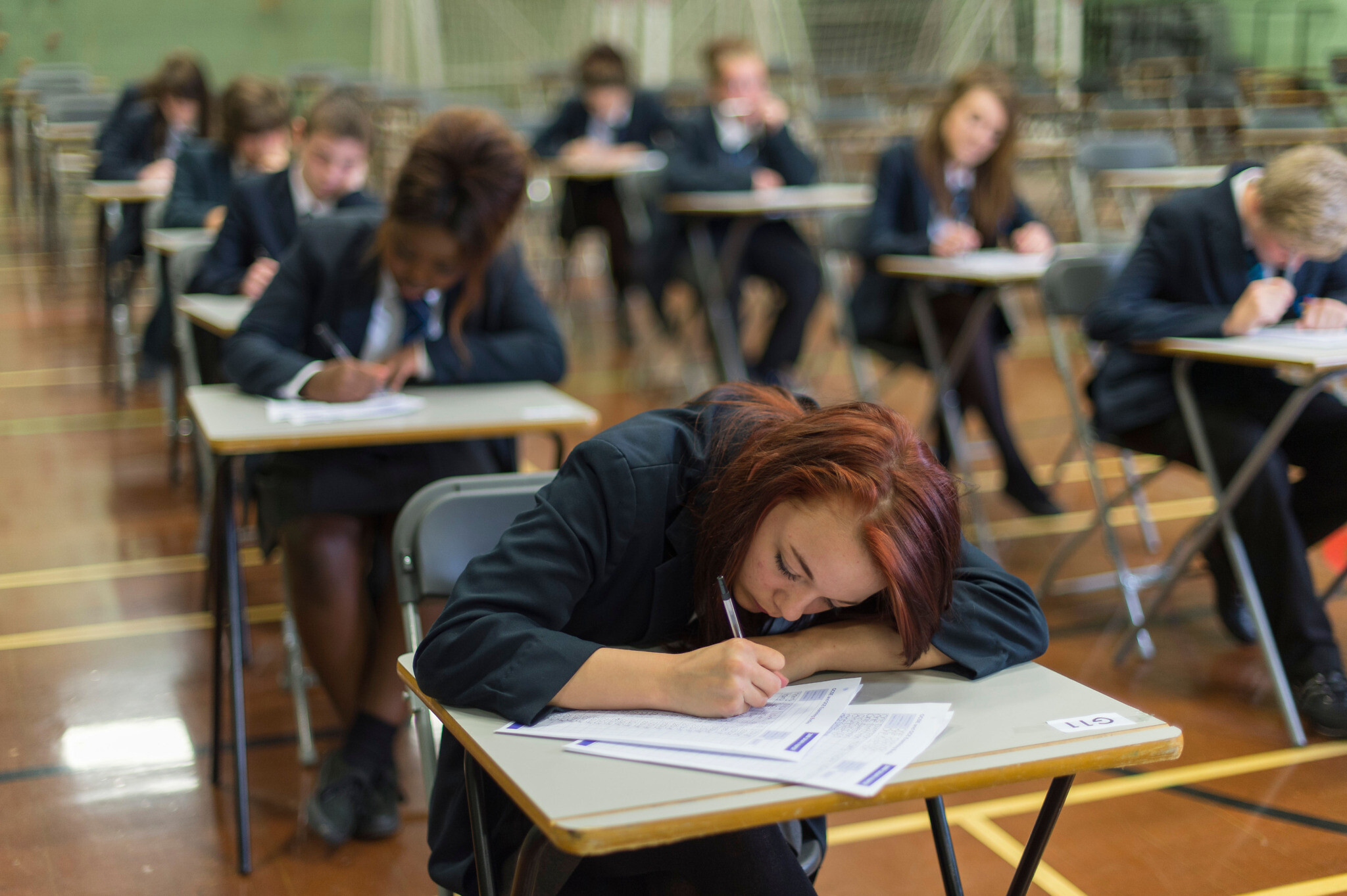
A charity which runs a confidential helpline for those aged 11-20 has released data showing a 6% increase in calls from stressed-out teens during exam season.
As students have now completed their A-levels and GCSE’s, JTeen says its support line had almost 800 conversations since January with Jewish teens that are linked to anxiety and school related stress.
The charity helps students manage panic attacks, feelings of self-harm, and low mood with effective strategies.
In keeping with the worrying trend, last year, Childline reported a 10% increase in counselling sessions related to exam stress, and 82% of headteachers observed higher levels of stress and anxiety compared to pre-pandemic times.
In response to growing concerns, examining boards are offering extra time and accommodations for those struggling with their mental health. Additionally, organisations like the National Education Union (NEU) advocate for alternative assessment methods to reduce the reliance on high-stakes exams.



JTeen therapist Tehilla Birnbaum said: “Providing extra time and alternative assessments are steps in the right direction, but they are reactive solutions. We need to be proactive by teaching our children how to cope with stress before it becomes overwhelming.”
As part of JTeen’s “10 Life Hacks” school programme launching in September, students will learn how to overcome stress using easy-to-implement ideas and well-being techniques. The initiative aims to empower students with the tools they need to focus on positive well-being, strengthen resilience, and improve self-awareness.
Psychotherapist and JTeen chief executive CEO Yaakov Barr said: “Exam stress is a critical issue that demands immediate attention. If we can equip students with practical strategies to manage stress effectively, then we are preparing them for life and its inevitable challenges and stresses. Schools, parents, and policymakers need to prioritise mental health education and provide our students with the tools they need to thrive under pressure so that by next year the levels of those struggling can already start to go down.”
- For more information, click here.

Keep community journalism free.
Jewish News is free for everyone. No paywall. No barriers. Just trusted journalism for anyone who wants to stay connected to Jewish life in Britain.
If you value that, please support us.
From as little as £5 a month, you can help keep our journalism free and accessible to all.
Every day, we report on the issues that matter to our community. We celebrate achievements, support charities, challenge antisemitism and ensure Jewish voices are heard more widely.
From as little as £5 a month, you can help us continue to:
- Report on the stories shaping Jewish life in the UK and beyond
- Bring our community together through shared stories, events and campaigns
- Celebrate the people, culture and moments that define our community
- Support organisations doing vital work across Jewish Britain
You can make a one-off donation or become a regular supporter. Every contribution helps keep our journalism free, independent and accessible to all.
If everyone who values Jewish News gave a small amount, it would make a real difference to our future.