Prefer Jewish News on Google
Leap of Faith: EcoShabbat
It is our shared repsonsibility to look after our planet
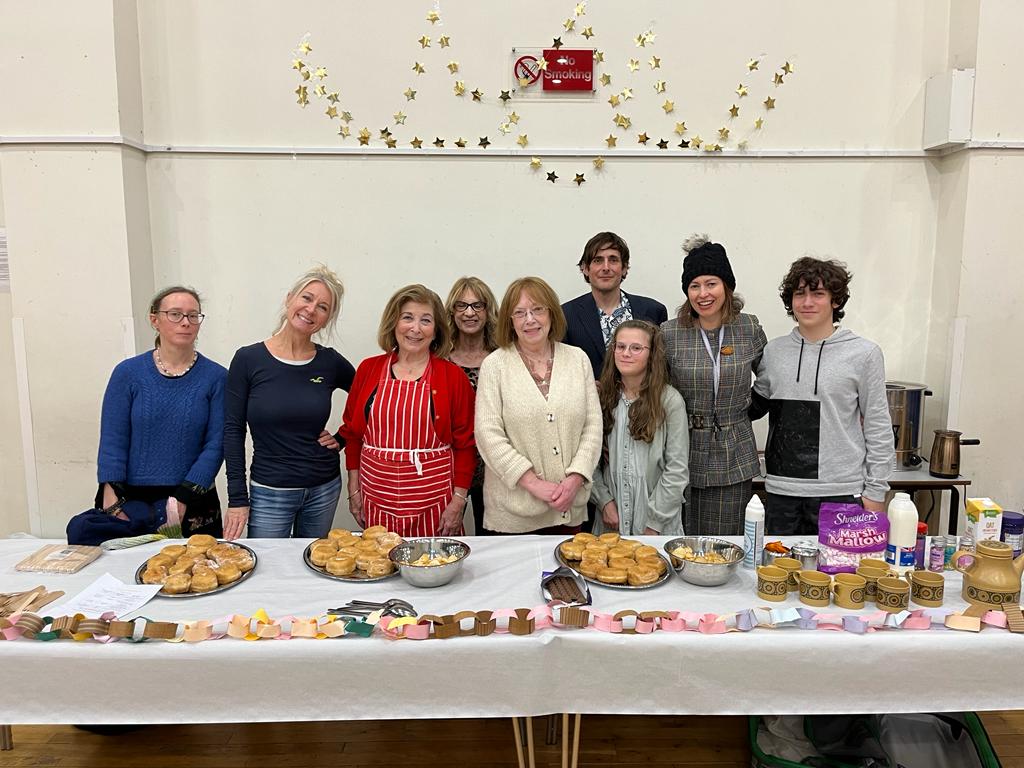
Members of EcoJudaism from more than 65 Jewish communities in the UK – and across five different denominations – chose to celebrate EcoShabbat with a diverse range of environmental activities to highlight different aspects of sustainable and environment-friendly living. Many celebrations included veggie or plant-based meals… they were Jewish events after all!
We all love food but at times take it for granted. Possibly, more of us would be attracted to an article talking about a new diet than to an article describing the laborious and lengthy process of producing that food, from growing the crops to delivering it on a plate.
The chain of food production requires the efforts of so many people and our own time and money. One of the themes for this year’s EcoShabbat was reducing food waste in our community and households. When, some years ago, I delivered my first sermon on food waste in the UK, there were an estimated 14 million tons of it each year. Over time, it has been reduced to an estimated 9.5 million tons – of which 6.6 million comes from households. On average, a family wastes more than
£700-worth of food every year.
But food waste, as costly as it might be for some of us, is not as bad as plastic waste. Larger plastic items take up to 1,000 years to decompose. Around the world, our soil quality is diminishing every year. According to the UN Food and Agriculture Organization, 90 percent of the Earth’s topsoil will be at risk by 2050. It is bad news for us because those few centimetres of topsoil grow 95 percent of our food. It also takes about 1,000 years to restore just a few centimetres of it. That’s what happens if you don’t obey the Torah laws commanding us to observe the Shmita year – the year of rest for the land every seventh year.
As a result of poorer soil, the quality of our food deteriorates. When there are fewer nutrients in the soil, there will be fewer nutrients in our food. However, a contributing factor might be the focus on choosing crops for higher yield as opposed to for their nutritional value. One of the ways to restore the soil balance is to plant trees, which is what we are planning to do on Tu B’Shvat at the end of January, with our nursery children at Edgware and Hendon Reform Synagogue.


We only have one home that we all share: our beautiful planet Earth. It is our shared responsibility to look after it. As the philosopher Erich Fromm said: “The goal of man is to live again in peace and harmony with his fellow men, with animals, with the soil…” At the moment, living in harmony with animals and the soil seems like the more attainable goal. If your community would like some ideas on how to start your eco-journey towards harmony and eco-balance – or join the growing list of eco-communities – please visit ecojudaism.org.uk.
• Rabbi Tanya Sakhnovich is a member of EcoJudaism Rabbinic Advisory Group

Keep community journalism free.
Jewish News is free for everyone. No paywall. No barriers. Just trusted journalism for anyone who wants to stay connected to Jewish life in Britain.
If you value that, please support us.
From as little as £5 a month, you can help keep our journalism free and accessible to all.
Every day, we report on the issues that matter to our community. We celebrate achievements, support charities, challenge antisemitism and ensure Jewish voices are heard more widely.
From as little as £5 a month, you can help us continue to:
- Report on the stories shaping Jewish life in the UK and beyond
- Bring our community together through shared stories, events and campaigns
- Celebrate the people, culture and moments that define our community
- Support organisations doing vital work across Jewish Britain
You can make a one-off donation or become a regular supporter. Every contribution helps keep our journalism free, independent and accessible to all.
If everyone who values Jewish News gave a small amount, it would make a real difference to our future.