Prefer Jewish News on Google
Leap of faith: In the face of Covid, what would Job do?
A stimulating new series where our progressive rabbis consider how biblical figures might act when faced with 21st century issues
In the first instance, we have to know what Job did when visited by tragedy. There is an expression, ‘the patience of Job’. It suggests that Job accepts all the appalling things that happen to him without complaint. But this is untrue.
In the face of losing his family and possessions, Job laments: “Perish the day on which I was born.” He exclaims: “I am disgusted with life.” He moans that God has “congealed me like cheese”. Much of the Book of Job is filled with his angry railing. Maybe we should talk about ‘the impatience of Job’?
Job’s friends try to convince him that God is punishing him for sinful behaviour and they urge him to uncover his sin, do penance and then all will be well. But at the end of the book, it is Job’s friends who are chastised by God for giving him rotten advice! This is a remarkable moment in the Bible, for it means that Job’s friends are wrong and that suffering is not the wages of sin.
So why does Job suffer? God finally gives an answer, of sorts. In a beautiful poem filled with questions, God asks Job: “Where were you when I laid the earth’s foundations?” And later God asks: “Can you tie the cord to Pleiades or undo the reins of Orion?”
God is saying that we are just one part of creation and that we can never hope to understand the grand design of the universe or comprehend why suffering exists.
We don’t talk about the impatience of Job because, for all the horror that befalls him, Job never gives in and curses God. He is pushed to the limits of endurance, but he never does what his wife suggests: “Curse God and die!” And at the end of the Book, he rebuilds his estates, has 10 more children and, in a final revolutionary act, he wills land to his daughters as well as to his sons.
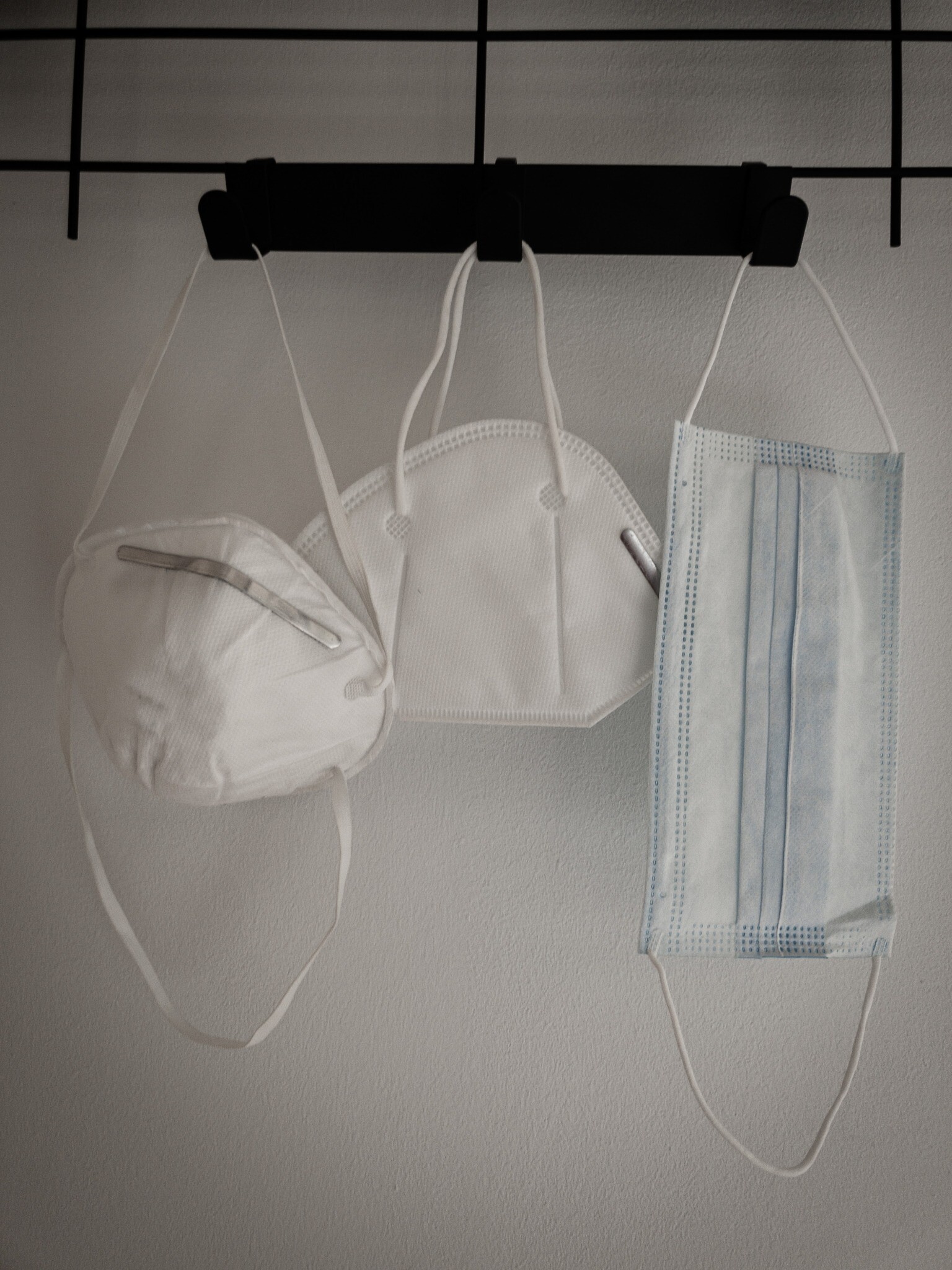
So, in the face of Covid, what would Job do? He would cry and complain about illness, lockdown, masks and death. And it would be healthy to get that off his chest. He would understand that this disease is a part of creation, even as he doesn’t understand why. He would approve of the scientists’ search for cures and the temporary laws to keep us safe, because he knows humans must fight when faced with disaster.
However, he would never despair, because that is to doubt God. Instead, he would roll up his sleeves, get triple vaccinated and help to rebuild the shattered world.

Keep community journalism free.
Jewish News is free for everyone. No paywall. No barriers. Just trusted journalism for anyone who wants to stay connected to Jewish life in Britain.
If you value that, please support us.
From as little as £5 a month, you can help keep our journalism free and accessible to all.
Every day, we report on the issues that matter to our community. We celebrate achievements, support charities, challenge antisemitism and ensure Jewish voices are heard more widely.
From as little as £5 a month, you can help us continue to:
- Report on the stories shaping Jewish life in the UK and beyond
- Bring our community together through shared stories, events and campaigns
- Celebrate the people, culture and moments that define our community
- Support organisations doing vital work across Jewish Britain
You can make a one-off donation or become a regular supporter. Every contribution helps keep our journalism free, independent and accessible to all.
If everyone who values Jewish News gave a small amount, it would make a real difference to our future.