Prefer Jewish News on Google
OPINION: How can we celebrate Simchat Torah this year?
What do we do when a festival is marred as a day of destruction and death?
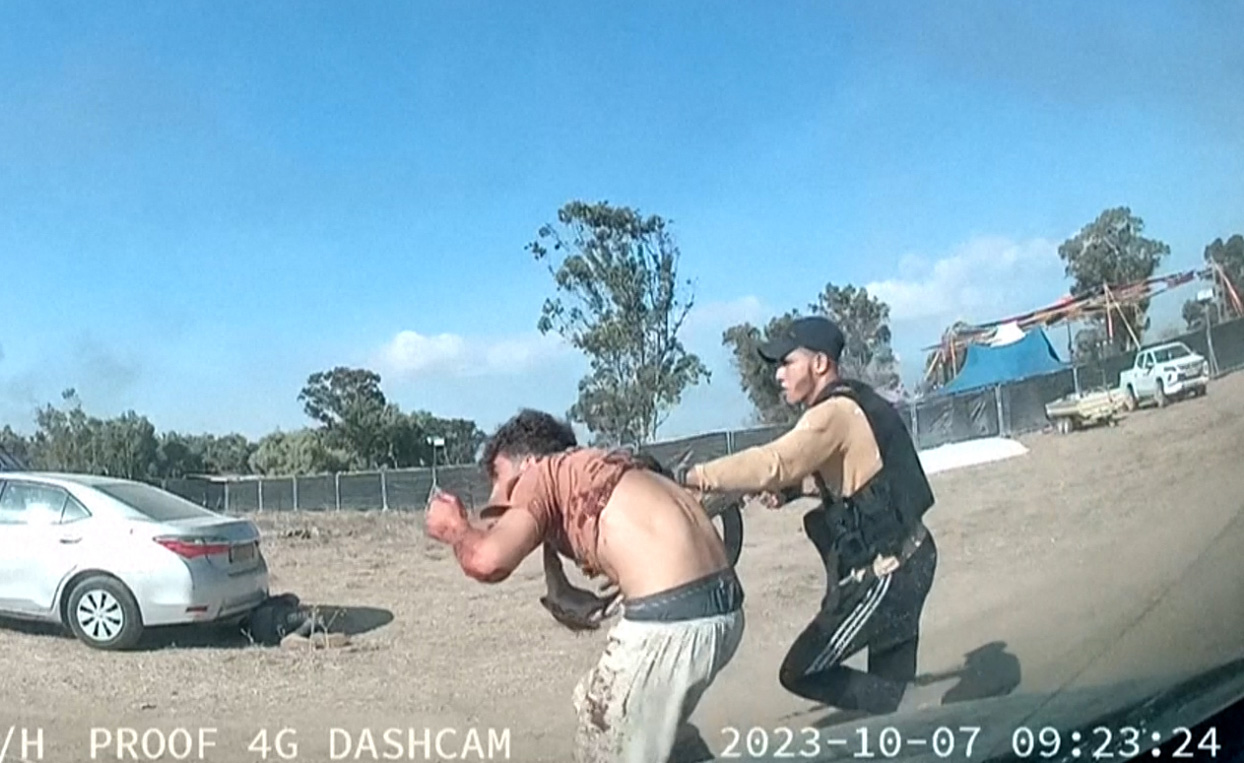
Last October 7th — Shemini Atzeret in the diaspora, Simchat Torah in Israel — was the most tragic and emotionally dramatic day of my life since the Yom Kippur War,
and to all of those who care about being Jewish and about Israel. We heard first of the invasion and the total surprise. And then the most sadistic torture and evil, perpetrated against children and adults alike.
Our world turned dark. It seemed that evil had triumphed. For a whole year the agony has continued while most of the world has supported and justified our enemies and allowed antisemitism and Jew-hatred to fester. How, many people have asked, can we rejoice on a festival this year while the war is raging, and so many good, beautiful, heroic people killed?
We have gone through a whole year of anxiety, and deep internal conflict which has been almost as dangerous to us as a people and the Land of Israel, as the external threat of rockets, bombs and gunfire.
The Bible, in the Book of Job, asked how God could stand by and let horrible things happen seemingly randomly. Job, a righteous man, suffers terribly, simply because of an irrational bet between Satan and God. Everything is taken from him, his wealth, his family and his health and he is left sitting inconsolable in the dust barely alive.


Three comforters try to explain why bad things happen to a good man, with the conventional and banal explanations that we all hear so often, that try to explain why bad things happen to good people. Job rejects them. He curses the day he was born — but he refuses to blame God. He accepts his fate now, just as he accepted his wealth and success, without understanding or indeed trying to justify God. Finally, God admits that there is no explanation. God is beyond human understanding.
The Talmud ( Bava Batra 60b) grappled with the Roman destruction 2,000 years ago. Thousands were killed, tortured raped, sent into slavery. The initial reaction was ascetic penance, self-denial, to impose fasts, to ban celebrations. But then the rabbis concluded that we should not impose hardships that the community cannot bear.
Rabbi Yehoshua said: “My children, come, and I will tell you how we should act. To not mourn at all is impossible, the Temple has been destroyed. But to mourn excessively as you are doing is also impossible, as the Sages do not issue a decree upon the public unless a majority of the public is able to abide by it.”
We have for thousands of years had to cope with being rejected, hated and reviled and accused of all kinds of evil, more than any other ethnic religious group. We thought mistakenly the Holocaust would make this a thing of the past. We took so much for granted. How wrong we were.
The Mystics argued that evil is built into the world and mankind; the shards and sparks. The light and joy can banish the dark, ameliorate our pain and direct us to be constructive and positive.
In Chasidism the primacy of joy in serving God is paramount. Rabbi Nachman of Bratslav, at a time when Jews were being massacred and raped, said: “Life is like a narrow dangerous bridge that we must cross, and the most important thing is not be afraid, but to go forth to cross it. Joy and celebration, however difficult in the moment, is the way to go forward and survive.
We have enough fasts on which to mourn, opportunities to go over all the pain we have experienced throughout our history. We can give extra meaning to them. But celebration can heal us, and help us face the future.
We know we must go forward for ourselves and our children and build a better world both in Israel and elsewhere. We need our tradition to give us a sense of unity and purpose. Cancelling will not remove our pain. Besides, we have no authority to cancel religious obligations that go back thousands of years. We must stress the positive. Accept what has happened and look to the future. We are all Job today.

Keep community journalism free.
Jewish News is free for everyone. No paywall. No barriers. Just trusted journalism for anyone who wants to stay connected to Jewish life in Britain.
If you value that, please support us.
From as little as £5 a month, you can help keep our journalism free and accessible to all.
Every day, we report on the issues that matter to our community. We celebrate achievements, support charities, challenge antisemitism and ensure Jewish voices are heard more widely.
From as little as £5 a month, you can help us continue to:
- Report on the stories shaping Jewish life in the UK and beyond
- Bring our community together through shared stories, events and campaigns
- Celebrate the people, culture and moments that define our community
- Support organisations doing vital work across Jewish Britain
You can make a one-off donation or become a regular supporter. Every contribution helps keep our journalism free, independent and accessible to all.
If everyone who values Jewish News gave a small amount, it would make a real difference to our future.