Prefer Jewish News on Google
OPINION: Iran’s missile strike on Israeli hospital is a test of the world’s moral compass
Shuki Friedman says the attack on Soroka Hospital marks a dangerous escalation - and a moment of reckoning for the West

On Thursday morning, a missile fired from Iran struck the Soroka Medical Centre in Be’er Sheva, Israel. This was not a near miss, nor a tragic accident. It was a direct hit on a hospital serving hundreds of thousands of civilians in Israel’s southern region. It was also, unequivocally, a war crime.
In a week that has seen Iran launch hundreds of missiles toward Israeli cities—including Tel Aviv, Haifa, and Jerusalem—the strike on Soroka marks a new low. For days, Israeli families have been sleeping in stairwells and bomb shelters, children woken by sirens in the middle of the night. This isn’t warfare as the West understands it. It’s terror from the sky, directed not at soldiers or military installations, but at apartment blocks, playgrounds—and now hospitals.
The world must understand: this is not “collateral damage”. Iran’s strategy is based on targeting Israeli civilians. The decision to fire at a hospital was neither random nor symbolic. It was calculated. It was designed to sow fear, break morale, and challenge the very idea that any place in Israel can be safe.
And yet, amid the smoke and shattered glass, what is equally disturbing is the international chorus that rushes to draw a false equivalence between Israel and the regimes that seek its destruction.
Let’s be clear. When Israel is forced to strike in Gaza, it does so because its adversaries have embedded weapons, fighters, and command centres within civilian infrastructure. Every strike is preceded by intelligence, reviewed by legal advisers, and in many cases delayed or modified to reduce civilian casualties. Israel drops leaflets. It sends text alerts. It urges evacuations. It takes risks—to its own soldiers and to its mission—to uphold the laws of armed conflict.
Iran, by contrast, launches ballistic missiles from 1500 kilometres away at residential neighbourhoods. No warnings. No distinctions. No hesitation.
This is not just morally repugnant—it is strategically revealing. Iran’s vision of warfare ignores the Geneva Conventions, international law, and the norms of civilised conflict. Its goal is not to win battles—it is to terrorise societies, erode civilian will, and collapse the psychological defences of an entire nation. It is the logic of Hezbollah’s missiles in 2006, Hamas’ rockets since 2007, the Houthis’ drone campaigns, and now, Iran’s own fingerprints on the launch buttons.
What’s at stake is not just Israel’s security—it’s the principle of medical neutrality, a cornerstone of humanitarian law since the 19th century. If hospitals can be bombed without consequence, no society is safe.
Those who equate Israeli operations in Gaza with Iran’s assaults on Israeli cities are not being nuanced. They are being negligent. Nuance requires moral clarity, not moral relativism. It demands we ask not just what happened, but why and how. Were civilians the objective—or the tragic consequence of targeting combatants? Was the strike conducted with precautions—or with indifference?
And above all: is the aggressor trying to end the war—or expand it?
This week, while Israeli jets targeted rocket crews and command centres, Iran fired at cities, shopping malls, and trauma centres. Israel seeks to defend its population. Iran seeks to demolish Israel.
We are watching in real time as the norms of war erode. But even now, we have a choice. The international community can uphold the principles of human rights, proportionality, and distinction—or it can abandon them in the fog of false equivalence. If we cannot tell the difference between those who target hospitals and those who build them, then we are not neutral. We are complicit.
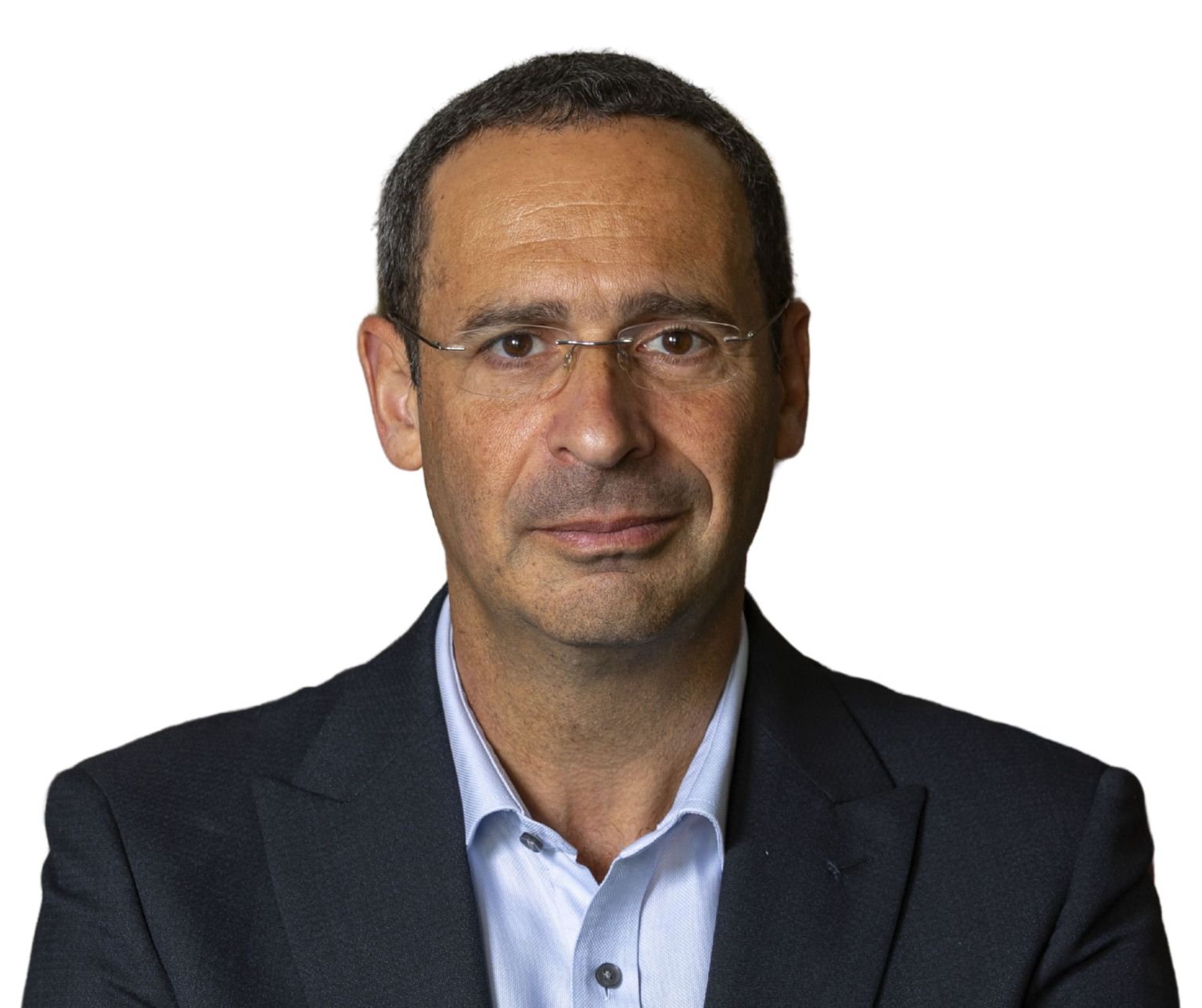
Dr Shuki Friedman is the Director General of the JPPI (Jewish People Policy Institute) and a lecturer for international law at the Peres Academic Centre.
- Dr. Shuki Friedman is the Director General of the JPPI (Jewih People Policy Institute) and a lecturer for international law at the Peres Academic Center.

Keep community journalism free.
Jewish News is free for everyone. No paywall. No barriers. Just trusted journalism for anyone who wants to stay connected to Jewish life in Britain.
If you value that, please support us.
From as little as £5 a month, you can help keep our journalism free and accessible to all.
Every day, we report on the issues that matter to our community. We celebrate achievements, support charities, challenge antisemitism and ensure Jewish voices are heard more widely.
From as little as £5 a month, you can help us continue to:
- Report on the stories shaping Jewish life in the UK and beyond
- Bring our community together through shared stories, events and campaigns
- Celebrate the people, culture and moments that define our community
- Support organisations doing vital work across Jewish Britain
You can make a one-off donation or become a regular supporter. Every contribution helps keep our journalism free, independent and accessible to all.
If everyone who values Jewish News gave a small amount, it would make a real difference to our future.