Prefer Jewish News on Google
OPINION: Never again can never again be left to chance
Dr Kate Ferguson and Olivia Marks-Woldman reflect on the persecution of Uyghur Muslims in China, and why it's time to take a stand, inspired by recent Jewish history

Our world often feels fragile and vulnerable and we cannot be complacent. We all have a responsibility to learn where prejudice and identity-based hostility can lead – if unchecked and normalised.
These words, spoken by the Holocaust Memorial Day Trust Chairperson, Laura Marks, opened the UK ceremony for Holocaust Memorial Day in January this year.
We repeat them now, because identity-based persecution is continuing, unchecked, in the Chinese province of Xinjiang, where Uighur Muslims are subject to horrific oppression. Verified footage of Uighur Muslims, blindfolded and herded onto trains, has been published and shared widely online. Robust reports have detailed the slave labour conditions under which Uighurs are forced to work – often for our high street brands such as Nike. Verified photos have been circulated of tonnes of hair shaved from Uighur women.
As chief executive of the Holocaust Memorial Day Trust, and co-executive director of Protection Approaches, we know the Holocaust and more recent genocides are remembered for a purpose – to learn from the past and to take steps towards a more just, safer world. Remembrance of these difficult periods should inspire us to action today.
We know that the millions of people who engage with Holocaust Memorial Day learn more about genocide, empathise more – especially with those from different backgrounds – and are inspired to take action.
The Holocaust was unique, as all atrocities are. But there are parallels and patterns that cannot, and must not, be ignored. The situation in the Xinjiang province of China is abhorrent and the parallels with Nazi Germany, such as train deportations and the removal of human hair, seem stark.
Thoughtful remembrance of the past helps us understand that atrocities are not inevitable; that they can, and must, be prevented.
Doing more to help prevent mass atrocities should not be contentious. Successive UK governments have reiterated their commitment to help prevent mass atrocities and whilst challenging the persecution of Uighur Muslims in China will take a concerted, global approach, the UK Government has many tools at its own disposal. Last year it set out for the first time its approach to preventing mass atrocities – a step which both our organisations fully support.
A national atrocity prevention strategy would encourage consistency both within government and with UK partners, and it would ensure that UK policy makers consider how best to mitigate or prevent widespread loss of life. The commitment to learn from the past would be embedded in Britain’s embassies, in Ministers’ portfolios, and in Britain’s contributions abroad. Without such a strategy – without applying a framework of how best to help prevent future atrocities to the human rights crisis in Xinjiang or elsewhere – opportunities to influence and mitigate will always be missed.
We also wish to raise a point of caution. Preventing identity-based violence, whether hate crime or genocide, requires consistency. Robust condemnation of the atrocities in Xinjiang must never be conflated with anti-Chinese hate speech or divisive, jingoistic tropes – something unfortunately all too common following anxieties over Huawei and divisive rhetoric about the pandemic.
During this year’s Holocaust Memorial Day commemoration, the prime minister asked: “What happened to our resolve in the genocides that followed?” Mr Johnson has gone on to undertake the largest review of the UK’s foreign, defence and development policy since the end of the Cold War. This review is a rare moment to demonstrate the strength of its commitment to never again. It’s time to embed a national strategy of atrocity prevention in the heart of British international policy, as events in China have clarified. It must never again be left to chance.
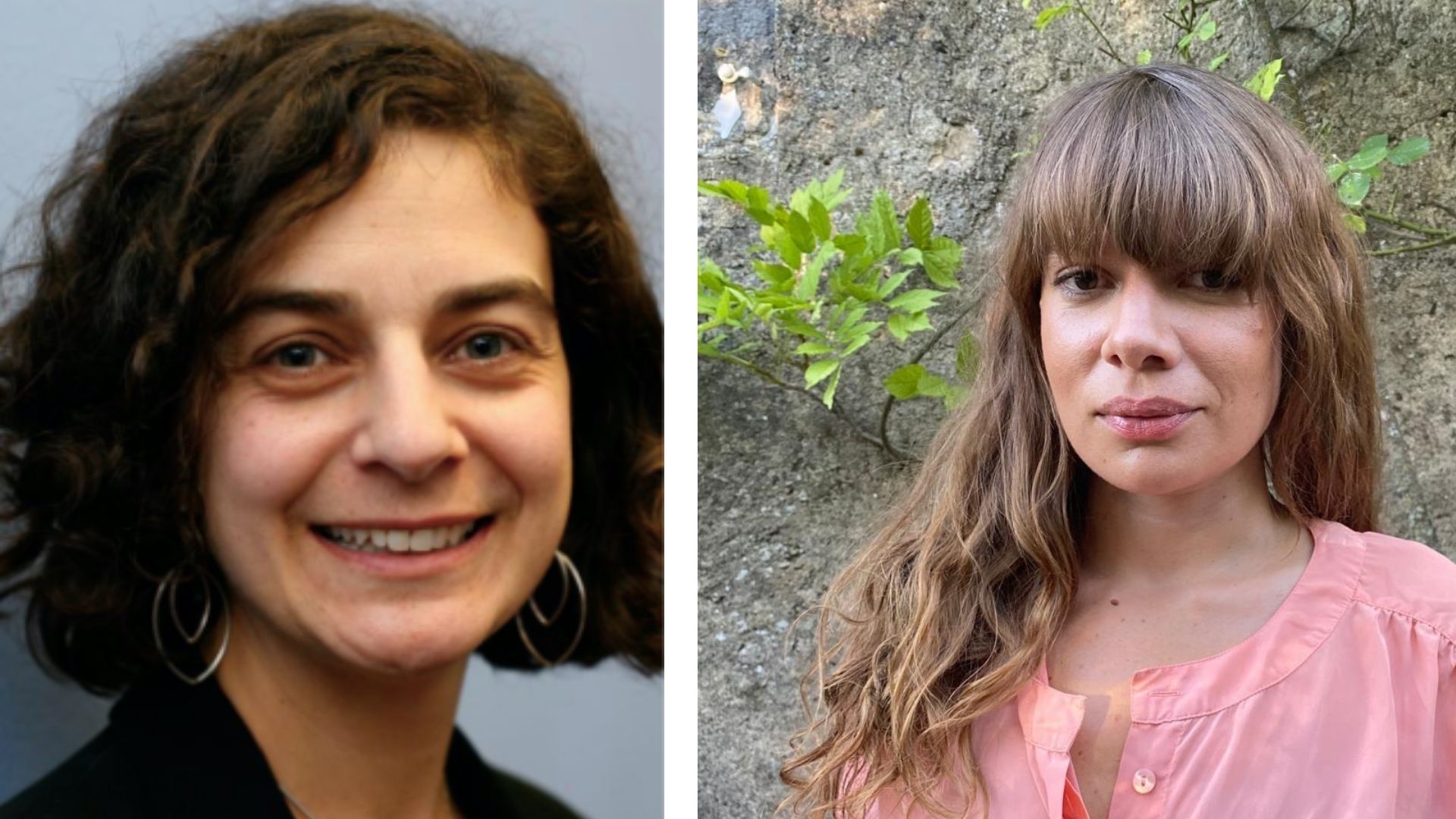
- Dr Kate Ferguson is the co-executive director of Protection Approaches. Olivia Marks-Woldman is chief executive of the Holocaust Memorial Day Trust

Keep community journalism free.
Jewish News is free for everyone. No paywall. No barriers. Just trusted journalism for anyone who wants to stay connected to Jewish life in Britain.
If you value that, please support us.
From as little as £5 a month, you can help keep our journalism free and accessible to all.
Every day, we report on the issues that matter to our community. We celebrate achievements, support charities, challenge antisemitism and ensure Jewish voices are heard more widely.
From as little as £5 a month, you can help us continue to:
- Report on the stories shaping Jewish life in the UK and beyond
- Bring our community together through shared stories, events and campaigns
- Celebrate the people, culture and moments that define our community
- Support organisations doing vital work across Jewish Britain
You can make a one-off donation or become a regular supporter. Every contribution helps keep our journalism free, independent and accessible to all.
If everyone who values Jewish News gave a small amount, it would make a real difference to our future.