Prefer Jewish News on Google
Poll: Majority of Israelis prefer hostage deal over Rafah invasion
With a tense public debate over Israel's military operations in Rafah, 62% said they prefer a deal with Hamas to get the hostages out over an invasion of Rafah.
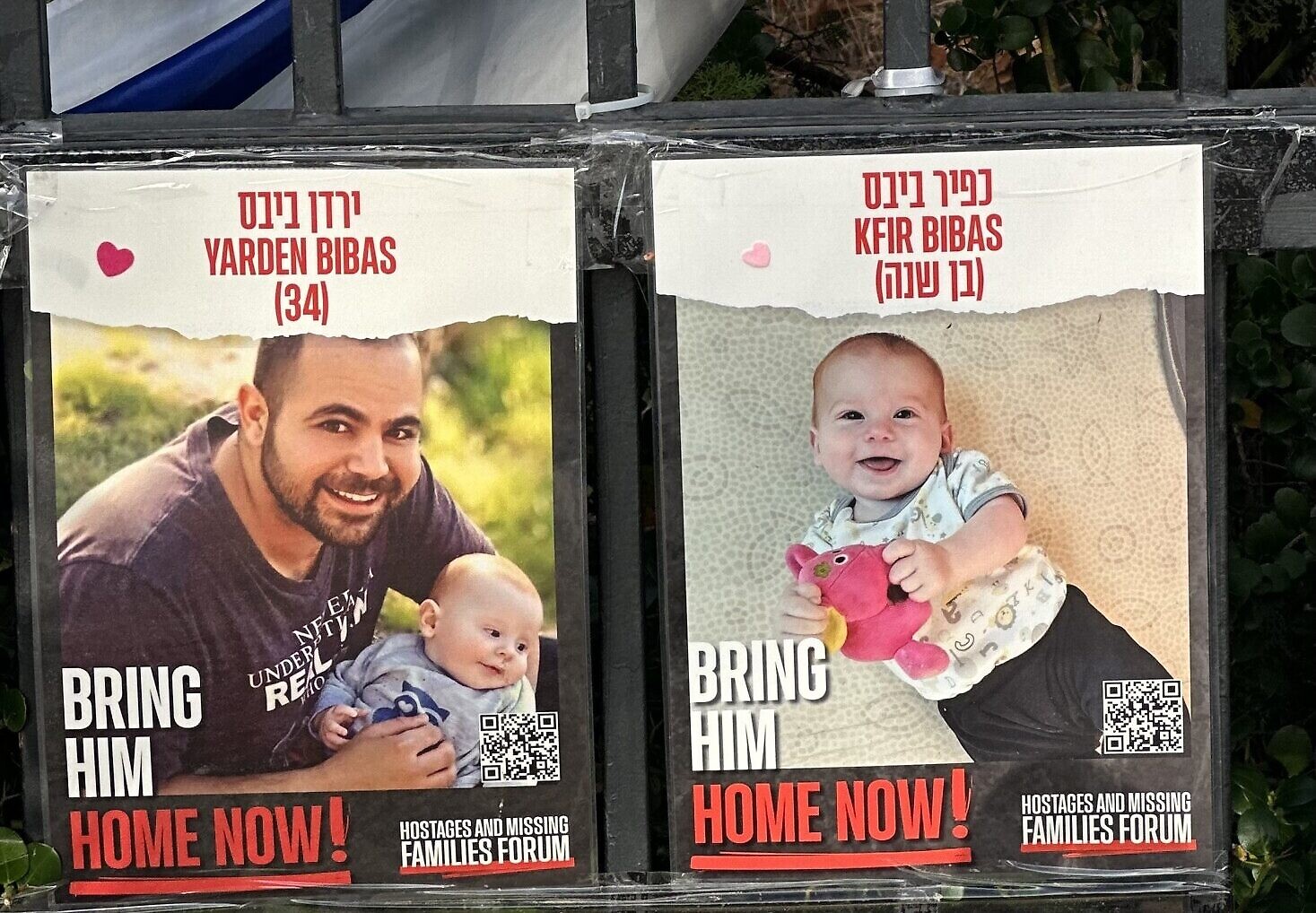
A new poll reveals that a majority of Israelis prefer a deal with Hamas to get the hostages out over an invasion of Rafah in southern Gaza.
The Israel Democracy Institute’s April 2024 Israeli Voice Index found that 62% of all Israelis believe the government should prioritise a hostage deal. However, 55% Jewish Israelis on the right-wing of the political spectrum believe a military operation in Rafah should take top priority.
The poll also revealed that a majority of Israelis think that this year’s Independence Day celebrations should be celebrated in a “more restrained, less prominent manner,” due to the ongoing war with Hamas in Gaza while 31% think celebrations should not take place at all.
Among Jewish Israelis, about 60% across the political spectrum think that celebrations should be restrained this year.
As for government ministers attending Memorial Day ceremonies in military cemeteries, 48% said they should stay away while 42% said they should attend.



When divided into political orientation, 82% of left-wing and 60% of centrist voters said they should not attend, while 59.5% on the right-wing wanted the ministers to show up.
88,5% of Arab Israelis said a hostage deal should be first priority.
67% of Israelis said the pro-Palestinian protests at universities in the United States and Europe don’t reflect the opinion of the majority of the public in these countries.
The April 2024 Israeli Voice Index was prepared by the Viterbi Family Center for Public Opinion and Policy Research at the Israel Democracy Institute. The survey was conducted via the internet and by telephone (to include groups that are under-represented on the internet) between May 1–6, 2024, with 600 men and women interviewed in Hebrew and 150 in Arabic, constituting a nationally representative sample of the adult population in Israel aged 18 and over. The maximum sampling error was ±3.58% at a confidence level of 95%.

Keep community journalism free.
Jewish News is free for everyone. No paywall. No barriers. Just trusted journalism for anyone who wants to stay connected to Jewish life in Britain.
If you value that, please support us.
From as little as £5 a month, you can help keep our journalism free and accessible to all.
Every day, we report on the issues that matter to our community. We celebrate achievements, support charities, challenge antisemitism and ensure Jewish voices are heard more widely.
From as little as £5 a month, you can help us continue to:
- Report on the stories shaping Jewish life in the UK and beyond
- Bring our community together through shared stories, events and campaigns
- Celebrate the people, culture and moments that define our community
- Support organisations doing vital work across Jewish Britain
You can make a one-off donation or become a regular supporter. Every contribution helps keep our journalism free, independent and accessible to all.
If everyone who values Jewish News gave a small amount, it would make a real difference to our future.