
 Prefer Jewish News on Google
Learning should not only be done in school
Rabbi Debbie Young-Somers takes a topical issue and looks at a Reform response
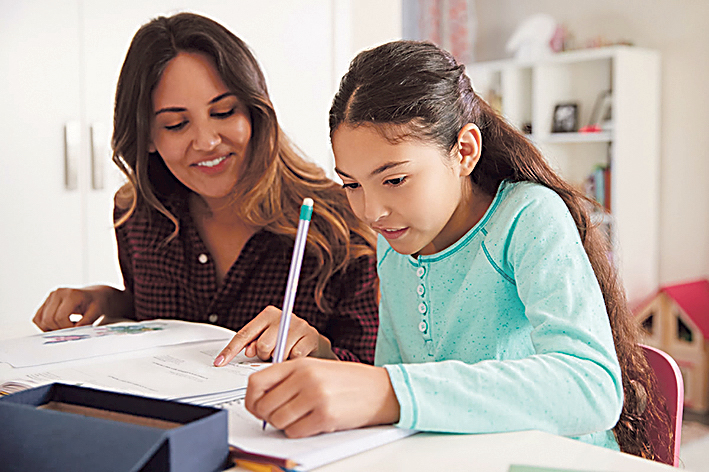
At the start of January, ‘tiger head’ and social mobility tsar Katharine Birbalsingh made headlines when she tweeted that parents are lucky if their children are educated well, and we should all be giving them extra lessons every day after school. If we aren’t, she argued, we are disadvantaging our youngsters.
As a dyslexic, I had extra tutoring as a child, helping me learn techniques for spelling and differentiating between a, e, b and d (being called Deborah wasn’t ideal.)
My mum, a special needs teacher, absolutely couldn’t give me this support. I’m sure she tried, but it had to be someone external to support me. After two lockdowns, it is clear my own family have a similar problem. So, while my husband and I try to regularly sit with our kids and do homework, we are definitely not their teachers, and we are aware of what a phenomenal job so many of our teachers have done in coping with the past two years and the interruptions to education.
Our inability isn’t the only reason we don’t go in for nightly lessons.
In the UK, we begin formal schooling earlier than many other countries. In Finland, compulsory education begins at seven; in the USA, it varies between five and eight depending on the state. Although Reception classes include a lot of play, older children and teens need time to explore learning beyond formal education.
We need to allow them to expand their horizons, to exercise, to socialise, to be part of their synagogue communities, to enjoy the outdoors, to read for fun and to process their learning. All of this helps to support their mental health, which has never been more important.
Shalom (peace) has in its Ivrit three-letter root a connection to the word wholeness. For children to become whole people, academic achievement and knowledge are only a part of the picture. The Hebrew Shalom is a reminder to us that peace is only found in wholeness.
While school is a crucial part of their growth, and we all have to work in partnership with our children’s schools if they are to succeed, their time outside school also needs to be a part of helping them find their place in the world.
- Rabbi Debbie Young-Somers serves Edgware and Hendon Reform Synagogue

Keep community journalism free.
Jewish News is free for everyone. No paywall. No barriers. Just trusted journalism for anyone who wants to stay connected to Jewish life in Britain.
If you value that, please support us.
From as little as £5 a month, you can help keep our journalism free and accessible to all.
Every day, we report on the issues that matter to our community. We celebrate achievements, support charities, challenge antisemitism and ensure Jewish voices are heard more widely.
From as little as £5 a month, you can help us continue to:
- Report on the stories shaping Jewish life in the UK and beyond
- Bring our community together through shared stories, events and campaigns
- Celebrate the people, culture and moments that define our community
- Support organisations doing vital work across Jewish Britain
You can make a one-off donation or become a regular supporter. Every contribution helps keep our journalism free, independent and accessible to all.
If everyone who values Jewish News gave a small amount, it would make a real difference to our future.





















