Prefer Jewish News on Google
Progressively Speaking: When is it right to pull down statues?
Rabbi Miriam Berger looks at a topical issue and provides a progressive response

As a university student in Bristol in the 1990s, the irony was completely lost on this white, middle class girl as I walked down roads with my white, middle class circle of friends, that the white privilege that got us there was the same one woven into the very fabric of society.
Whether we were walking to our lectures via Whiteladies Road or down Blackboy Hill, I realise I entered university life without fully appreciating all that got me there.
In all my years as an undergraduate in the city, the history of the docks and slave trade were unmissable. Yet never was I offered the opportunity to critique its history or impact on the 20th century. Nobody helped me understand the direct link between the statue of Edward Colston and the lack of diversity within the student body.
Whether through blue plaques, statues or signs, our architecture passively tells the story of our heritage. It is hugely important that parts of our history considered shameful are not whitewashed (pun fully intended).
The statue was not the problem, but the words extolling his virtue were. What words could have been used instead to have changed the narrative completely?
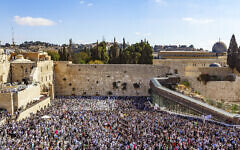
Jewish educator Jeremy Leigh teaches us through his Jewish Journeys, the power of using the world as our classroom, whether in a town square or under a shop sign, these stories are memorable in a way books or news items are so easily forgotten.
I would love generations of children, university students and Bristol business owners to have had their chance to stand in the shadow of Edward Colston and explore the challenges of race discrimination in our world today.
His statue ended up being destroyed in such a way because he, like the abhorrent legacy he left us with, has been long ignored.
We must stop shying away from such history. The statue, along with all the shameful street names and landmarks, should have been made an outdoor classroom years ago.
I wish he had spurred us on to challenge difficult matters such as the levels of black and ethnic minorities of staff employed in the highest levels of their companies.
We still live in his shadow, whether or not he is on the podium, and it can only be removed by educating against unconscious bias and racism that pervades society.
Rabbi Miriam Berger serves Finchley Reform Synagogue

Keep community journalism free.
Jewish News is free for everyone. No paywall. No barriers. Just trusted journalism for anyone who wants to stay connected to Jewish life in Britain.
If you value that, please support us.
From as little as £5 a month, you can help keep our journalism free and accessible to all.
Every day, we report on the issues that matter to our community. We celebrate achievements, support charities, challenge antisemitism and ensure Jewish voices are heard more widely.
From as little as £5 a month, you can help us continue to:
- Report on the stories shaping Jewish life in the UK and beyond
- Bring our community together through shared stories, events and campaigns
- Celebrate the people, culture and moments that define our community
- Support organisations doing vital work across Jewish Britain
You can make a one-off donation or become a regular supporter. Every contribution helps keep our journalism free, independent and accessible to all.
If everyone who values Jewish News gave a small amount, it would make a real difference to our future.