Prefer Jewish News on Google
The Bible Says What? ‘Remember to forget’
Student rabbi Lev Taylor looks at a controversial passage of Jewish text
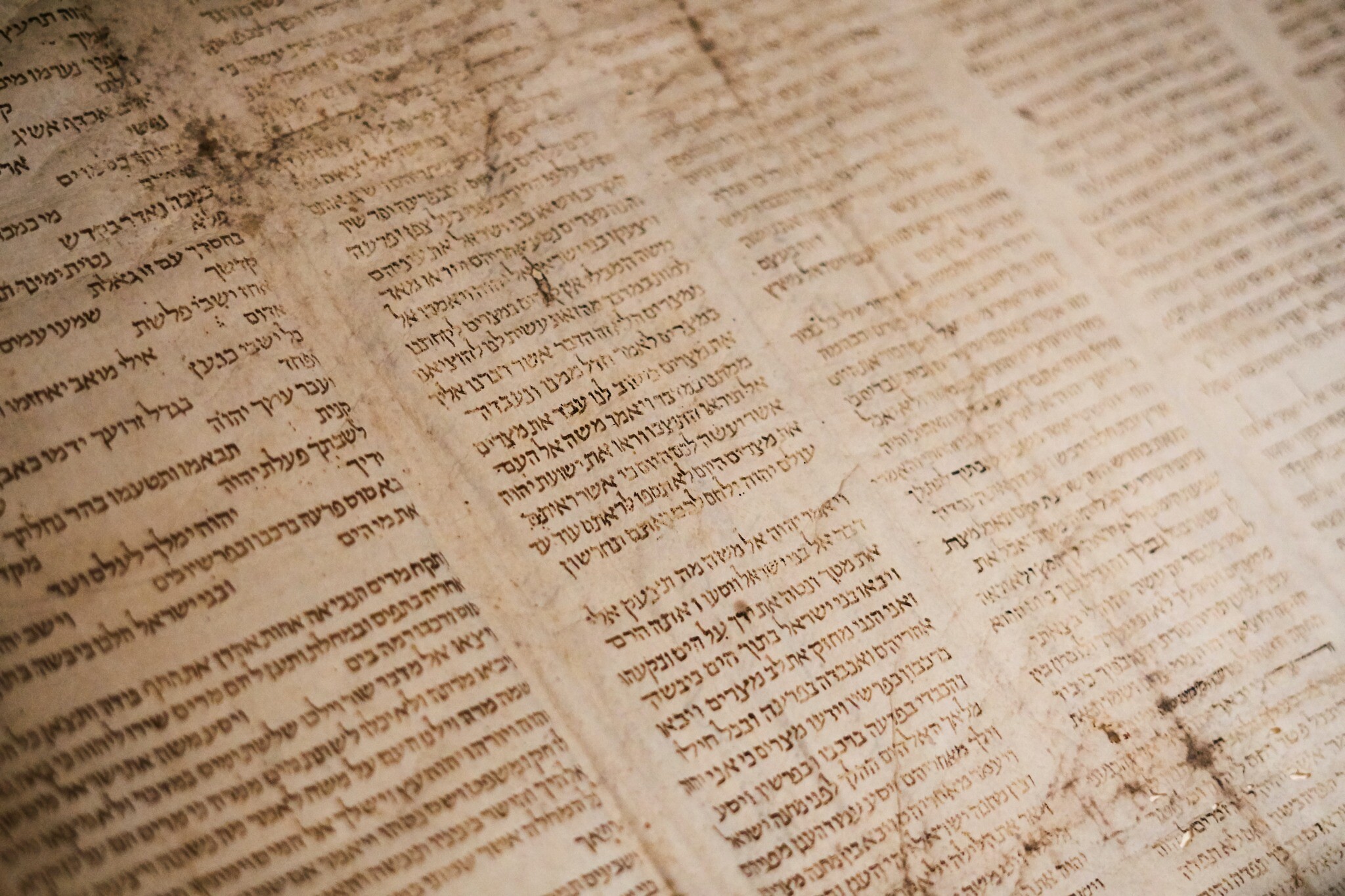
“Remember what Amalek did to you… after you left Egypt… Never forget how, undeterred by fear of God, he ambushed you as you walked, when you were famished and weary, and cut down all the stragglers at your back.”
We read only three lines from this important parashah in the Torah portion before Purim, and within these is a seeming contradiction: “Blot out the memory of Amalek from under heaven.” We must remember what he did, and also destroy his memory. Rashi says we should never mention his name again. How can we do both?
The philosopher Yosef Hayim Yerushalmi suggests this is about what remembering means in Jewish tradition. We do not have history, he says, but memory. Jews do not record historical events, the names of kings or the dates when important battles were fought. That is history and is somebody else’s domain.
Jews have memory. We recall and retell. Every year we re-enact. At Purim, we are not reading a historical account. We are carrying out
a pantomime with a host of characters, remembering the essence of
a story long forgotten.
In that way, we have already blotted out the name of Amalek and have turned him into every evil person from a past. Whatever man he once was is now a stock character for evil. And when you have blotted out an individual like that, all that is left is the moral lesson from their behaviour. He attacked the weak. |He took advantage of people at their most vulnerable. He was a coward and a bully.
We forget who he was by putting his name onto everyone like him.
We remember what he did so we may never be like him.
- Lev Taylor is a student rabbi at Leo Baeck College

Keep community journalism free.
Jewish News is free for everyone. No paywall. No barriers. Just trusted journalism for anyone who wants to stay connected to Jewish life in Britain.
If you value that, please support us.
From as little as £5 a month, you can help keep our journalism free and accessible to all.
Every day, we report on the issues that matter to our community. We celebrate achievements, support charities, challenge antisemitism and ensure Jewish voices are heard more widely.
From as little as £5 a month, you can help us continue to:
- Report on the stories shaping Jewish life in the UK and beyond
- Bring our community together through shared stories, events and campaigns
- Celebrate the people, culture and moments that define our community
- Support organisations doing vital work across Jewish Britain
You can make a one-off donation or become a regular supporter. Every contribution helps keep our journalism free, independent and accessible to all.
If everyone who values Jewish News gave a small amount, it would make a real difference to our future.