Prefer Jewish News on Google
The impact of Covid-19 on business and philanthropy
Zaki Cooper offers his industry insight on the charity sector amid the pandemic, saying society needs innovation, social responsibility and generosity

On the phone to an entrepreneur friend a month ago, as the scale of the economic challenge caused by the Covid-19 pandemic was unfolding, he said: “The key has been taken out of the ignition of the world economy.” Projections suggest that the economy is heading for a major dip.
The Confederation of British Industry has talked about three phases to the economic cycle: Restart, recovery and renewal.
We are still in the restart phase. While the government is handling the response to the Covid crisis, it is clear that business is absolutely key to our future well-being. Almost 30 million people work for businesses in the UK, across a whole range of sectors. Those who have been furloughed or laid off will need to get back to employment.
The crisis has highlighted the best and worst of business. Some have stepped up to repurpose their business models to produce ventilators and equipment for the NHS. Others, such as Mike Ashley, owner of Sports Direct, have embarrassed themselves by putting their own interest above the national one.
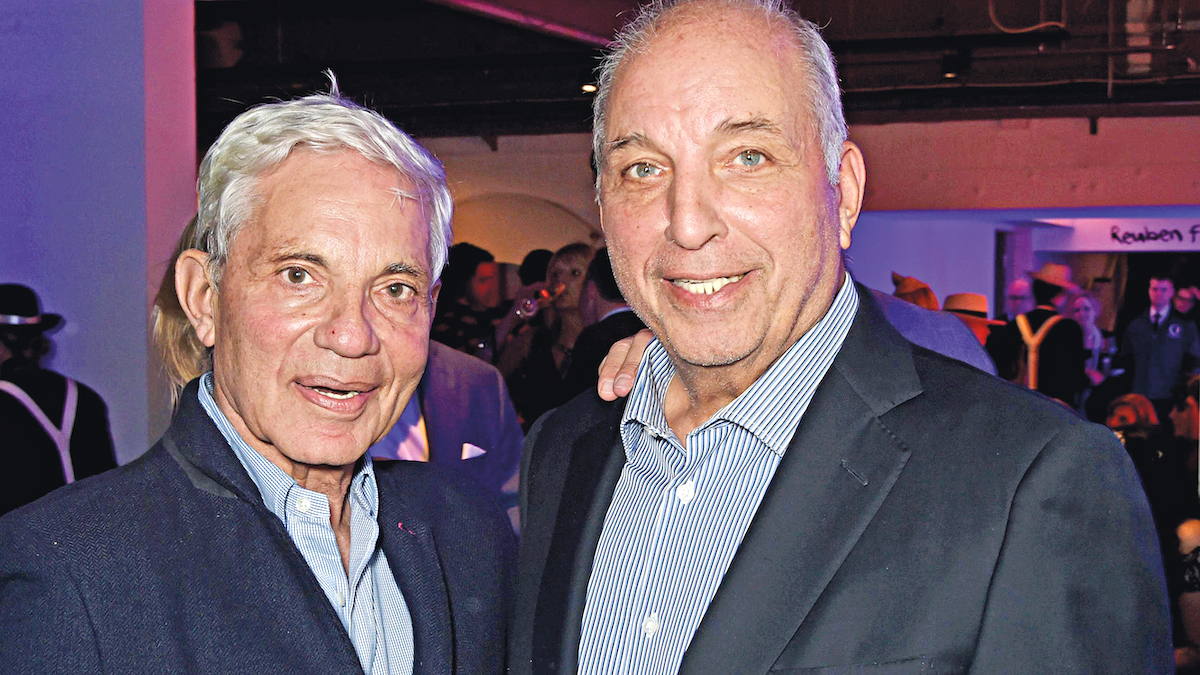
As well as providing employment and supporting the national effort to manufacture much-needed equipment, another way business can help is through philanthropy.
Thankfully, philanthropists are stepping up in all the areas, although their efforts will only go so far. One estimate puts a £4.3billion tag on the funding gap for charities over the next three months.The government’s rescue package for charities, amounting to £750m is less than
20 percent of this.
There are three elements to philanthropy in the crisis: emergency support for charities, helping the country rebuild and efforts to find a vaccine. Charities in every sector are in need, from health and social care to secondary effects such as domestic violence and mental health.
Already many of the so-called “super rich” have unveiled plans to support charities and causes. Jewish philanthropists have been active inside and outside the community.
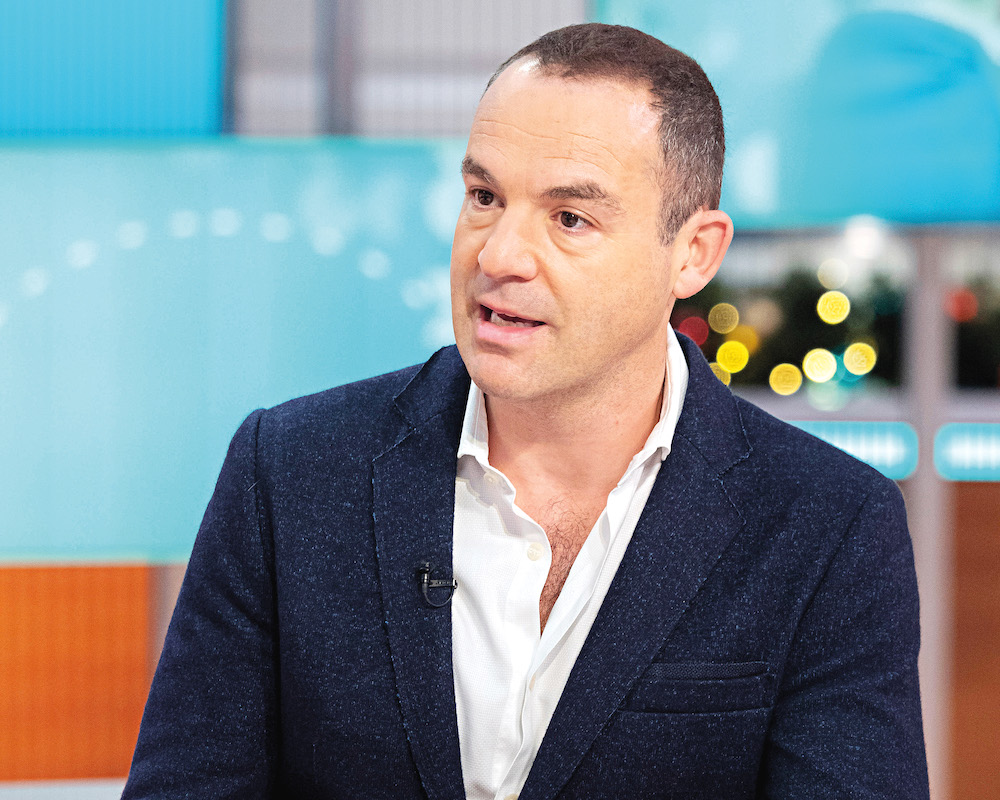
One of the early movers was Martin Lewis, the founder of MoneySavingExpert, who announced he had set up a £1m coronavirus charity to help fund poverty relief in the UK, while the Reuben brothers have set aside $50m to counter the pandemic.
In the crisis, as we move to the recovery phase, we will need the innovation, social responsibility and generosity of businesses and philanthropists.
- Zaki Cooper advises family offices and leaders on communications and philanthropy. zcconsulting.co.uk

Keep community journalism free.
Jewish News is free for everyone. No paywall. No barriers. Just trusted journalism for anyone who wants to stay connected to Jewish life in Britain.
If you value that, please support us.
From as little as £5 a month, you can help keep our journalism free and accessible to all.
Every day, we report on the issues that matter to our community. We celebrate achievements, support charities, challenge antisemitism and ensure Jewish voices are heard more widely.
From as little as £5 a month, you can help us continue to:
- Report on the stories shaping Jewish life in the UK and beyond
- Bring our community together through shared stories, events and campaigns
- Celebrate the people, culture and moments that define our community
- Support organisations doing vital work across Jewish Britain
You can make a one-off donation or become a regular supporter. Every contribution helps keep our journalism free, independent and accessible to all.
If everyone who values Jewish News gave a small amount, it would make a real difference to our future.