Prefer Jewish News on Google
Torah for Today: Panic buying
Rabbi Ariel Abel reflects on the recent petrol shortage, and looks for an Orthodox answer to the problem panic buying
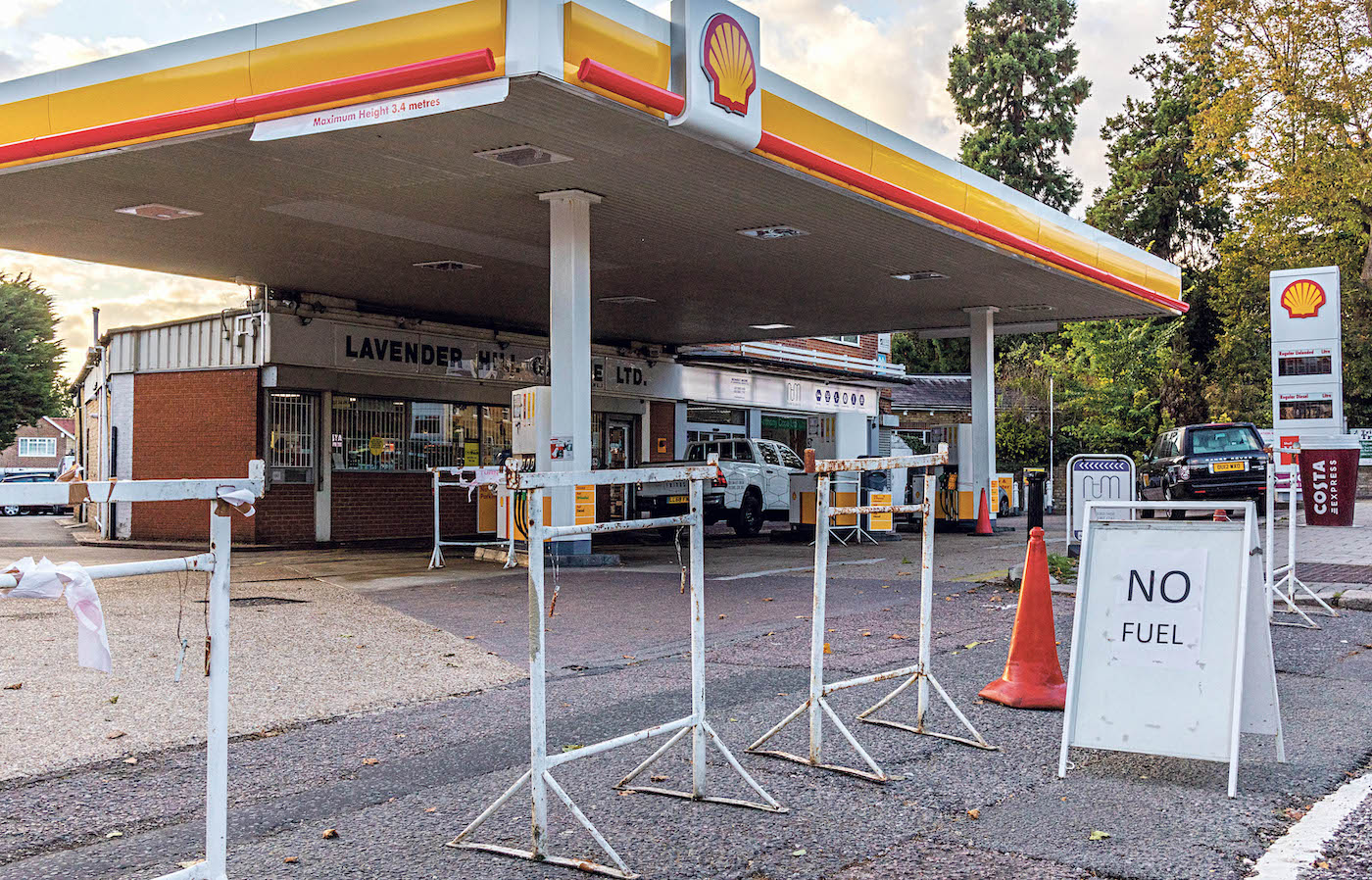
Following scenes around the UK of motorists queuing for petrol – and at times fights breaking out on the forecourt and emergency services not getting through to their destination – what does the Torah say about panic buying and putting one’s own needs first before others?
When Samaria suffered a terrible famine nearly 29 centuries ago, Elisha brought tidings of relief to the region.
Besieged by the Arameans, extreme deprivation set the price of a donkey’s head at 80 pieces of silver; women conspired to kill and eat their own children.
Elisha declared the famine would soon be over, and the king’s officer laughed at him. “Verily will God make windows in heaven…?” he mocked. Elisha promised him that although all would experience
relief from starvation, the officer would not.
Indeed, the Aramean camp was abandoned when they misapprehended an attack; and the price of a measure of fine flour tumbled, as prophesied, to only one shekel, in modern money at the very most,
£2 for a kilo of the best wheat flour and £1 for barley flour.
The people, on hearing the miraculous news of the windfall, stampeded the store of flour brought out for purchase. Panic buying taken to the extreme, the rude officer who had disrespected Elisha was crushed underfoot and never got to enjoy the end
of the terrible famine.
Recent petrol and other limitations and rationed supplies have resulted from the lack of supplying drivers, not supply. Whether it is bad planning, greed or the result of failed politics, or a combination of some or all of these, good governance is required to feed the nation. This includes doing whatever it takes to hold back the people from panicking.
Panic buying of Pesach products last year led to a shortage of matzah in parts of the UK; Liverpool was rationed to two boxes of matzah per household. Thus, a festival of faith was reduced from a festival of faith to a festival of panic.
The Exodus, which shapes our faith, requires disciplined calm and mutual respect, not frenzy, in the keeping of mitzvot.
- Rabbi Ariel Abel is based in Liverpool

Keep community journalism free.
Jewish News is free for everyone. No paywall. No barriers. Just trusted journalism for anyone who wants to stay connected to Jewish life in Britain.
If you value that, please support us.
From as little as £5 a month, you can help keep our journalism free and accessible to all.
Every day, we report on the issues that matter to our community. We celebrate achievements, support charities, challenge antisemitism and ensure Jewish voices are heard more widely.
From as little as £5 a month, you can help us continue to:
- Report on the stories shaping Jewish life in the UK and beyond
- Bring our community together through shared stories, events and campaigns
- Celebrate the people, culture and moments that define our community
- Support organisations doing vital work across Jewish Britain
You can make a one-off donation or become a regular supporter. Every contribution helps keep our journalism free, independent and accessible to all.
If everyone who values Jewish News gave a small amount, it would make a real difference to our future.