Prefer Jewish News on Google
UK warns against non-essential travel to Israel as Iran unrest raises regional risks
Foreign Office cites heightened tension and security threats as Tehran embassy closes amid deadly protests
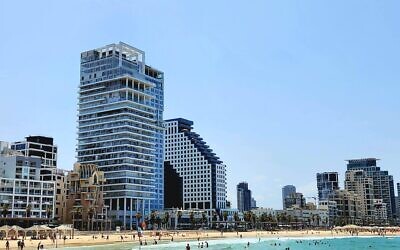
The UK Foreign Office has advised against all but essential travel to Israel, citing heightened regional tension linked to the escalating unrest in Iran.
In updated guidance issued on Wednesday, the Foreign, Commonwealth and Development Office (FCDO) said it now “advises against all but essential travel to Israel” and continues to warn against travel to parts of Israel and Palestine.
“There is a heightened risk of regional tension,” the guidance states. “Escalation could lead to travel disruption and other unanticipated impacts.”
An accompanying FCDO map maintains advice against all travel to the Gaza Strip, the Jenin area of the West Bank, and regions bordering the Golan Heights in both Lebanon and Syria.
For British nationals already in Israel, the Foreign Office said it had taken precautionary steps, confirming: “Due to the ongoing security situation, we have taken the precautionary measure to temporarily move some of our staff and their dependents from Tel Aviv to another location within Israel.”


It added that the UK embassy in Tel Aviv “continues to operate as normal”, but warned that the situation “could escalate quickly and poses significant risks”.
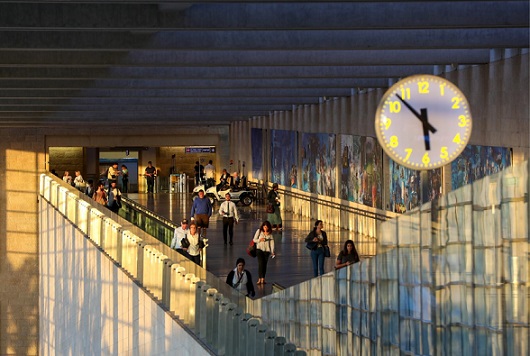
The guidance cautions that, despite a reported reduction in attacks, “there is still a risk of rocket and drone attacks throughout Israel,” as well as “a risk of shrapnel from intercepted missiles falling across Israel and Palestine”, and possible disruption at Ben Gurion Airport.
The travel warning comes as the Foreign Office also confirmed the temporary closure of its embassy in Tehran due to severe civil unrest, with consular services now being provided remotely.
Mass protests against Iran’s ruling clerical regime are entering their fourth week. Official figures put the death toll at more than 600, while independent Iranian human rights organisations based abroad estimate that over 2,000 people have been killed, with some reports suggesting the number could exceed 5,000.
Most of those killed are believed to be civilian demonstrators, amid reports that Iranian security forces have fired indiscriminately into crowds.
The unrest has heightened concerns across the region, including in Israel, where officials have long warned that instability in Iran could have direct security consequences.
Meanwhile, US President Donald Trump had threatened “strong action” if Tehran followed through on reports that detained protesters could be executed. However, he appeared to row back from the prospect of military strikes on Wednesday evening, saying he “has it on good authority” that “the killing has stopped” and that no executions would take place.

Keep community journalism free.
Jewish News is free for everyone. No paywall. No barriers. Just trusted journalism for anyone who wants to stay connected to Jewish life in Britain.
If you value that, please support us.
From as little as £5 a month, you can help keep our journalism free and accessible to all.
Every day, we report on the issues that matter to our community. We celebrate achievements, support charities, challenge antisemitism and ensure Jewish voices are heard more widely.
From as little as £5 a month, you can help us continue to:
- Report on the stories shaping Jewish life in the UK and beyond
- Bring our community together through shared stories, events and campaigns
- Celebrate the people, culture and moments that define our community
- Support organisations doing vital work across Jewish Britain
You can make a one-off donation or become a regular supporter. Every contribution helps keep our journalism free, independent and accessible to all.
If everyone who values Jewish News gave a small amount, it would make a real difference to our future.