UN Security Council adopts resolution calling for Hamas to accept Gaza ceasefire
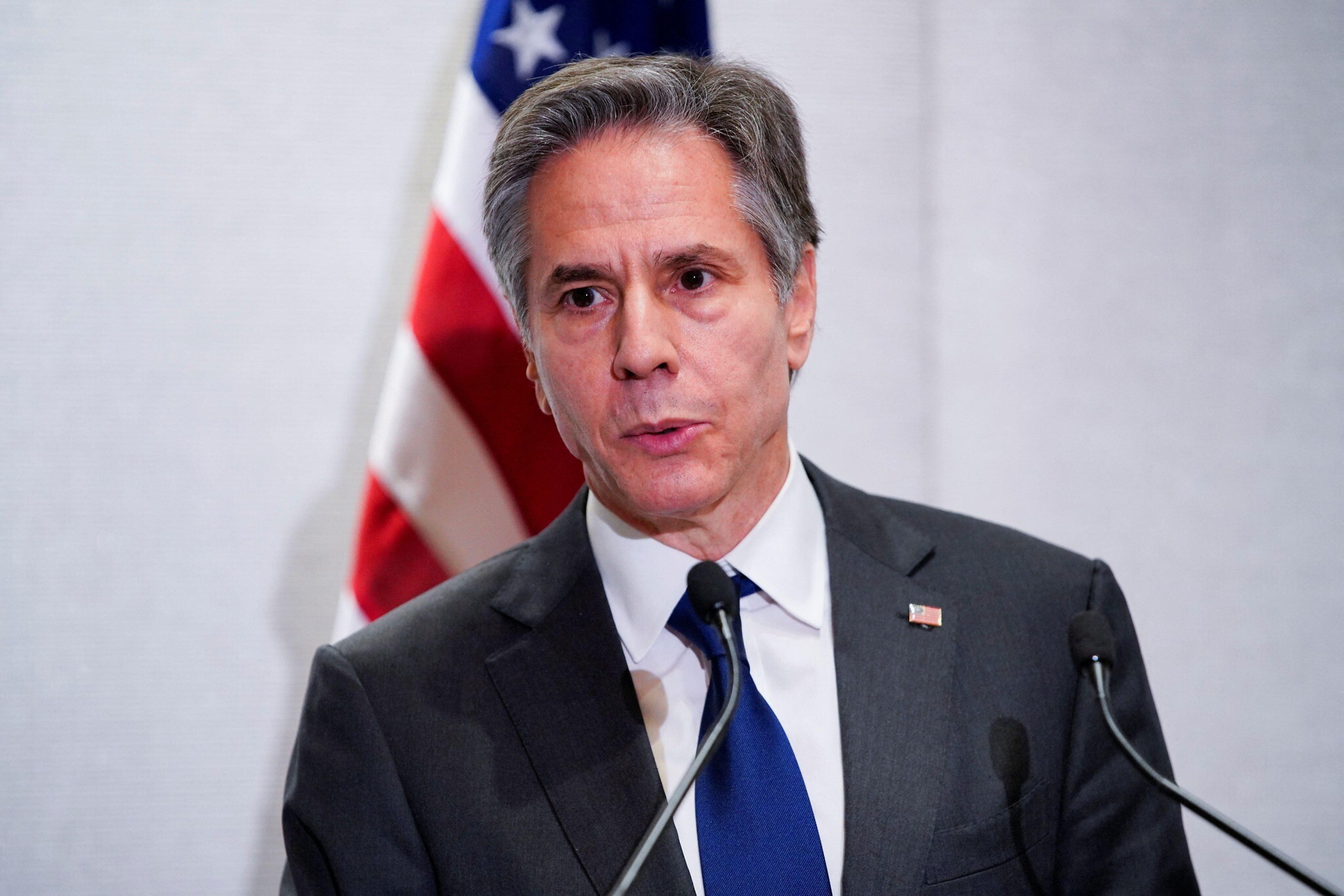
Antony Blinken, the US secretary of state, has urged Benjamin Netanyahu to accept the ceasefire plan and will meet Benny Gantz on Tuesday

The United Nations Security Council has adopted a United States-backed motion calling on Hamas to accept a ceasefire plan in Gaza.
On Monday the security council endorsed for the first time a plan for a six-week ceasefire, during which Israel would withdraw its troops from population centres in Gaza, and Hamas would release hostages it kidnapped when it attacked Israel in October.
The US said Israel had accepted the plan and that Hamas remained the obstacle to enacting it.
But it was unclear on Tuesday if both Israeli and Hamas leaders had signed up to the details of the resolution.“We will continue until all of the hostages are returned and until Hamas’s military and governing capabilities are dismantled,” a senior Israeli official told the council, according to Associated Press.
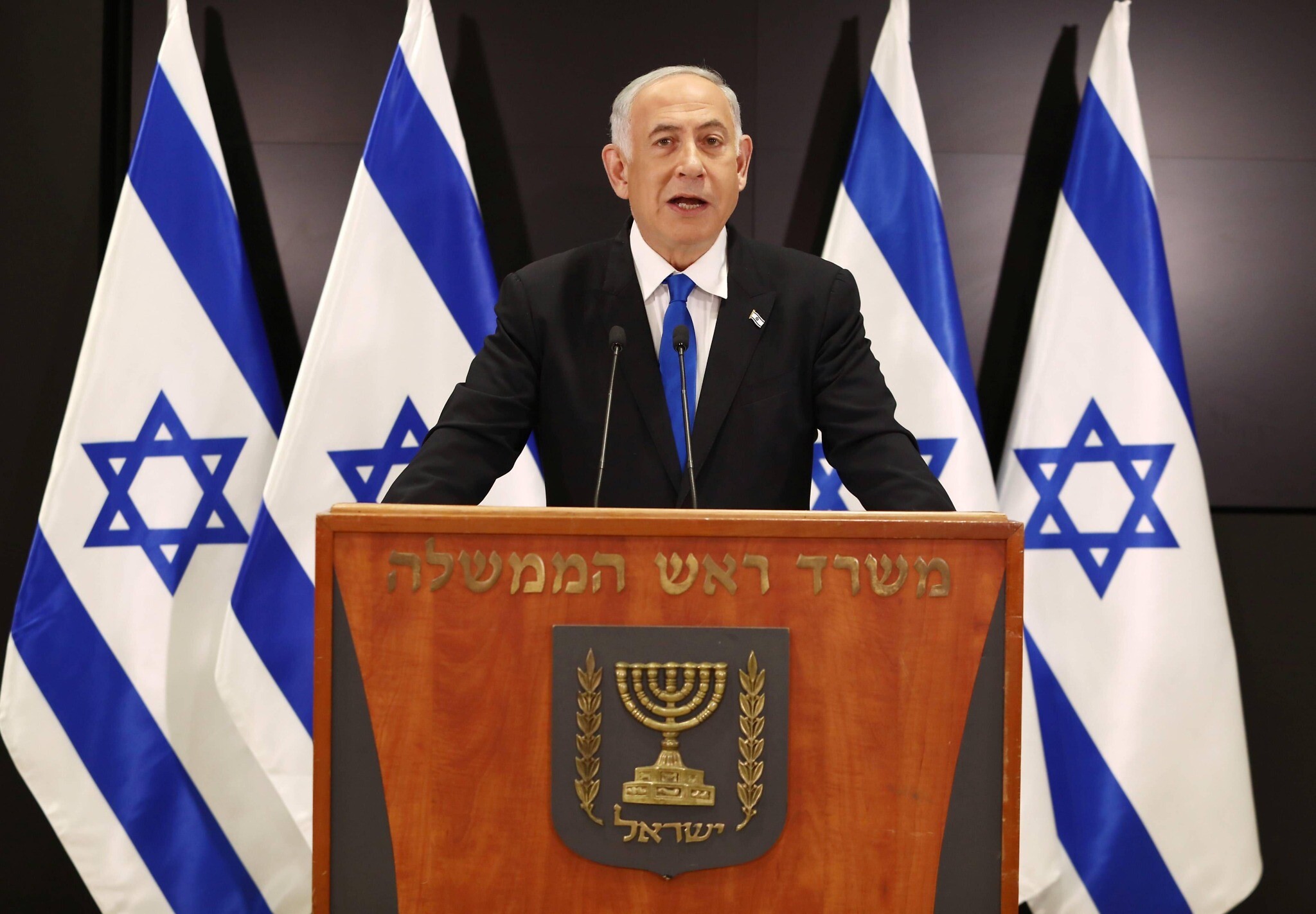
Benjamin Netanyahu, the Israeli prime minister, has a divided cabinet over the ceasefire plan.


Hardline coalition members are threatening to quit and bring down his government if he goes ahead and accept the deal.
Hamas has also stopped short of accepting the proposal as fighting continued in the Palestinian territory, despite claiming it “welcomes what is included in the security council resolution”.
The UN resolution, which passed with 14 votes in favour and just one abstention from Russia, was proposed by the USA delegation.
Israeli cabinet minister Benny Gantz resigned over the weekend, accusing Netanyahu of mismanaging the war.
Antony Blinken, the US secretary of state, was due to meet Gantz and the opposition leader Yossi Lapid on Tuesday.
Blinken had talks with Netanyahu on Monday, arguing a ceasefire would also bring peace to Israel’s northern border areas, which have been repeatedly attacked by the Lebanese Hezbollah terror organisation.
The ceasefire plan, first announced by President Biden, set out a three phased approach to ending the deadly conflict.
Phase one includes an “immediate, full, and complete ceasefire with the release of hostages including women, the elderly and the wounded, the return of the remains of some hostages who have been killed, and the exchange of Palestinian prisoners”.
Phase two would see a permanent end to hostilities “in exchange for the release of all other hostages still in Gaza, and a full withdrawal of Israeli forces from Gaza”.
In phase three, “a major multi-year reconstruction plan for Gaza” would begin and the remains of any deceased hostages still in the Strip would be returned to Israel.
US Ambassador Linda Thomas-Greenfield said that the diplomatic community was: “united behind a deal that will save lives and help Palestinian civilians in Gaza start to rebuild and heal… and a deal that will reunite hostages with their families after eight months in captivity.”

Keep community journalism free.
Jewish News is free for everyone. No paywall. No barriers. Just trusted journalism for anyone who wants to stay connected to Jewish life in Britain.
If you value that, please support us.
From as little as £5 a month, you can help keep our journalism free and accessible to all.
Every day, we report on the issues that matter to our community. We celebrate achievements, support charities, challenge antisemitism and ensure Jewish voices are heard more widely.
From as little as £5 a month, you can help us continue to:
- Report on the stories shaping Jewish life in the UK and beyond
- Bring our community together through shared stories, events and campaigns
- Celebrate the people, culture and moments that define our community
- Support organisations doing vital work across Jewish Britain
You can make a one-off donation or become a regular supporter. Every contribution helps keep our journalism free, independent and accessible to all.
If everyone who values Jewish News gave a small amount, it would make a real difference to our future.