Prefer Jewish News on Google
Yemeni activist wants Jews to return after Houthi conflict ends
Limmud first-timer Bara'a Shaiban helped to draft new constitution for war-torn country that will allow Jews and other minorities to run for parliament
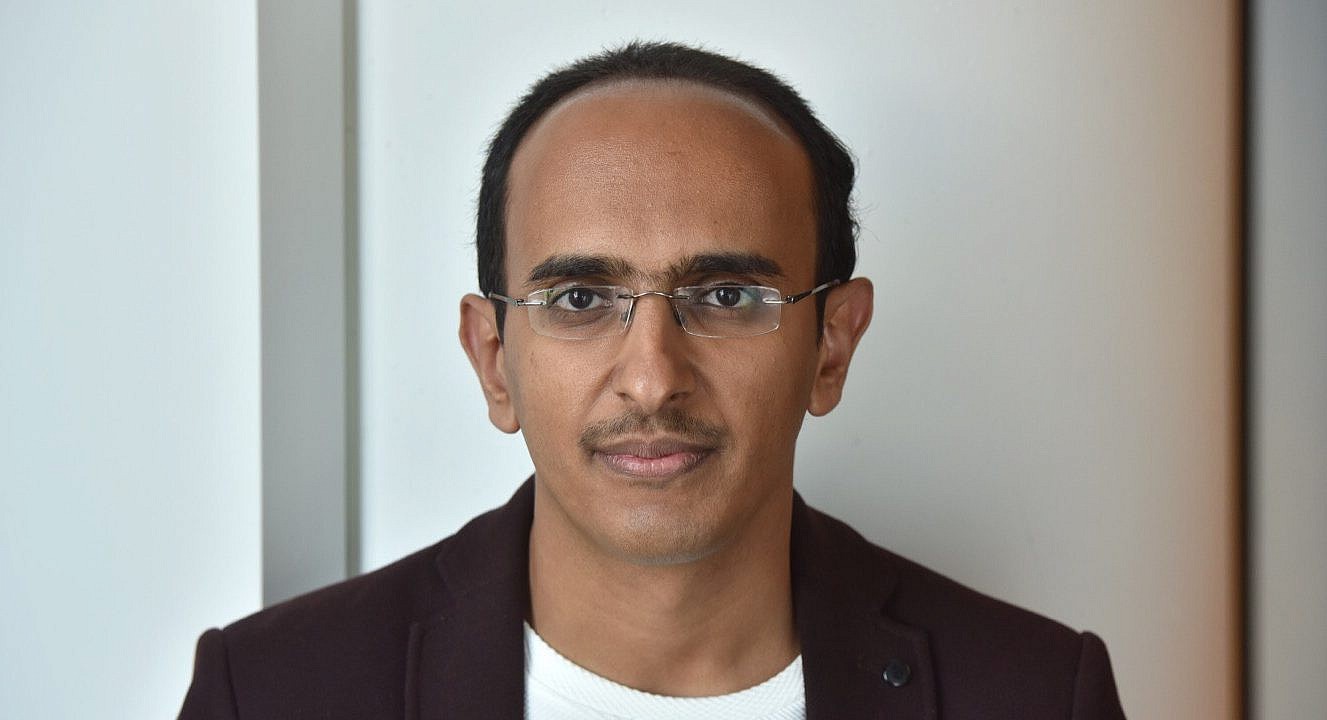
A Yemeni human rights campaigner hopes the country’s Jews return once the bloody conflict between the government and Iranian-backed Houthi rebels ends.
London-based Bara’a Shaiban was at Limmud this week giving a session on “A Dummies Guide to Yemen: Past, Present and Future.”
He told Jewish News: “Jews in Yemen have never been seen as anything other than Yemeni. They are part of the country’s culture. Almost every house in Yemen has something designed or made by Yemeni Jews – from artefacts to jewellery.”
Indeed, Yemeni Jews have a rich and long history, having arrived in the southern tip of the Arabian Peninsula after the destruction of the Second Temple and setting up a kingdom there before the rise of Islam.
The kingdom, Khaibar, was destroyed when the Prophet Muhammed’s armies started to expand out of the areas of Mecca and Medina to the north.
Shaiban, an adviser to human rights group Reprieve as well as the UK government and NGOs, said the plight of Yemeni Jews “triggered thoughts of how we treat minorities during difficult times.”
The Houthis, he said, tried conspiracy theories against the Jews and other, but the “general Yemeni population didn’t buy it. And now we hope that the Jews who fled or were forced out of the country will come back.”
Shaiban, who was part of the Yemeni youth council, was working on a new constitution when there was a coup in 2014 and the draft was put on hold.
Now, when the conflict between the Saudi- and Emirati-backed government and the Houthis, who get their inspiration from Tehran, is over, Shaiban hopes to put the constitution into practise.
He noted that it differed from previous constitutions inasmuch as it guarantees more freedoms, more rights, more progressive policies and a multi-party system.
“There will be press and religious freedom and rights for women, as well as minorities such as the Jews and the Bahais, he told JN. “Under the former constitution, Jews couldn’t stand for parliament, but under the new one, they will be able to,” Shaiban said.
However, the conflict “complicates the situation. The Houthis are presenting themselves as the champions of the oppressed and anyone else is a supporter of Western imperialism. But the youth is still there, and they want to revive the [constitutional] process. So, there’s hope.”
This was Shaiban’s first Limmud and he said he “wished he had more time to go to other sessions. Next year, I’ll make time.”

Keep community journalism free.
Jewish News is free for everyone. No paywall. No barriers. Just trusted journalism for anyone who wants to stay connected to Jewish life in Britain.
If you value that, please support us.
From as little as £5 a month, you can help keep our journalism free and accessible to all.
Every day, we report on the issues that matter to our community. We celebrate achievements, support charities, challenge antisemitism and ensure Jewish voices are heard more widely.
From as little as £5 a month, you can help us continue to:
- Report on the stories shaping Jewish life in the UK and beyond
- Bring our community together through shared stories, events and campaigns
- Celebrate the people, culture and moments that define our community
- Support organisations doing vital work across Jewish Britain
You can make a one-off donation or become a regular supporter. Every contribution helps keep our journalism free, independent and accessible to all.
If everyone who values Jewish News gave a small amount, it would make a real difference to our future.