Prefer Jewish News on Google
ANALYSIS: A good result, but it’s not going to be a bed of roses
By Toby Greene, Director of research at BICOM

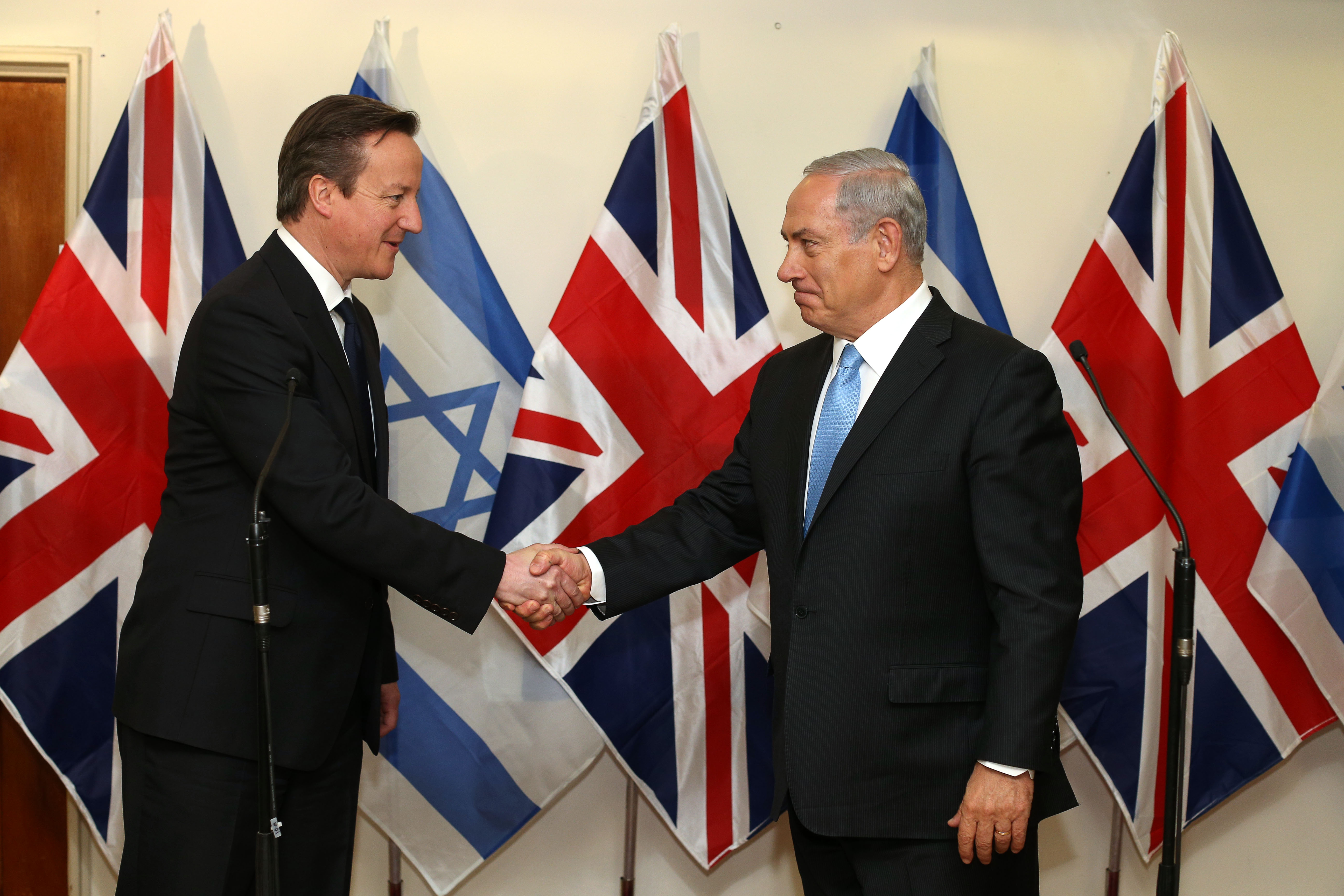
The new Israeli government will welcome David Cameron’s renewal of his lease on 10 Downing Street. Cameron has exceeded expectations with his warmth for Israel, illustrated by a remarkable speech to the Knesset in March 2014 and his backing for Israel during Operation Protective Edge a few months later.
Aided in no small part by Ambassador Matthew Gould – soon to leave Tel Aviv after an extraordinary five-year stint – bilateral trade and cooperation have continued to rise.
Cameron has also shown he gets concerns on delegitimisation, saying in a recent interview: “As well as the new threat of extremist Islamism there has been an insidious, creeping attempt to delegitimise the state of Israel, which spills over often into anti-Semitism.”
Even better for Israel, the Liberal Democrats, who attempted to hijack coalition foreign policy last summer by threatening an arms embargo on Israel, are out of the picture.
This result, therefore, is clearly the best Netanyahu could have hoped for. But it’s not all going to be roses. Britain and Israel have different perspectives on the Iran nuclear deal. The UK has played an important role in sanctions and enjoys a constructive dialogue with Israel over Iran, but seems content to back the US on a deal most Israelis consider a catastrophic capitulation.
Then there is the perpetual peace process problem. The drip, drip of settlement announcements will test already strained patience in Washington and European capitals, including London, especially given the absence of peace talks and the right-leaning profile of Israel’s new government.
Foreign Secretary Philip Hammond was among 16 EU ministers recently urging High Representative Federica Mogherini to complete EU-wide guidelines on labelling settlement produce.
The UK has declined to support recent Palestinian manoeuvres at the UN, abstaining on the vote to make Palestine a non-member state in 2012, and the failed Security Council resolution on ending the occupation in 2014. But France is seeking a new resolution with terms of reference on final status and British officials have made supportive noises.
That’s the short term. But the long term consequences of the election will also interest Israel. First, the implications for EU diplomacy if Britain leaves; and second, who will now lead Labour. With Cameron already announcing he will vacate Downing Street before the next election, the fight to be the next occupant has already begun.
• Dr Toby Greene is author of Blair, Labour and Palestine: Conflicting Views on Middle East Peace After 9/11

Keep community journalism free.
Jewish News is free for everyone. No paywall. No barriers. Just trusted journalism for anyone who wants to stay connected to Jewish life in Britain.
If you value that, please support us.
From as little as £5 a month, you can help keep our journalism free and accessible to all.
Every day, we report on the issues that matter to our community. We celebrate achievements, support charities, challenge antisemitism and ensure Jewish voices are heard more widely.
From as little as £5 a month, you can help us continue to:
- Report on the stories shaping Jewish life in the UK and beyond
- Bring our community together through shared stories, events and campaigns
- Celebrate the people, culture and moments that define our community
- Support organisations doing vital work across Jewish Britain
You can make a one-off donation or become a regular supporter. Every contribution helps keep our journalism free, independent and accessible to all.
If everyone who values Jewish News gave a small amount, it would make a real difference to our future.