Prefer Jewish News on Google
90 years after Cable Street we stand together again
Film maker Elliott Leigh, hundreds of family memories and a week of events will mark Britain’s most famous act of anti-fascist resistance is never forgotten
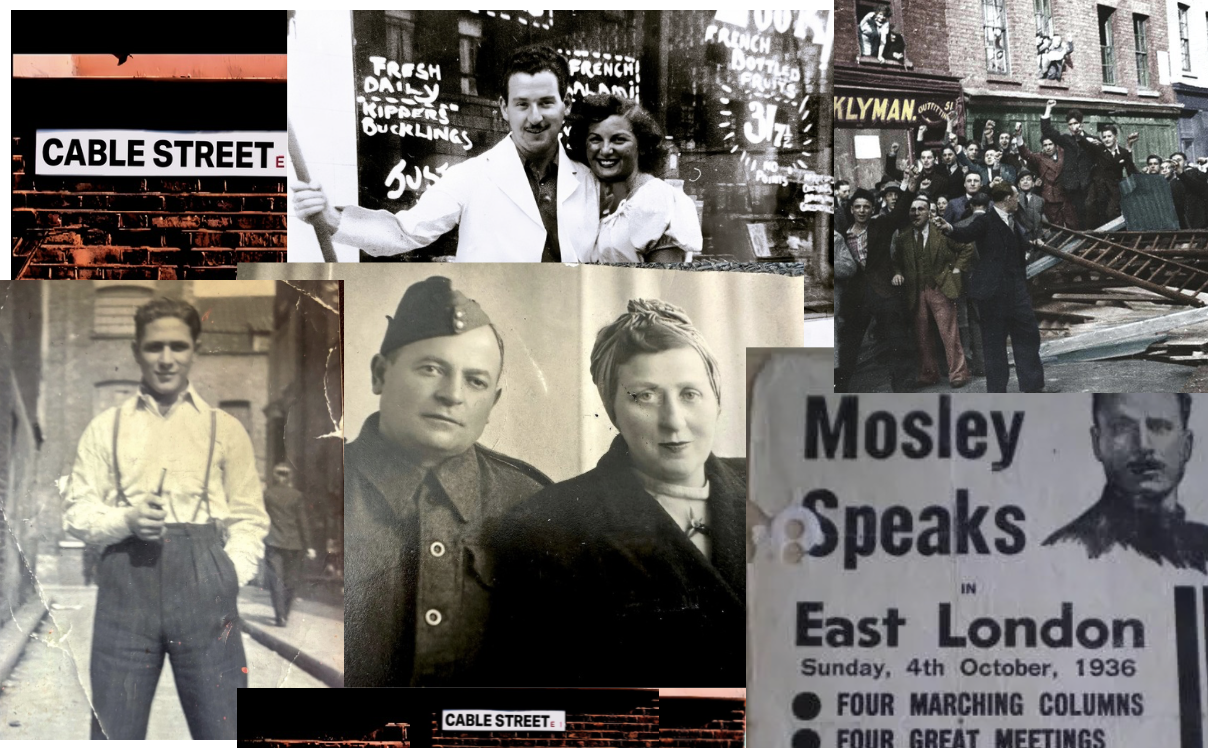
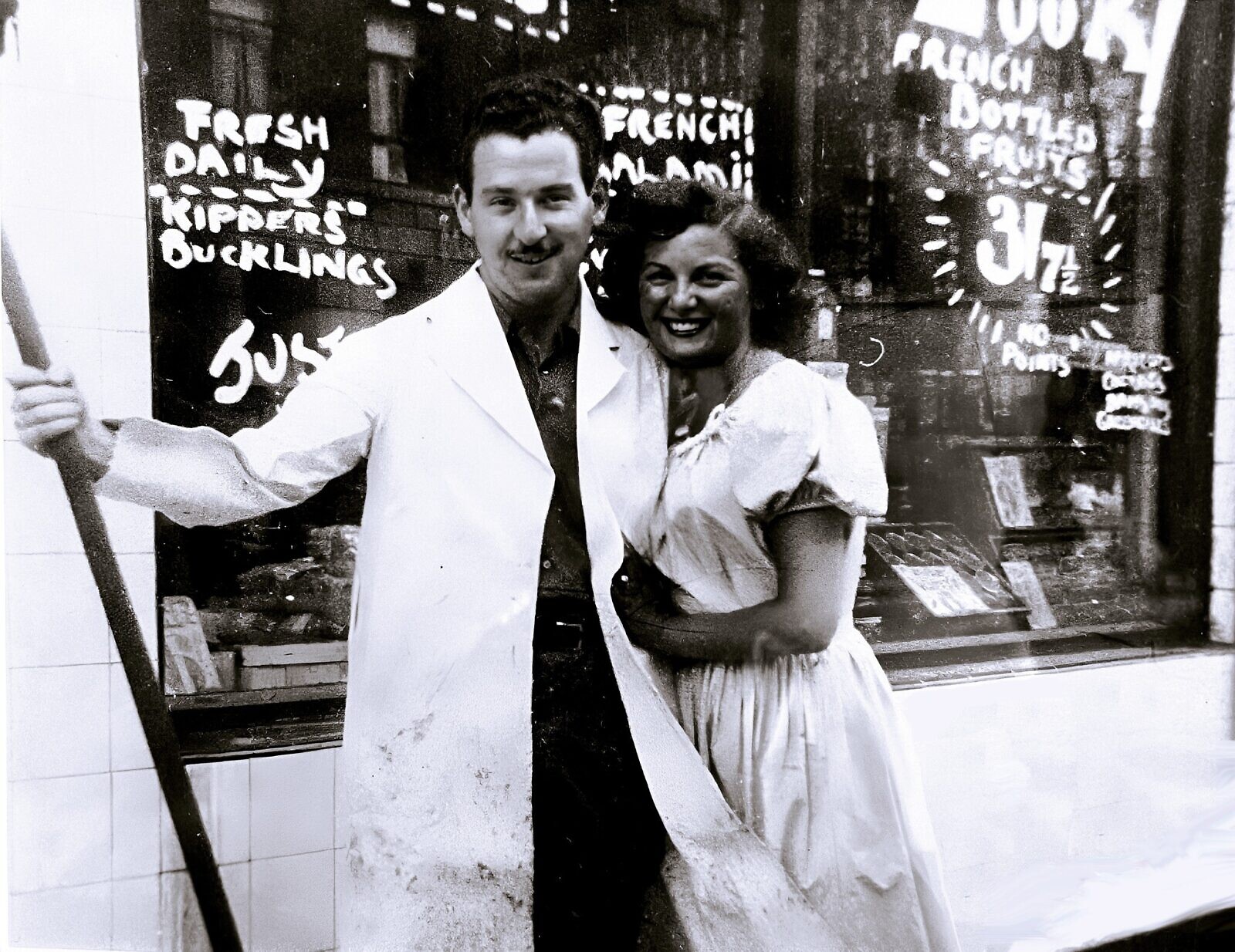
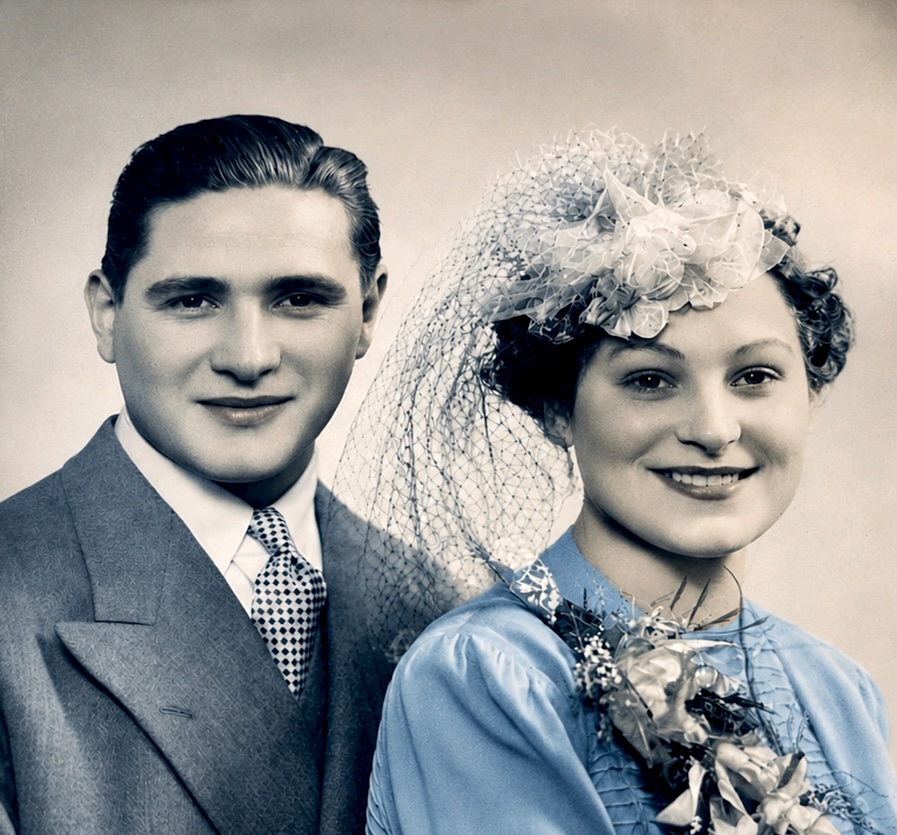
In a faded black-and-white photograph, my grandfather Maurice Shaw – born Maurice Shapiro – stands confidently and immaculately dressed. An amateur boxer with slicked-back hair, he looks every inch the proud young East Ender about to go out for the day.
But the photograph was taken on Sunday 4 October 1936. Within hours, he would become one of the thousands of ordinary Jewish Londoners caught up in what would become known as the Battle of Cable Street.
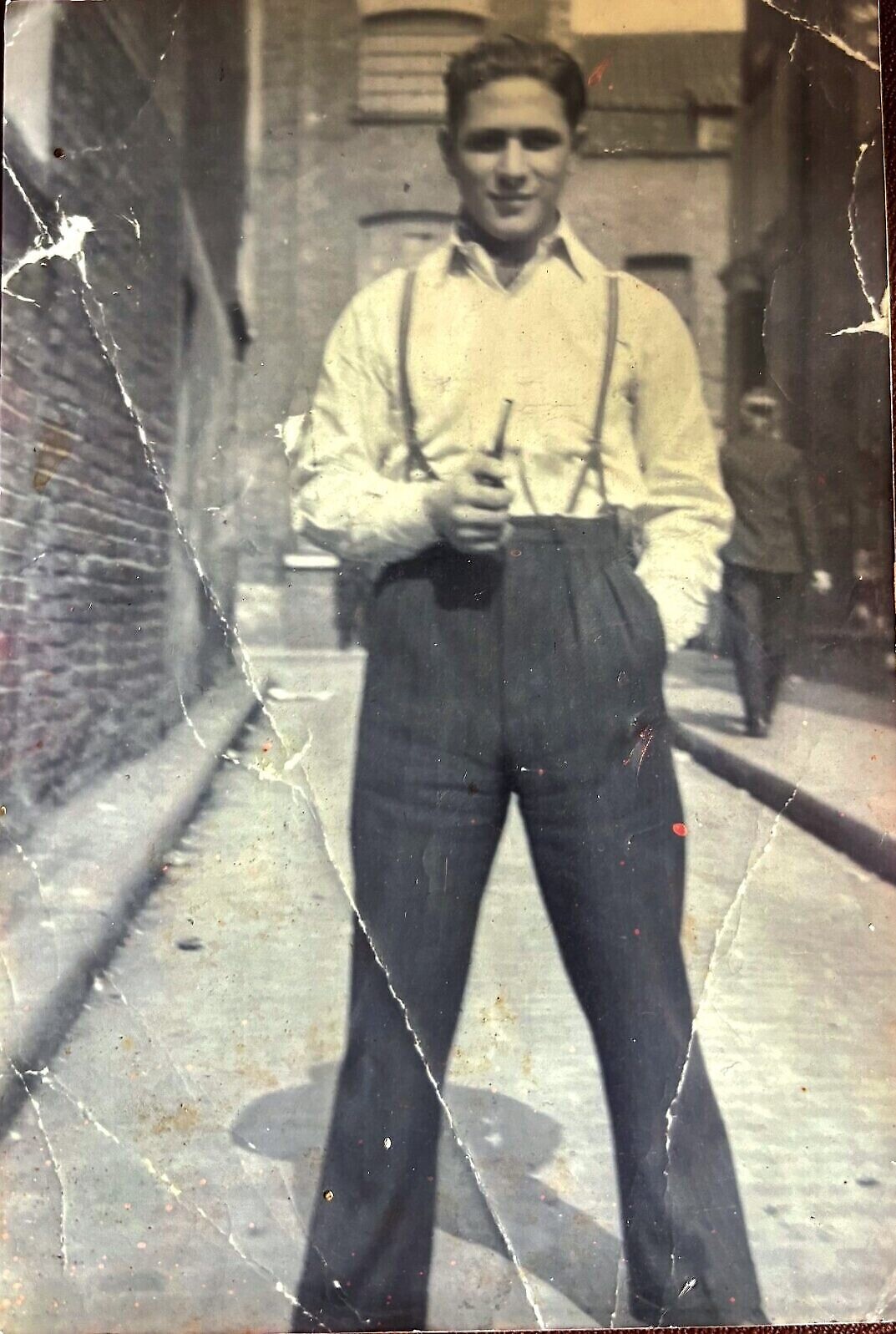
Now, 90 years later, that photograph taken near 100 Cable Street, the home of my great-grandfather Solomon Shapiro means more than it ever did. It has become part of one of the defining stories of British Jewry. Scrolling through the Facebook group Jewish East End, I’ve watched people who have never met rebuild an entire vanished world. They share treasured family photographs, remember the smell of pickled herring and the sound of Yiddish drifting through Whitechapel, and identify the sweet shops, kosher butchers, tailors and doctors’ surgeries that once lined its streets. One memory at a time, they have rebuilt the Jewish East End.
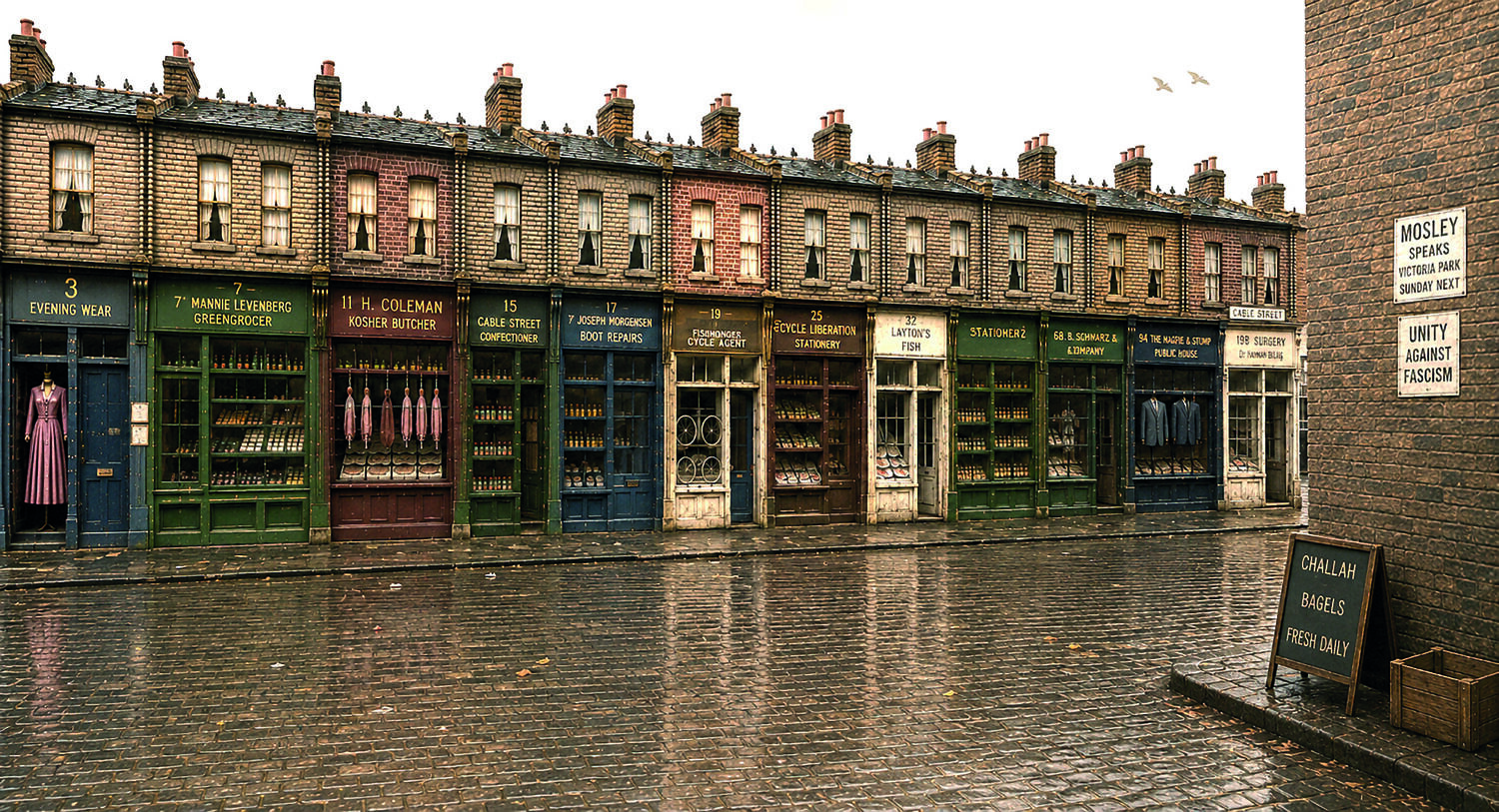
The houses may have disappeared, but the memories remain astonishingly vivid. One person who understands that better than most is film-maker Elliott Leigh.



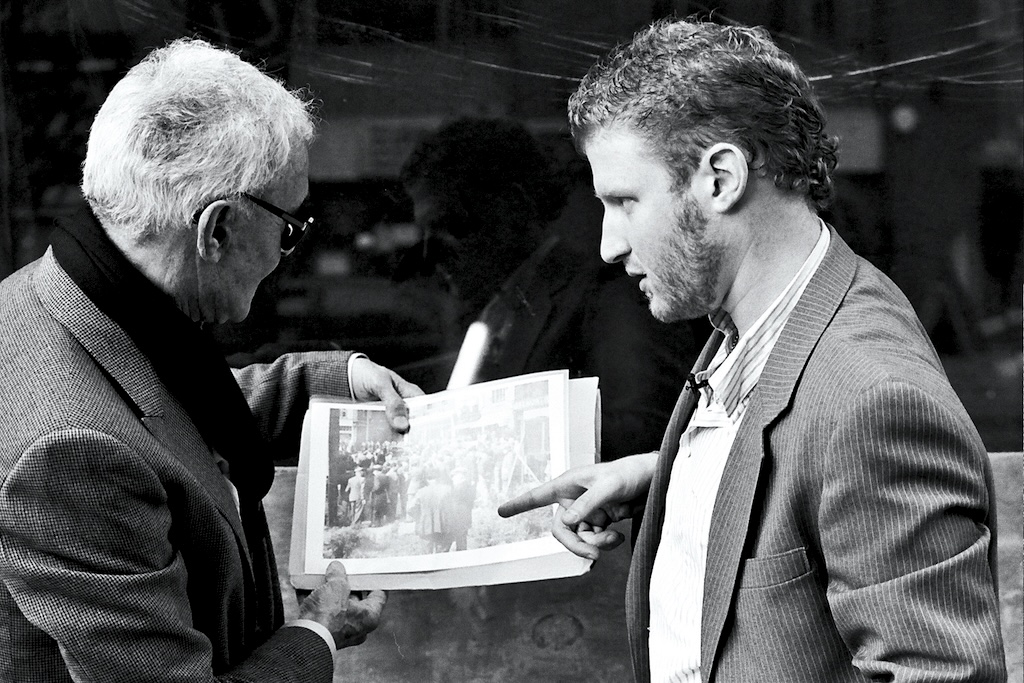
For more than 20 years, Elliott has researched the Jewish East End, recording family histories and interviewing many of the last surviving eyewitnesses to the Battle of Cable Street. His great-grandfather, Harry Coleman, owned the kosher butcher’s shop at 11 Cable Street, which gives his work a personal connection.
“I always felt a huge responsibility to record the voices of my elders,” he tells me. “I sensed that if we didn’t document this story then it would be lost forever.”
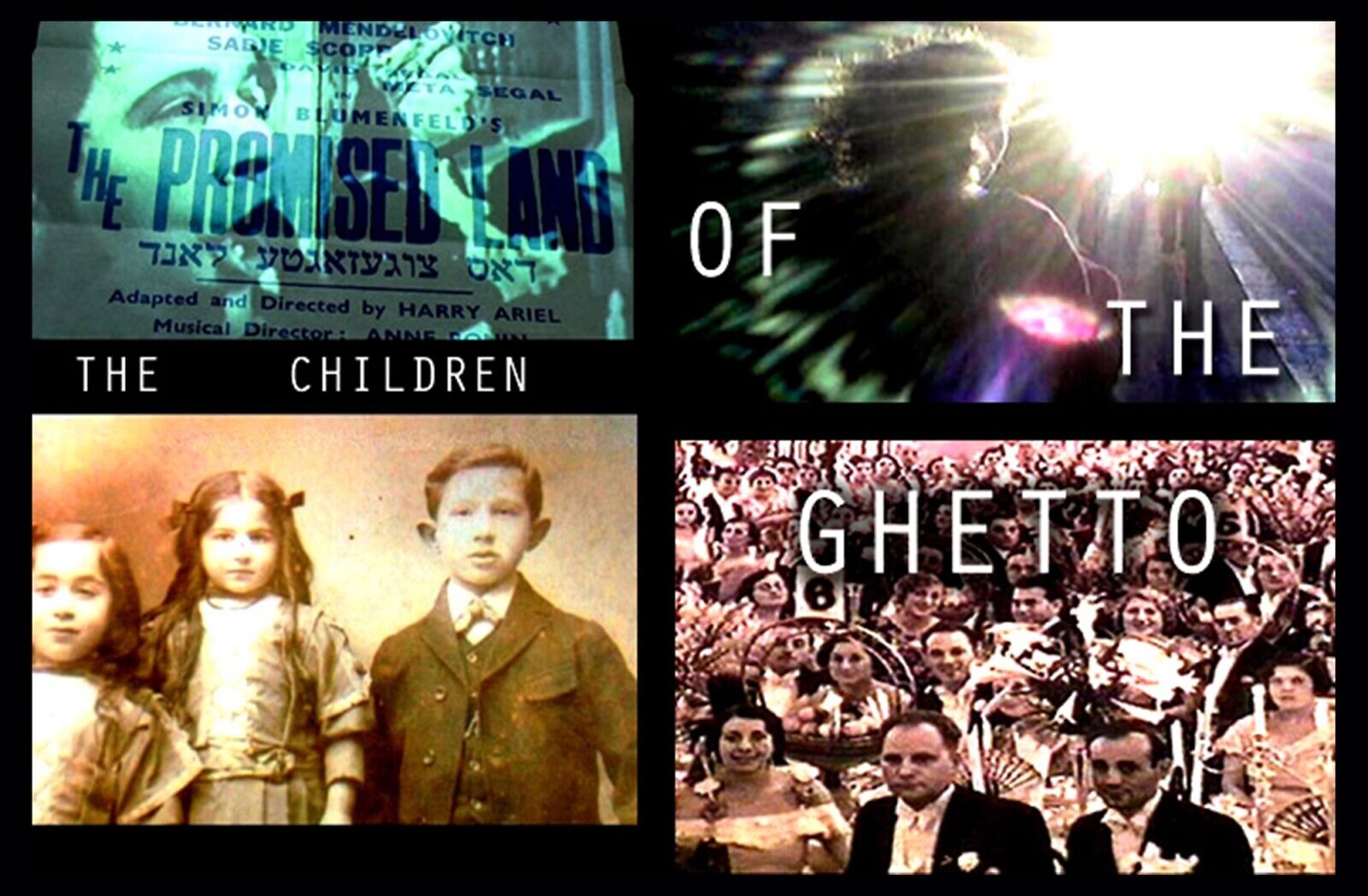
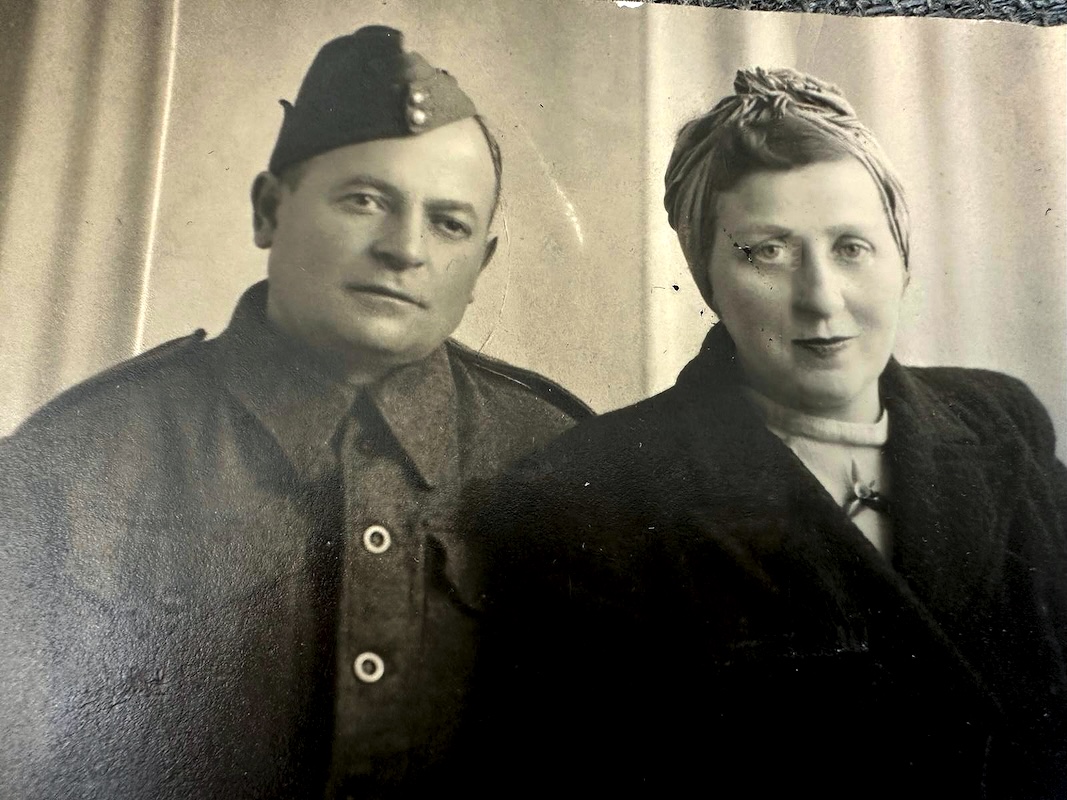
Many of those voices have now fallen silent but, fortunately, Elliott captured them for his documentary The Children of the Ghetto, allowing them to tell the story of that remarkable day in their own words. This includes his 97-year-old grandmother Ruth Coleman, who met her husband Bernie Tucker on Cable Street. “On the day of the battle, my mother Leah put me under her bed to be safe. I was seven.”
To understand why Cable Street still resonates, you have to imagine the East End of 1936. It was one of the largest Jewish communities in the world outside New York. Tens of thousands of families – many having fled persecution in Russia, Poland and Lithuania – had settled around Whitechapel, Stepney and Spitalfields.
Jewish cabinet makers, bakers, fishmongers – market traders – filled almost every street. Elliott believes today’s generation often forgets quite how extraordinary that world was.
“The East End wasn’t simply a place of poverty,” he says. “It was one of the last great transplanted shtetls. It was noisy, argumentative, creative, political and ambitious. Every trader was trying to build a better future for the next generation.”
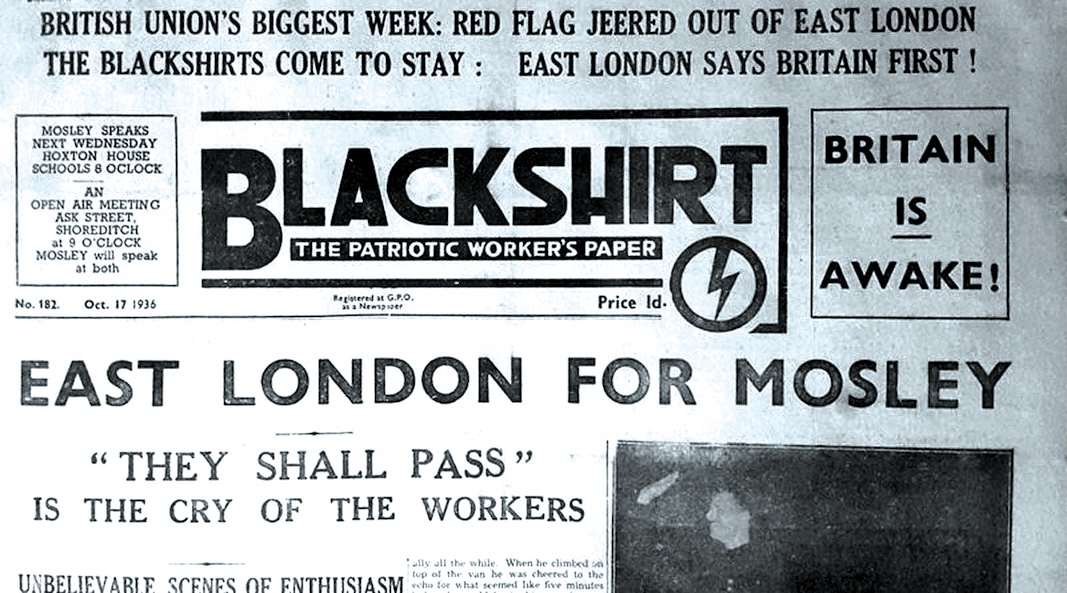 Yet alongside that hope came something darker.Britain was still gripped by depression and antisemitism was becoming increasingly visible.Into that atmosphere stepped Sir Oswald Mosley and his British Union of Fascists, with provocative rallies openly blaming Jews for Britain’s problems.
Among those Elliott interviewed was the late historian Professor Bill Fishman, whose own family knew the East End intimately.
“It was a time, post-1929, of economic distress,” Bill recalled. “Ready-made for a demagogue coming in and saying they are the cause of your trouble – the Jews of the East End. And who came into the breach? Oswald Mosley. It grew into a reign of terror.”
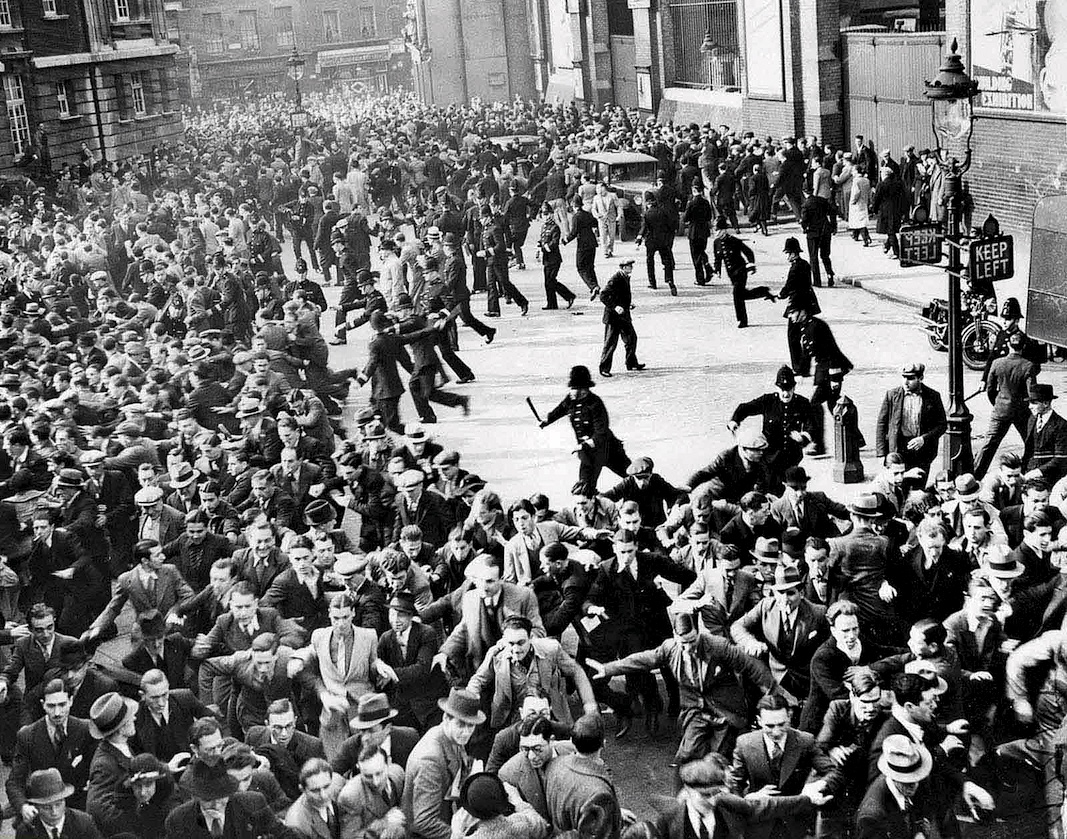
When Mosley announced that 3,000 Blackshirts would
march through Whitechapel, many saw it as a deliberate act
of intimidation. Nearly 100,000 people signed petitions calling for the march to be banned, but the government refused. Instead, thousands of police officers were deployed to clear a route through the East End.
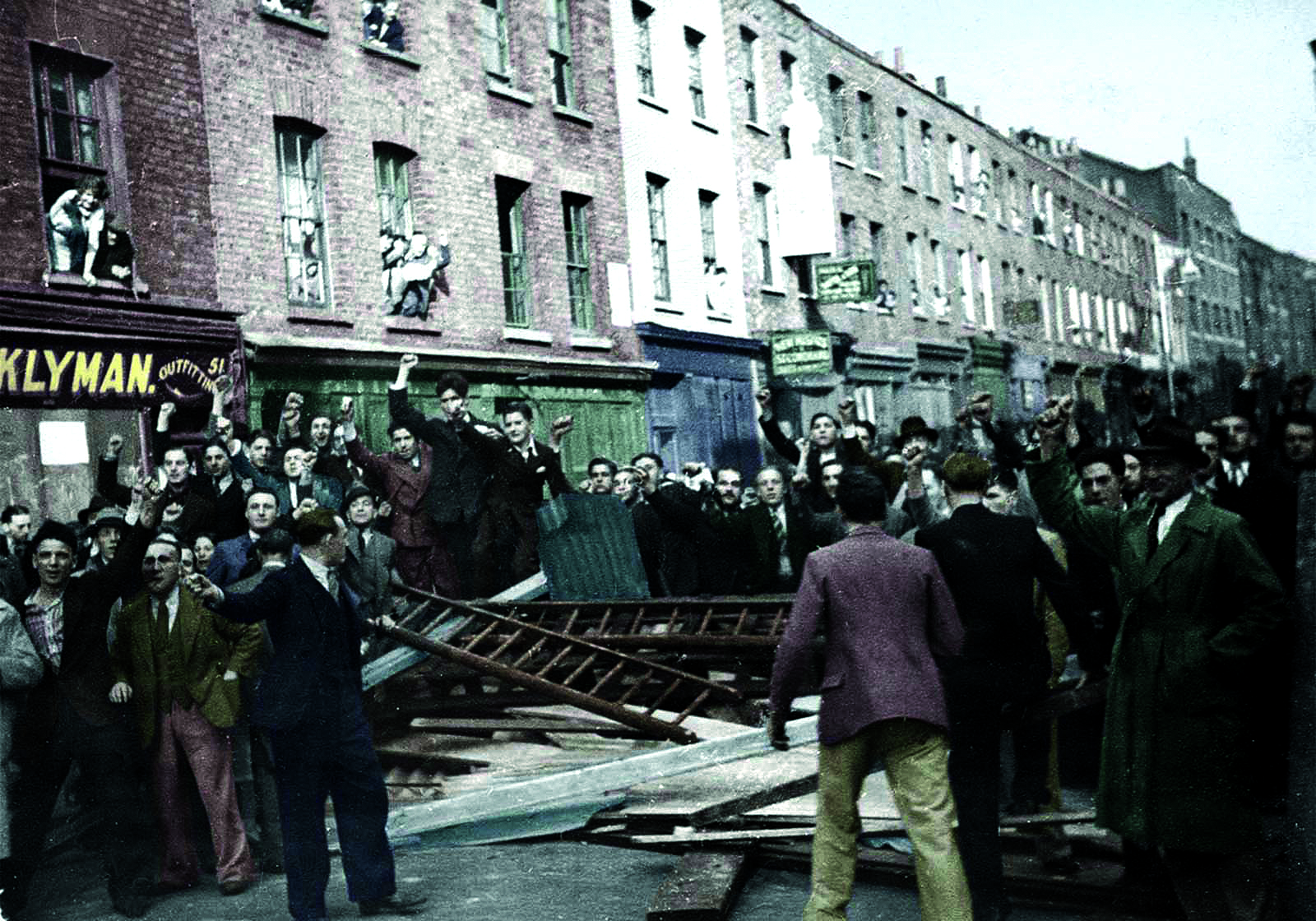
By the morning of Sunday 4 October, residents had made their own decision: Mosley would not pass.
Trade unionists, Irish dockers, socialists, communists, church groups and Jewish families poured into the streets. What united them was not politics but a shared determination to stop fascism marching through their neighbourhood.
As barricades appeared across Cable Street, furniture, market barrows, timber and even an overturned tram were dragged into the road.
Watching from upstairs windows were children who would remember the day for the rest of their lives. Among them was 12-year-old Jack Schwarz. His family lived above B. Schwarz & Company at 68 Cable Street, where his grandfather Benjamin made ladies’ jackets and coats.
“My father saw it all from the bedroom window,” recalls his son David Stanford. Another eyewitness Elliott interviewed was Monty Garson, who never forgot the extraordinary ingenuity of residents. “On some of the roofs were saucepans of hot boiling water and dustbins full of rubbish, so we could throw it down on top of them. That’s the only thing we had to fight back.”
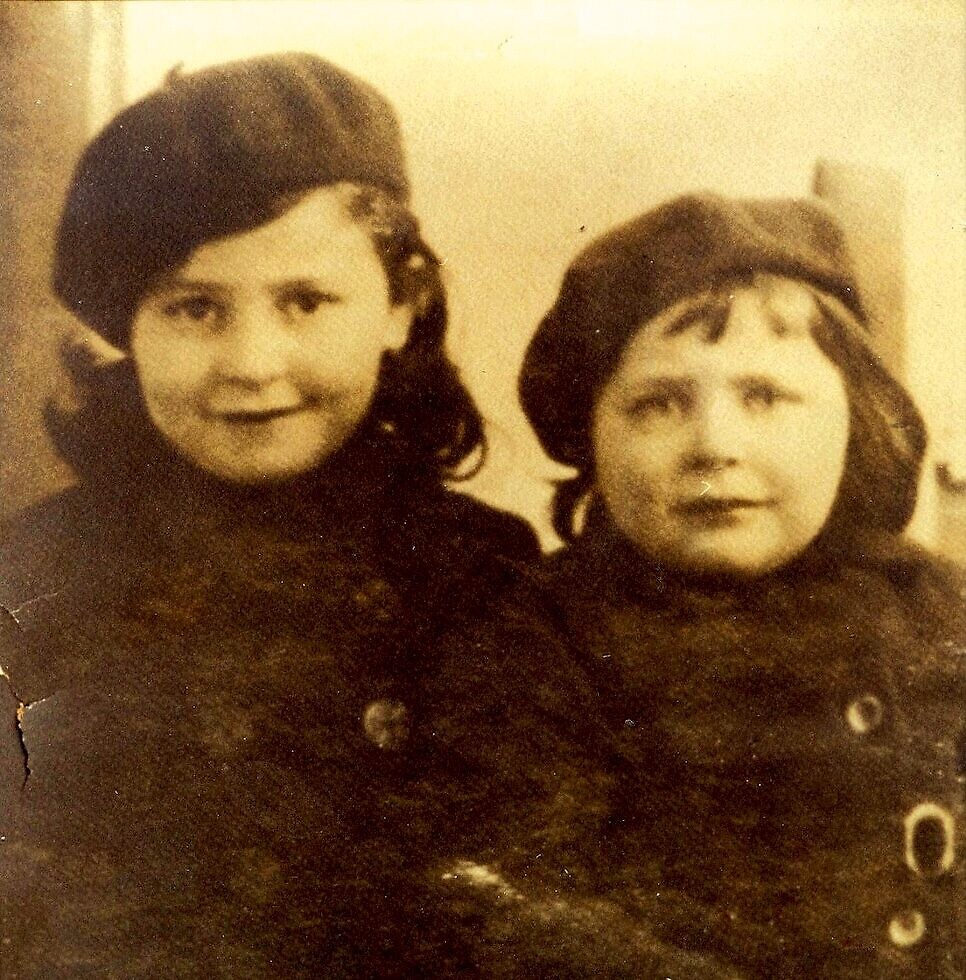
Debby Lee recalls how her grandmother Esther Stockell, who ran a small haberdashery from the family’s home at 73 Cable Street, spent the day throwing marbles and milk bottles onto the cobbles to slow the mounted police. “My mother Frida was four, and her three-year-old sister Rivka hid beneath the kitchen table comforting each other,” she says. “My grandfather Moishe, a Polish-born tailor, went to Gardiner’s Corner to join local men building the barricades.”
The officers on horseback charged the barricades, and violent clashes broke out – not between Jews and fascists, as is often imagined, but between police determined to force a route through the unmovable East Enders.
Among Elliott’s interviewees was Dublin-born Max Levitas, who was the son of Latvian Jewish parents and became one of Britain’s best-known anti-fascist campaigners. As secretary of Mile End’s Young Communist League, he helped to mobilise local people against Mosley’s supporters.
“There was a common understanding among all the people there,” Max recalled. “They were not going to pass through Whitechapel.”
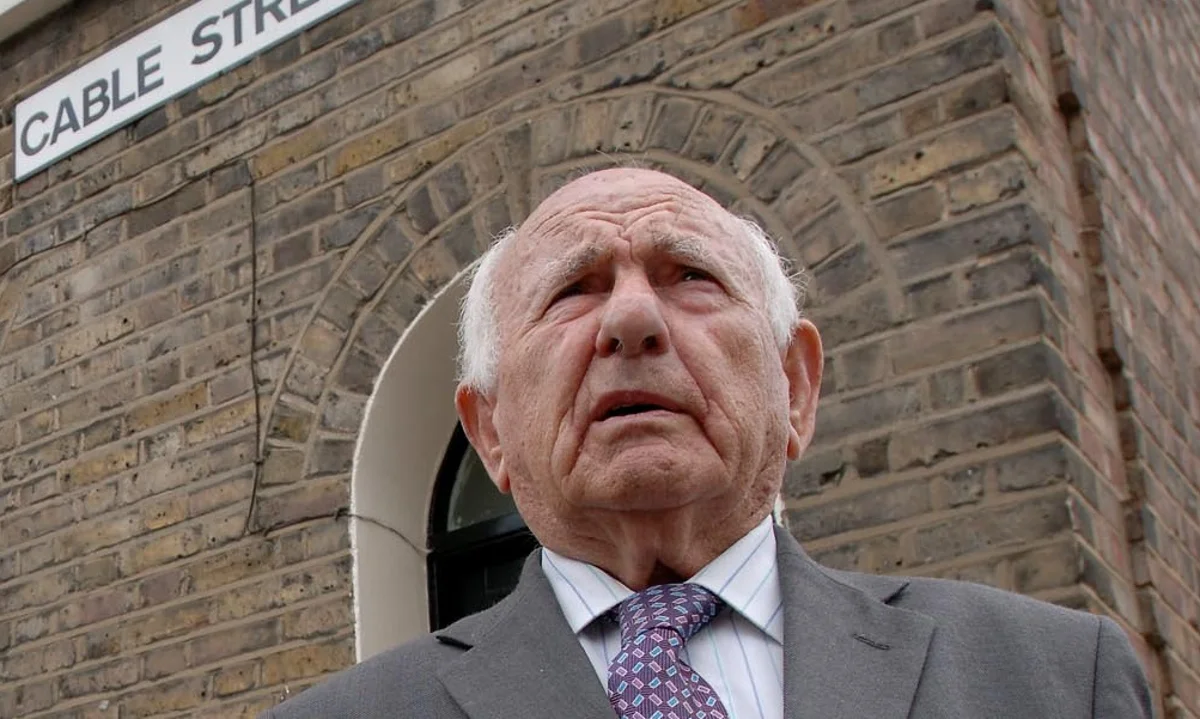
Max never viewed Cable Street as an isolated moment. “This all played a part, well before Cable Street. It was part of the struggle against antisemitism and racism. No such marches of this kind had taken place before in Britain… If the people didn’t protest, the march would have gone on. The only idea in all our minds was that they will not march.”
Eventually the authorities conceded defeat. Mosley’s Blackshirts were ordered away from Whitechapel. The East End had stopped fascism in its tracks. Today, those streets tell a different story. Many of the buildings have disappeared beneath redevelopment, but on the Jewish East End Facebook group those addresses still exist.
Judith Kirwilliam’s grandparents lived at 3 Cable Street – eight doors from Elliott’s great-grandfather’s kosher butcher’s – where her grandfather made ladies’ evening wear. At 15 Cable Street, Jon Daniels’ family ran a sweet shop where neighbourhood children, including my grandmother Annie Beerman and her brother Robert, who walked from Batty Street, spent their pennies before visiting the ravens at the Tower of London.
Perhaps she passed by the home of Sandra Wilson, whose family lived on Cable Street until the building was demolished in 1959. “They had a tailoring workshop at the back. They were the Gilbert Brothers.”
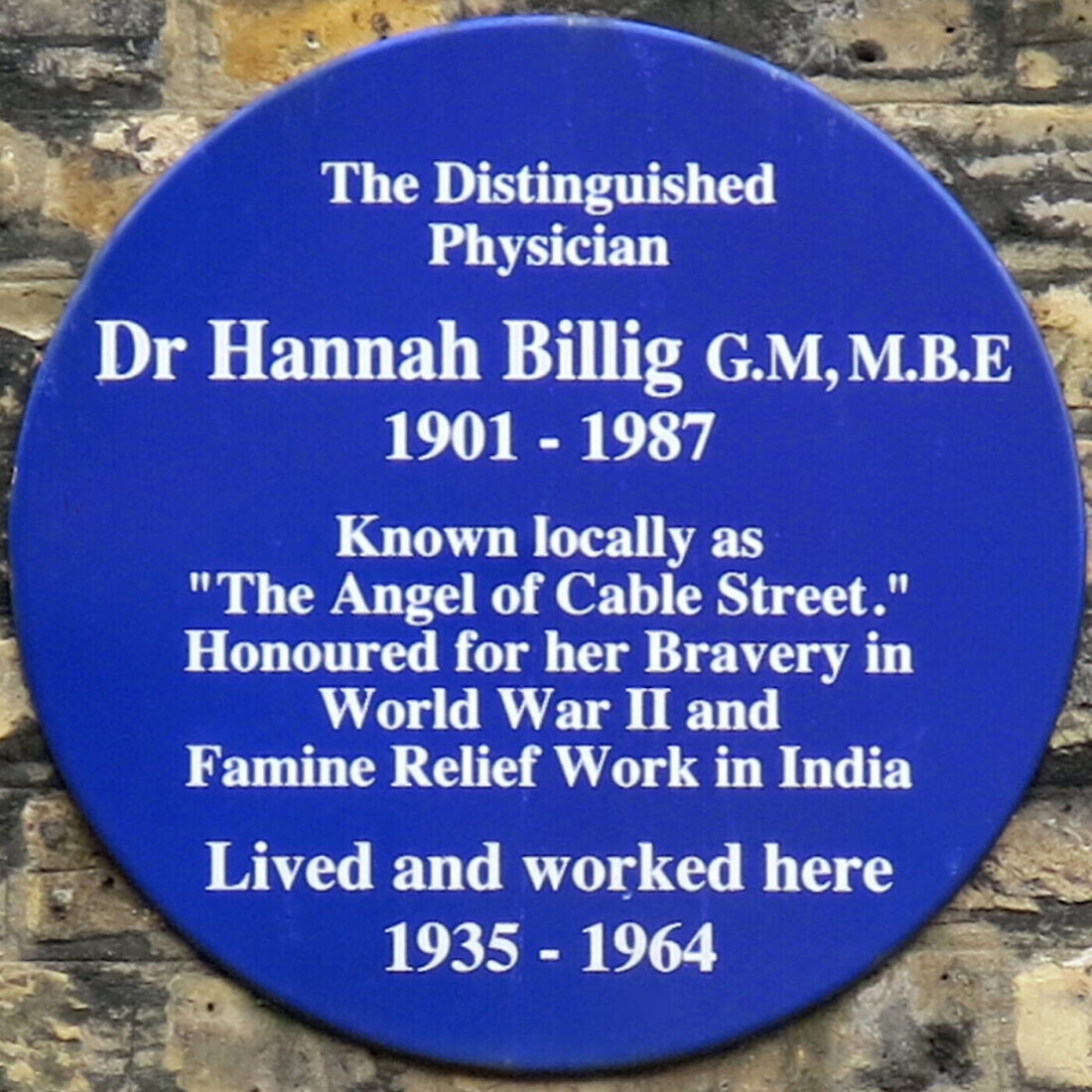 Unusually for the time, The Magpie & Stump at 98 Cable Street remained under Jewish management for decades, ending with Samuel Gimmack in 1936. Conveniently near to the pub at 198 Cable Street lived Dr Hannah Billig, who devoted her life to treating East End families. A Blue Plaque commemorates the pioneering doctor who lived there with her mother and siblings.
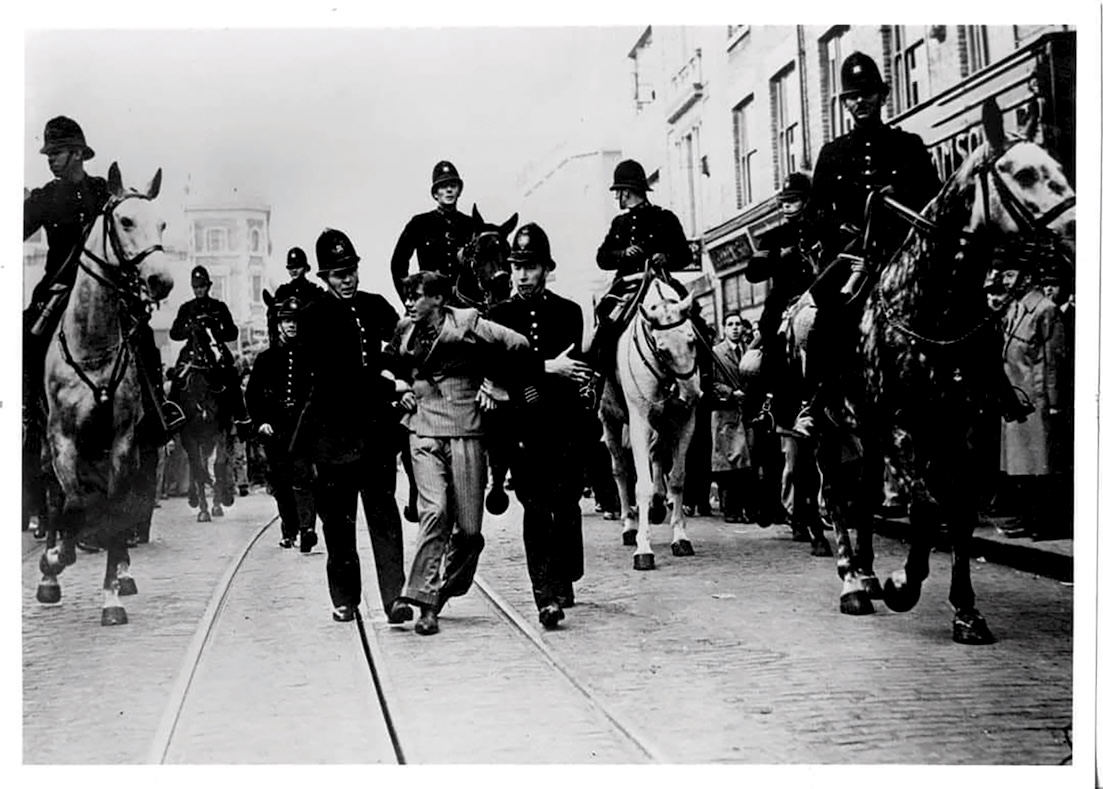
When Vic Rosenthal posted about the Battle on the Facebook group, the photo of the police arresting Charlie Goodman (who was married to Charlie’s half-sister, Joyce) prompted memories from dozens of families. Hazel Shaw said her father Jack Schuckman was also arrested, as was Ronnie Wolman’s uncle, Sid Pitchigofsky – “who came home with a copper’s hat.”
In Elliott’s film the historian, author and AJEX archivist Martin Sugarman argues that the Jewish role in Cable Street has been overshadowed by wider political narratives: “The Jewish voice has been carved out. The Jewish contribution was considered invisible. “ Martin believes the Jewish role in Cable Street continues to be contested.
Unite initially omitted any reference to the Jewish community when announcing the official 90th anniversary commemoration, originally scheduled for Shabbat. After complaints, it revised the wording, acknowledged the march’s antisemitic purpose and moved the event to Sunday 4 October, while the Board of Deputies and Jewish News announced alternative commemorations.
Understandably, Elliott believes preserving Jewish voices has never been more important. “I wanted to put the Jewish East End back on the map,” he says.“Not as nostalgia, but as something living. The story of the Jewish East End isn’t only a Jewish story. It’s Britain’s greatest immigrant success story.”
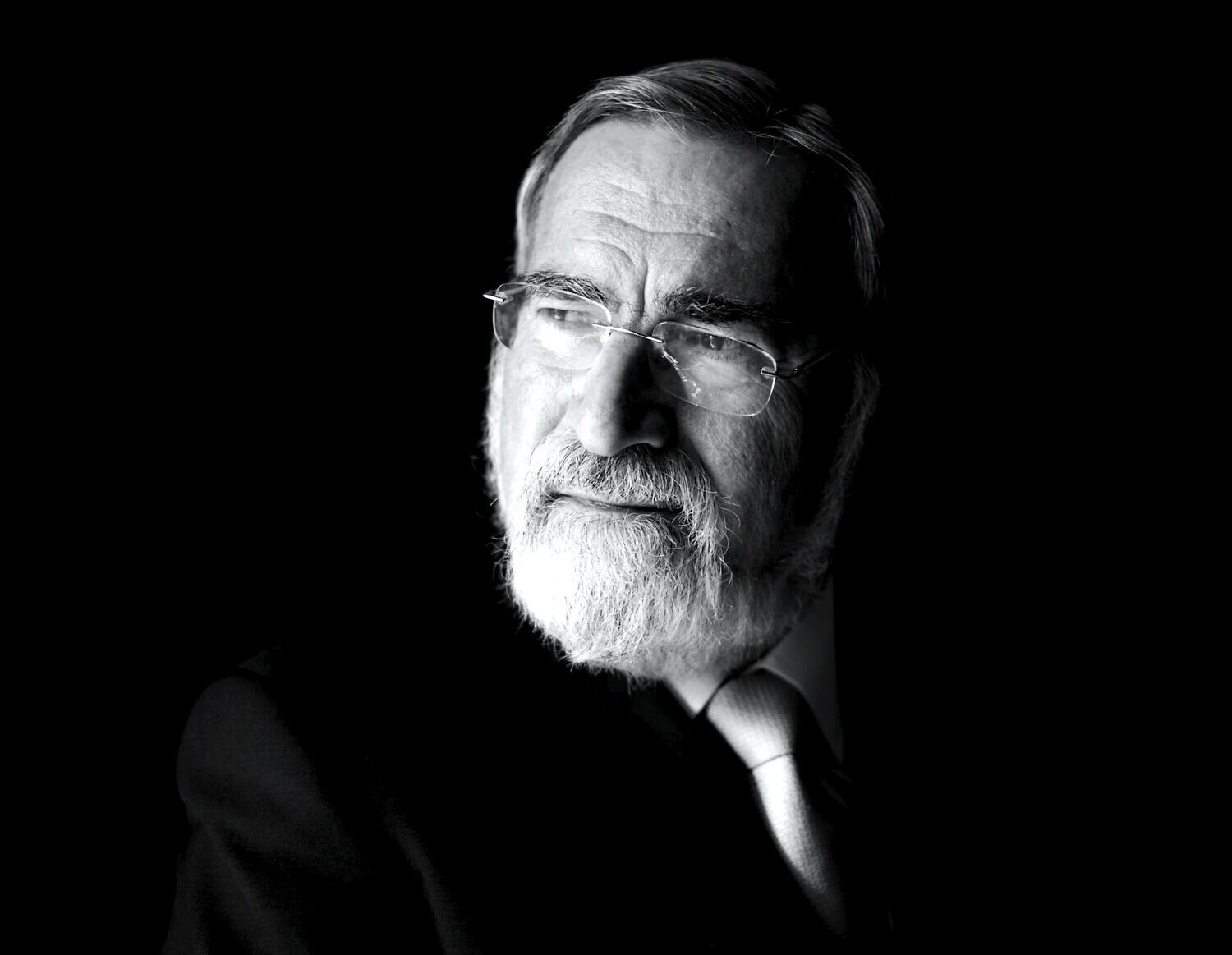
Movingly, in Elliott’s film, the late Chief Rabbi Lord Jonathan Sacks reflected that societies were judged by the willingness of ordinary people to stand up when hatred threatens others. Lord Sacks, who often spoke about the Jewish story as one that stretched “across all continents and 40 centuries”, said the fight against prejudice was never the responsibility of
one community alone – “but of everyone who cherished human dignity”.
Many of Elliott’s eyewitnesses have now passed away. But the affection for E1 of Professor Bill Fishman, Max Levitas, Monty Garson, playwrights Bernard Kops and Arnold Wesker and hairdresser Vidal Sassoon is captured forever. I look again at the photograph of my grandfather, Maurice Shaw – still Maurice Shapiro then –standing proudly on Cable Street before the historic battle he rarely talked about. As Elliott says, “Memory survives in fragments.”
Ninety years after the Battle of Cable Street, those fragments have become something much greater than history. They have become our inheritance.
For a week long roster of Board of Deputy events to mark Cable Street at 90 visit – http://bod.org.uk/cable-street-90
Children of the Ghetto trailer- https://www.youtube.com/watch?v=sGa7j8iBl6s
To contact director Elliott Leigh aleph1workshops@gmail.com

Keep community journalism free.
Jewish News is free for everyone. No paywall. No barriers. Just trusted journalism for anyone who wants to stay connected to Jewish life in Britain.
If you value that, please support us.
From as little as £5 a month, you can help keep our journalism free and accessible to all.
Every day, we report on the issues that matter to our community. We celebrate achievements, support charities, challenge antisemitism and ensure Jewish voices are heard more widely.
From as little as £5 a month, you can help us continue to:
- Report on the stories shaping Jewish life in the UK and beyond
- Bring our community together through shared stories, events and campaigns
- Celebrate the people, culture and moments that define our community
- Support organisations doing vital work across Jewish Britain
You can make a one-off donation or become a regular supporter. Every contribution helps keep our journalism free, independent and accessible to all.
If everyone who values Jewish News gave a small amount, it would make a real difference to our future.