Prefer Jewish News on Google
After a hundred years, Einstein’s question for his university remains
As the British Friends of the Hebrew University mark their centenary, Einstein’s legacy collides with war, artificial intelligence and a changing academic world
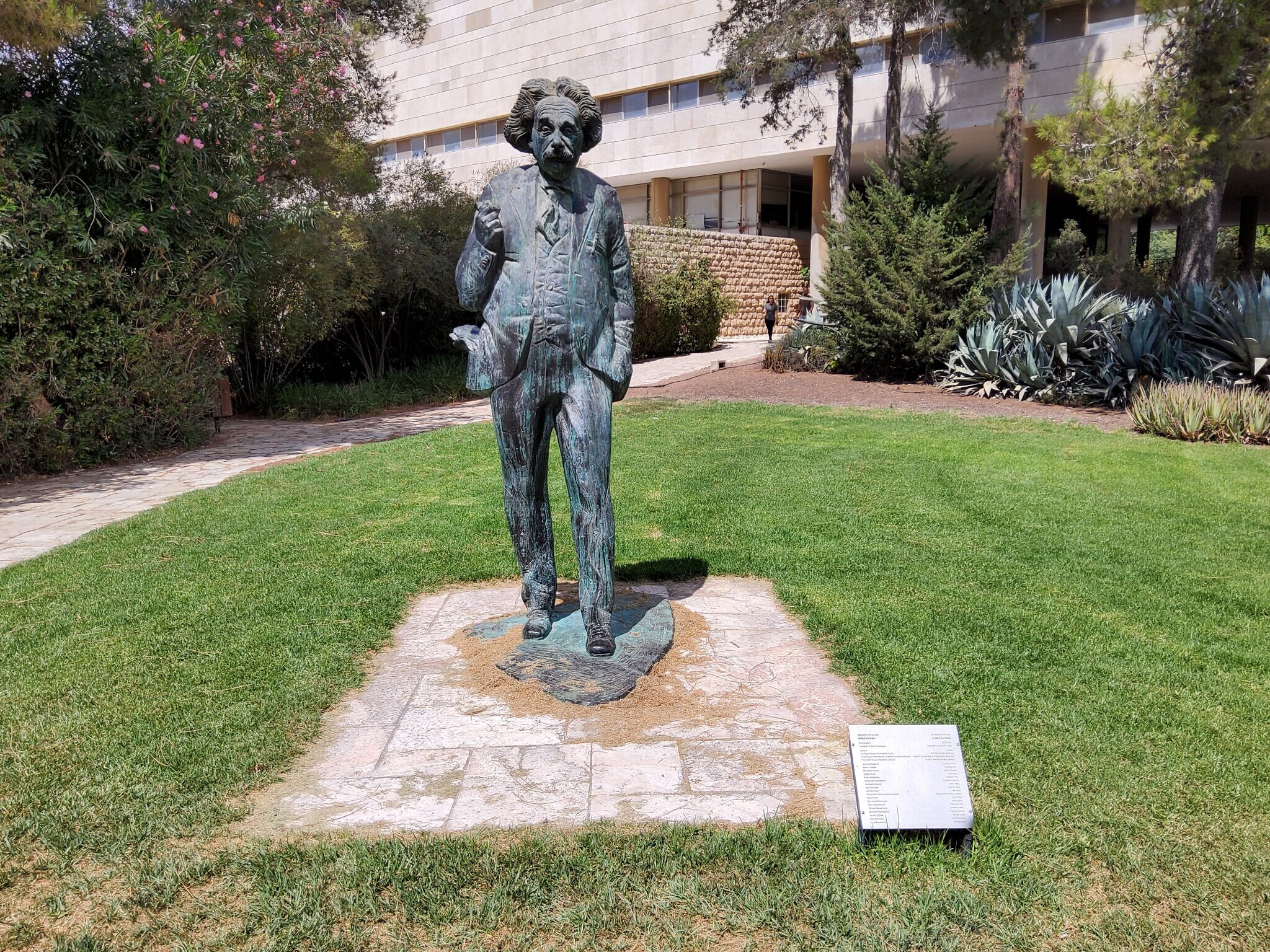
Albert Einstein passed away a few days after the university he had helped imagine reached its 30th anniversary. The institution reached its centennial milestone in 2025; albeit in an atmosphere of war, disruption and uncertainty – something which the 20th century’s most famous mind knew plenty about.
Yet as the British Friends of the Hebrew University (BFHU) mark their own centenary in 2026, Einstein’s association with it feels less like history and more like a question.
What, now, is a university for?
BFHU was founded one year after the Hebrew University itself, binding British Jews to the idea which had been at the forefront of the Jewish experience for almost 2,000 years – that continuity would be sustained not only through refuge or politics, but through scholarship. The University was conceived before a state existed – as an intellectual project first, national infrastructure second.
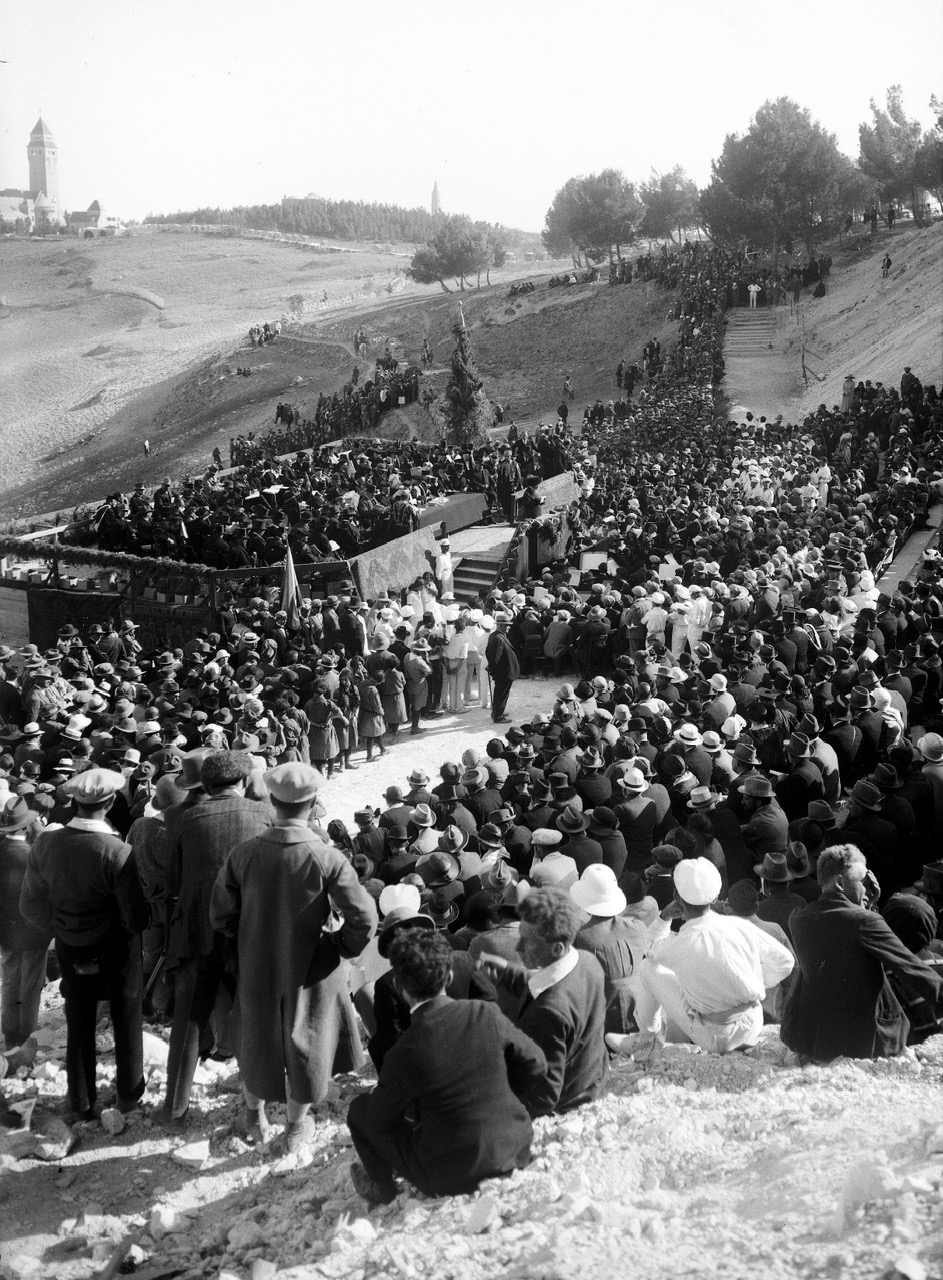
Einstein was central to that vision. In February 1923, two years before the University formally opened, he travelled to Mount Scopus and delivered what is widely regarded as its first scientific lecture. Speaking in French, he apologised briefly in Hebrew for not speaking “the language of his forefathers”, before explaining the general theory of relativity to his audience. It is unknown whether his listeners had more problems deciphering the language or the mathematics.
That, Einstein believed, did not matter. The act itself did.
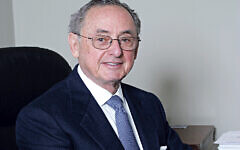
“When he died, he could have left his entire archive to any University in the world,” says Professor Hanoch Gutfreund, physicist, former president of the Hebrew University and long-time custodian of the Albert Einstein Archives. “He left it to the Hebrew University.”
Those archives – tens of thousands of documents, including handwritten equations that reshaped modern physics – are now housed in Jerusalem. But Einstein’s legacy was never meant to be preserved in storage alone. It was meant to be tested.
Today, that test has a name: artificial intelligence.
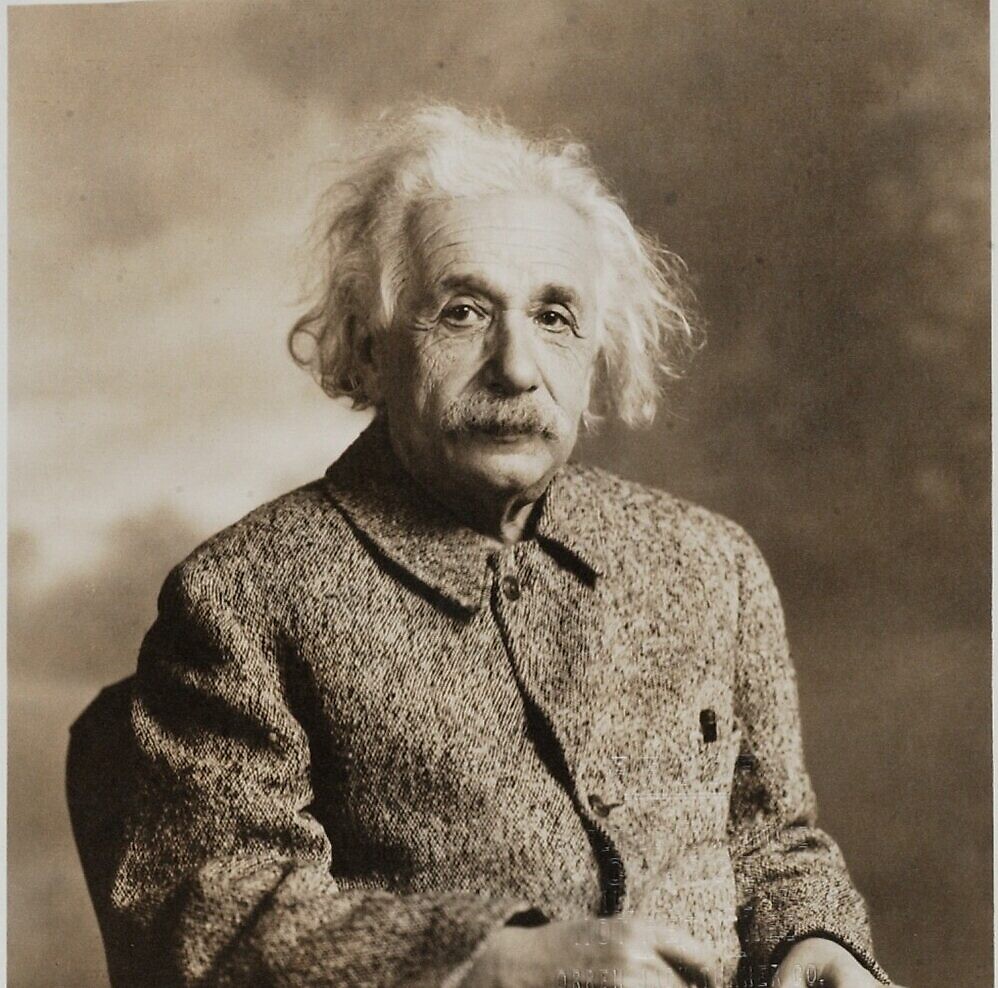
Einstein warned repeatedly that scientific progress could outpace moral responsibility – a warning which became terrifyingly real in his own lifetime, with the creation of the atomic bomb. A century later, however, a new quandary, in the form of AI, has turned that concern into a daily reality for universities: how to pursue discovery when machines increasingly mediate knowledge itself, and when answers are probabilistic rather than certain.
Nowhere does that tension surface more sharply than in medicine.
At the Hebrew University’s Faculty of Medicine, change is no longer theoretical. It is structural, ethical and immediate. Professor Eli Pikarsky, Dean of the Faculty, describes a moment of acceleration without precedent.
“We all understand that medicine is undergoing a huge transformation,” he says. “The pace of change has never been the way it is today.”
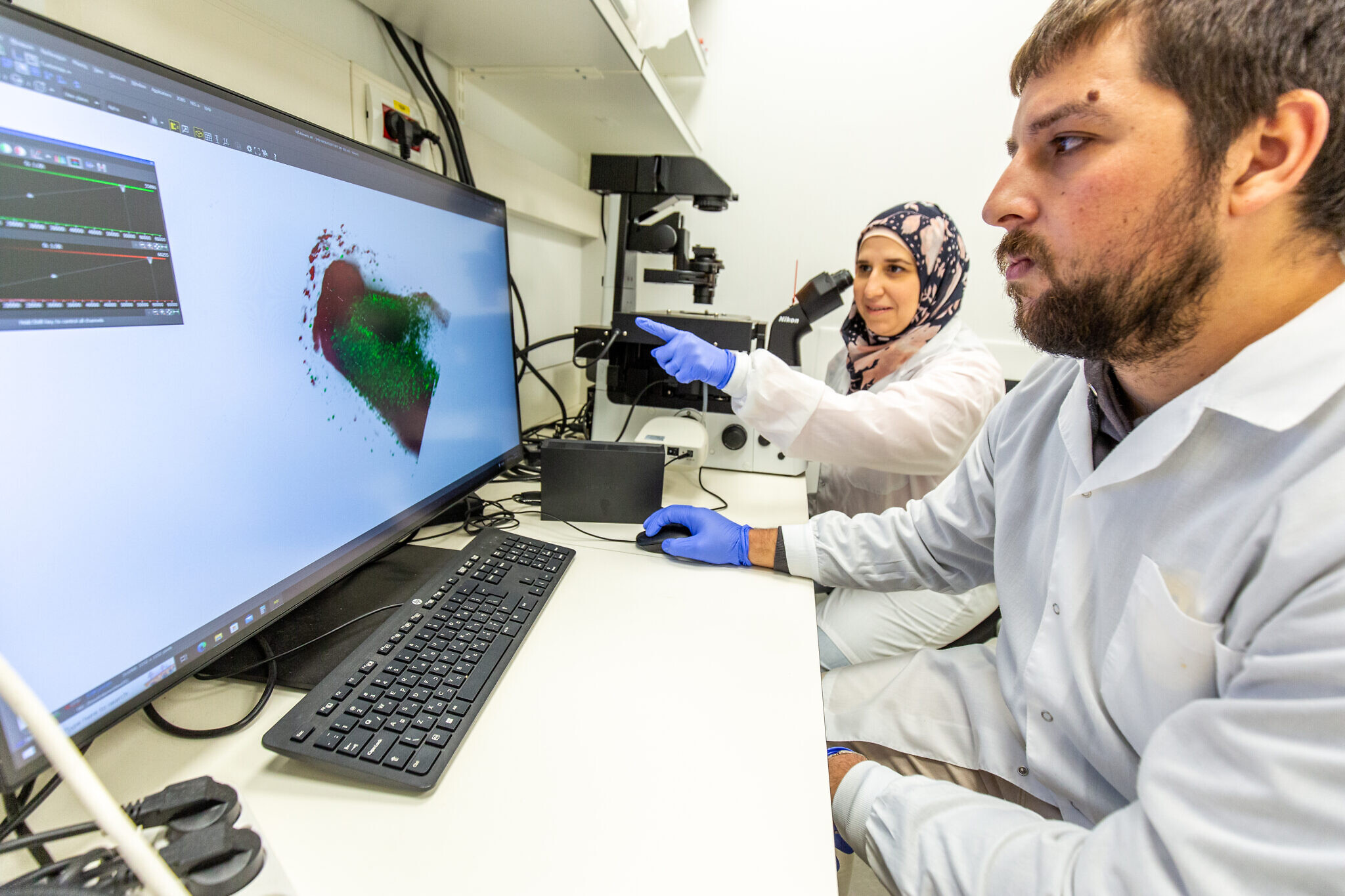
AI, he explains, is altering how disease is detected, how doctors are trained and how decisions are made – raising questions not just of capacity, but of judgement. “Medicine is no longer just about knowledge”, Pikarsky says. “It’s about knowing how to interpret, question and responsibly use what technology gives you.”
That balance between innovation and restraint sits at the heart of Professor Hermona Soreq’s work. A molecular neuroscientist at the Hebrew University, Soreq, recently led research behind one of the world’s first blood tests capable of detecting Parkinson’s disease years before symptoms appear – work that relies heavily on AI-driven analysis of RNA patterns.
“Neurodegenerative diseases today are like cancer was fifty years ago,” she says. “We diagnose them too late, when most of the damage has already been done.”
Early detection, she argues, is not just a scientific breakthrough but a moral one. It creates the possibility of treatment rather than resignation.
Crucially, the discovery emerged from biological signals once dismissed as irrelevant. “Nature doesn’t allow junk,” Soreq says, referring to RNA sequences long overlooked by researchers. “If something exists, it has meaning.”
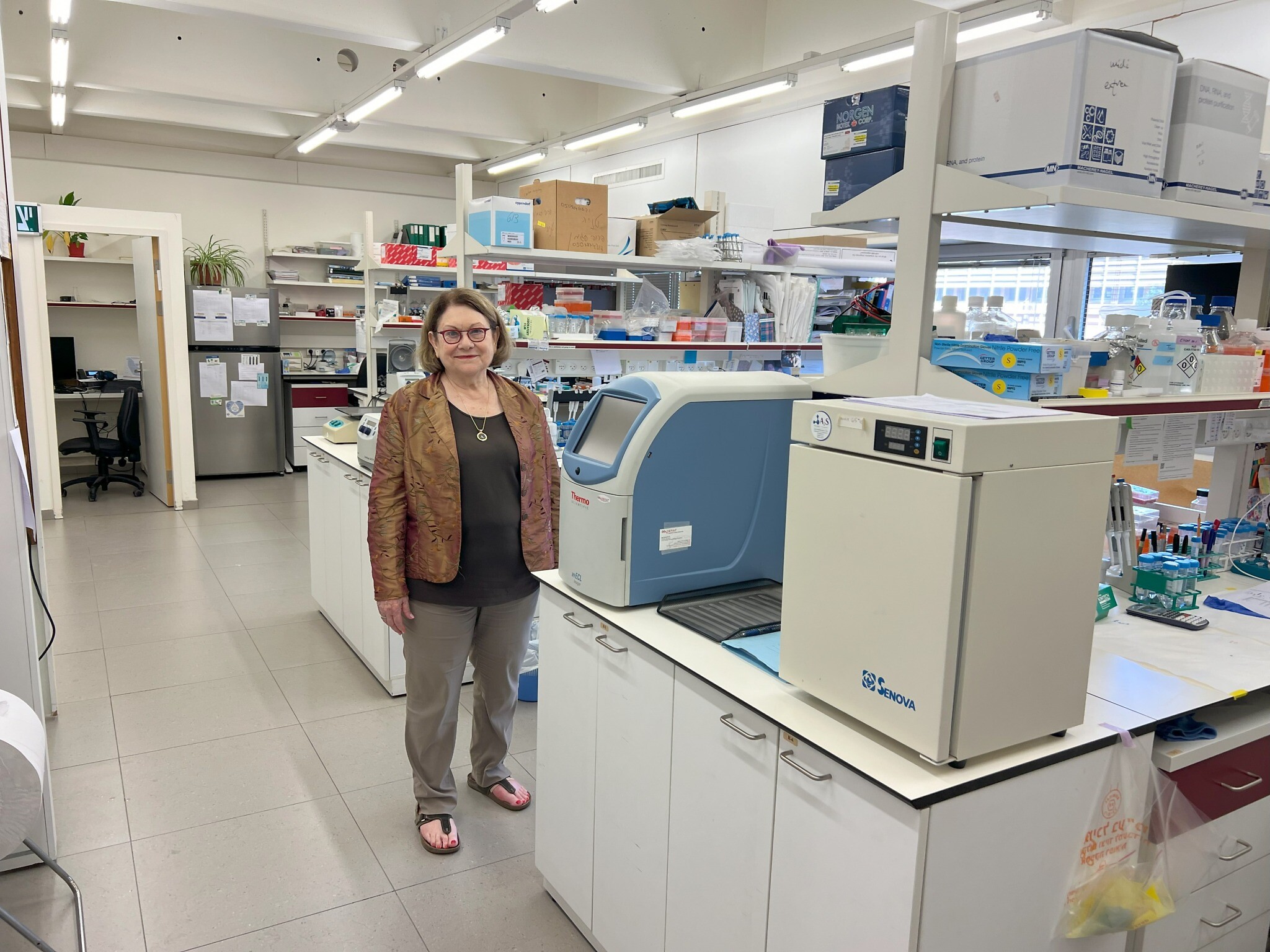
In this case, AI didn’t replace human insight. It amplified it.
Ensuring that such discoveries reach patients requires more than algorithms. It demands protection, patience and translation. That role is played by Yissum, the Hebrew University’s technology transfer company, which is responsible for identifying, protecting and developing intellectual property created by the University’s researchers.
Yissum works at the often-fragile point between academic discovery and real-world application: securing patents, forming partnerships with industry, and guiding early-stage research until it is robust enough to become a therapy, diagnostic or product. It has supported the protection and advancement of Soreq’s Parkinson’s research, helping to move it from laboratory insight towards clinical use without sacrificing academic integrity.
Einstein himself understood the vulnerability of that gap. Before becoming a global scientific figure, he worked as a patent clerk in Switzerland, navigating the uneasy space between theory and practical use.
Under the Hebrew University’s new president, Professor Tamir Sheafer, closing that gap has become a strategic priority. While reaffirming research excellence as the University’s core mission, Sheafer has placed AI at the centre of its future – not as an end in itself, but as a tool that must remain subordinate to human judgement.
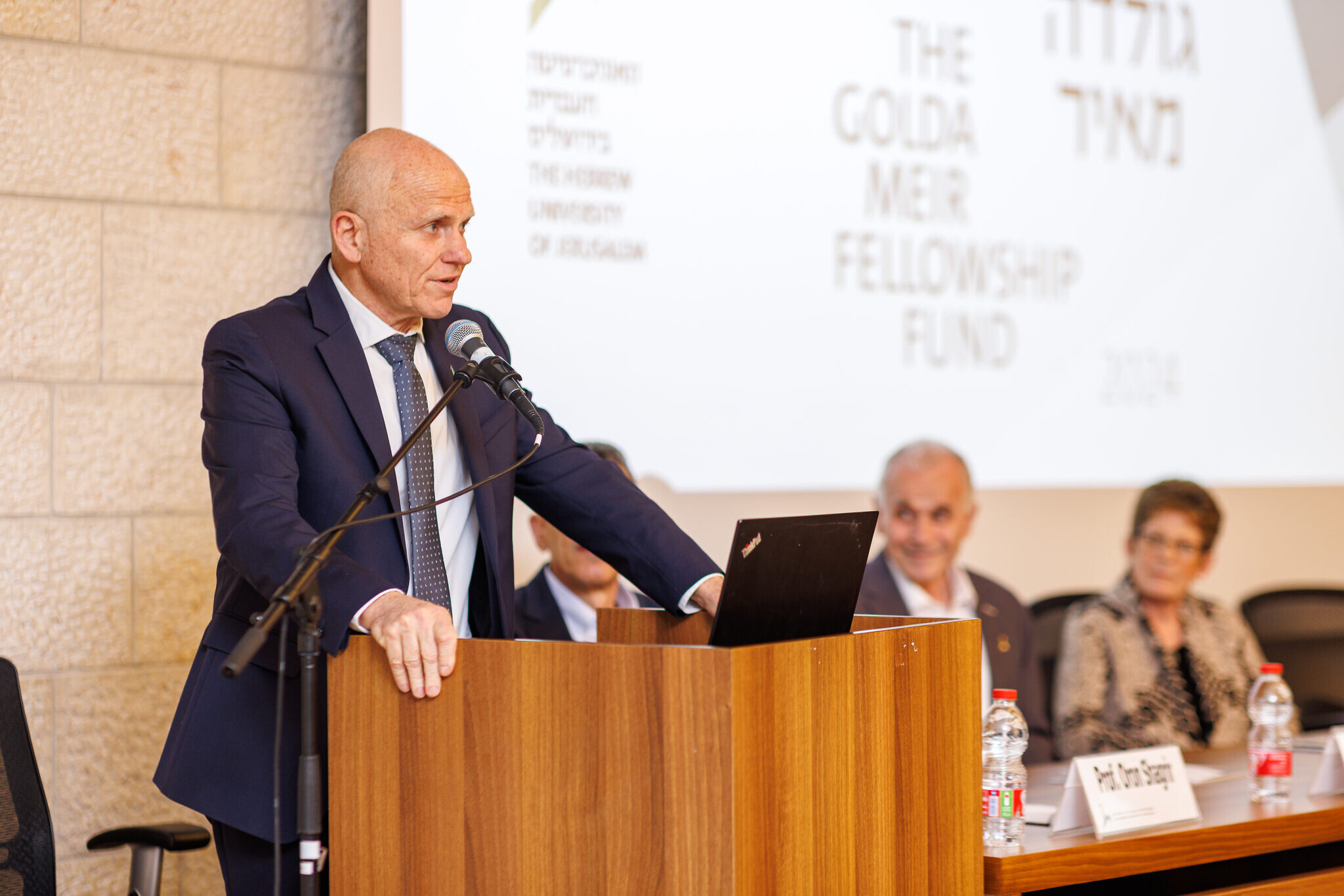
“AI is all over,” he says. “We need to know how to utilise it to improve everything we do.”
That includes medical education, where the University is redesigning training to integrate AI, simulation and robotics, while ensuring that critical thinking is not eroded by automation. Sheafer argues that the same principle must guide the institution more broadly: innovation anchored by responsibility.
The recalibration is equally visible in computer science. Professor Sara Cohen, former Dean of the Faculty, notes that AI has been part of the University’s ethos for decades, but never at this scale. “The challenge now,” she says, “is teaching students how to think when answers are no longer deterministic.”
It is, in other words, Einstein’s demand for independent thought, restated for the probabilistic age.
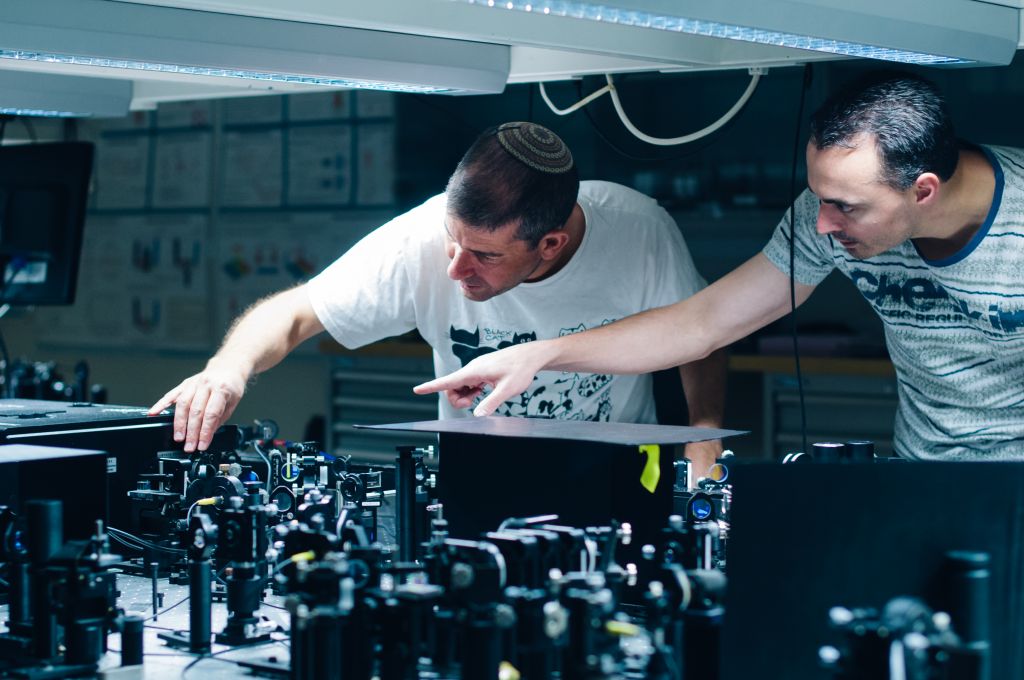
For BFHU, marking a century of support, the task ahead is not simply to commemorate the past, but to help the University meet Einstein’s question in the present. Supporting an institution that places judgment ahead of automation, responsibility ahead of speed, and humanity ahead of certainty may be the most faithful way to continue his work.

Einstein once described his vision for the Hebrew University as “a pluralistic institution, where science and knowledge are developed for the benefit of humankind, in an atmosphere free of discrimination and prejudice”.
A hundred years on, that vision remains unfinished – not because it failed, but because it still demands answering.

Keep community journalism free.
Jewish News is free for everyone. No paywall. No barriers. Just trusted journalism for anyone who wants to stay connected to Jewish life in Britain.
If you value that, please support us.
From as little as £5 a month, you can help keep our journalism free and accessible to all.
Every day, we report on the issues that matter to our community. We celebrate achievements, support charities, challenge antisemitism and ensure Jewish voices are heard more widely.
From as little as £5 a month, you can help us continue to:
- Report on the stories shaping Jewish life in the UK and beyond
- Bring our community together through shared stories, events and campaigns
- Celebrate the people, culture and moments that define our community
- Support organisations doing vital work across Jewish Britain
You can make a one-off donation or become a regular supporter. Every contribution helps keep our journalism free, independent and accessible to all.
If everyone who values Jewish News gave a small amount, it would make a real difference to our future.