Prefer Jewish News on Google

Baghdad opens Jewish museum dedicated to a people legally shut out of it
With only a handful of Jews remaining in Iraq, critics call it 'a display of Jewish absence rather than a restoration of Jewish presence'
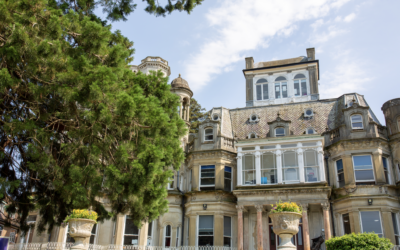
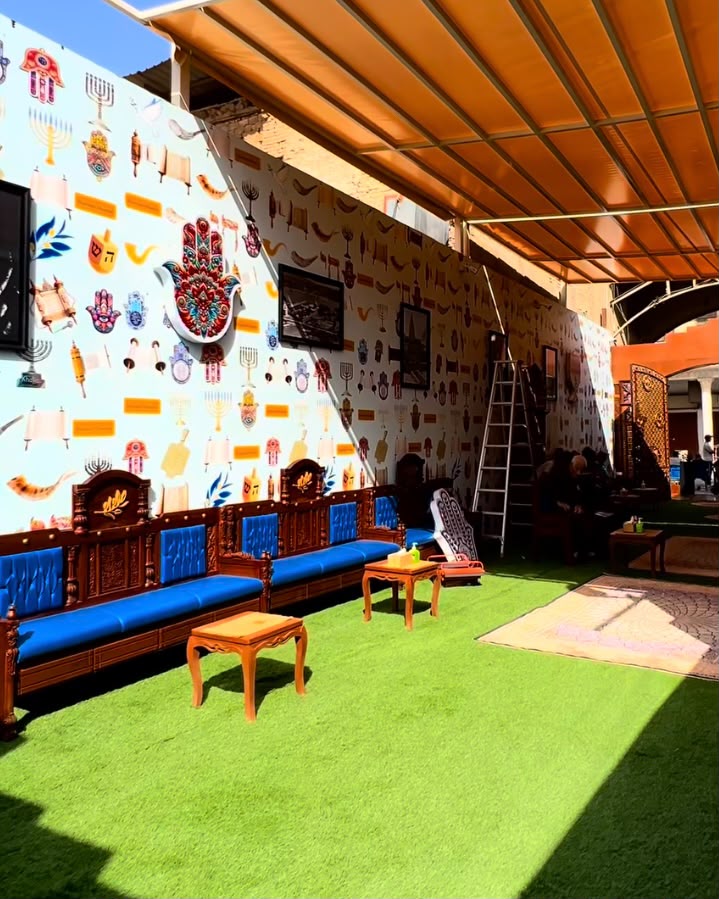
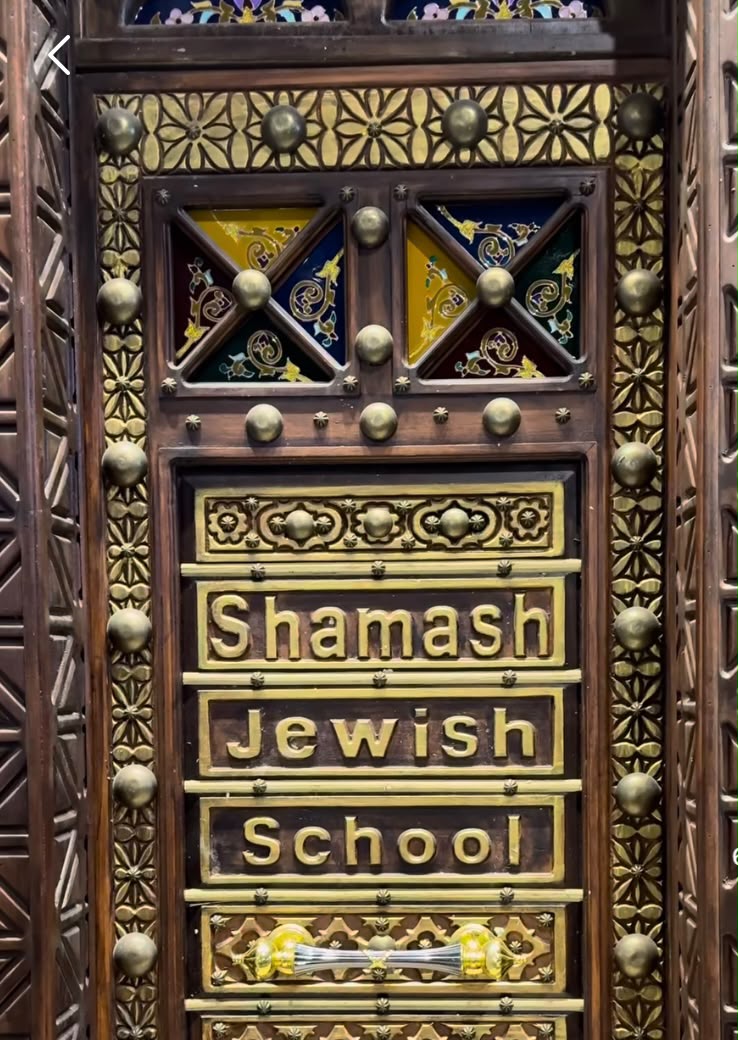
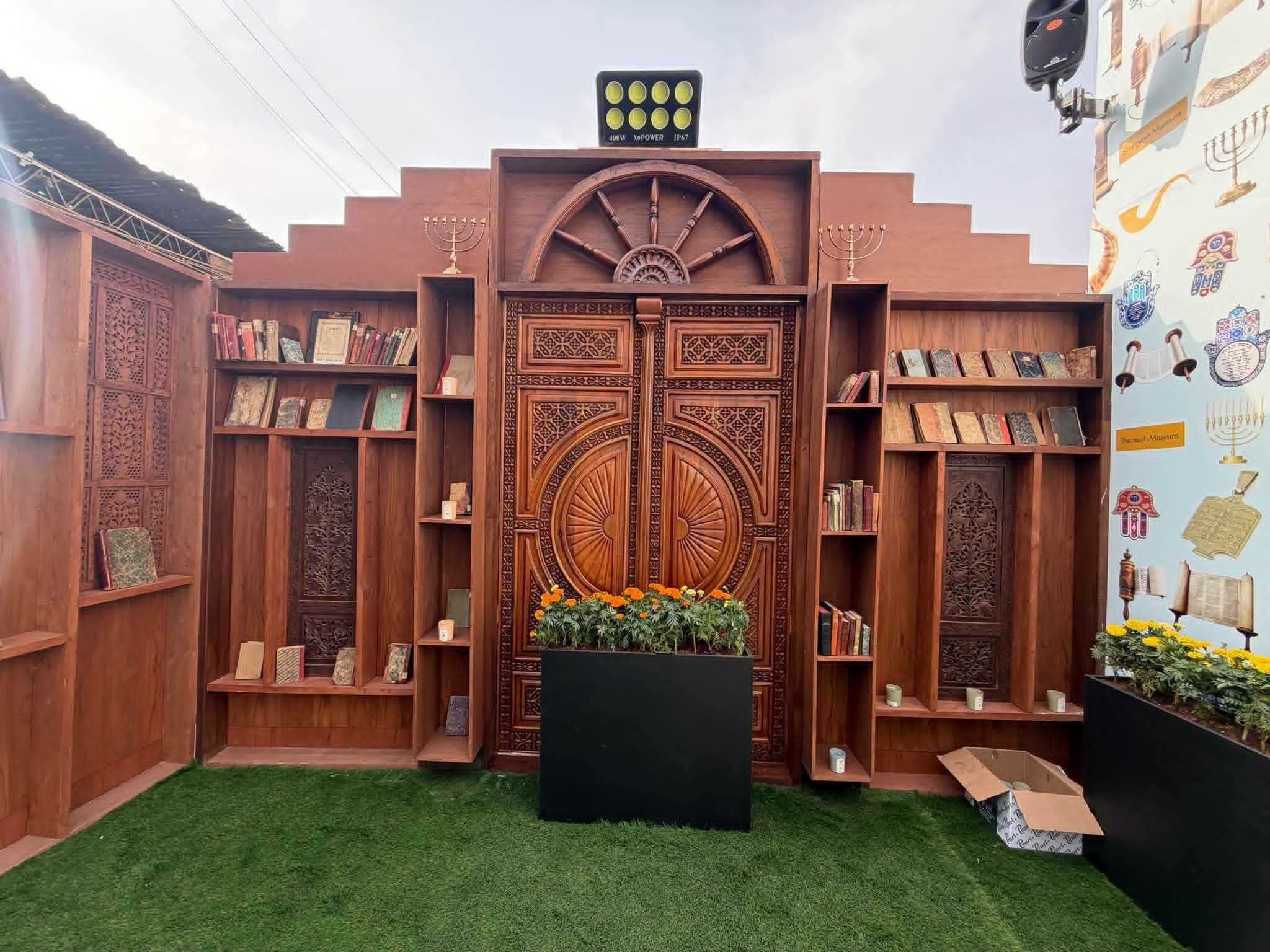
Families of Iraqi Jews forced to flee the country are expressing cynicism at the opening of Baghdad’s first Jewish museum, the only one in the country, based out of the city’s restored Shamash Jewish School, originally founded in 1928.
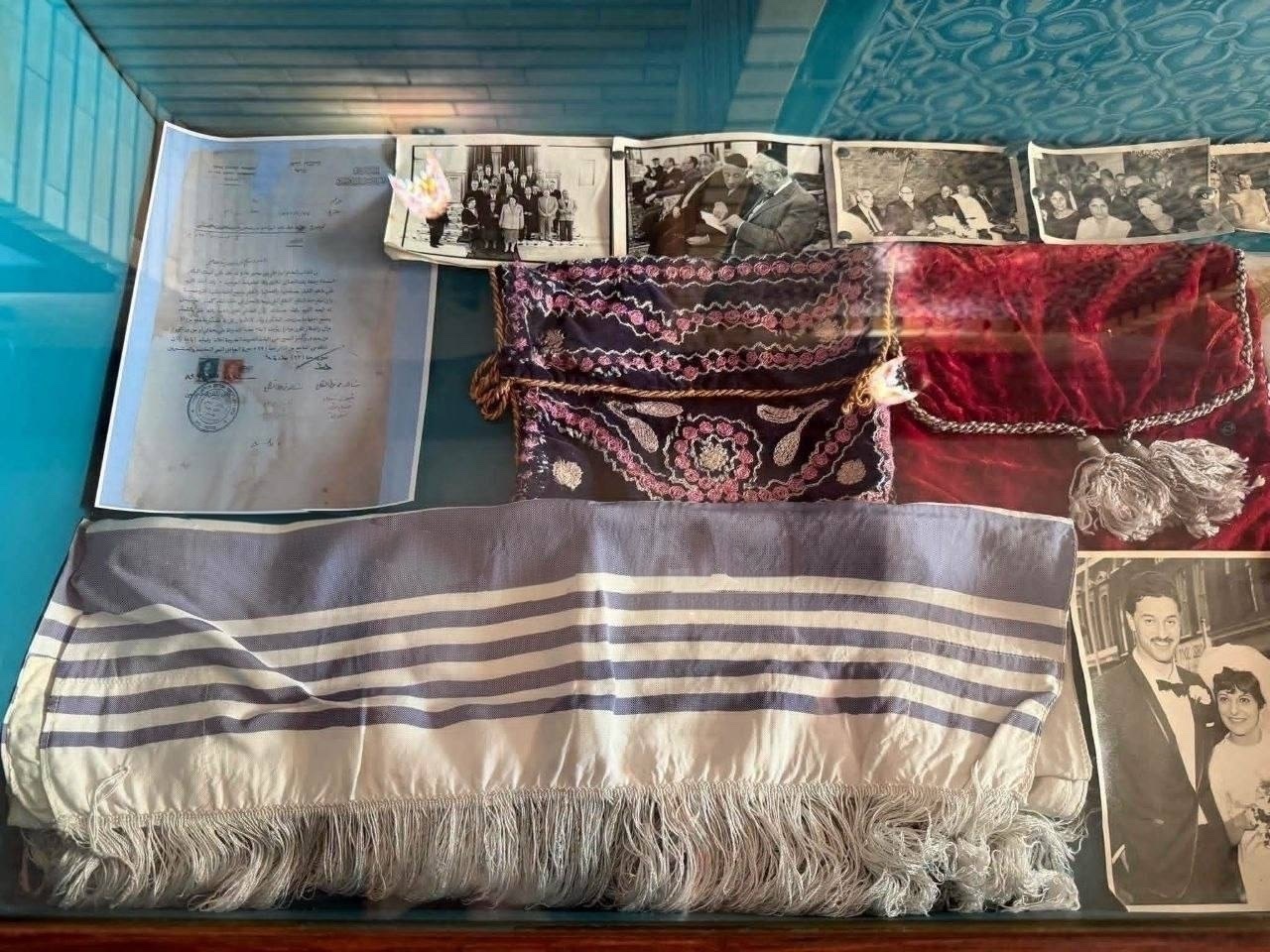
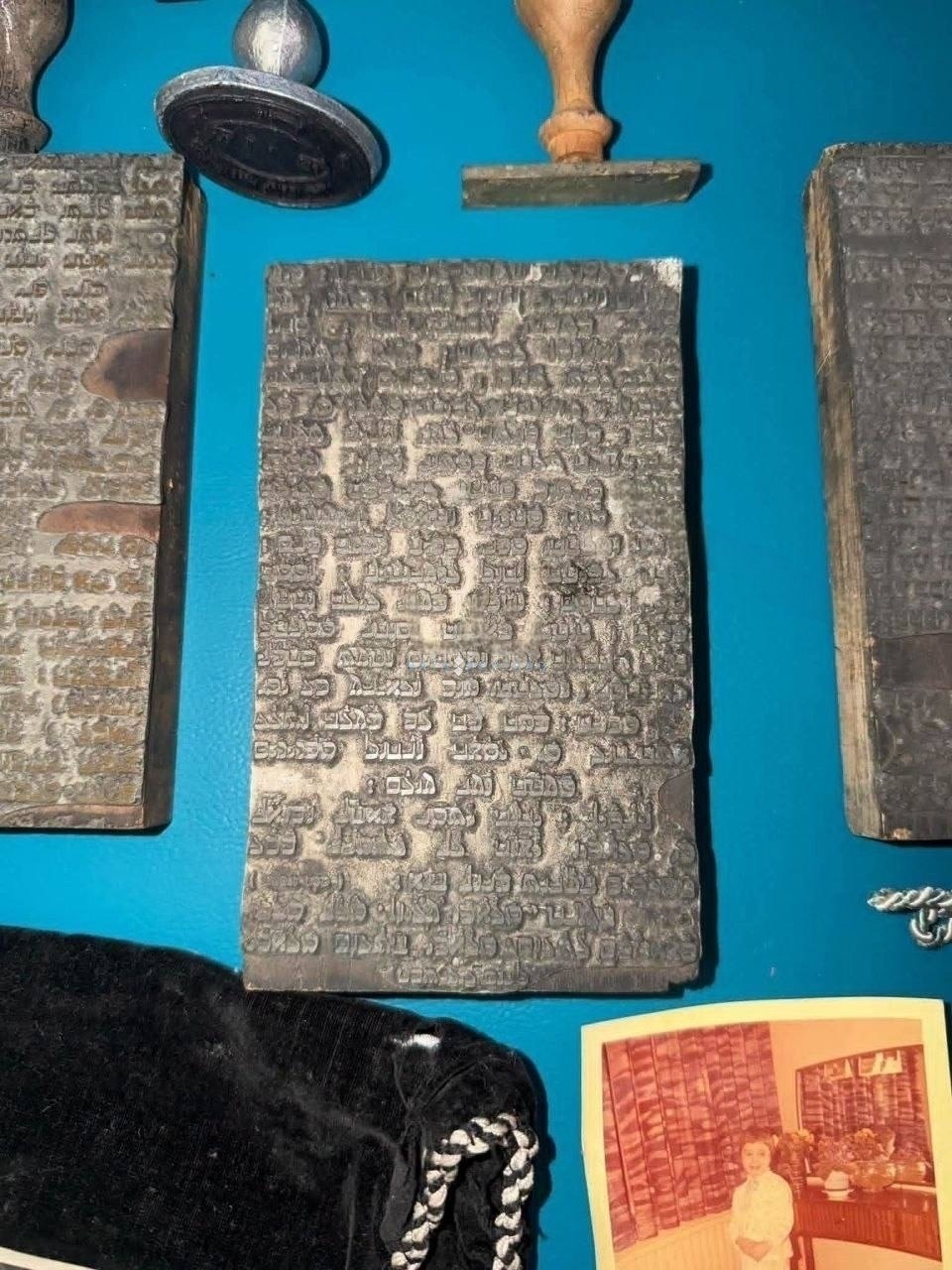
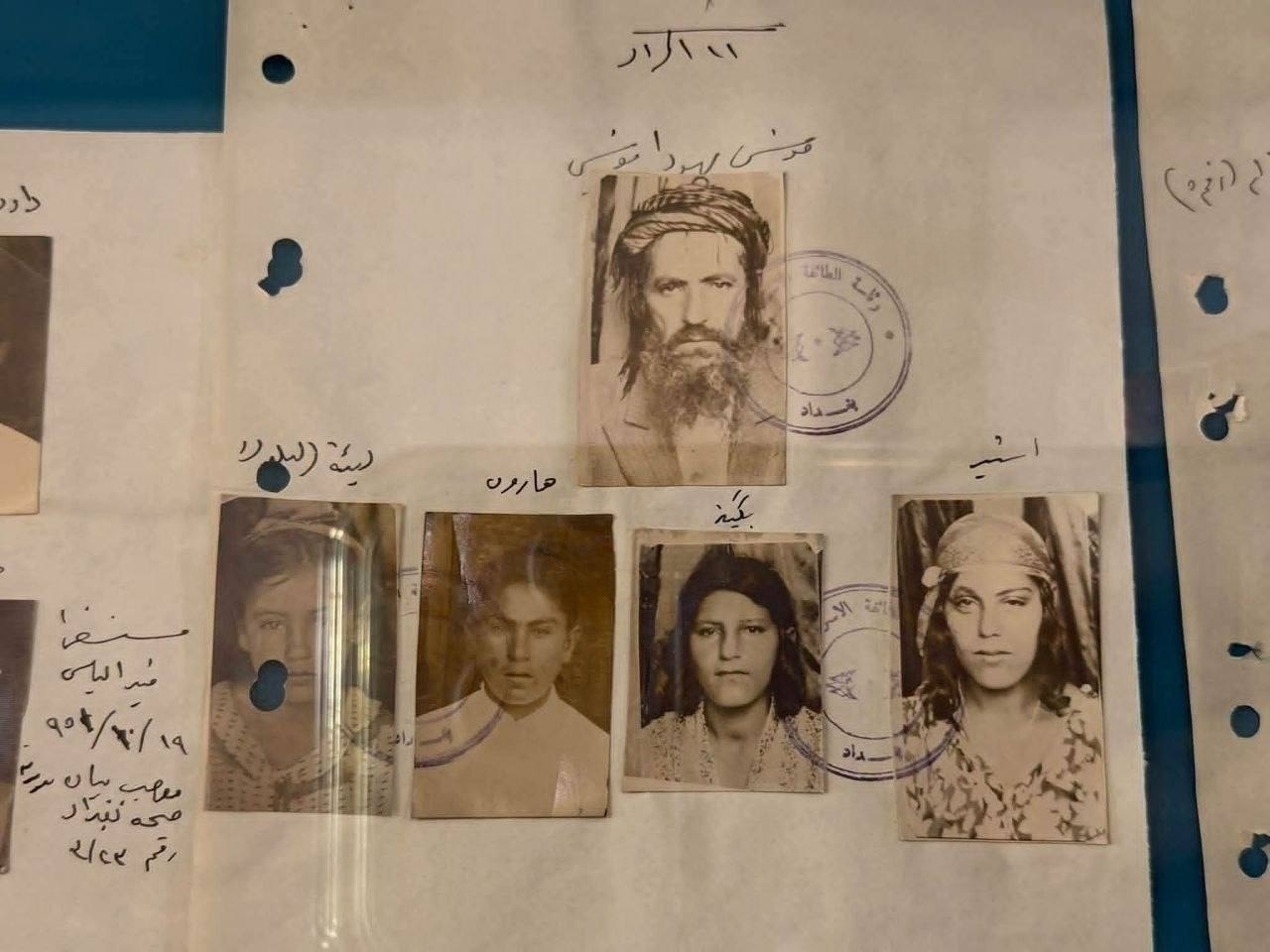
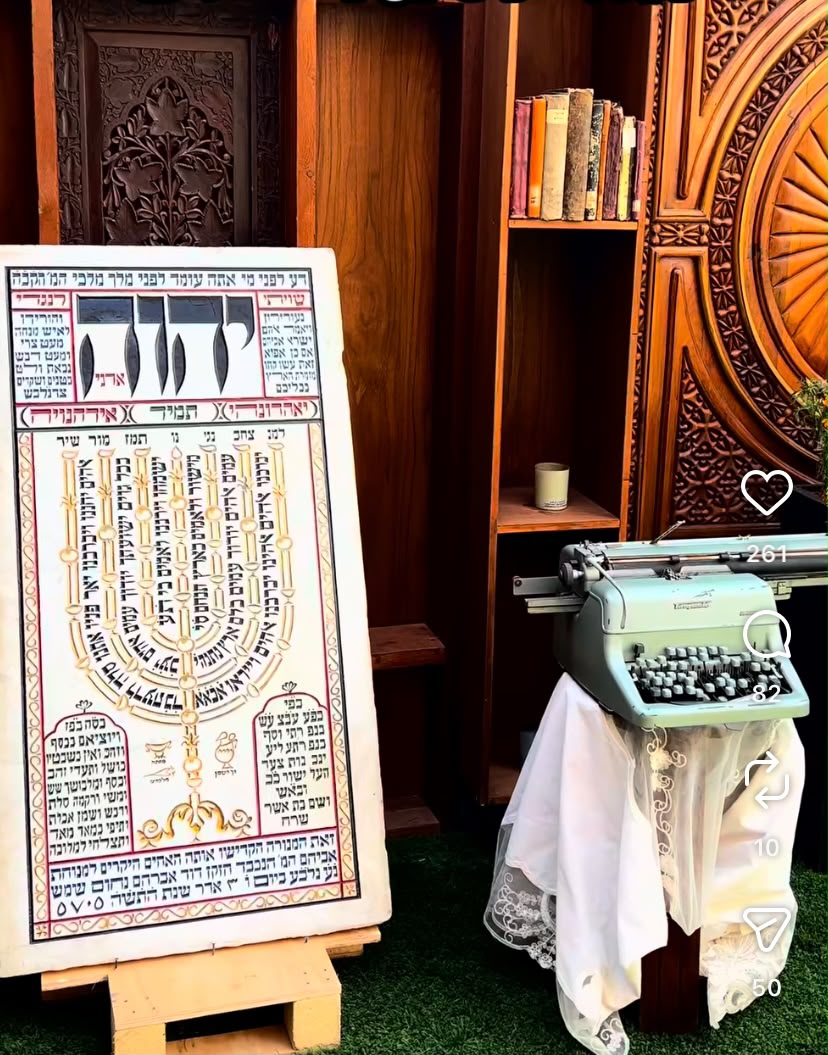
Showcasing religious artifacts, memorabilia, official documents and old school records belonging to families and students who lived in Baghdad, as well as personal belongings such as family photographs, traditional clothing and household utensils from Iraq’s once-thriving Jewish community, the museum on Al-Rashid Street welcomed more than 1,000 visitors on its first day, 22 October, the majority of whom were not Jewish.
By 1939, the former school had 900 students but the government confiscated the property in the 1970s and converted it into a public school. A court ruling returned it to the community in 1992.
Tracing its history back 2,600 years, the Jewish community in Iraq was once one of the largest in the Middle East, numbering more than 130,000 people in the 1940s.
But today, only a handful of Jewish residents remain, most of them in the Kurdistan region, and between four and six Jews in Baghdad. Less than 50 synagogues and Jewish sites remain in Iraq, most of them in Baghdad and Hilla, the capital of Babylon Province, to which large numbers of Jews were forcibly taken in what became known as the Babylonian Captivity in the sixth century BCE.

In 1941, the collapse of a temporary Iraqi-Arab pro-Nazi regime after defeat by the British led to a power vacuum during which a massacre, known as the Farhud, took place in Baghdad, in which mobs killed more than 100 Iraqi Jews. Between 1950 and 1951, around 120,000 Iraqi Jews left for the newly established State of Israel, in Operation Ezra and Nehemiah.
A law passed by the Iraqi government in 2022 makes it illegal to have any contact with Israeli citizens or engage with a “Zionist” inside or outside the country, with punishments including imprisonment and death.
Edwin Shuker, a prominent member of the Iraqi Jewish community in the UK, vice-president of the Board of Deputies of British Jews is one of a number of Iraqi refugees scattered across the world.
In 2019 and again in 2023, at great personal risk, he visited the Sassoon synagogue as part of international efforts to save the last surviving synagogue in Mosul. Today he told Jewish News: “The ethnic cleansing by the Iraqi authorities has decimated the number of Jews to two individuals with no access for the rest of us to the shrines of our prophets or cemeteries. It is unclear what message the authorities wish to convey at this time with this gesture.”
A report in the Jerusalem Post suggests that a woman named Khalida Elyahu is the head of Iraq’s Jewish community. A dentist at a health centre in Baghdad, she serves as the chairwoman of the Administrative Committee for Iraqi Jews, a legally recognized body founded in 1958, which administers the Jewish community’s remaining financial affairs, including communal property and religious endowments.
According to local Arabic-language Iraqi media, the restoration of the original Shamash School building was also made possible thanks to the same committee.
However, in a conflicting statement, JIMENA (Jews Indigenous to the Middle East and North Africa), a US nonprofit focused on the Mizrahi and Sephardic Jews, said it had met with “Iraqis leading this preservation work” earlier in October, the implication being that these are non-Jewish Iraqis.
JIMENA said that while it “welcomes” the restoration of the Shamash School and “stands with those who protect Jewish heritage in Iraq,” it “cannot celebrate this moment without asking a difficult question: ‘What does it mean to preserve a Jewish school that Jews cannot visit?’”
On its website, the organisation says: “Preservation that does not include the descendants of these families risks becoming a display of Jewish absence rather than a restoration of Jewish presence.
“The people with the deepest claim to this heritage are the people least able to see it, touch it, or speak openly about it with anyone inside Iraq. A museum about a community cannot be whole while that community is legally shut out of it.”

Keep community journalism free.
Jewish News is free for everyone. No paywall. No barriers. Just trusted journalism for anyone who wants to stay connected to Jewish life in Britain.
If you value that, please support us.
From as little as £5 a month, you can help keep our journalism free and accessible to all.
Every day, we report on the issues that matter to our community. We celebrate achievements, support charities, challenge antisemitism and ensure Jewish voices are heard more widely.
From as little as £5 a month, you can help us continue to:
- Report on the stories shaping Jewish life in the UK and beyond
- Bring our community together through shared stories, events and campaigns
- Celebrate the people, culture and moments that define our community
- Support organisations doing vital work across Jewish Britain
You can make a one-off donation or become a regular supporter. Every contribution helps keep our journalism free, independent and accessible to all.
If everyone who values Jewish News gave a small amount, it would make a real difference to our future.