Prefer Jewish News on Google
British Jews have lost trust in all major UK institutions, new study finds
'The minute 7 October happened, I got ostracised, was treated like absolute dirt, and had to leave my job': report calls for improvements across media, police, education and legal systems
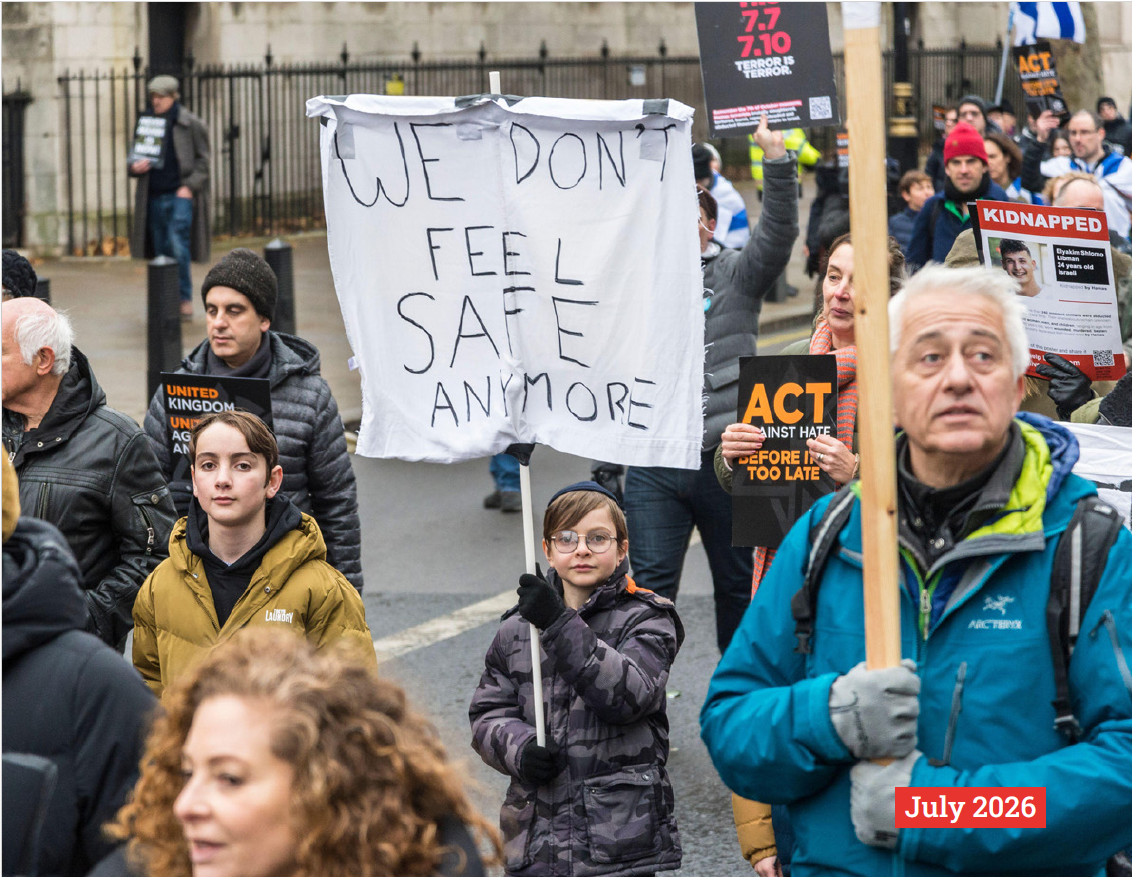
British Jews feel abandoned, excluded and insecure following the lack of adequate institutional response to the rise in antisemitism after the 7 October 2023 attacks and the subsequent war in the Middle East, according to new research led by Professor Shani Orgad at the London School of Economics and Political Science (LSE).
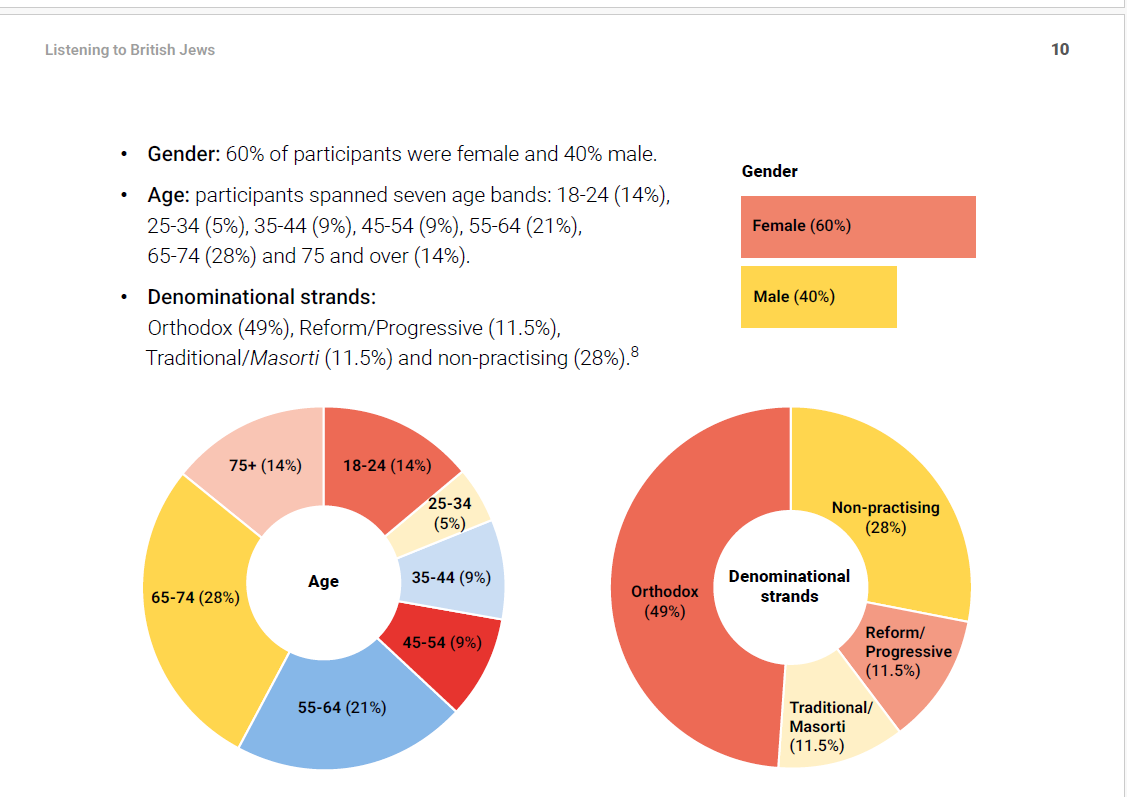
The report, ‘Listening to British Jews’, is based on six focus groups involving 43 Jewish adults across the UK. Participants ranged in age from 18 to over 75, represented different Jewish denominations and political perspectives, and included both those active in Jewish communal life and those who were not.
Across all focus groups, participants described a significant decline in trust in major British institutions, particularly the police, the education system, universities, the media and the legal system. Many spoke of feeling unheard, dismissed or excluded by institutions they believed should protect them and treat them fairly.
The most severe incidents include the October 2025 Yom Kippur terrorist attack on Manchester’s Heaton Park Synagogue, killing two Jewish people and seriously injuring three others, the April 2026 Golders Green attack in which two men were stabbed, and several incidents of arson attacks and arson attempts on Jewish sites and organisations, including Hatzolah.
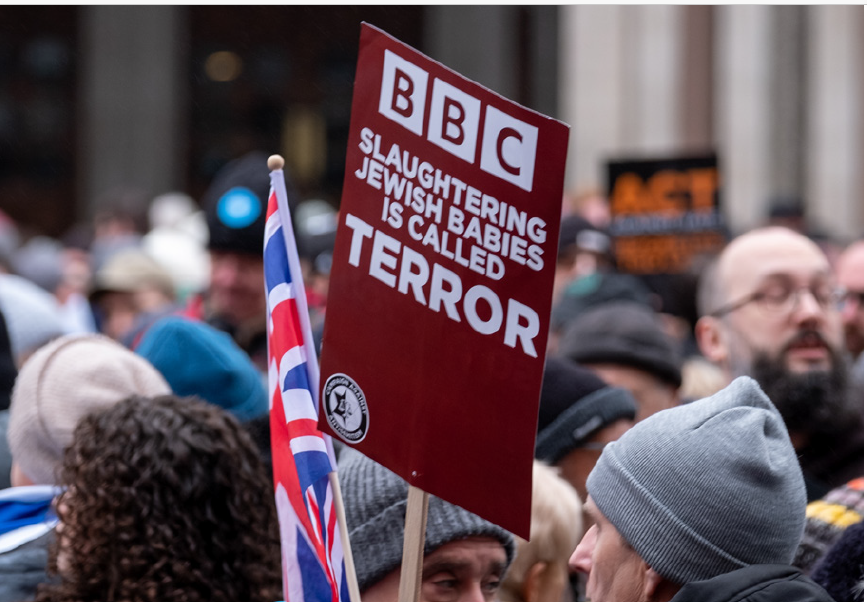
The report also references physical assaults, attacks directed towards Jewish-owned or Jewish-associated property, threats, abusive behaviour and the distribution of mass-produced antisemitic literature. It also details the pro-Palestinian marches that have taken place in many cities across the UK since 7 October 2023, when protesters have used antisemitic language and incited violence, which, according to report participants, were witnessed by police officers, but not acted upon.


Examples cited included NHS doctor Dr Rahmeh Aladwan, who stood on Leeds’ streets, wearing a T-shirt emblazoned with the words “Anti-Semite Semite Club”, calling for Jewish communities to be “held accountable” for their Zionism; a protester delivering a blood libel speech; a protester who threw coffee over a Jewish participant; and keffiyeh-clad protesters shouting at an elderly Jewish man that he should be gassed.
When this last incident was reported to the police, a participant in the Leeds focus group said the police’s response was that “there’s no context, so it’s not a hate crime”.
Comments provided by members of the research group include a thirty year old woman from Leeds, who said: “By virtue of our numbers, we’re not a big enough problem to warrant being listened to. No one cares”. Another respondent, a woman in her fifties from the Midlands, said: “Unfortunately, I think every institution in this country is now institutionally antisemitic. The government, the police, civil service, NHS even. Everything”. A man in his 70’s from Birmingham told researchers: “The pillars in the society we live in are letting us down”, while a Londoner in his 20’s said: “I’m feeling genuinely let down by the institutions I relied on all my life”.
The 2025 West Midlands Police ban on Maccabi Tel Aviv supporters, based
on false evidence, was repeatedly cited as “emblematic of institutional exclusion and discrimination”, whilst many participants were “appalled and deeply concerned” by schools withdrawing from Holocaust Memorial Day events, “experienced as erasure of the Jewish community.”
Alongside concerns about institutional responses, participants reported a growing climate of fear and vulnerability. Many described heightened anxiety, hypervigilance and increasing caution in their everyday lives.
Some reported concealing visible signs of Jewish identity, avoiding social situations or withdrawing from professional and public spaces. Participants also described how their grief and hurt were routinely minimised and denied, and their concerns about antisemitism and safety were often dismissed as exaggeration or fabrication.
However, despite these experiences, participants also emphasised “resilience, pride in their Jewish identity and a determination not to be intimidated”.
Shani Orgad, professor in media and communications at LSE, said: “Participants consistently described a profound sense of being unheard, dismissed and abandoned by institutions they expected to protect them….a common theme was that their concerns about antisemitism were often not recognised or addressed seriously. They described a ‘climate of fear and vulnerability’ where verbal abuse, being ostracised, cancelled and excluded have become increasingly features of their everyday lives.”
Orgad added: “Their accounts highlight an urgent need for leaders across all major UK institutions not only to listen to the experiences of British Jews, but also to take concrete action to address antisemitism and rebuild confidence, trust and a sense of safety. Participants stressed that this would benefit not only the Jewish community but also other minority, marginalised and vulnerable groups, and the strength of British democracy more broadly.”
Key recommendations from the report include: an independent review of antisemitism and police-community relations across the UK; mandatory antisemitism training for educators and university staff; improved BBC complaints procedures and an independent review of coverage relating to the Middle East, antisemitism and Jewish communities; stronger safeguarding frameworks to protect Jewish pupils and students; improved workplace reporting systems and responses to antisemitic incidents and stronger editorial safeguards against antisemitic narratives in the media.
Professor Orgad said: “Participants were not simply describing problems. They were also proposing solutions. A central message of the report is that rebuilding trust requires institutions to listen carefully to Jewish experiences and respond consistently, fairly and transparently.”
The study draws on six focus groups conducted between December 2025 and March 2026, involving 43 self-identifying Jewish adults living in the UK.

Keep community journalism free.
Jewish News is free for everyone. No paywall. No barriers. Just trusted journalism for anyone who wants to stay connected to Jewish life in Britain.
If you value that, please support us.
From as little as £5 a month, you can help keep our journalism free and accessible to all.
Every day, we report on the issues that matter to our community. We celebrate achievements, support charities, challenge antisemitism and ensure Jewish voices are heard more widely.
From as little as £5 a month, you can help us continue to:
- Report on the stories shaping Jewish life in the UK and beyond
- Bring our community together through shared stories, events and campaigns
- Celebrate the people, culture and moments that define our community
- Support organisations doing vital work across Jewish Britain
You can make a one-off donation or become a regular supporter. Every contribution helps keep our journalism free, independent and accessible to all.
If everyone who values Jewish News gave a small amount, it would make a real difference to our future.