Prefer Jewish News on Google

British Jews need more than protection. They need justice
The Government has paid handsomely for protection. It has said much less about the resources needed to make justice work
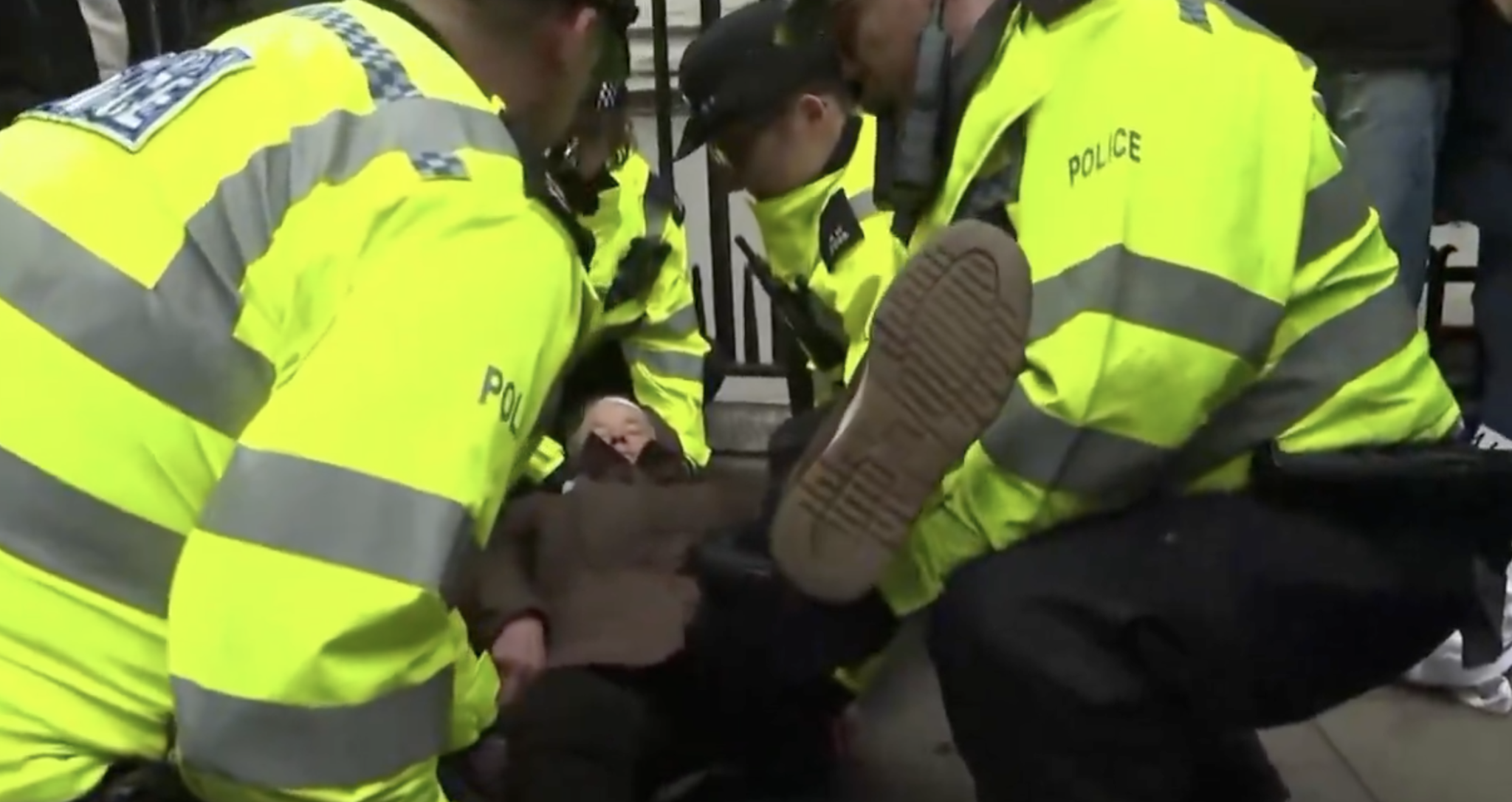
After the murders almost one year ago on Bondi Beach, senior police leaders said people chanting “globalise the intifada” should expect the police to act, because words have meaning and consequence. The Prime Minister had already told the Commons that the phrase carried “no other interpretation” than a call to attack Jewish communities.
After two Jewish men were stabbed in Golders Green, the then prime minister said that people who use the phrase “should be prosecuted”. Days later, the director of public prosecutions told prosecutors to fast-track hate crime cases. None of these announcements changed the statute book; they were positions taken by people in office.
These were strong public commitments. They were followed by substantial spending. An extra £25million for patrols and protective security was announced after the Golders Green attack. In July, the Home Office announced more than £250million over three years, funding upwards of 500 additional officers.
A record £32.4million is to be spent this year on guards, cameras and alarms at Jewish sites.
That protection is welcome. Jewish people should be able to gather, worship and go about their lives without fear. But enforcement has to mean more than visible policing and public statements. It also depends on whether investigations are properly resourced, whether evidence is reviewed in time, and whether charging decisions are made consistently and explained clearly.
That protection is welcome. Jewish people should be able to gather, worship and go about their lives without fear. But enforcement has to mean more than public statements
Some recent cases raise questions about that process. A man arrested after chanting for an intifada outside an Israeli-owned restaurant in Notting Hill was charged, but the Crown Prosecution Service later dropped the case. After amplified chants including “Intifada revolution” and “Death, death to the IDF” outside a London magistrates’ court, a file was submitted to prosecutors. Months later, the victim was told there would be no charge, without an explanation. A request to review whether the six-month prosecution time limit had been allowed to expire has not yet been answered.
Those decisions may each have had reasons. The public record does not explain them. When police leaders and ministers make categorical promises about what words mean and what consequences should follow, unexplained decisions can leave people wondering how those promises are being applied.
This question is also before the courts. A hearing is listed at Southwark Crown Court on Tuesday 1 December in a prosecution arising from chants outside the Ministry of Justice on 17 December 2025.
A protest has been announced outside the court from 10am. The hearing and the protest are matters of public record; the campaigners want the prosecution stopped before a jury hears the case, and frame the protest as opposition to treating “intifada” as a criminal matter.
Whether any offence was committed is for the court to decide.
The Government’s spending announcements also raise a wider question. The July announcement described a large investment in protection, including hundreds of additional officers. It did not set out comparable support for the Crown Prosecution Service. The Government has costed protection down to the last officer. It has said little about the resources prosecutors and the courts need to turn evidence into timely, fair decisions.
The Community Security Trust recorded 135 antisemitic assaults in the first half of 2026, its highest six-month total. Patrols can deter an attacker on the pavement. They cannot, on their own, address the conditions that make antisemitic hostility seem acceptable. The criminal justice system is one part of that response, and it needs the resources and independence to do its work carefully.
Protection and justice are not competing priorities. Both matter. But public promises about prosecution must be matched by a system capable of investigating, deciding and, where appropriate, bringing cases to trial without undue delay.
British Jews deserve protection from violence and confidence that the law will be applied fairly and consistently.

Keep community journalism free.
Jewish News is free for everyone. No paywall. No barriers. Just trusted journalism for anyone who wants to stay connected to Jewish life in Britain.
If you value that, please support us.
From as little as £5 a month, you can help keep our journalism free and accessible to all.
Every day, we report on the issues that matter to our community. We celebrate achievements, support charities, challenge antisemitism and ensure Jewish voices are heard more widely.
From as little as £5 a month, you can help us continue to:
- Report on the stories shaping Jewish life in the UK and beyond
- Bring our community together through shared stories, events and campaigns
- Celebrate the people, culture and moments that define our community
- Support organisations doing vital work across Jewish Britain
You can make a one-off donation or become a regular supporter. Every contribution helps keep our journalism free, independent and accessible to all.
If everyone who values Jewish News gave a small amount, it would make a real difference to our future.