Prefer Jewish News on Google
Calls for UK organisations to review cybersecurity amid conflict in Middle East
Security chiefs warn of heightened indirect cyber risks, particularly for UK firms with Middle East supply chains
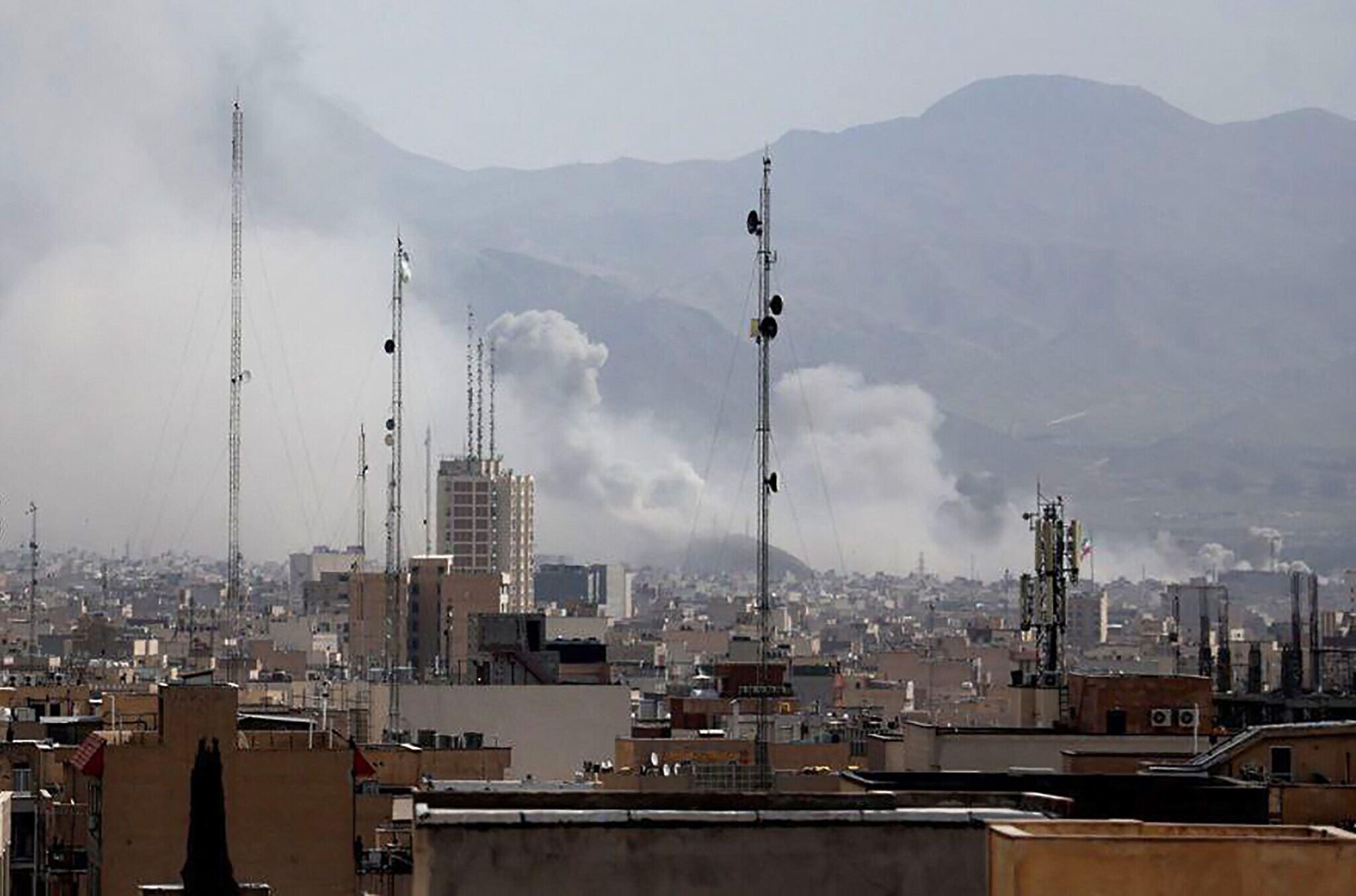
A fresh alert has been issued by security chiefs calling for UK organisations to review their cybersecurity posture in response to the conflict in the Middle East.
The National Cyber Security Centre (NCSC), which makes up part of GCHQ, has advised UK organisations to take action following events in the Middle East.
Jonathon Ellison, NCSC director for national resilience, said: “In light of rapidly evolving events in the Middle East, it is critical that all UK organisations remain alert to the potential risk of cyber compromise, particularly those with assets or supply chains that are in areas of regional tensions.
“Today, the National Cyber Security Centre has published an alert outlining the current cyber threat to the UK and the practical steps organisations should take in response.
“This includes engaging with our guidance to reduce the likelihood of falling victim to an attack where the cyber risk is heightened, and how critical national infrastructure organisations can prepare for and respond to severe cyber threats.



“Organisations are strongly encouraged to act now, following the recommended actions to prioritise and strengthen their cybersecurity posture.”

The NCSC said as a result of the conflict in the Middle East, there was “likely no current significant change in the direct cyber threat from Iran to the UK, however due to the fast-evolving nature of the conflict, this assessment may be subject to change”.
It said there was “almost certainly a heightened risk of indirect cyber threat for those organisations and entities who have a presence, or supply chains, in the Middle East”.
The NSCS said: “Iranian state and Iran-linked cyber actors almost certainly currently maintain at least some capability to conduct cyber activity.”
It urged organisations to “prepare to respond to the risk of collateral impacts in the UK from Iran-linked hacktivists by reading previously issued advisories on DDoS (distributed denial-of-service) attacks, phishing activity and ICS (industrial control systems) Targeting”.
The NCSC added: “For organisations exposed to higher risk, for example those with offices or supply chains in the region, you should adjust your cybersecurity posture accordingly.
“The NCSC continues to encourage UK organisations to sign up to its early warning service, to receive timely notifications of security issues affecting their networks.
“In addition, given this is an evolving situation, CNI (critical national infrastructure) organisations may wish to pre-emptively review the NCSC’s recently published guidance on actions to take now to prepare CNI organisations for severe cyber threat.
“For physical and personnel security risks, please refer to guidance issued by the National Protective Security Authority (NPSA). In particular, following the sabotage guidance will help you protect your site from physical threats.”

Keep community journalism free.
Jewish News is free for everyone. No paywall. No barriers. Just trusted journalism for anyone who wants to stay connected to Jewish life in Britain.
If you value that, please support us.
From as little as £5 a month, you can help keep our journalism free and accessible to all.
Every day, we report on the issues that matter to our community. We celebrate achievements, support charities, challenge antisemitism and ensure Jewish voices are heard more widely.
From as little as £5 a month, you can help us continue to:
- Report on the stories shaping Jewish life in the UK and beyond
- Bring our community together through shared stories, events and campaigns
- Celebrate the people, culture and moments that define our community
- Support organisations doing vital work across Jewish Britain
You can make a one-off donation or become a regular supporter. Every contribution helps keep our journalism free, independent and accessible to all.
If everyone who values Jewish News gave a small amount, it would make a real difference to our future.