Prefer Jewish News on Google
Can Black–Jewish Solidarity rise again?
New efforts are being made in the US to bring what was once a formidable alliance back to life
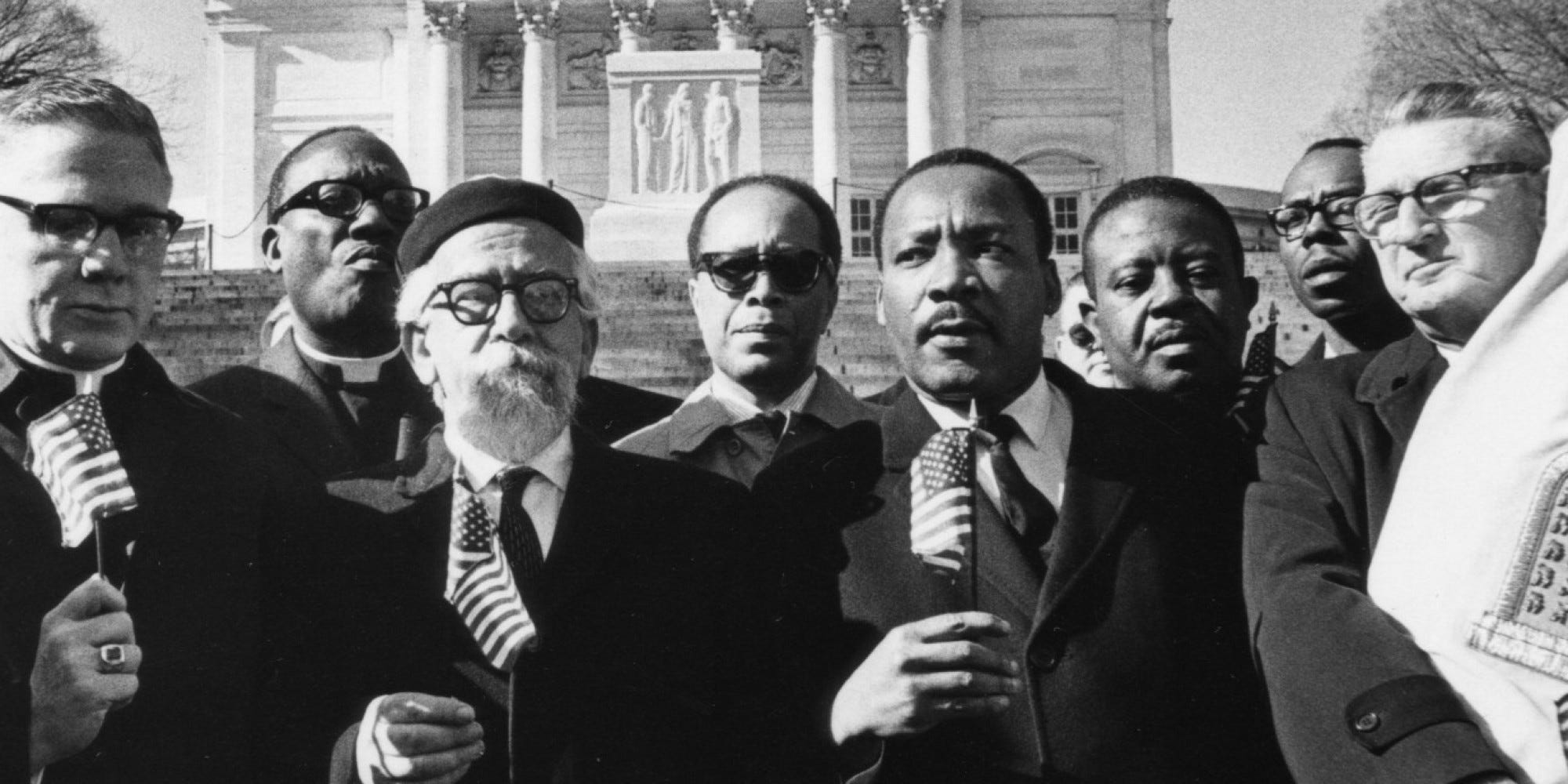
Harriette Watford Lowenthal reminisces about a time when Black and Jewish Americans stood shoulder to shoulder in a common fight against oppression and discrimination. The 70-year-old executive coach from Cleveland, Ohio, is sad to see “we’ve lost that connection”, saying: “It was so powerful. I see a lot of division, and it breaks my heart because it’s very hard for me to divide myself in half.”
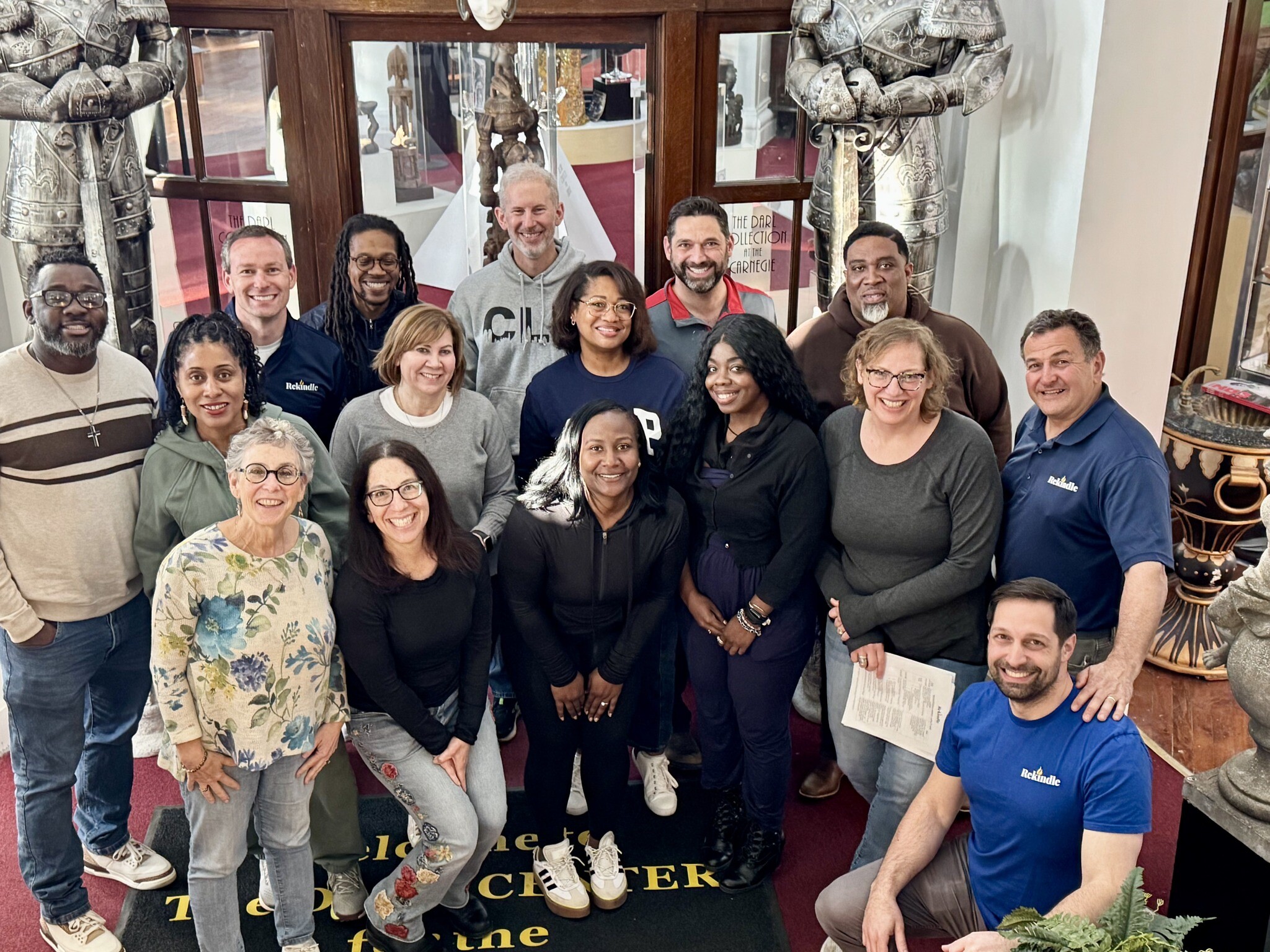
Watford Lowenthal – “a Jew of colour” – is among a growing number of people working to rebuild the fractured coalition. A fellow of Rekindle, she is part of a programme that has graduated 12 cohorts of Black and Jewish leaders in Cleveland since 2021 and is now expanding across the States. Its name sums up its mission: to reignite a union that once burnt brightly.
In the early 20th century, newspapers for each minority carefully covered violence against the other. The African American New York Age compared the “Russian authorities hunting down Jews with bloodhounds” in 1910 with “the days of American slave hunts”. The New York Yiddish paper Forverts would report on lynchings in America as “pogroms”.
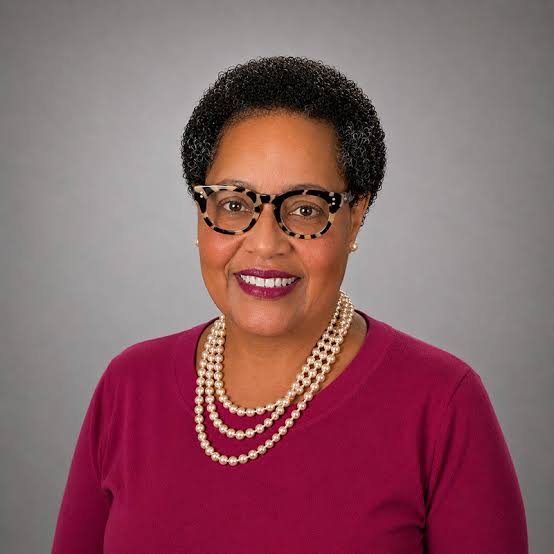
In 1967, Martin Luther King Jr said “Israel’s right to exist as a state in security is incontestable”, while the Black Americans to Support Israel Committee was formed in 1975.
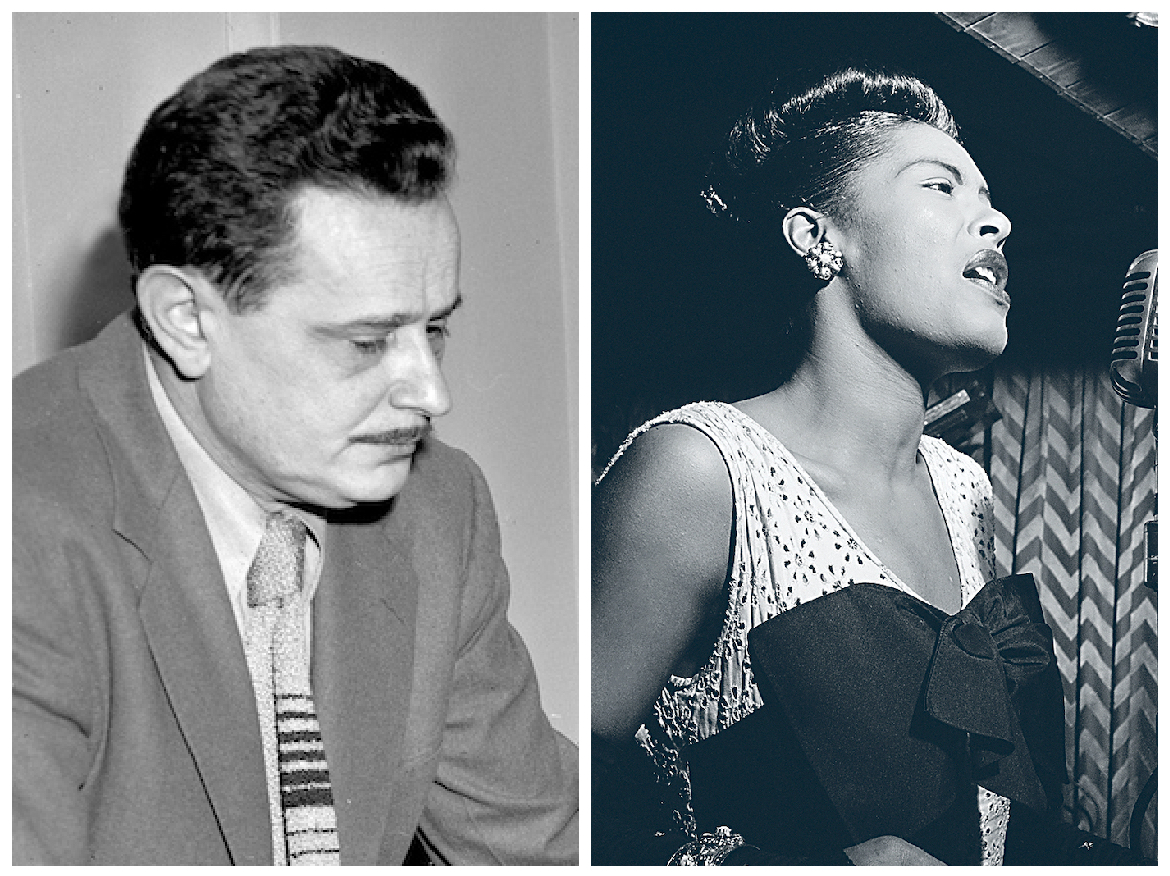
Both were targets of the Ku Klux Klan (KKK) and Jews helped co-found the National Association for the Advancement of Colored People, the oldest civil rights group in America. Both were central in transforming popular culture – seen no more potently than in the anti-lynching protest song Strange Fruit, recorded by an African American (Billie Holiday) and written by a Jew (Abel Meeropol).
With these past successes in mind, Rekindle brings together emerging leaders for challenging interchange across five sessions – with an optional sixth discussing Israel/Palestine. Co-founders Matt Fieldman (a white Jew) and Charmaine Rice (a Black Christian) noticed that the two communities now live in different neighbourhoods and “work in parallel rather than in partnership”.
“It could not be an effort by the Jewish community for the Black community”, says Fieldman, on a video call with several of his graduates. “We have a lot of work to do to fix this broken country and we’re going to do it together.”
He’s most proud of what follows the fellowship: internships at businesses, shared volunteering projects and book clubs that keep the conversation going.
At the very first meetings, Rice was struck by “how so often folks conflate Jewishness and whiteness”. The group discussed a 1998 essay by Paul Kivel titled I’m Not White, I’m Jewish. Another text is James Baldwin’s Negroes Are Anti-Semitic Because They’re Anti-White from 1967 because, says Fieldman, “it puts the tension right there on the table” and invites participants to broach the fault lines of today.
Rekindle is not alone. Challah & Soul began in California as a one-off lunch linking Black and Jewish mothers and is now “celebrating our values and histories” through food and storytelling. Exodus Over Dinner is harnessing “the transformative power of breaking bread”, with 300 meals planned this year. It was launched by CNN host Van Jones, who has said: “I think the most powerful alliance for good in the history of Western civilisation is Blacks and Jews together.”
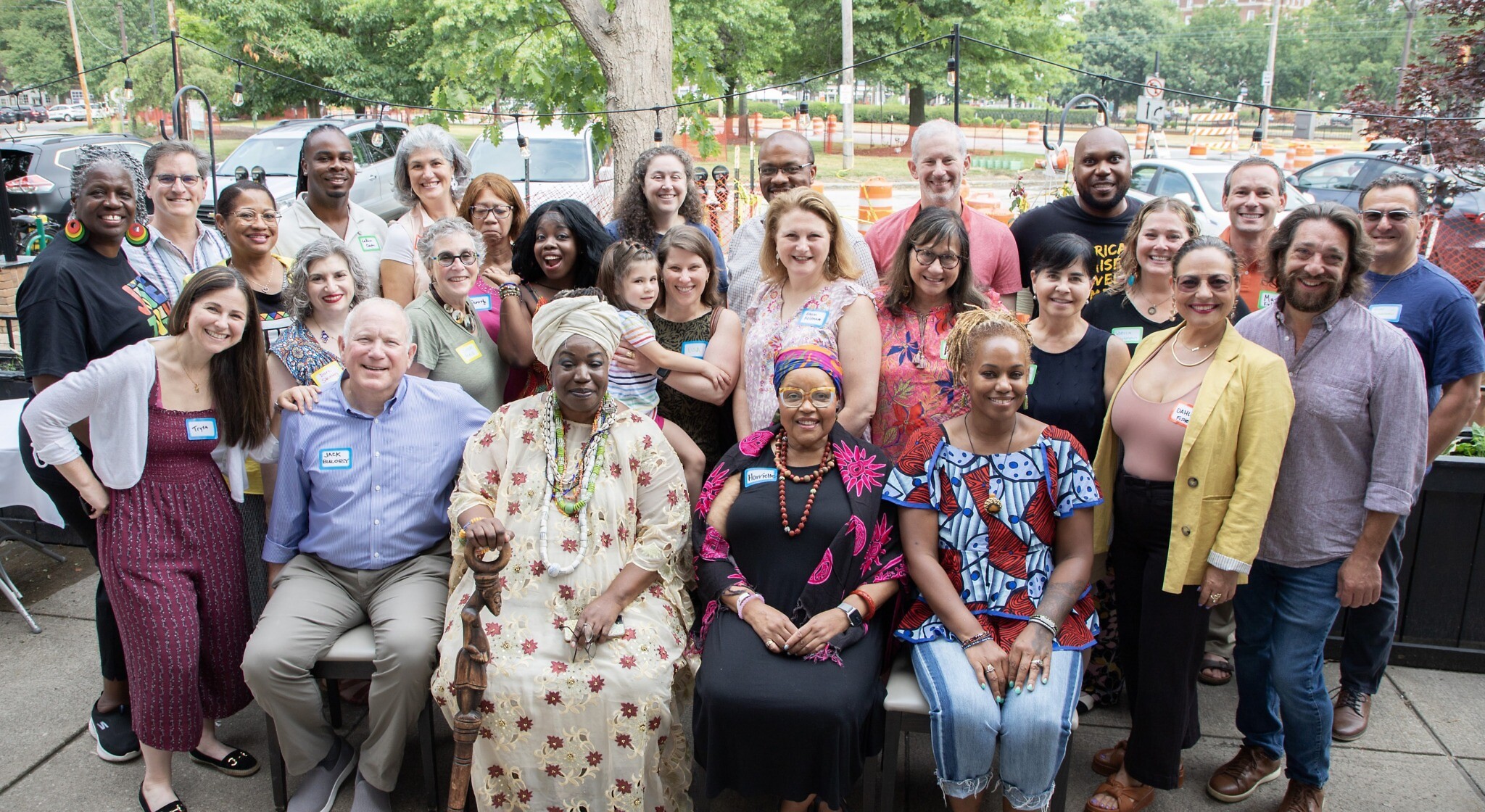
Meanwhile, Michigan-based Spill the Honey advances the cause through music, film production and school curriculum design. The complex history is also the subject of a fascinating four-part PBS documentary in the US that aired in February (a UK date is to be announced).
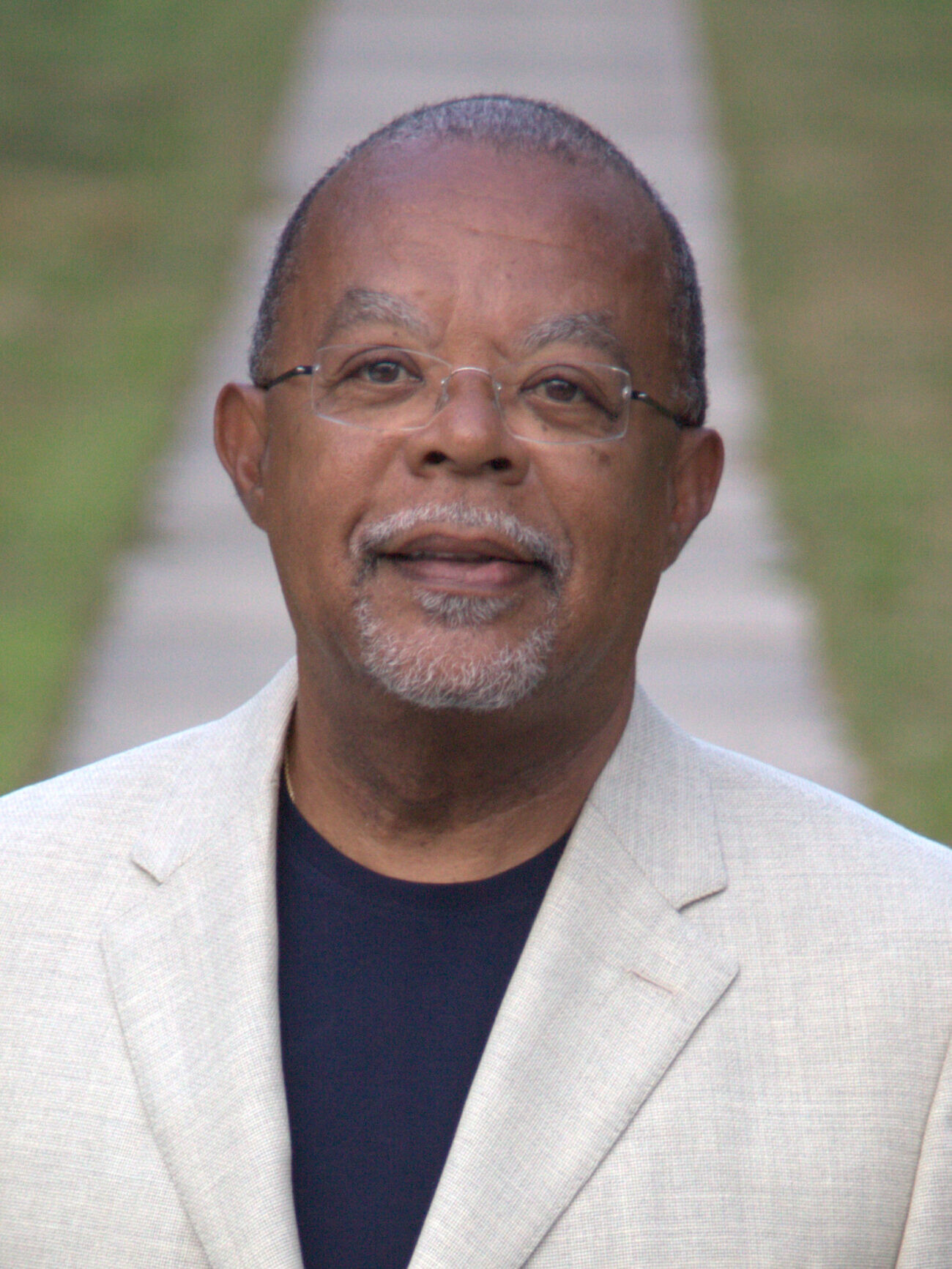
The idea came from its presenter, Dr Henry Louis Gates Jr, the Harvard professor who has hosted the celebrity genealogy series Finding Your Roots since 2012. In 2017, he was watching the Unite the Right rally in Charlottesville, Virginia, at which Confederate and swastika-waving protesters harked back to the KKK with lit torches, while chanting: “Jews will not replace us!”
“He recognised that this was a threat not just to African Americans, but Jewish Americans,” says New York-based co-director Phil Bertelsen. The result is Black and Jewish America: An Interwoven History. In the eight and a half years since that march, Bertelsen says the four hours of programmes have “inevitably” become “timelier than ever”.
In the first episode, a group of Blacks, Jews and Black Jews (or “the chocolate chosen” as culinary historian Michael Twitty puts it) gather for a discussion about racial liberation over a Passover seder. Dr Gates explains that he begins one of his own Harvard courses “by saying that under the floorboards of Western culture run two streams, continuously. One is antisemitism and one is anti-Black racism.”
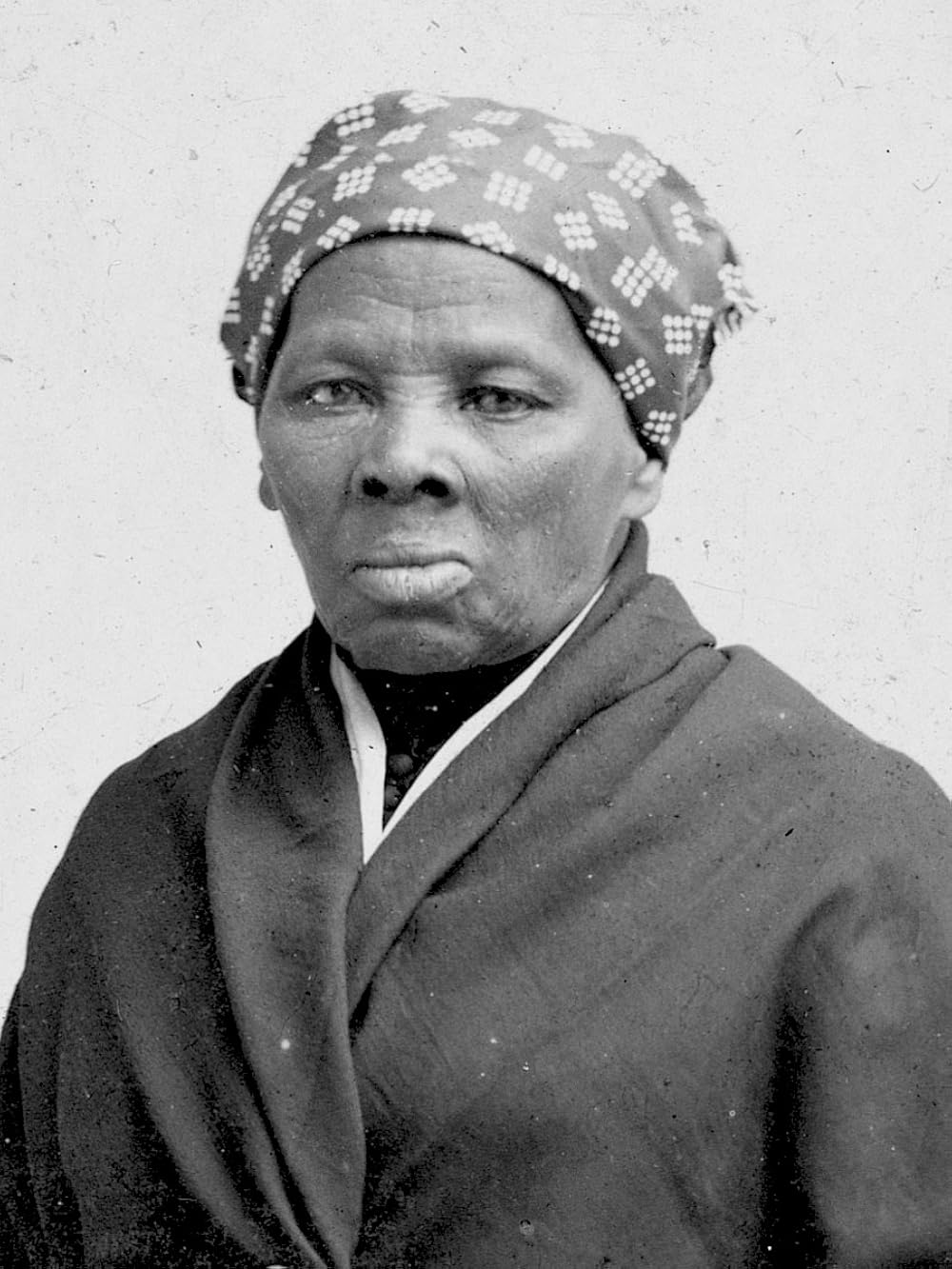
The series spans more than 500 years of intertwined history. In 1492, the expulsion of Jews from Spain was followed just three days later by Columbus sailing to the Americas – setting in motion the transatlantic slave trade. It shows, too, how Black Americans have drawn strength from the Jewish story. Abolitionist Harriet Tubman was nicknamed Moses. “For a lot of African Americans, they found their language and posited their identity through the Hebrew bible,” says Dr Gates.
Yet it is the civil rights struggles of the Sixties that stir the deepest nostalgia. In 1965, rabbi and theologian Abraham Joshua Heschel marched from Selma to Montgomery beside his friend Luther King Jr (whose copy of The Prophets was worn from rereading).
Sixty years later, civil rights leaders still tell his daughter, Jewish studies professor Susannah Heschel: “I’m so grateful for your father.” The seeds of this kinship were sown in his childhood. He described the intense poverty in Harlem, near their family home, to his daughter “and said that he understood it from growing up in Warsaw”. His own experience of Nazi persecution in Berlin – and the “indifference of so many other people” – had a similar effect, she tells me.
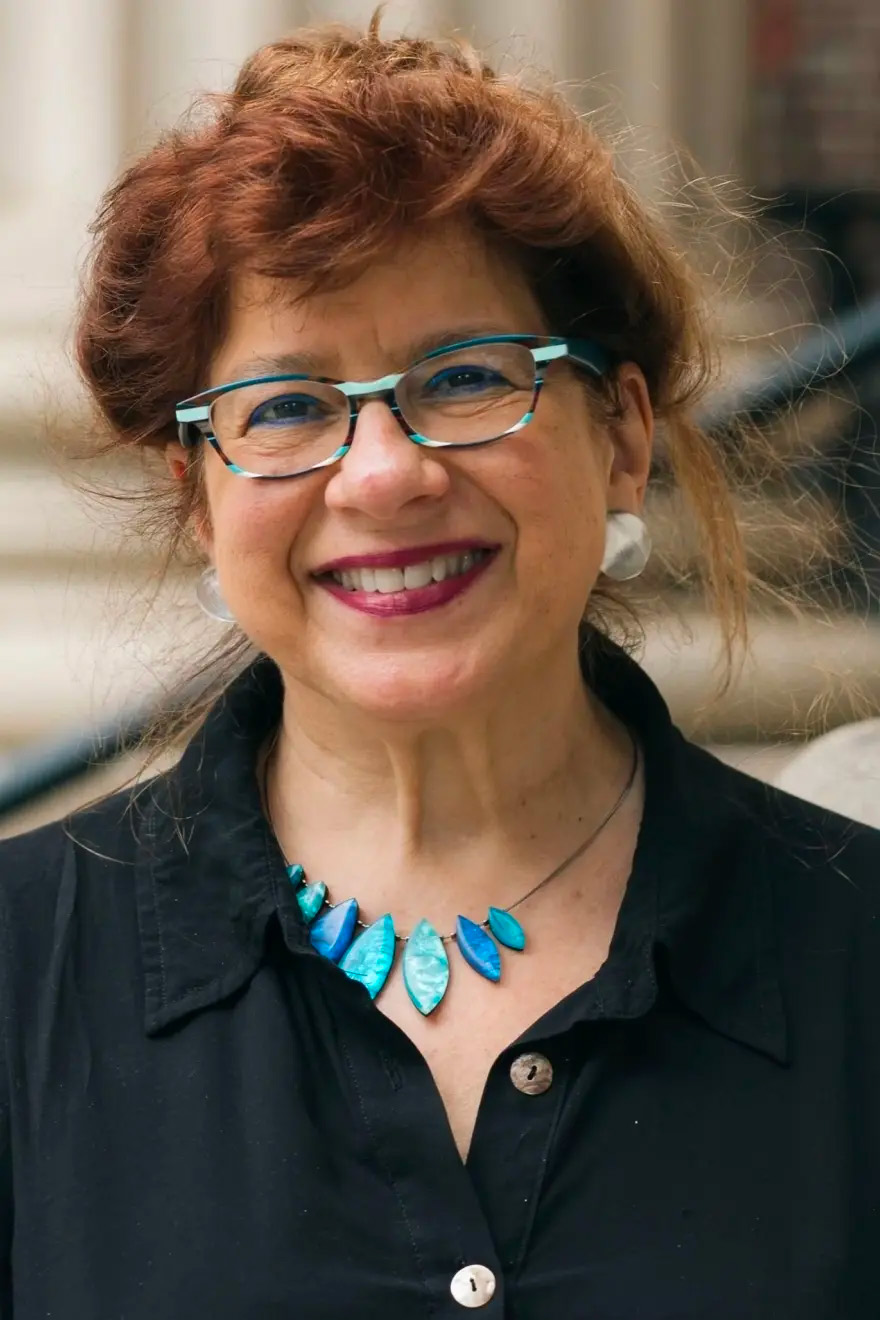
Aged 12 when Selma happened, Susannah had fresh in her memory news footage from Alabama of black protesters being fired with water hoses so powerful they “tore out people’s hair”. Those images informed a “very nervous Shabbat” before her father’s departure for Selma. “He bent down and kissed me. And I thought to myself, ‘I have to hold on to this kiss because it might be the last kiss I receive from him.’”
Avi Dresner’s father, Rabbi Israel Dresner, was there too. On “Turnaround Tuesday”, hundreds of clergy gathered, but the Reform rabbi was one of only two invited by Dr King to deliver the opening prayer (King later preached twice at Dresner’s New Jersey synagogue).
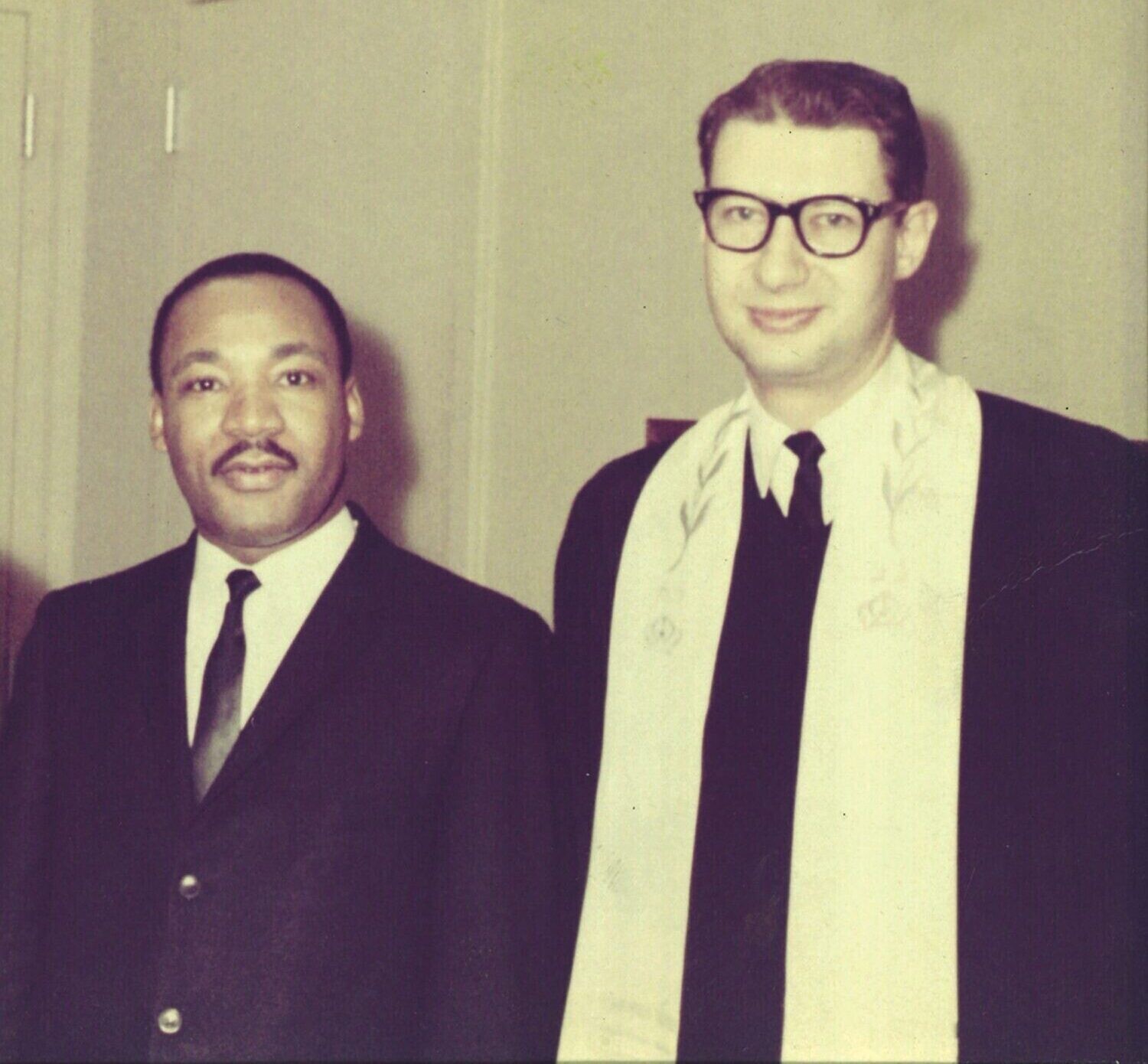
Dubbed the “most arrested rabbi in America”, he was jailed four times for civil rights activism. In the programme, Avi recalls his father and Dr King speaking about how Jews had been enslaved – in the camps of Europe – just 17 years earlier. Relations were never so simple that “everyone had their arms around each other and was singing Kumbaya”, Avi says, but after the 1965 Voting Rights Act – when Jews were disproportionately represented among non-Black campaigners – “the relationship had nowhere to go but down anyway”. One low point came in 1984, when Louis Farrakhan of the Nation of Islam declared: “Hitler was a very great man”.
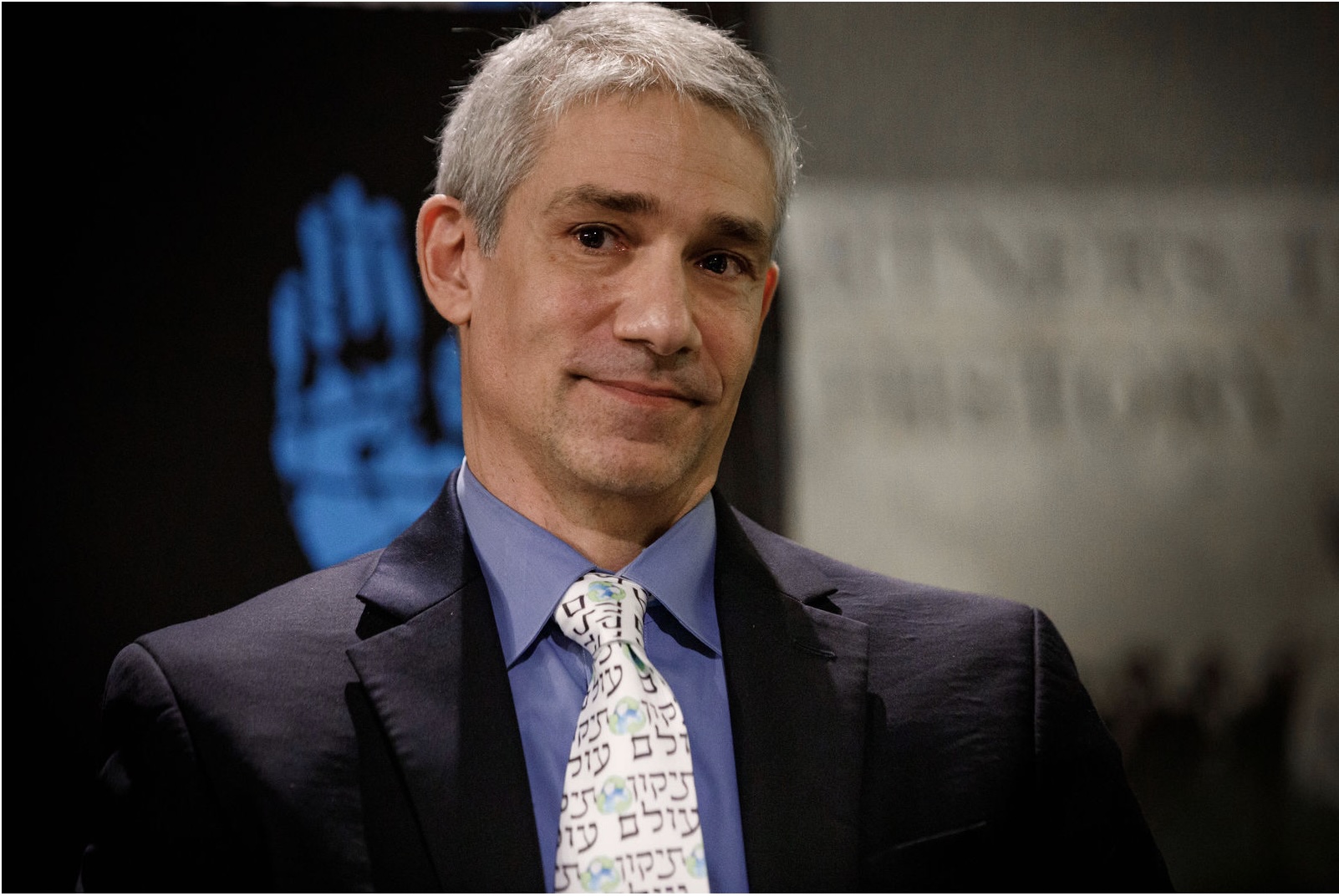
“Both groups can really make a claim to being abandoned by the other,” Avi, 56, tells me from his Massachusetts home. “Jews, for the most part, fled the inner cities and left the Blacks behind. By the same token, when you look at October 7, I think there’s a prevailing attitude among many Jews – ‘we stood up for them, and they have abandoned us.’”
Samuel Dickerson, managing director of programmes and partnerships at Rekindle Cleveland, admits he was “oblivious” to the Hamas attacks when he accompanied 12 Jewish women to see the documentary October 8. “They couldn’t understand my reaction. I was devastated by it because I had no idea.”
When asked which period proved hardest to tackle in his new series, Bertelsen’s reply is unexpected. “I see the current moment as the most fraught,” he says.
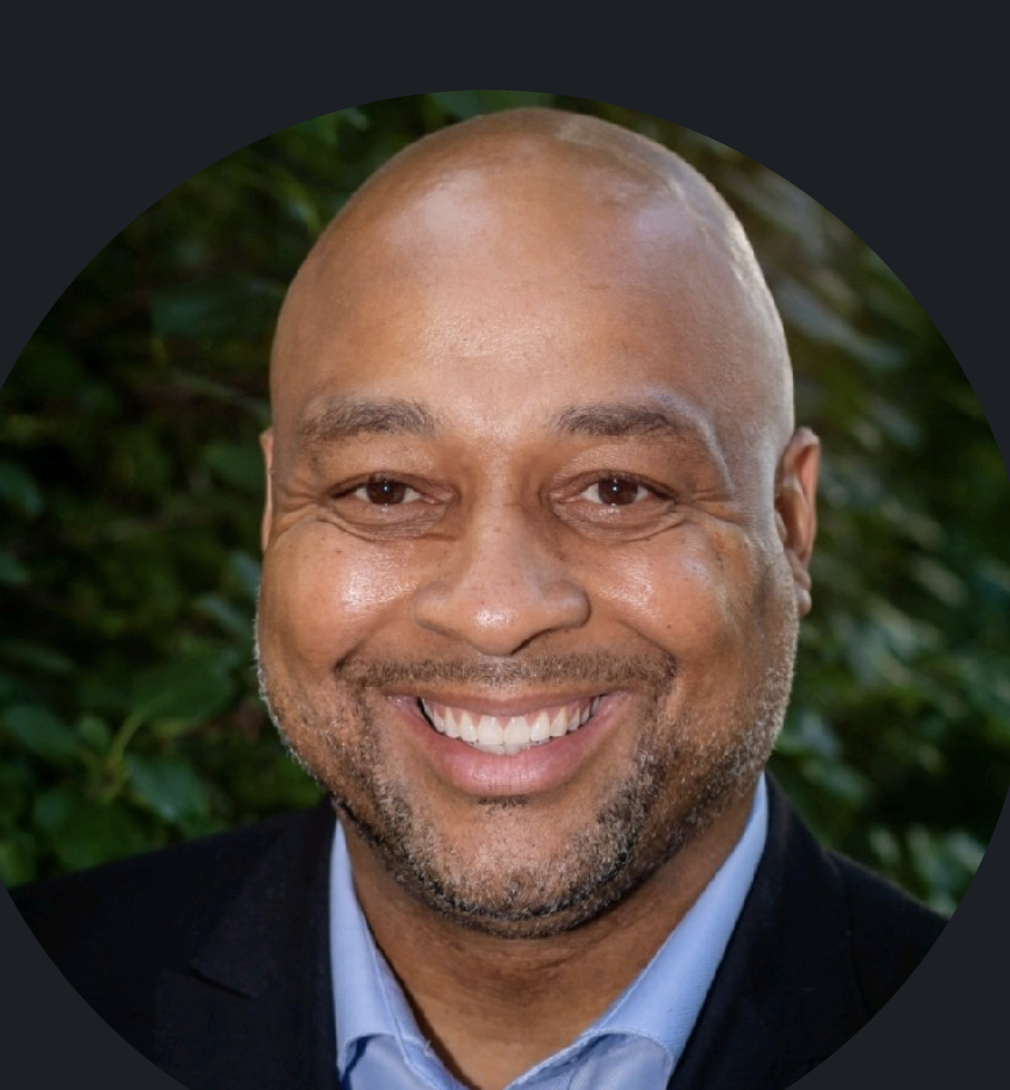
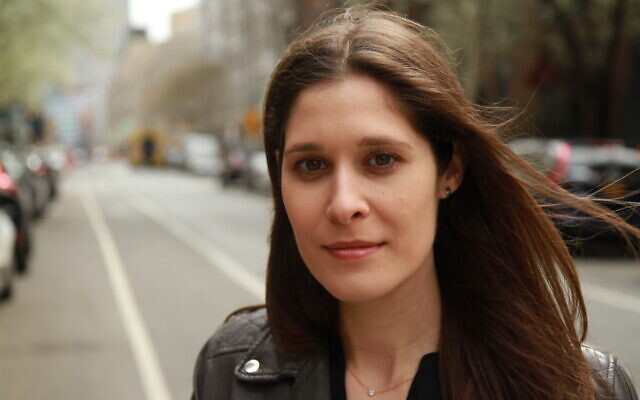 He and co-director Sara Wolitzkyeach drew on their own backgrounds. “Well, I’m Black, she’s Jewish, so there’s that,” Bertelsen reflects. “But I’m also a by-product of that grand alliance, right? As someone who grew up in a primarily Jewish town, going to more barmitzvahs than barbecues, I did find myself asking ‘what happened?’ and ‘where do we go from here?’”
Wolitzky traces her perspective back to childhood, recalling how, from the age of four – “to my mother’s horror” – she was told of her grandmother surviving a Russian pogrom. “To be quite graphic, having her father murdered on top of her, and she had scars on her neck from the bayonet wounds.”
Since then, she says, she has looked at the marginalisation of the Black community thinking “there but for the grace of God go I” and feeling a need “to identify with them, because it could be us”, she says. “It has been us.”
For his part, Dr Gates showed solidarity in the other direction, penning a 1992 New York Times op-ed to rebut “the total rubbish” – promoted by Farrakhan and others – that Jews were responsible for the slave trade.
Avi Dresner is developing both a documentary and a feature film about the man known as “King’s rabbi” and has launched a nationwide lecture tour titled Rebuilding The Bridge. He believes revisiting that shared history is one of the surest ways to repair the rift.
Turning the cliché about the ignorant being doomed to repeat the mistakes of the past on its head, he says: “Those who do know history can repeat the good parts. And the Black-Jewish alliance is one of the parts worth repeating. My hope is that that then catalyses conversations, which then catalyse relationships.”
At each date, he appears with a local African American co-presenter and the audience departs via a lobby filled with groups running programmes “to further the work”. He adds that for too long American communities have experienced “a form of self-segregation, where the laws don’t say that we can’t go to the same schools, but the ZIP code does. We need to get to know each other again.”

Keep community journalism free.
Jewish News is free for everyone. No paywall. No barriers. Just trusted journalism for anyone who wants to stay connected to Jewish life in Britain.
If you value that, please support us.
From as little as £5 a month, you can help keep our journalism free and accessible to all.
Every day, we report on the issues that matter to our community. We celebrate achievements, support charities, challenge antisemitism and ensure Jewish voices are heard more widely.
From as little as £5 a month, you can help us continue to:
- Report on the stories shaping Jewish life in the UK and beyond
- Bring our community together through shared stories, events and campaigns
- Celebrate the people, culture and moments that define our community
- Support organisations doing vital work across Jewish Britain
You can make a one-off donation or become a regular supporter. Every contribution helps keep our journalism free, independent and accessible to all.
If everyone who values Jewish News gave a small amount, it would make a real difference to our future.
- Culture & Lifestyle
- Black Jewish Alliance
- Harriette Watford Lowenthal
- Martin Luther King Jr
- Abel Meeropol
- Billie Holiday
- Strange Fruit
- Challah & Soul
- Rekindle
- Michigan-based Spill the Honey
- Dr Henry Louis Gates
- Jr.
- Harriet Tubman
- abraham joshua heschel
- susannah heschel
- Samuel Dickerson
- Avi Dresner
- Rabbi Israel Dresner
- Sara Wolitzky
- Black history