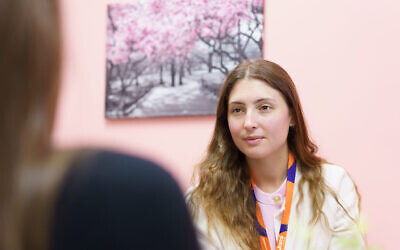
Charedi Girl Power on International Women’s Day
International Women’s Day, the worldwide event that celebrates women’s social and political achievements, started in 1911 and is now recognised each year on 8 March. Jewish News marks the day by interviewing three Charedi women who are empowering others in the strictly Orthodox community.
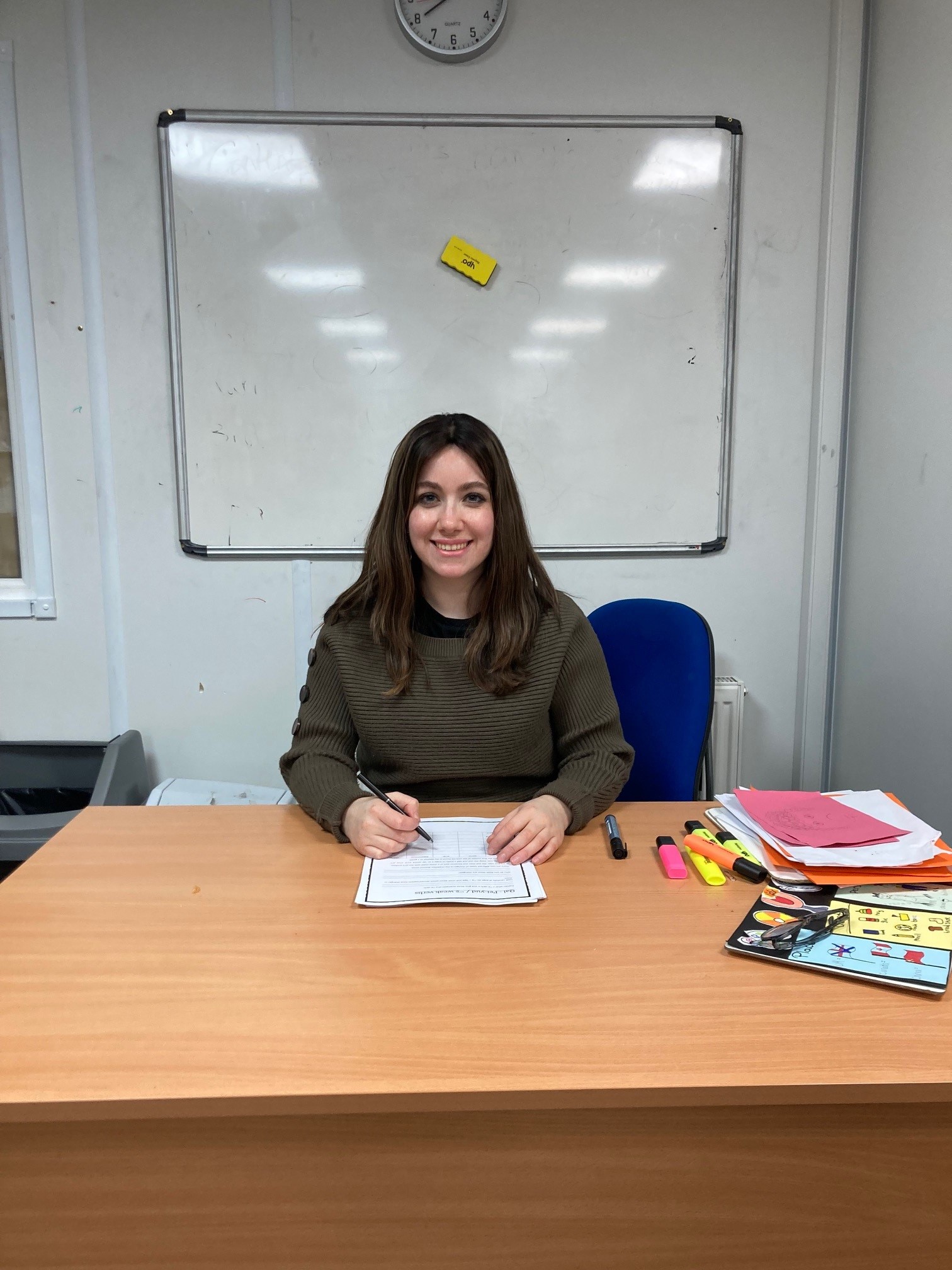
Faigy Rosenthal
“You’re always so beautifully dressed, you look too good to be divorced,” a Charedi woman told me recently.
“You gave me courage to get out of my marriage,” said another.
If I break down stereotypes of how a divorced Charedi woman should look and behave, I’m pleased. It is sad when marriages fail but there is no prohibition against divorce in Judaism and, in fact, a whole section of the Talmud is dedicated to the subject. As I sometimes joke: if Hashem allows divorce, make use of his permission.
I’m a teacher at Tiferes High School in Salford, and it’s important that my pupils know you can still have a meaningful life without a husband in the frame. When Charedim divorce, they often say goodbye to Charedi life too, and that’s a terrible shame.
Because the truth is a single mother can light the candles and make kiddush on Shabbos. And you can be an educated professional. I left school with 11 GCSEs and an A-level and I’m now an Edexcel examiner in biblical Hebrew and an instructional teaching coach, helping other teachers develop professionally. So, I always tell my students to explore every educational opportunity they are given. Being a Charedi woman needn’t mean being stuck in the kitchen baking babkas.
Being Charedi doesn’t mean being close-minded, either. I take my daughter, 12, and son, eight, to the library regularly. I come from a strict Charedi family and was brought up on secular books. Now I teach geography and English and although I don’t recommend books such as Harry Potter to my pupils because some parents wouldn’t like it, I do lead by example. My position is simple: reading about something about something doesn’t mean we necessarily practise it. Being open-minded and Charedi means knowing what other people do, yet remaining steadfast to your values.
I also believe I lead by example when it comes to divorce. It was my daughter’s bat mitzvah recently and my ex and all of his family came to the simcha. People told me afterwards that I showed them what a good divorce looks like. And that’s always been the attitude of my community towards me. I have never encountered animosity, only respect for who I am.
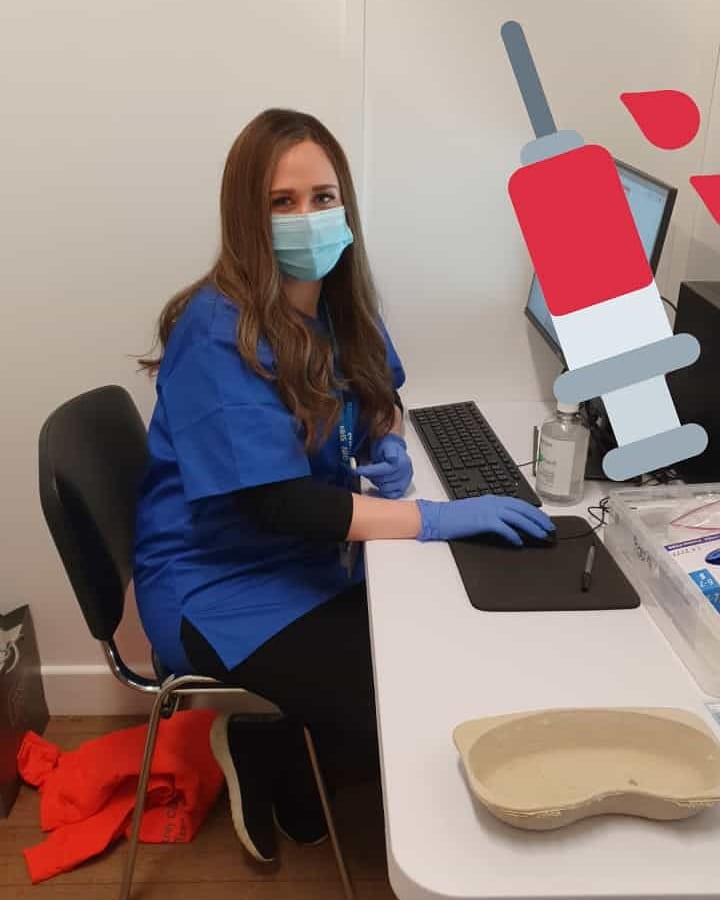
Gitty Heller
“I’m a survivor of domestic violence. I left school at 14, married at 16 and stayed in the marriage for 13 frightening years. My family begged me to leave him, but I was too scared. My ex was your typical abuser – he gaslit me and said I wouldn’t be able to cope without him.
But with my family’s support I was ultimately able to leave and now I support other Charedi women suffering domestic violence. I’m an advanced health practitioner at Cranwich Road Surgery, in Stamford Hill, and if a patient arouses concern (for example she has unexplained bruising, jumps when a door slams, or her husband won’t allow her to see me on her own), I discuss my concerns with a GP. But most of the help I offer is outside of work. I get a call from a friend of a friend of a friend who tells me a woman needs help.
My first question is always: is she is in danger now? Because if she is, we need to call the police. If the answer is no, I direct her to Jewish Women’s Aid, or Midgal Emunah, the charity which supports victims of sexual abuse.
Next, I tell the caller, or the woman herself if she has rung, to get her passport and any cash she can lay her hands on, and hide it. If she flees the marital home, she’ll need a survival pack.
Domestic violence doesn’t happen more in the strictly Orthodox community than in wider Jewish society, but Charedim do struggle to talk about it. This is where I come in. I’m now happily remarried, but because of my background, the women generally trust me.
I’ve also done what I can to encourage other women to get careers. Since I joined the surgery 11 years ago, we’ve sent over twenty Charedi women on phlebotomy courses and I also do one-to-one training with them. Some are young Charedi girls, others are mothers, and most have found jobs within the NHS.
Together with another woman, I’ve been part of the Charedi vaccination drive, encouraging women to get jabbed as well sinking needles into hundreds of arms. I’m quite sure vax uptake in the community has increased because of us. Every day should be International Women’s Day as far as I’m concerned. We give a lot and that should be celebrated.
Gitta Strassman
Four years ago, I co-founded an online support group for single mothers, called Superwomen. When I got divorced in 2015, I felt terribly alone and I didn’t want other women in my community to feel like that if their marriages also sadly came to an end. There are now around 40 women in the group, ranging in age from early 20s to late 60s, and it has proved invaluable, a place where women can connect, ask for help, vent and support each other.
Often that support can be quite practical. “There’s a huge spider in my bathroom, how do I get rid of it?” Or: “I’ve run out of milk and can’t leave the house. Can someone get me a pint?” People also ask for advice on things such as insurance and other financial matters that might have fallen to their husbands when they were together.
This confidential group is also a place where we celebrate children’s birthdays, engagements, bar and bat mitzvahs and where we express pleasure and solidarity when someone receives a get. Behind the scenes, real-life have friendships have formed. Women get together for Shabbas and the yom tovs in Manchester where most of us live. The bonds between us can be so strong that when members remarry, as some happily do, they don’t always leave the group immediately. And there’s no pressure for them to go. They leave when they’re ready, in some cases many weeks after they are no longer single.
Although not everyone in the community has a smartphone, if you’re in this group you do, of course.
I’m not someone who seeks publicity in any form –I had to be convinced to put my name to this article – but if knowing about this group means other lonely singletons join it, it is absolutely worth the exposure. Divorced mothers raising their children on their own need to know they are superwomen.

Keep community journalism free.
Jewish News is free for everyone. No paywall. No barriers. Just trusted journalism for anyone who wants to stay connected to Jewish life in Britain.
If you value that, please support us.
From as little as £5 a month, you can help keep our journalism free and accessible to all.
Every day, we report on the issues that matter to our community. We celebrate achievements, support charities, challenge antisemitism and ensure Jewish voices are heard more widely.
From as little as £5 a month, you can help us continue to:
- Report on the stories shaping Jewish life in the UK and beyond
- Bring our community together through shared stories, events and campaigns
- Celebrate the people, culture and moments that define our community
- Support organisations doing vital work across Jewish Britain
You can make a one-off donation or become a regular supporter. Every contribution helps keep our journalism free, independent and accessible to all.
If everyone who values Jewish News gave a small amount, it would make a real difference to our future.