Prefer Jewish News on Google
Chief Rabbi urges Church of England to reject ‘genocide’ report ahead of Synod vote
Sir Ephraim Mirvis warns controversial Gaza report threatens decades of Jewish-Christian dialogue ahead of crucial Church debate
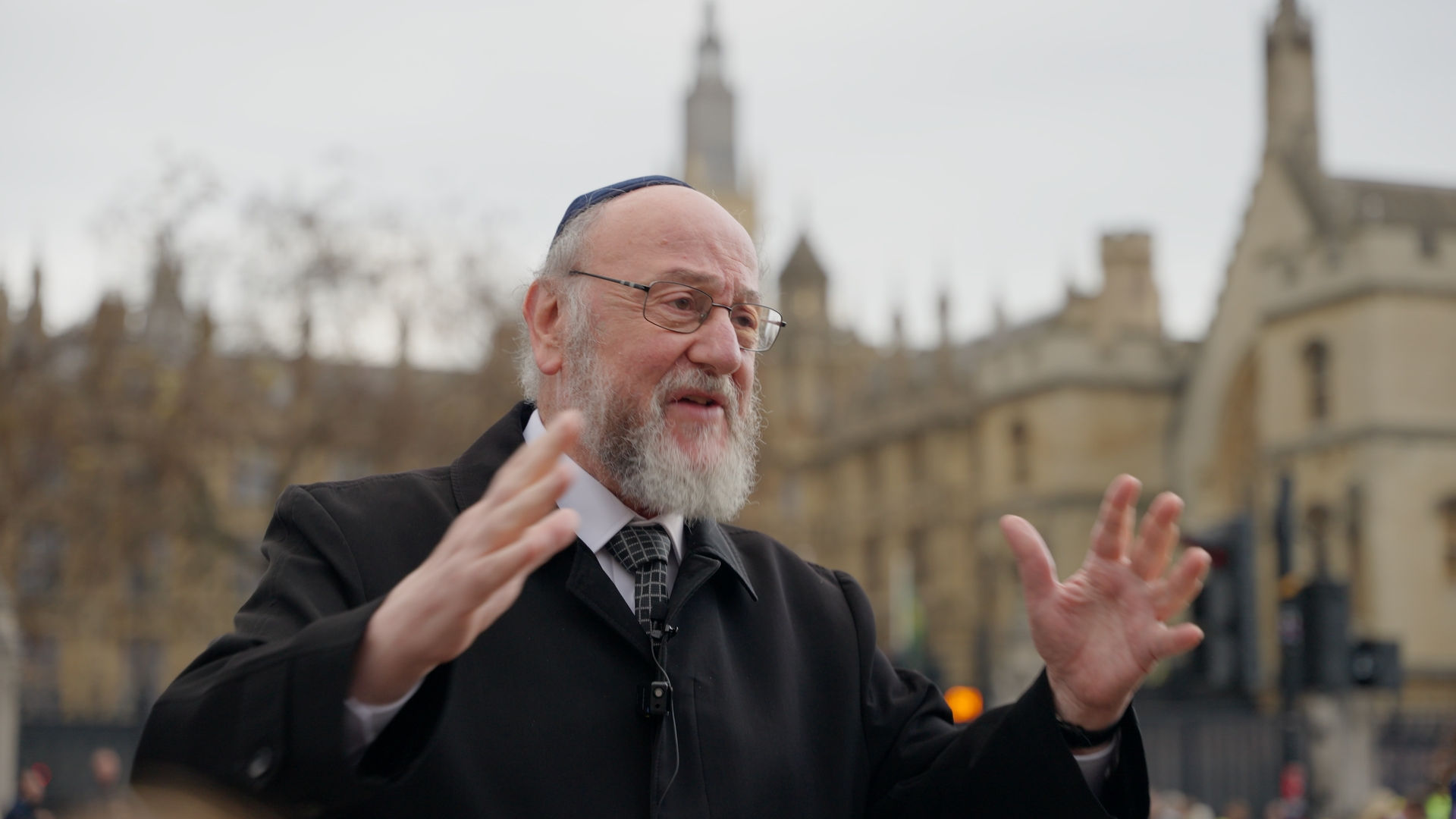
The Chief Rabbi has urged the Church of England’s governing body to reject a controversial report accusing Israel of genocide, warning it threatens decades of Jewish-Christian relationship-building.
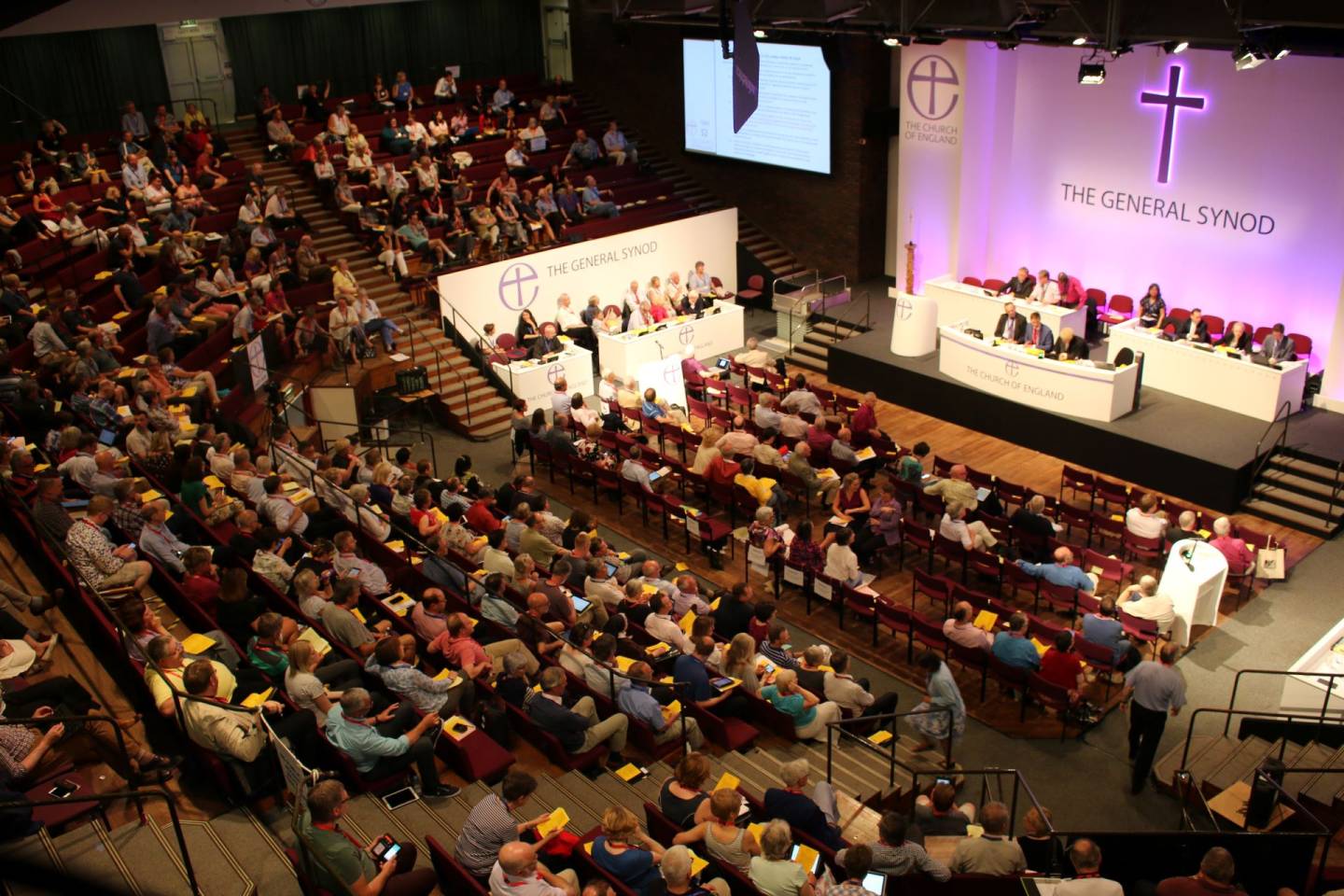
Sir Ephraim Mirvis spoke out before next week’s General Synod debate on whether the Church should formally engage with A Moment of Truth: Faith in a Time of Genocide, also known as Kairos II, as part of its efforts to better understand the Israeli-Palestinian conflict.
The report, produced by Palestinian Christian organisation Kairos Palestine, describes Israel’s military campaign in Gaza as a “genocidal war” and claims the Jewish state is a “colonial enterprise built on racism”. It also accuses Israel of apartheid and settler colonialism.
In a statement published on X following reporting by The Times, the Chief Rabbi said: “The content of Kairos II is deeply concerning, and I would hope the Synod will see it for what it is. While it is important to recognise the suffering of Palestinian Christians, this document does so in a way which can only harm the cause of peace.”
He added: “It presents a one-sided account of a complex conflict, downplays the historical experiences and legitimate concerns of Jewish people, and offers little more than political activism dressed up as theology.”


Mirvis continued: “It is truly shocking that a document which purports to speak in the name of truth contains so much falsehood – using extreme rhetoric to challenge the very concept of a Jewish state, and to oppose existing peace agreements in the region.”
He warned that “at a time when Christian-Jewish relations require nuance, trust and a willingness to engage with complexity, Kairos II risks undermining decades of careful relationship-building.”
The Chief Rabbi concluded: “Meaningful progress begins when the dignity, aspirations and suffering of all peoples are acknowledged. Kairos II takes us further away from that goal, not closer to it.”
The Board of Deputies said it had already raised its concerns directly with both the Church of England and the Methodist Church, warning that Kairos II could have consequences for British Jews.
A spokesperson said: “At a time of great anxiety for British Jews, it is deeply troubling that Church bodies, including the Church of England and Methodist Church, are engaging with the Kairos Palestine II documents. The content of Kairos II, including its framing of Israel and Zionism, is replete with historical distortions and false allegations that implicate Jews everywhere. The document erases and distorts Jewish identity and Jewish historical experience, and risks real harm to Jews in the UK through its dissemination.
“We have made clear our concerns to the Church of England and the Methodist Church and will continue working to mitigate the harms done by the dissemination of the harmful narratives the Kairos II document promotes. Any Church that wants a credible role in tackling prejudice here or advocating for peace in the Middle East should reject Kairos II.”
Progressive Judaism likewise said the Church should not adopt Kairos II’s language while stressing that the experiences of Palestinian Christians should still be heard.
Rabbi Charley Baginsky and Rabbi Josh Levy, co-leads of the Movement for Progressive Judaism, said: “As Co-Leads of the Movement for Progressive Judaism, we believe the Church of England should not adopt as its own the language of Kairos Palestine II where it characterises Zionism, or where it employs terms such as settler colonialism and genocide. These are profoundly contested theological, historical and legal claims. They carry immense consequences for Jewish-Christian relations and should not become the Church’s language without independent theological and moral discernment.”
They added: “That conviction must not, however, become a reason to turn away from the testimony itself. Palestinian Christians are describing lives marked by occupation, war, dispossession and fear. Their witness deserves to be heard in their own words, even where those words are painful or deeply challenging.”
The rabbis said the General Synod should “listen with seriousness, exercise its own judgement, and hold together two essential commitments: to hear the cry of Palestinian Christians with honesty, and to recognise that for many Jews, Zionism is inseparable from Jewish peoplehood, self-determination and the search for security after centuries of persecution.”
Dr Ed Kessler, founder of the Woolf Institute, chair of the Movement for Progressive Judaism and an expert on Jewish-Christian relations, said the language used in the report risked becoming a barrier to dialogue.
He said: “The issue of Gaza and Israel/Palestine is the button in Jewish-Christian relations, and one of the challenges is the barrier of language, and what language we use. Words like ‘genocide’, for example, push certain buttons within the Jewish community…
“So whoever is involved in these conversations needs to take into account the sensitivities of other communities, because if you don’t, it won’t be listened to.
“It’s all well and good virtue signalling, but if you want to seriously engage with another community, you have to use language they will listen to, and the barrier of dialogue is really exemplified by this report… It needs to take care in its language, which, it seems to me, it doesn’t.”
Elizabeth Harris-Sawczenko OBE, Vice President of the Council of Christians and Jews (CCJ) and a member of the Ambassadors Council of the Alliance for Middle East Peace, also expressed concern about the document.
She said: “While the voices and concerns of Palestinian Christians, where there is suffering or discrimination, should be heard by Christians in the UK and elsewhere, this should not necessitate the demonisation and denial of the very legitimacy of the modern state of Israel or come at the expense of the enduring historical and spiritual connection of the Jewish people to Israel.
“At a time of deeply troubling tensions between faith communities in the UK, Kairos II will only sow deeper division, both through its political framing, unhelpful language and singular narrative. As UK communities, we should seek to mirror, listen and support the courageous peace builders in the region, Palestinian and Israeli, who through deep engagement across difference, build bridges of understanding and empathy, even in the most difficult of moments, leading to real and sustainable change on the ground.”
The motion, due to be debated at the General Synod in York on Monday, expresses solidarity with Palestinian Christians, mourns the loss of both Israeli and Palestinian lives and rejects both antisemitism and anti-Muslim prejudice. It also asks the Church to formally receive a number of documents, including Kairos II, and encourages members to engage with them as part of understanding the situation in the Palestinian territories.
The motion’s proposer, the Ven Stewart Fyfe, Archdeacon of West Cumberland, told The Times he was not asking the Synod to endorse the report’s language.
“We’ve very carefully not used the words ‘genocide’ or ‘apartheid’. We’ve not made a judgement on that,” he said. “We’re saying, ‘Let’s at least read these documents, let’s hear why they are saying this, let’s seek an understanding.’”
Ahead of the debate, General Synod secretary-general William Nye has reminded members to consider their language carefully and to familiarise themselves with guidance on antisemitism and anti-Muslim hatred.

Keep community journalism free.
Jewish News is free for everyone. No paywall. No barriers. Just trusted journalism for anyone who wants to stay connected to Jewish life in Britain.
If you value that, please support us.
From as little as £5 a month, you can help keep our journalism free and accessible to all.
Every day, we report on the issues that matter to our community. We celebrate achievements, support charities, challenge antisemitism and ensure Jewish voices are heard more widely.
From as little as £5 a month, you can help us continue to:
- Report on the stories shaping Jewish life in the UK and beyond
- Bring our community together through shared stories, events and campaigns
- Celebrate the people, culture and moments that define our community
- Support organisations doing vital work across Jewish Britain
You can make a one-off donation or become a regular supporter. Every contribution helps keep our journalism free, independent and accessible to all.
If everyone who values Jewish News gave a small amount, it would make a real difference to our future.