Prefer Jewish News on Google
Middle East inquiry to probe influence of ‘other states’ on UK policy
Foreign Affairs Select Committee to examine UK policy on two state solution and obstacles to its realisation.
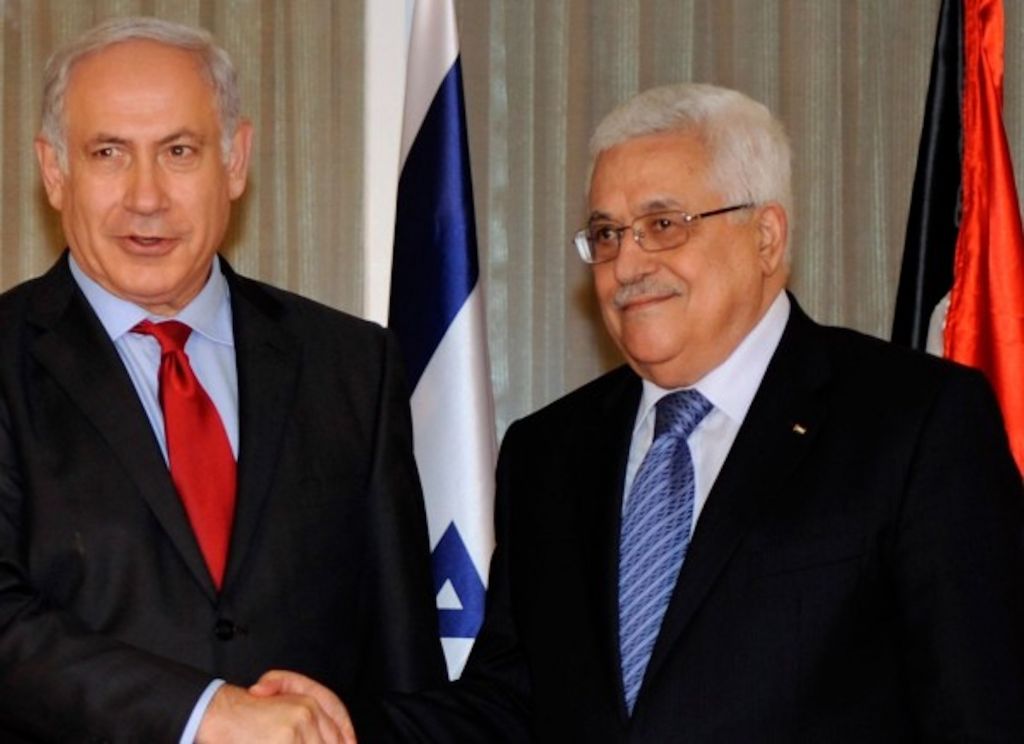
An influential parliamentary committee will conduct an inquiry into the UK’s policy on the Middle East peace process – including examining how “other states” influence the government’s approach.
The Foreign Affairs Select Committee today announced it would like at the steps the UK has taken to bring about a two-state solution and the obstacles to its realisation, as well as possible UK responses to failure to progress this vision.
The Committee called for written evidence on seven points of reference including “how UK policy is influenced by other states and interests parties”.
It comes three weeks after the Committee’s chair Crispin Blunt reportedly said he hoped to include comments by an official of the Israeli Embassy, filmed in an undercover sting, about “taking down” critical MPs.
“The Government may have formally closed the issue of Shai Masot, but one of our terms of reference invites consideration of the way that foreign states and interested parties seek to influence UK policy,” Blunt said. “In any such discussion, it is necessary to recognise the legitimate right of individuals and organisations to lobby within the bounds of the law. It is important to understand the context in which the UK formulates policy.”



The inquiry will also look at the UK’s response to the policies of the Trump White House, the passage of UN resolution 2334 and its engagement with the recent French peace conference, whose communique Britain refused to sign.
Blunt said: “The Israeli-Palestinian conflict remains an open wound on the map of the Middle East, leaving successive generations living under the perpetual shadow of destructive violence. It is unlikely that 2017 will be the year when a just and equitable solution is reached but, a century after the Balfour Declaration, the Foreign Affairs Committee wants to examine the UK’s role and our efforts to enable a resolution.
“The Committee will consider the historic and systemic issues that constitute such stubborn obstacles to peace. This context includes on-going issues of violence and incitement, internal divisions, and settlement expansion – all set within the context of Britain’s relations with the various parties to the conflict and its efforts to help them overcome these obstacles.”
The inquiry comes in the year of the cube art of the Balfour Declaration and 50th anniversary of the 1967 war. Deadline for written evidence is 30 March.

Keep community journalism free.
Jewish News is free for everyone. No paywall. No barriers. Just trusted journalism for anyone who wants to stay connected to Jewish life in Britain.
If you value that, please support us.
From as little as £5 a month, you can help keep our journalism free and accessible to all.
Every day, we report on the issues that matter to our community. We celebrate achievements, support charities, challenge antisemitism and ensure Jewish voices are heard more widely.
From as little as £5 a month, you can help us continue to:
- Report on the stories shaping Jewish life in the UK and beyond
- Bring our community together through shared stories, events and campaigns
- Celebrate the people, culture and moments that define our community
- Support organisations doing vital work across Jewish Britain
You can make a one-off donation or become a regular supporter. Every contribution helps keep our journalism free, independent and accessible to all.
If everyone who values Jewish News gave a small amount, it would make a real difference to our future.