Prefer Jewish News on Google

Commonwealth Jewish Council launches faith leadership network across UK and Africa
Twenty-six emerging Jewish and Christian leaders from six countries complete first leadership programme
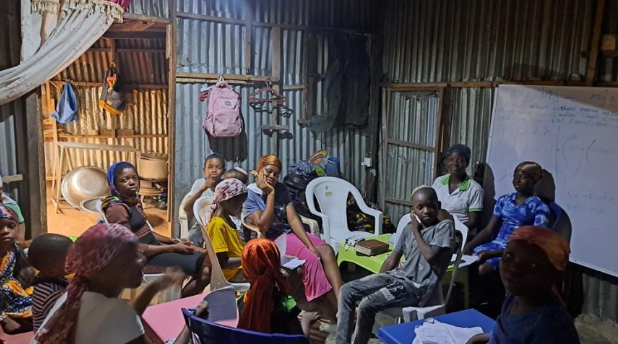
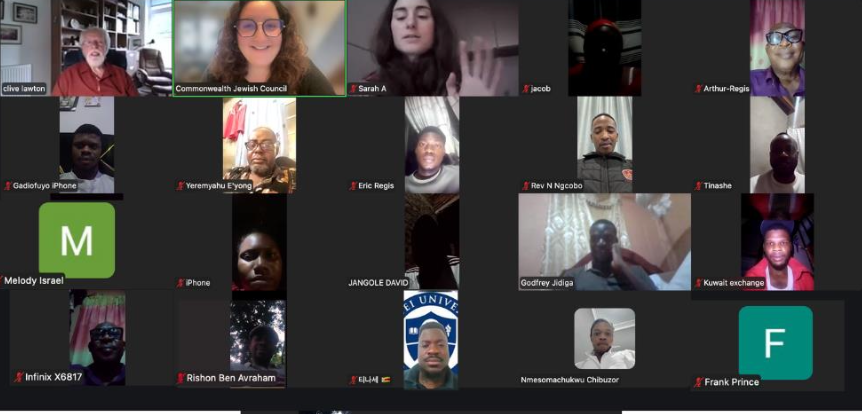
The Commonwealth Jewish Council (CJC) has completed its first Interfaith Leadership Programme, bringing together emerging Jewish and Christian leaders from across Africa and the UK in a bid to strengthen cooperation between faith communities.
Twenty-six participants from Nigeria, Uganda, Malawi, South Africa, Zimbabwe and the UK took part in the six-week online initiative, which focused on developing the next generation of interfaith leaders across the Commonwealth.
Many of those involved already hold leadership roles within youth organisations, faith groups, schools and community bodies, with the CJC hoping they will use the programme to build stronger relationships in their own communities.
Sessions covered topics including Jewish-Christian relations, conflict resolution, leadership, identity, difficult conversations and the role of faith in public life. Participants also developed practical projects aimed at encouraging greater interfaith cooperation after the programme ended.
Guest speakers included Commonwealth Jewish Council chair Clive Lawton, psychologist and conflict resolution specialist Dr Liat Amar-Arran, author and former TikTok and Facebook executive Michal Oshman, Council of Christians and Jews vice president Elizabeth Harris-Sawczenko OBE, and Dr Rev James Walters, director of the Faith Centre at the London School of Economics.
One participant from Nigeria said: “The most valuable part of the course was learning that effective leadership begins with listening and understanding before trying to lead.”
A participant from Uganda added: “The programme has strengthened my leadership skills and deepened my understanding of interfaith engagement. I leave with practical tools, new friendships and a renewed commitment to building relationships across faith communities.”
Arieh Miller, chief executive of the Commonwealth Jewish Council, said the initiative had shown the value of bringing young faith leaders together at a time of growing religious tensions.
“At a time when religious division and misunderstanding continue to present challenges across the Commonwealth, investing in emerging leaders has never been more important,” he said.
“This programme has demonstrated that when young leaders are given the opportunity to learn from one another with openness and respect, they build relationships that transcend differences and create lasting partnerships. We are incredibly proud of what this cohort has achieved and look forward to supporting them as they take these skills back into their communities.”
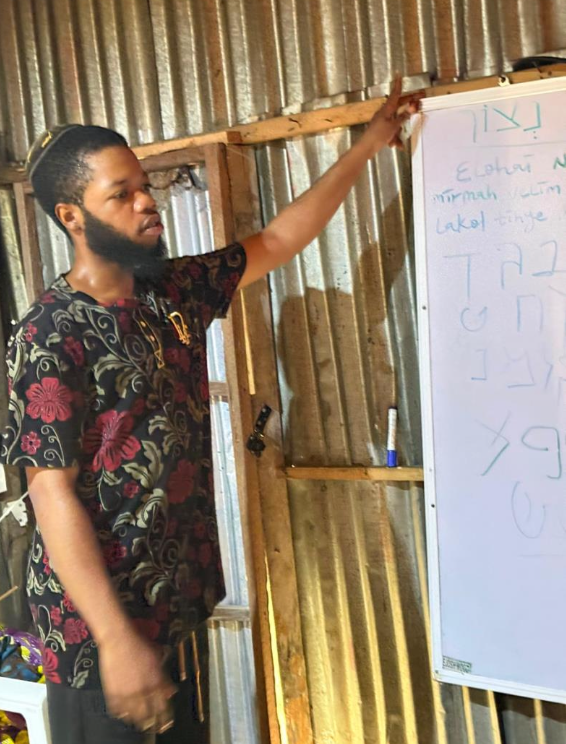
Daniella Myers, the CJC’s international campaigns director and the programme lead, said the inaugural cohort marked the beginning of a longer-term commitment to developing interfaith leadership.
“Leadership is not about having all the answers. It is about creating the space for people to listen, learn and work together. That is exactly what this programme has achieved,” she said.
“Bringing together emerging Jewish and Christian leaders from across the Commonwealth, particularly from our African member communities, has shown the extraordinary potential that exists when we invest in people and relationships. This inaugural cohort is just the beginning, and we look forward to expanding the programme in the years ahead to support even more future leaders.”
Following the programme, the CJC has established an alumni network to help participants stay connected, support one another and develop grassroots interfaith projects across the Commonwealth. The organisation also plans to run future editions of the programme as part of its wider work promoting religious freedom, interfaith dialogue and resilient communities.

Keep community journalism free.
Jewish News is free for everyone. No paywall. No barriers. Just trusted journalism for anyone who wants to stay connected to Jewish life in Britain.
If you value that, please support us.
From as little as £5 a month, you can help keep our journalism free and accessible to all.
Every day, we report on the issues that matter to our community. We celebrate achievements, support charities, challenge antisemitism and ensure Jewish voices are heard more widely.
From as little as £5 a month, you can help us continue to:
- Report on the stories shaping Jewish life in the UK and beyond
- Bring our community together through shared stories, events and campaigns
- Celebrate the people, culture and moments that define our community
- Support organisations doing vital work across Jewish Britain
You can make a one-off donation or become a regular supporter. Every contribution helps keep our journalism free, independent and accessible to all.
If everyone who values Jewish News gave a small amount, it would make a real difference to our future.