
 Prefer Jewish News on Google
Deadliest year for diaspora Jews in decades, major study warns
Global killings hit 30-year high while Britain sees rise in cases, with violence becoming more severe and widespread
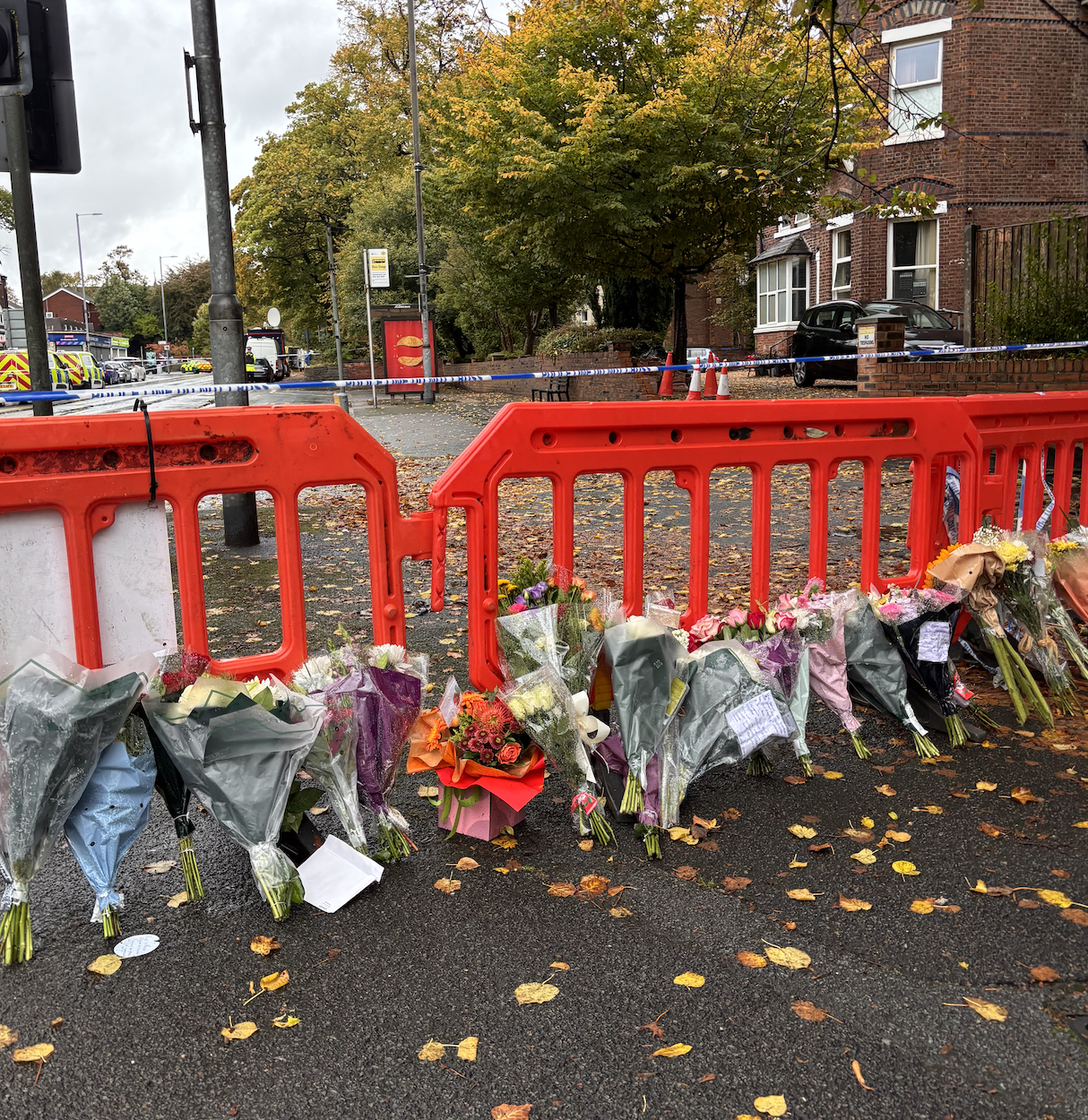
Antisemitic incidents in the UK rose again in 2025, as a major international study revealed that more Jews were killed in attacks worldwide than in any year for over three decades.
The report, published by Tel Aviv University, found that 20 people were murdered in four antisemitic attacks across three continents – the highest annual death toll since the 1990s.
Researchers say the figures reflect a wider shift, warning that antisemitism has become a “normalised reality” in many societies.
In the UK, 3,700 antisemitic incidents were recorded in 2025, up from 3,556 the previous year and still far above pre-7 October levels.
The report highlights a rise in the most serious cases. Four incidents of extreme violence were recorded in Britain, including a terror attack on a Manchester synagogue on Yom Kippur that killed two people – the first fatal antisemitic attack recorded in the UK in decades.



While overall totals in some countries have stabilised or dipped slightly compared to 2024, the study finds that physical assaults and high-impact attacks are increasing, pointing to a more dangerous environment for Jewish communities.
In Canada, incidents reached a record 6,800 in 2025, more than triple the number seen in 2022.
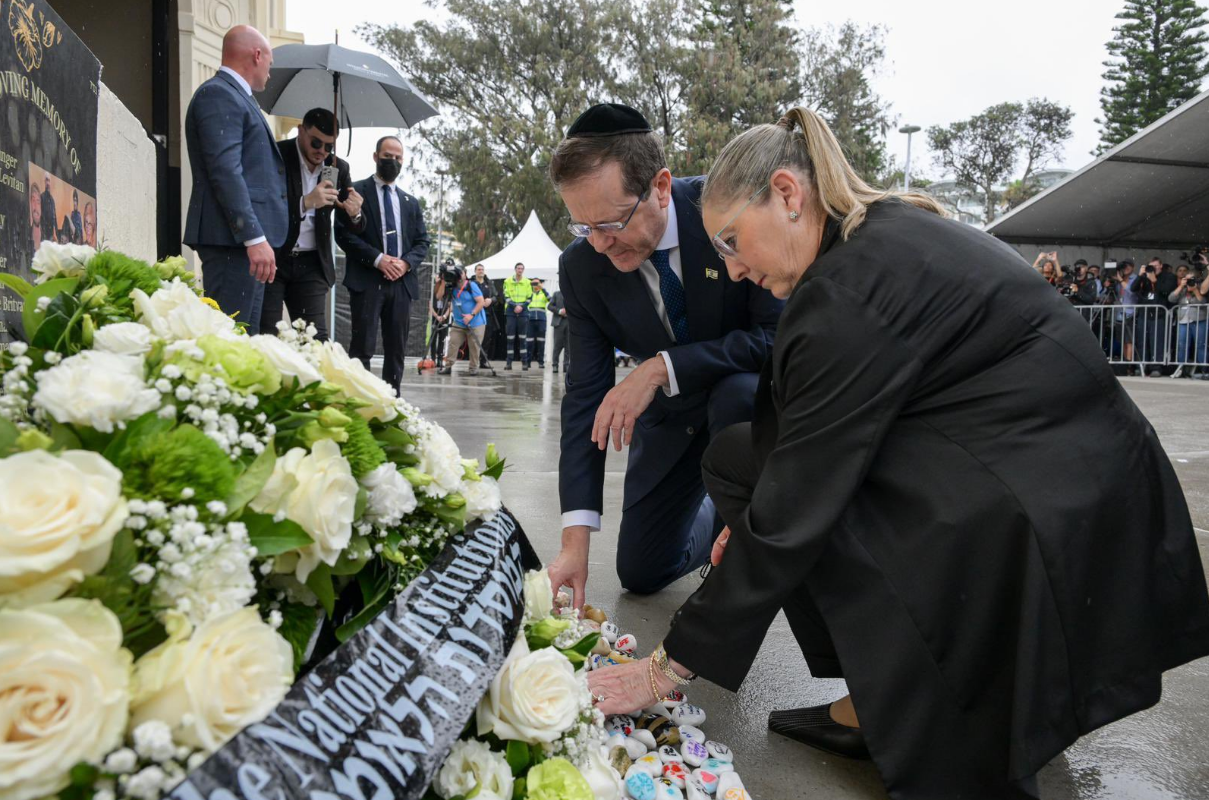
In Australia, 1,750 incidents were recorded, culminating in a Hanukkah mass shooting in Sydney that killed 15 people, one of the deadliest antisemitic attacks in recent years.
Julie Nathan, research director at the Executive Council of Australian Jewry, said the attack followed years of escalating hostility, warning: “Many of us knew that Jewish blood would be shed… it was only a matter of when, where, and how many.”
The United States saw mixed patterns, with a slight drop in New York but major attacks, including the killing of two Israeli embassy staff in Washington DC, and a fatal assault at a pro-Israel gathering in Colorado.
Elsewhere, France recorded a fall in overall incidents but a rise in violent assaults, while Germany logged thousands of antisemitic crimes despite a slight decrease year-on-year. Across all regions, levels remain significantly higher than in 2022, suggesting a lasting shift rather than a temporary surge.
Professor Uriya Shavit, the report’s editor-in-chief, warned that rising violence should not come as a surprise, adding that the authorities’ failure to act on lower-level incidents could lead to more serious attacks.
A parallel study found many attacks are carried out by “lone wolf” perpetrators, making them harder to predict and prevent. Dr Carl Yonker, who led the research, said attackers come from “a wide variety of ages, geographical areas, and ethnic backgrounds.”
The report warns that failing to confront lower-level antisemitism risks fuelling more serious violence, with patterns mirroring broader crime trends.

It also delivers a sharp critique of the Israeli government’s role in combating global antisemitism, stating that it “did not carry out even a single significant and effective action and often caused harm.”
The authors further argue that some Israeli political rhetoric has expanded the definition of antisemitism in ways that risk “draining it of meaning”, potentially undermining efforts to tackle genuine anti-Jewish hatred.
For the UK’s Jewish community, the findings underline a growing concern: that while the numbers remain high, the nature of the threat is becoming more dangerous – and more deadly.

Keep community journalism free.
Jewish News is free for everyone. No paywall. No barriers. Just trusted journalism for anyone who wants to stay connected to Jewish life in Britain.
If you value that, please support us.
From as little as £5 a month, you can help keep our journalism free and accessible to all.
Every day, we report on the issues that matter to our community. We celebrate achievements, support charities, challenge antisemitism and ensure Jewish voices are heard more widely.
From as little as £5 a month, you can help us continue to:
- Report on the stories shaping Jewish life in the UK and beyond
- Bring our community together through shared stories, events and campaigns
- Celebrate the people, culture and moments that define our community
- Support organisations doing vital work across Jewish Britain
You can make a one-off donation or become a regular supporter. Every contribution helps keep our journalism free, independent and accessible to all.
If everyone who values Jewish News gave a small amount, it would make a real difference to our future.





















