Prefer Jewish News on Google
Dolly Parton’s legacy includes the Jewish children’s book program she inspired
The late singer’s Imagination Library, which sends free books to children, helped inspire PJ Library
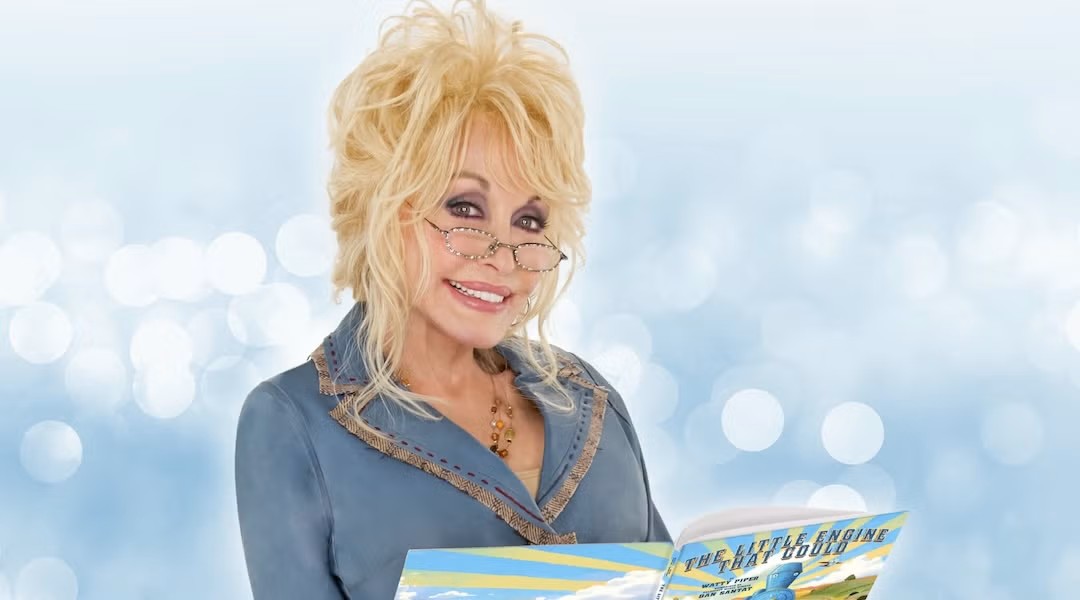
In Jewish circles, she was also remembered as the inspiration for PJ Library, a programme that sends free children’s books to Jewish families in order to foster Jewish values and traditions.
In 2015, when Harold Grinspoon launched PJ Library, he took a page from Parton, who a decade earlier had started Imagination Library, a literacy program that mails free children’s books to families across the US.
After hearing Parton interviewed about the program, Grinspoon, a philanthropist in and out of the Jewish community, signed on as a sponsor of the Imagination Library in Western Massachusetts, where he lives.
“We should create a Jewish version of Imagination Library,” said Grinspoon, according to a 2023 recollection by his daughter-in-law and president of the Harold Grinspoon Foundation, Winnie Sandler Grinspoon.
Two decades later, PJ Library has more than 670,000 subscribers in 40 countries.


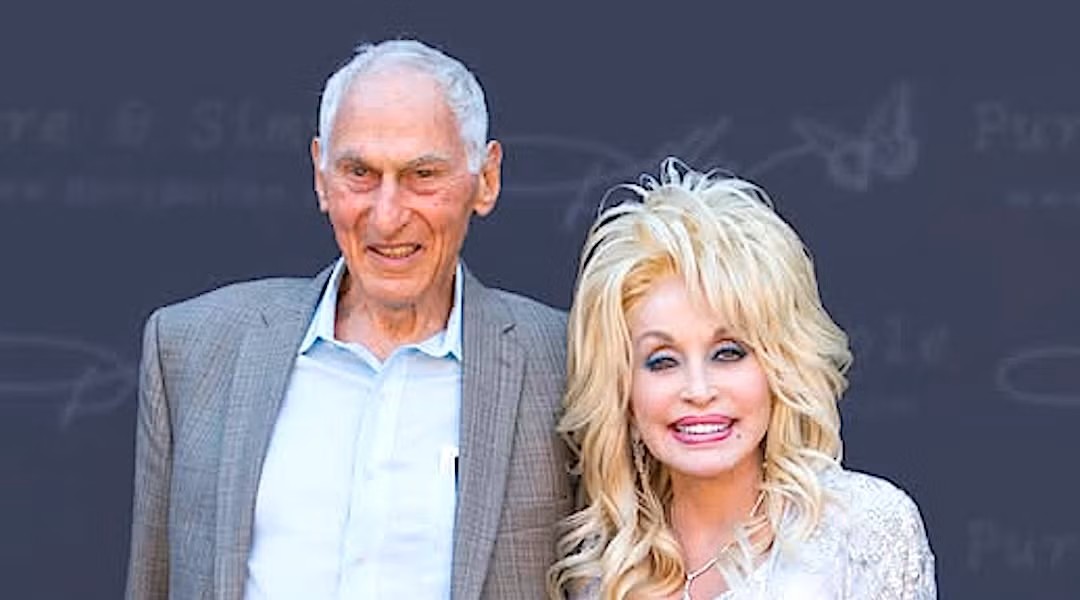
On Tuesday, in a tribute to Parton, PJ Library and the Harold Grinspoon Foundation recalled a meeting between the two in 2023. According to an Instagram post, she shared the following with him: “I am honoured to get to help inspire a love of reading in children. They truly are our future.”
“Harold remembers Dolly as ‘a truly amazing person — not only a great artist, but a great entrepreneur and philanthropist,’” according to the post. “We honour Dolly for educating millions, for her remarkable career, her kindness, her art, and especially her generosity. Dolly’s generosity of spirit extended far beyond inspiring the creation of PJ Library,” Alex Zablotsky, PJ Library’s executive director, told the Jewish Telegraphic Agency.
Parton drew inspiration for her art and philanthropy from her hardscrabble roots in rural Tennessee. She was one of 12 kids growing up in a one-room log cabin in the Smoky Mountains. Parton’s father never learned how to read or write.
“This actually started because my father could not read and write, and I saw how crippling that could be,” Parton said of the Imagination Library at a ceremony where she was awarded a Carnegie Medal for her partnership with a pediatric hospital in East Tennessee, now named for Parton.
“My dad was a very smart man. And I often wondered what he could have done had he been able to read and write. So that is the inspiration,” she said.
Parton had a close bond with other Jews, notably Sandy Gallin, the manager who guided her from Nashville to mainstream pop stardom, according to the Forward.
When Gallin died in 2017, Parton said, “Nobody could quite get how the Christian Southern girl and the New York Jewish boy could have so much in common. But it was real.”
One trouble spot, however, came in a 1994 interview with Vogue, when Parton mused about starting a television series about a country singer who turns to gospel music. She gave up the idea, she said, because “most of the people out here [Hollywood] are Jewish and it’s frightening for them to promote Christianity.”
She later apologized in a letter to Abe Foxman, then head of the Anti-Defamation League, JTA reported at the time. “I know how stereotypes can be hurtful,” she wrote. “Like all Americans of good will, I recognise the importance of rejecting prejudice.”
Foxman accepted her apology. “Whatever she said was unfortunate, and she recognizes that,” Foxman told The New York Times. “I know it’s not easy for celebrities to publicly say they made a mistake. As far as we are concerned, the matter is behind us.”
On Tuesday, Laura Liebman, director of development for The Bronfman Fellowship for young Jewish leaders, paid tribute to the singer, who was a feminist and an ally of the LGBTQ+ community.
“Dolly somehow managed to transcend race, class, religion, politics and gender,” Liebman wrote in an essay for eJewishPhilanthropy. “As the Jewish community becomes increasingly siloed, we could all learn from Dolly’s radical acceptance and show more love and compassion for our fellow Jews.”

Keep community journalism free.
Jewish News is free for everyone. No paywall. No barriers. Just trusted journalism for anyone who wants to stay connected to Jewish life in Britain.
If you value that, please support us.
From as little as £5 a month, you can help keep our journalism free and accessible to all.
Every day, we report on the issues that matter to our community. We celebrate achievements, support charities, challenge antisemitism and ensure Jewish voices are heard more widely.
From as little as £5 a month, you can help us continue to:
- Report on the stories shaping Jewish life in the UK and beyond
- Bring our community together through shared stories, events and campaigns
- Celebrate the people, culture and moments that define our community
- Support organisations doing vital work across Jewish Britain
You can make a one-off donation or become a regular supporter. Every contribution helps keep our journalism free, independent and accessible to all.
If everyone who values Jewish News gave a small amount, it would make a real difference to our future.