Prefer Jewish News on Google
‘Don’t think you can do without us’
Now starring in High Society at the Barbican, Felicity Kendal is determined to stay positive about the future for her people
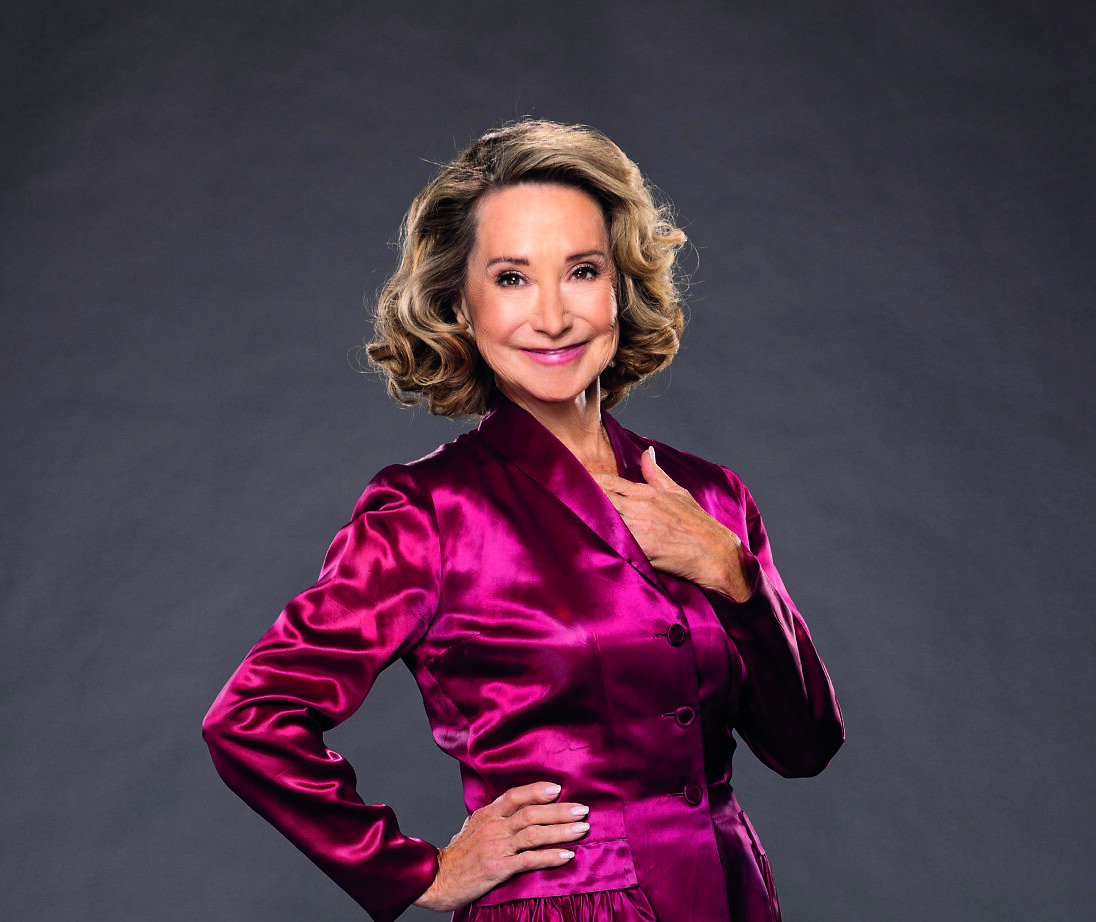
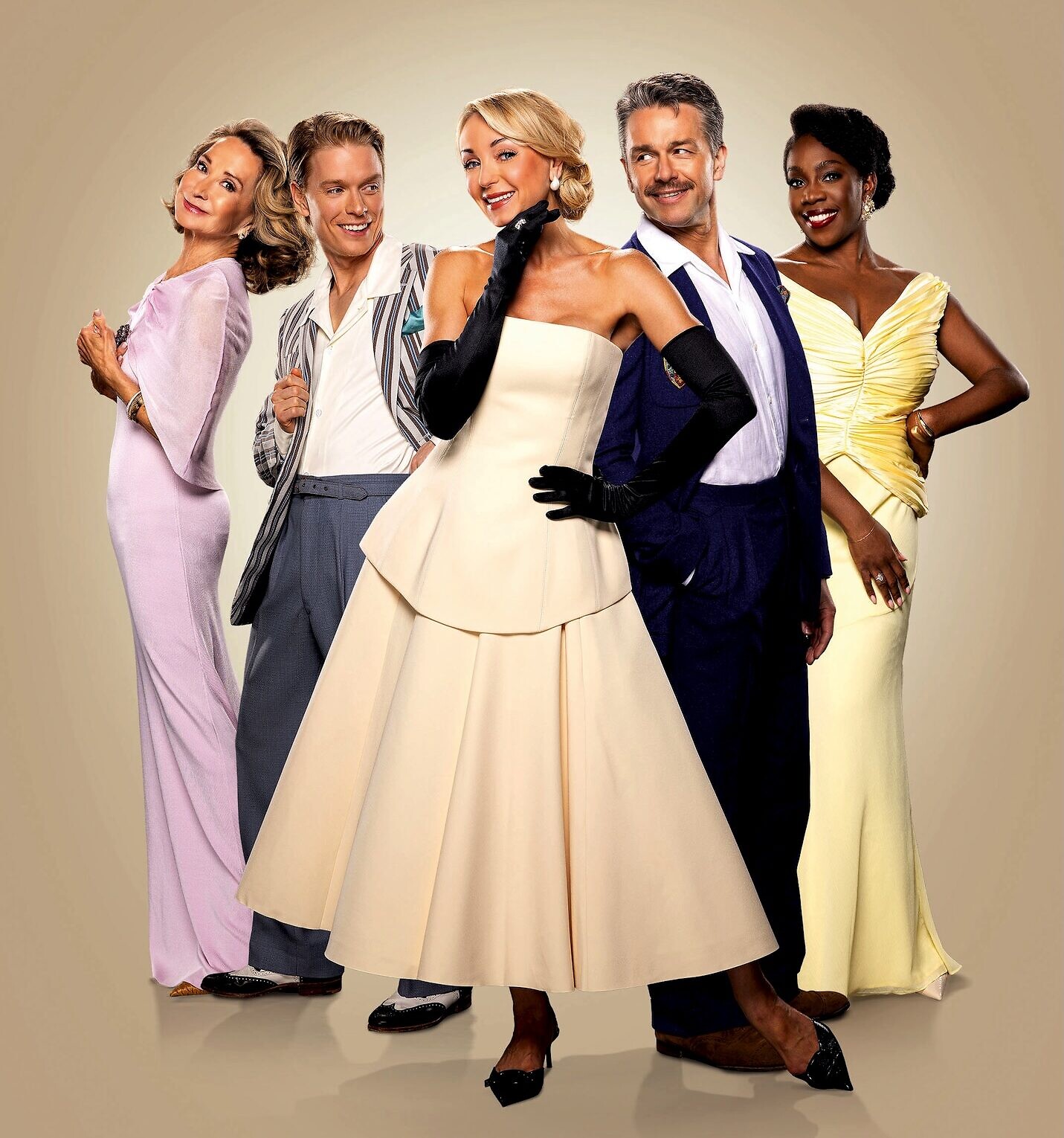
The downside of being raised on musicals is that I grew up believing I belonged in one. That one day I’d belt out a solo or fan-kick my way into Chicago. Since I realised that wasn’t happening, I’ve tried to stay close to the roar of the greasepaint as much as my job allows. And sometimes it allows a lot. Back in April, I was bounding up the stairs at the Jerwood Space in Southwark for High Society rehearsals. I could hear Cole Porter’s Let’s Misbehave as I reached the studio where director Rachel Kavanaugh was directing a cast of which I was not part. I was there to talk to one of her stars.
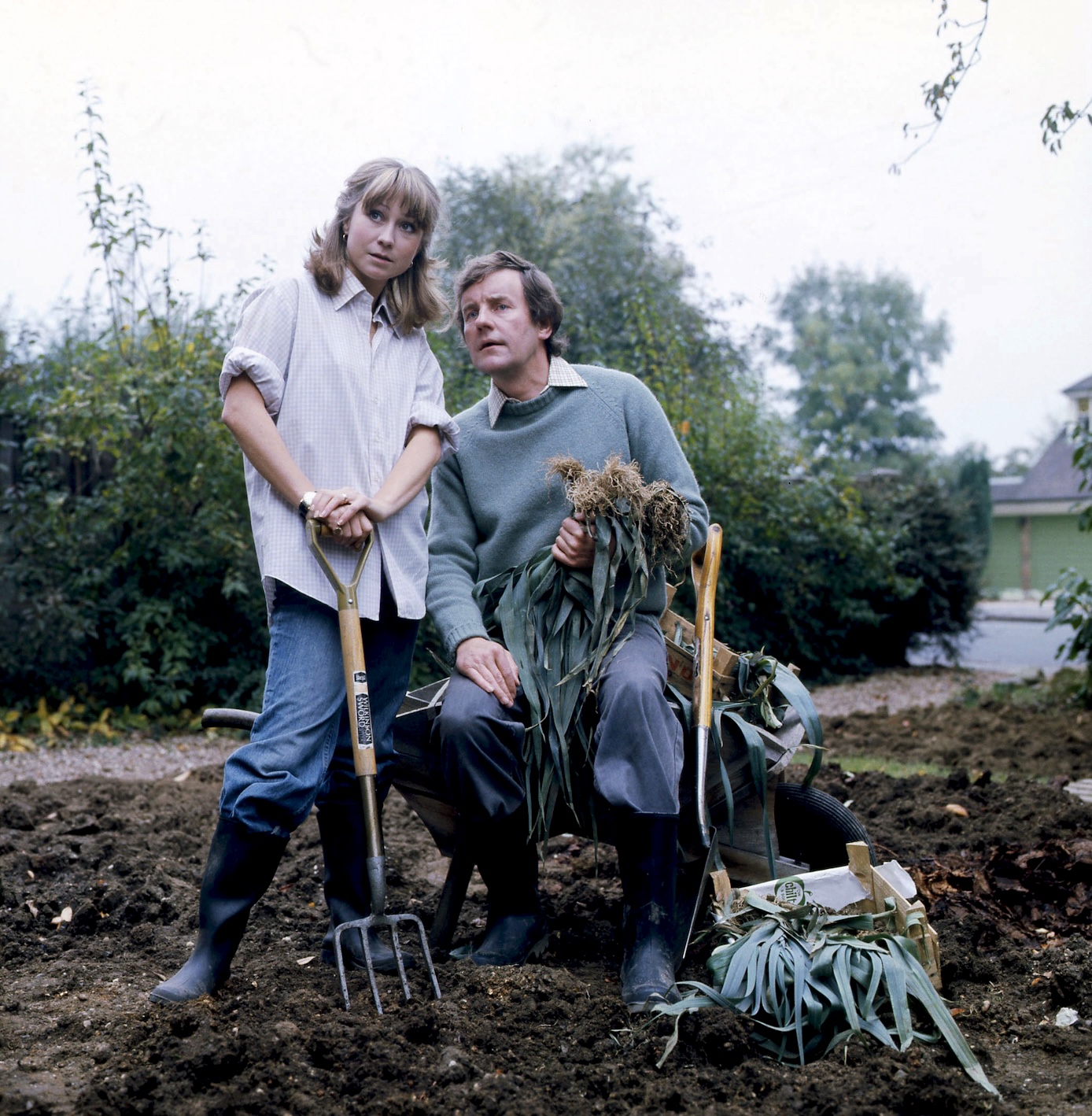
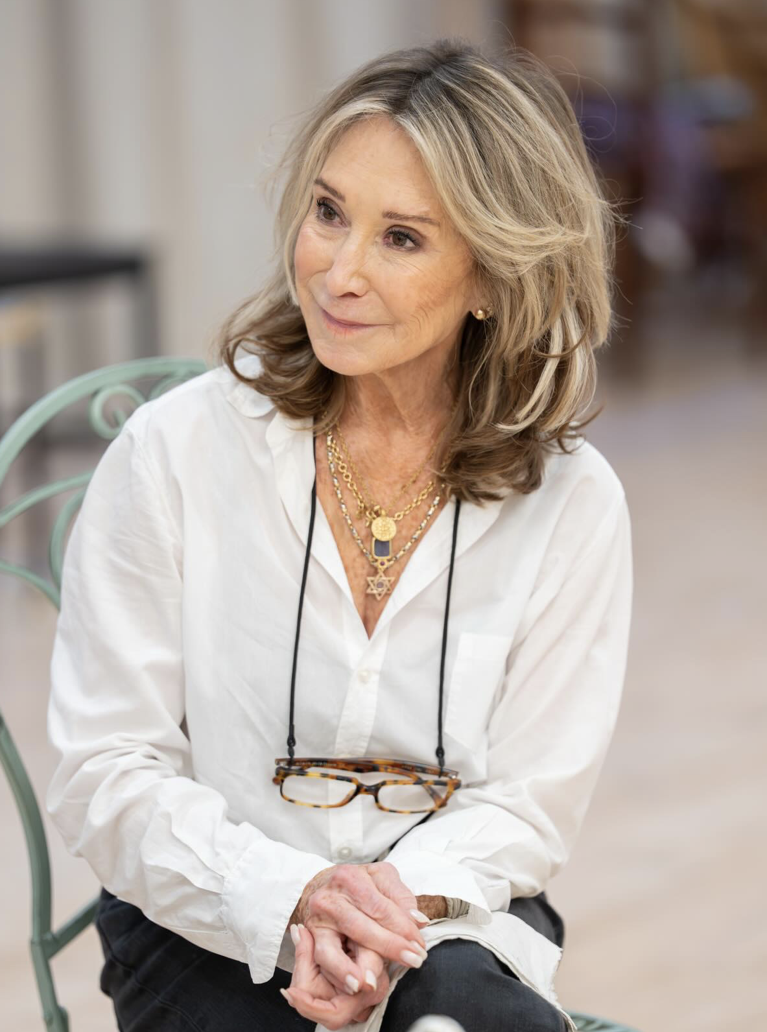
Waiting, I avoided standing beside any youthful lithe dancers as they make the old look older. But not Felicity Kendal. Petite, slim and smiling, hair slightly tousled, she had the vibe of someone young enough to be in the chorus. She was also wearing jeans and a shirt, as she did when she was Barbara Good starring opposite the late Richard Briers as husband Tom in The Good Life, which turned her into the nation’s darling and a poster girl for self-sufficiency in suburbia.
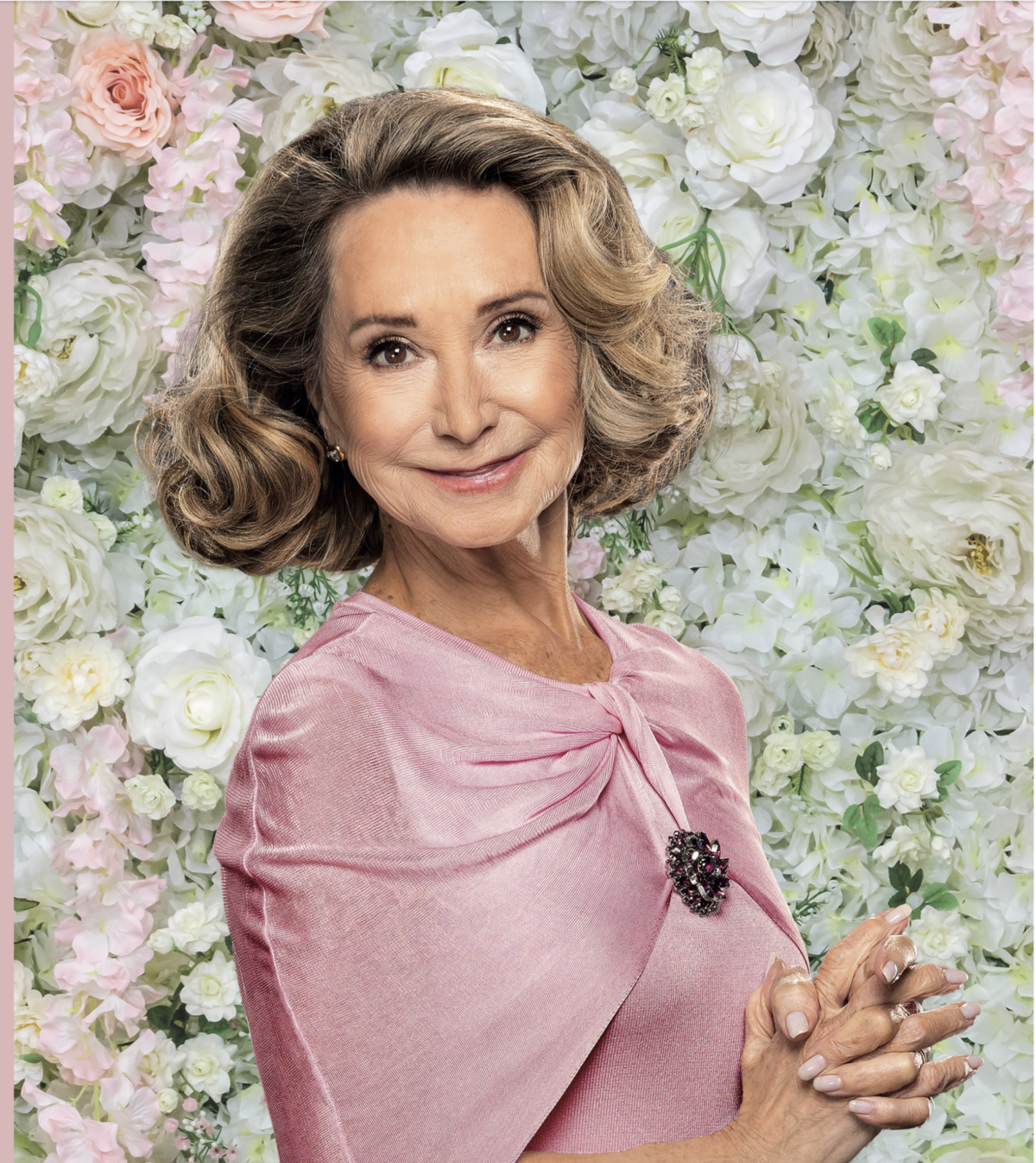
The wellies and the mud streak on her face were missing, but in every other respect, time appeared to have stood still.
Which makes the idea of Felicity being cast as Margaret Lord – mother to Helen George’s Tracy, immortalised on screen by Grace Kelly – feel faintly impossible. Felicity, however, is less interested in questions about age than in the joy of still being in the room.
“It’s wonderful seeing people who’ve spent hours and hours honing their craft,” she says of the young cast. “My craft isn’t singing and dancing, but being part of a musical is something I love.”

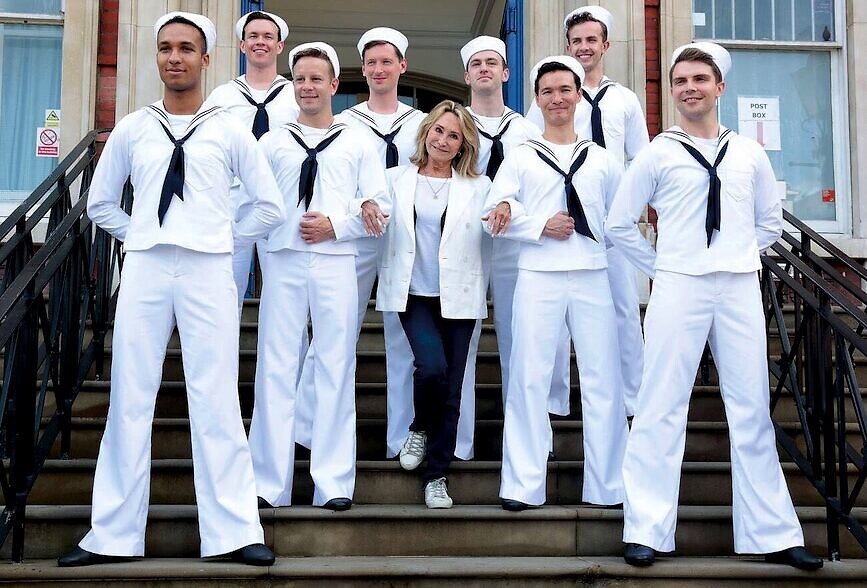
Her last musical was Anything Goes opposite Sutton Foster – a production that arrived just as audiences nervously began returning to theatres after Covid. “It was rather wonderful,” she recalls. “People were still in masks, and we looked out and thought, ‘They do want to be together.’ For a while, we honestly thought that it might be the end – that people would get out of the habit of going to the theatre. But the absolute opposite happened. As soon as the doors opened, they were there. It wasn’t true for cinema, but theatre is unifying. Human beings want to connect and have a shared experience.”
The High Society audience experience, according to Felicity, is “like having lots of really nice chocolates and champagne. It’s the fizz and sweetness of escaping some of the life we’re living and it’s Cole Porter! One of the greats. You see I’m slightly old fashioned and believe that if it’s a classic, then it’s relevant because it’s a classic. Apart from adding a few songs, it’s true to the original.”
I tell her I’m not a fan of radical reinterpretations either and ask if she has a favourite musical. “Not particularly,” she says, sheepishly. “I grew up much more with the theatre.”
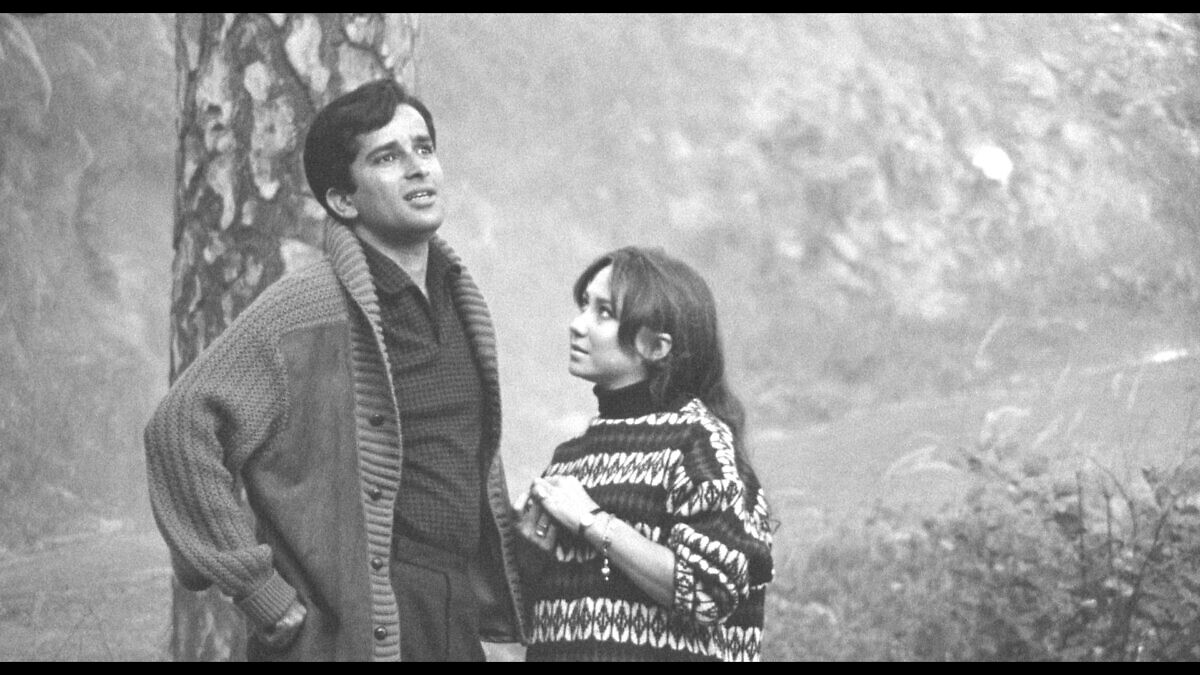
Raised in India, Felicity’s actor parents, Geoffrey and Laura Kendal, ran the travelling theatre company Shakespeareana, later depicted in the Merchant Ivory film Shakespeare Wallah, in which Felicity appeared as a child alongside her late sister actress, Jennifer. I tell her I spent time working in India and love Bollywood, which she knows lots about.
“Early Bollywood, proper Bollywood, was very much part of my life and the films were absolutely groundbreaking and very clever.” Jennifer famously married Indian acting legend Shashi Kapoor and the sisters appeared together in the film Heat and Dust.
We chat about the fact that Bollywood’s earliest female stars were Jewish because at the time Hindu women weren’t allowed and it is a natural segue into another part of Felicity’s life: her Jewish faith, which she has never hidden – even at rehearsals she was wearing her Star of David on a chunky gold chain. That she is rarely seen without it was once part of a profile but, in the current climate, feels brave and defiant. “That’s why I wear it,” she says simply. “I feel it’s the least I can do.”
Felicity converted to Judaism and when I ask her when, she sighs. “Oh don’t – it’s 45 years. It makes me feel very old.”
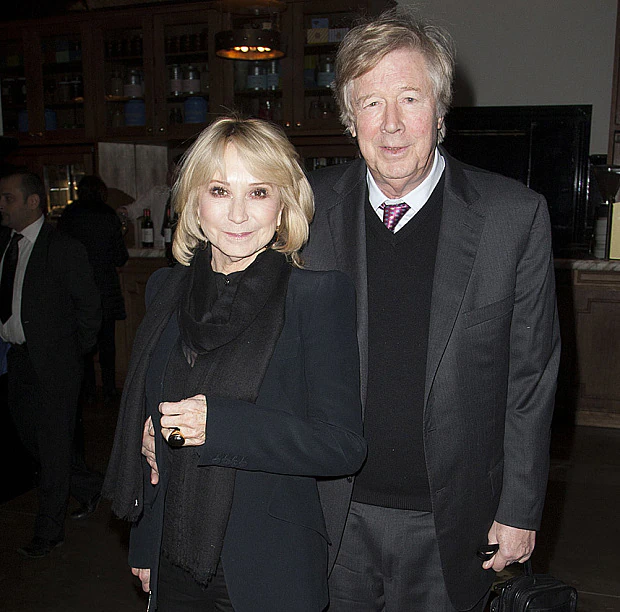
She was married to acclaimed Jewish American theatre director Michael Rudman, who died in 2023, but when I ask why she converted in the first place, she can’t entirely separate the reason from the life that followed. “But never, ever in my life have I thought, ‘I’m not really,’ or ‘I wish I hadn’t,’” she says firmly. “Never, never, never.”
Listening to her, it’s crystal clear that she stopped feeling like a convert long ago as she only talks in terms of “we”.
And it as “we” and “us” that she is troubled by what is facing Jews now, particularly within the arts world. “It’s pretty unpleasant if you’re Jewish and visible, and tricky because you feel you can’t start an argument or put across your point of view because it immediately becomes antagonistic. It is without doubt the worst time in a long time.”
Yet she refuses to be bitter and uses theatre and literature as a counterbalance. “There are so many Jewish books, plays, so many productions,” she says. “Arthur Miller again and again. These stories keep coming back because they remain relevant and, by continuing to be seen, they educate people.”
I ask whether art can also take audiences in the wrong direction. She pauses to think. “Well, that’s interpretation. Friends of mine who saw Mark Rosenblatt’s Giant about Roald Dahl were disturbed less by the play than by the audience reaction to it. But editing things ‘out’ isn’t right either. The thing is to have the plays performed, the books written, people talking. Hopefully they will then understand more about the past and cultural differences that are not actually that different. Most of the differences are invented.”
For Felicity, antisemitism entering the arts feels painful – “because our business embraces differences. Different cultures, different characters. That’s part of what we do. To have division within our world is doubly upsetting.”
But alongside the hurt and concern there is also pride – the key to why she wears her necklace so visibly. “Because of how brilliant we are. How fundamental we have always been to writing, to music, to directing. Don’t think you can do without it.”
Although she has no Holocaust family history herself, her late husband Michael, who died in 2023, came from a Russian Jewish family who fled pogroms before the Second World War. After more than four decades immersed in Jewish family life, Felicity has absorbed that history emotionally.
“If anything it makes me want to be stronger,” she says, but catches herself becoming too serious. “You just have to be positive.”
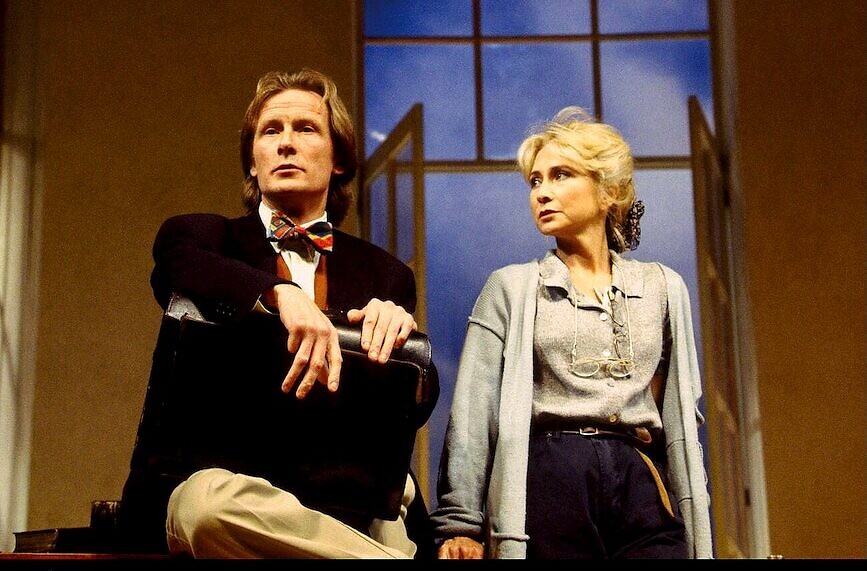
Being positive perhaps explains her career spanning more than six decades as she has moved between Coward, Shakespeare and Stoppard, starring in acclaimed productions of Amy’s View, The Vortex and Ivanov, alongside such television successes as Solo, Rosemary & Thyme and now High Society.
Thanking me, she leaves to join the young dancers who impress her so much. Performers too young to have grown up watching The Good Life, so I wonder whether they fully appreciate the age-defying woman dancing with them, who turns 80 in September, and once had half the nation in love with her while wearing dungarees and tending vegetables in Surbiton.
High Society is at the Barbican until 11 July followed by a UK and Ireland tour. HighSocietyMusical.com

Keep community journalism free.
Jewish News is free for everyone. No paywall. No barriers. Just trusted journalism for anyone who wants to stay connected to Jewish life in Britain.
If you value that, please support us.
From as little as £5 a month, you can help keep our journalism free and accessible to all.
Every day, we report on the issues that matter to our community. We celebrate achievements, support charities, challenge antisemitism and ensure Jewish voices are heard more widely.
From as little as £5 a month, you can help us continue to:
- Report on the stories shaping Jewish life in the UK and beyond
- Bring our community together through shared stories, events and campaigns
- Celebrate the people, culture and moments that define our community
- Support organisations doing vital work across Jewish Britain
You can make a one-off donation or become a regular supporter. Every contribution helps keep our journalism free, independent and accessible to all.
If everyone who values Jewish News gave a small amount, it would make a real difference to our future.