Prefer Jewish News on Google
Emirati social media star remembers ‘scary’ skyscraper photo
Norah Alawadhi spoke at a UAE-Israel Business Council event to International Women's Day
It was an International Women’s Day with a difference: for the first time since their countries agreed a peace deal, Israeli and Emirati women came together to celebrate their new-found ties of business and friendship.
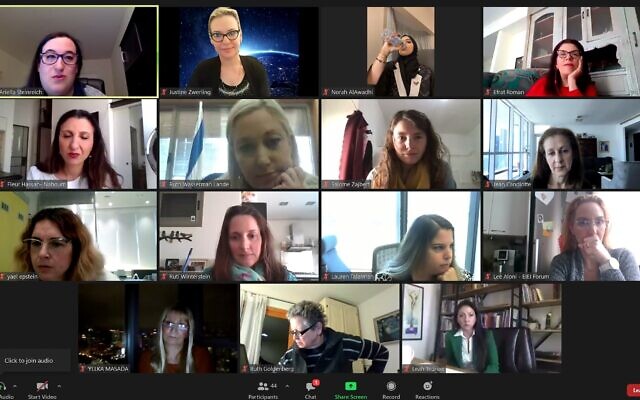
The online meeting by the UAE-Israel Business Council brought together entrepreneurs, politicians and social media influencers for a breakfast conversation.
It was chaired by Jerusalem’s deputy mayor Fleur Hassan-Nahoum and Justine Zwerling, the British-Israeli entrepreneur.
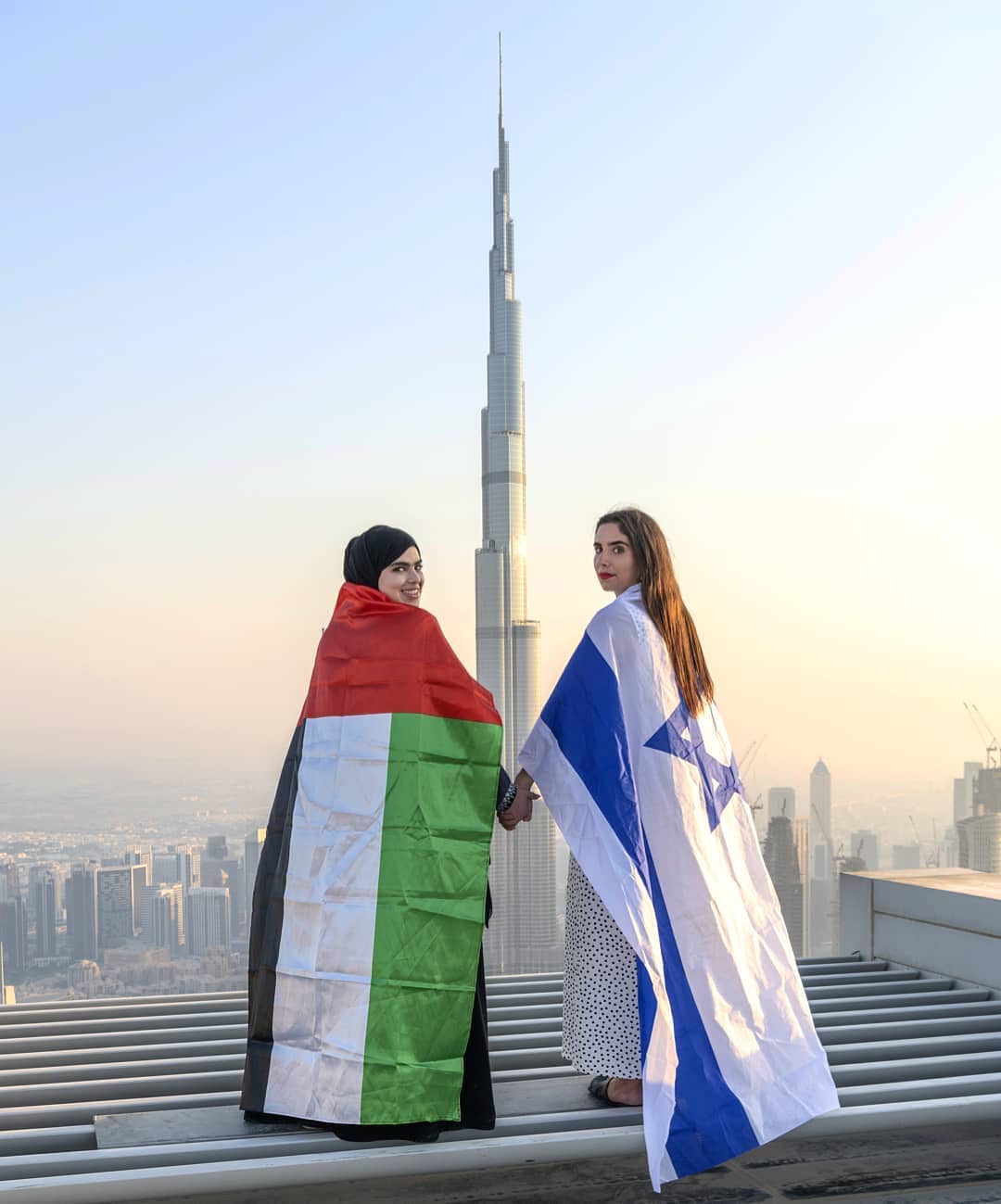
One story came from Norah Alawadhi, the social media influencer who became a viral hit appeared of her holding hands with her Israeli friend Ronny Gonen, both women draped in their country’s flags.
Alawadhi said the experience was had been frightening, and not just because they were standing next to fragile railings on the 80th floor of a Dubai skyscraper.



“We were scared because we were standing on something that was moving,” she said. “People kept saying it was staged, but it was not fake, it was real.
View this post on Instagram
“I was getting death threats, it was a bit scary, but I decided not to pay attention to the hate.”
The photograph was taken after she had spent a day showing Gonen around Dubai: she said she had never had an encounter with Israelis or a Jewish person before.
Also attending Monday’s session was Ruth Wasserman Lande, the MK from Benny Gantz’s Blue & White party and former advisor to Shimon Peres during his presidency.
She recounted her experiences as a diplomat based at the Israeli embassy in Egypt. Some observers have contrasted Israel’s longstanding but “cold” peace with Egypt against its new, fast-moving and warm relations with the United Arab Emirates.
A different account of blossoming Israel-UAE relations came from Efrat Roman, an Israeli breast cancer survivor whose difficult recovery experience led her to invent a light, sterile, disposable bra that women could put on and adjust by themselves.
The product, EZbra, has been successfully marketed to countries around the world — but in the United Arab Emirates, the “Made in Israel” tags would have to be removed prior to shipping.
Roman recounted the moment when the Abraham Accords were agreed last autumn.
“I got a call from my US distributor saying we can ship to the UAE,” she said. “We saw the effects immediately.”
There was a similar story from Leah Tedrow, a marketer whose Israeli-made reusable face mask is made of substances that can kill COVID-19.

Keep community journalism free.
Jewish News is free for everyone. No paywall. No barriers. Just trusted journalism for anyone who wants to stay connected to Jewish life in Britain.
If you value that, please support us.
From as little as £5 a month, you can help keep our journalism free and accessible to all.
Every day, we report on the issues that matter to our community. We celebrate achievements, support charities, challenge antisemitism and ensure Jewish voices are heard more widely.
From as little as £5 a month, you can help us continue to:
- Report on the stories shaping Jewish life in the UK and beyond
- Bring our community together through shared stories, events and campaigns
- Celebrate the people, culture and moments that define our community
- Support organisations doing vital work across Jewish Britain
You can make a one-off donation or become a regular supporter. Every contribution helps keep our journalism free, independent and accessible to all.
If everyone who values Jewish News gave a small amount, it would make a real difference to our future.