Prefer Jewish News on Google

Eva Schloss was never just Anne Frank’s stepsister – she was Heinz Geiringer’s voice
Remembering Eva Schloss as a survivor who devoted her life to preserving her brother Heinz’s silenced artistry
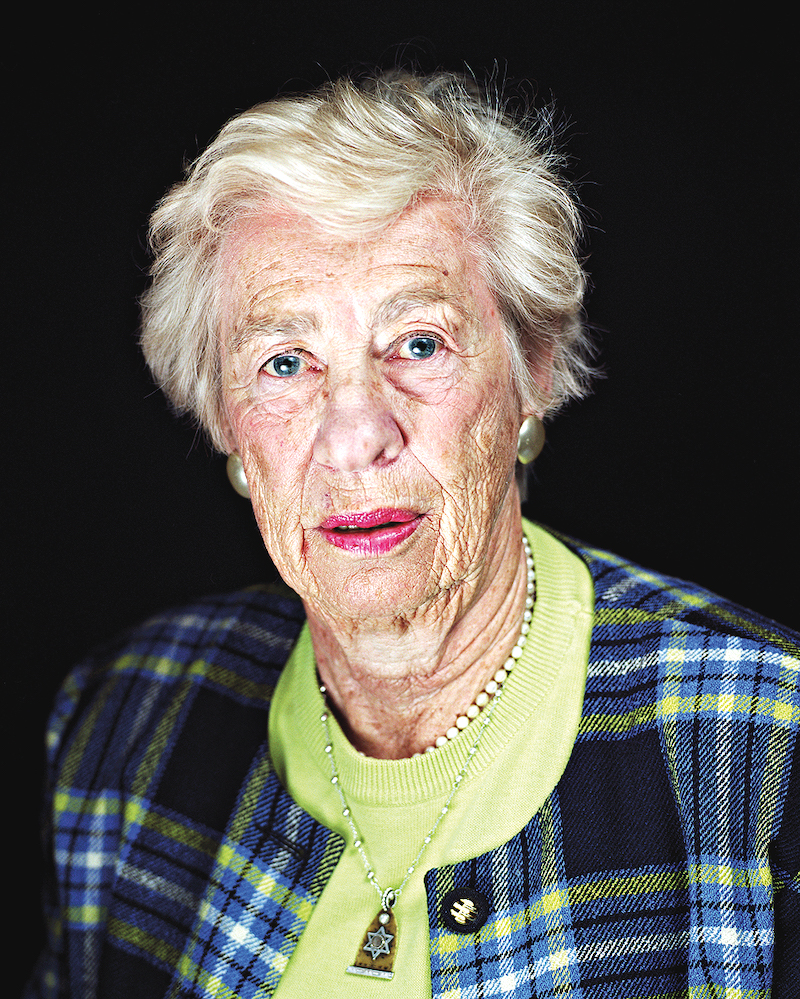
Eva Schloss is known to the world as the posthumous stepsister of Anne Frank. After the war, her surviving mother, Elfriede, married Otto Frank, Anne’s surviving father, making Eva part of one of history’s most recognised families. But for those who truly knew Eva Schloss, she was so much more than a title bestowed by tragedy.
Yes, Eva knew Anne Frank before the Holocaust tore their world apart. The two girls were weeks apart in age and lived in the same apartment building on the Merwedeplein in Amsterdam—refugee families whose lives had already been twisted by Nazi antisemitism. Both families went separately into hiding. Both were denounced. Both were sent to Auschwitz, where some survived, and others did not.
In a cruel twist of fate, Eva and her mother, Elfriede, were too sick to be deported from Auschwitz in January 1945. This meant that despite their deteriorated state, they were liberated earlier than those who marched westward. Anne, her sister Margot, and their mother Edith were among the tens of thousands deported from Auschwitz, ultimately incarcerated in Bergen-Belsen, where all three died amid the starvation and disease that made that camp a hell on earth. Heinz and his father, Erich, did not survive.
When Otto Frank and Elfriede found each other back in the Netherlands—both searching for spouses and children who would never return—they eventually married. Eva was already an adult; Anne had been murdered a decade before. Circumstance made Eva the posthumous stepsister of one of history’s most famous diarists, a girl who would rather have been alive and unpublished than published and dead.
For the rest of her life, Eva was almost universally introduced as the posthumous stepsister of Anne Frank. But Eva wanted to be known as the surviving sister of Heinz Geiringer, musician and artist. If you were to meet Eva Schloss, there was one teenager she always spoke about, whose artistry she admired, whose story she devoted her life to telling: her brother Heinz.
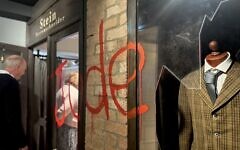
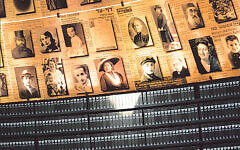

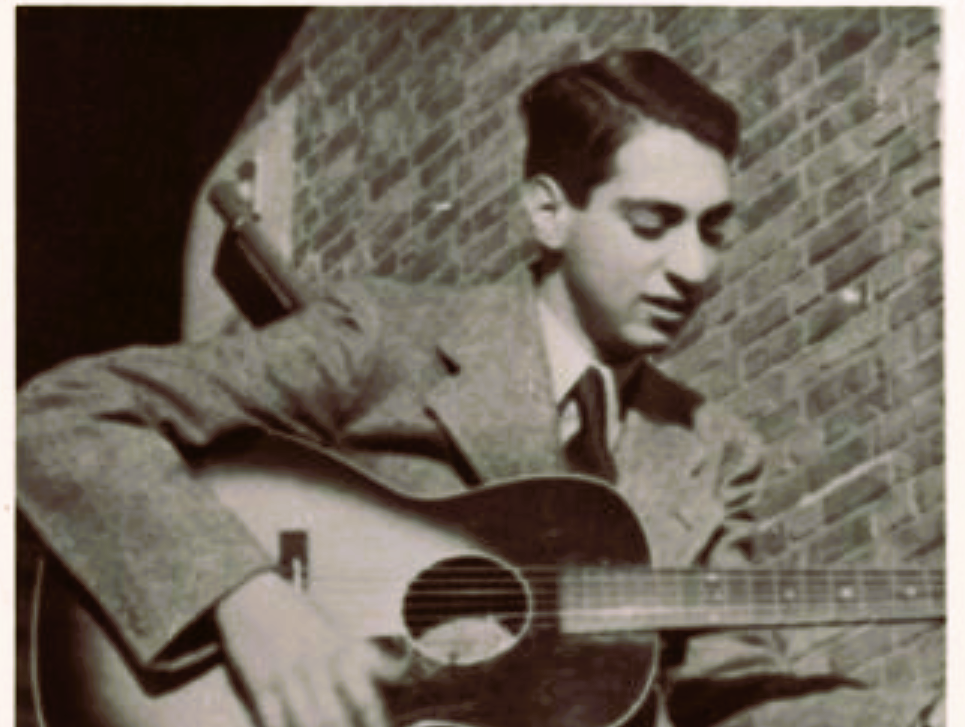
Before the war, Heinz Geiringer was a talented musician and composer. But the Geiringer family hid in two separate attics: Heinz and his father, Erich, in one, and Eva and her mother, Elfriede, in another. Unable to play an instrument without betraying his hiding place, Heinz turned to painting. For more than a year, he captured his cramped quarters on canvas, bringing us into his world. When the family was rounded up, Heinz hid his artwork under the floorboards. On the train to Auschwitz, he told Eva where to find it if he did not survive.
After the war, Eva returned to that attic with her mother and recovered thirty paintings from beneath the floorboards. Today, his work is part of the collection at the Jewish Historical Museum in Amsterdam. Eva made it her life’s mission to ensure her brother’s voice would not be silenced.

While crowds packed halls to hear the stepsister of Anne Frank, the person they discovered was a towering strength of humanity—eloquent, dignified, soft-spoken, incisive, and unrelenting. Audiences were left with the distinct impression of a woman who built her insight not on Anne Frank’s legacy, but on her own experience.
Eva pulled no punches. She did not allow audiences the comfort of Anne’s famous words that ‘people are basically good at heart’ – words written before Anne arrived at Auschwitz. Eva shifted the onus onto her audiences: to be good at heart, to make the effort, to understand that humans can be terribly hateful and violent, and that we must choose otherwise.
I had the privilege of knowing Eva during the last decades of her life and witnessed the impact she had day after day, all over the world. I spent more time with her in the United States, where she would tour every year, than I ever did in England. I saw her grappling with the world’s problems alongside the next generation—thousands packed into large auditoriums, hanging on her every word.
I was part of her interviews at the USC Shoah Foundation, including her Dimensions in Testimony project, where she answered over a thousand questions, knowing that one day she would no longer be here. She loved nothing more than answering questions; the more difficult, the more she engaged. She wanted to wrestle with the most complex questions the Holocaust could ignite.
Eva Schloss has left her story in books, films, and testimonies. Let us not define her as the stepsister she never was, but recall the woman she became: sister of Heinz Geiringer, teacher and guide, always shining her light on the dark side of humanity.
- Stephen D. Smith is executive director Emeritus of USC Shoah Foundation

Keep community journalism free.
Jewish News is free for everyone. No paywall. No barriers. Just trusted journalism for anyone who wants to stay connected to Jewish life in Britain.
If you value that, please support us.
From as little as £5 a month, you can help keep our journalism free and accessible to all.
Every day, we report on the issues that matter to our community. We celebrate achievements, support charities, challenge antisemitism and ensure Jewish voices are heard more widely.
From as little as £5 a month, you can help us continue to:
- Report on the stories shaping Jewish life in the UK and beyond
- Bring our community together through shared stories, events and campaigns
- Celebrate the people, culture and moments that define our community
- Support organisations doing vital work across Jewish Britain
You can make a one-off donation or become a regular supporter. Every contribution helps keep our journalism free, independent and accessible to all.
If everyone who values Jewish News gave a small amount, it would make a real difference to our future.