Prefer Jewish News on Google
Exhibition reveals Auschwitz through inmates’ eyes
Display at the National Museum in Krakow highlights the brutality of the Nazi death camp with works made by prisoners
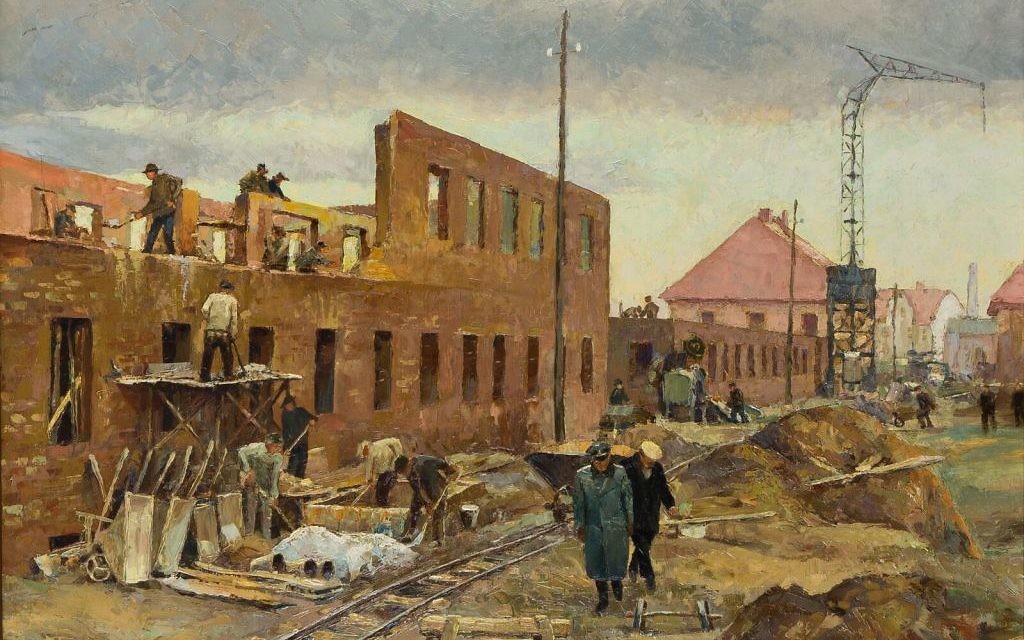
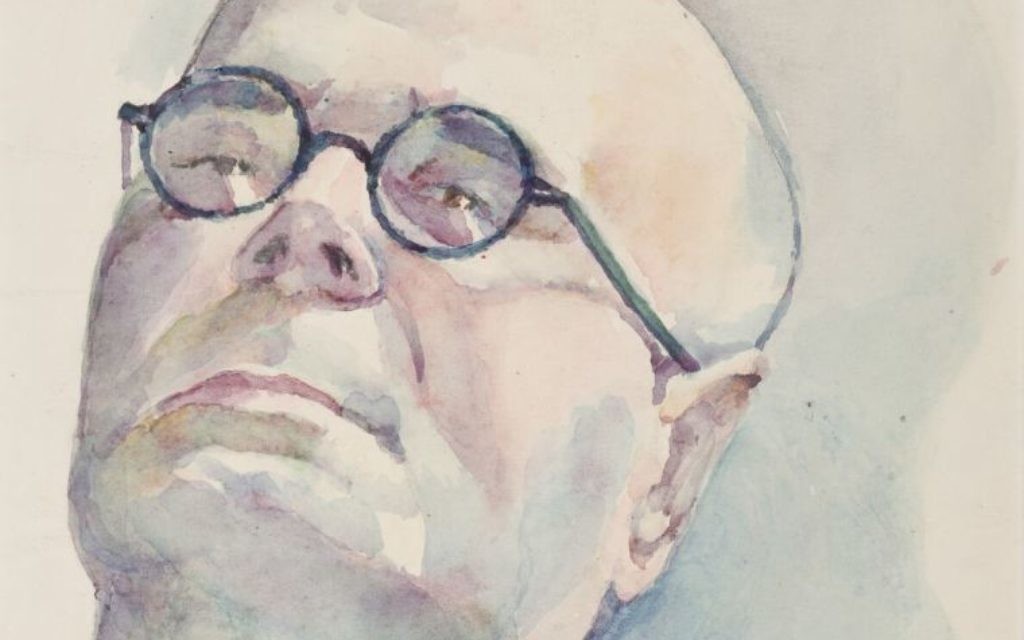
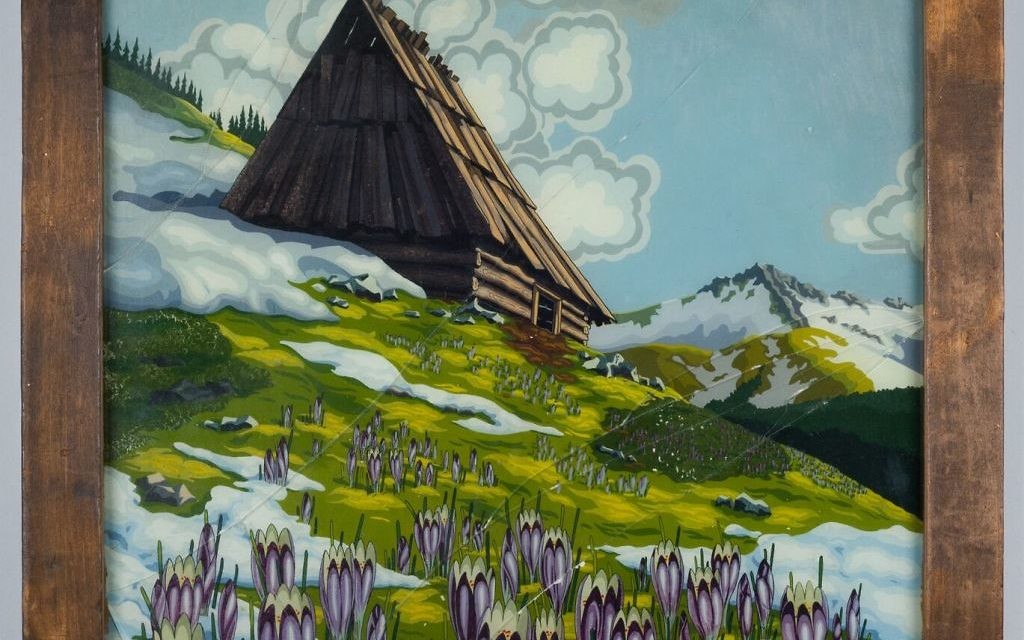
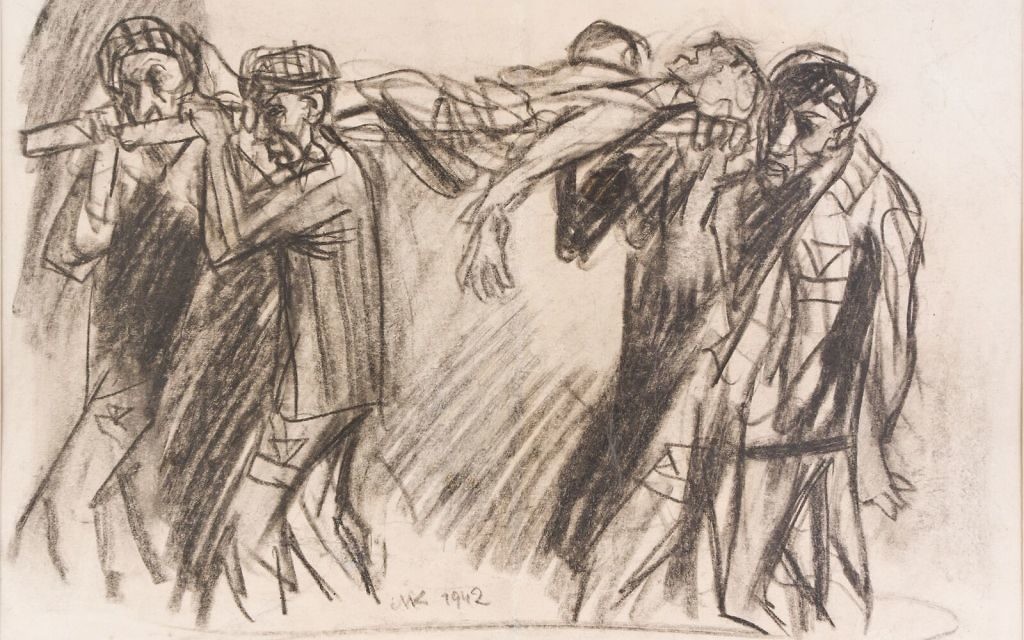
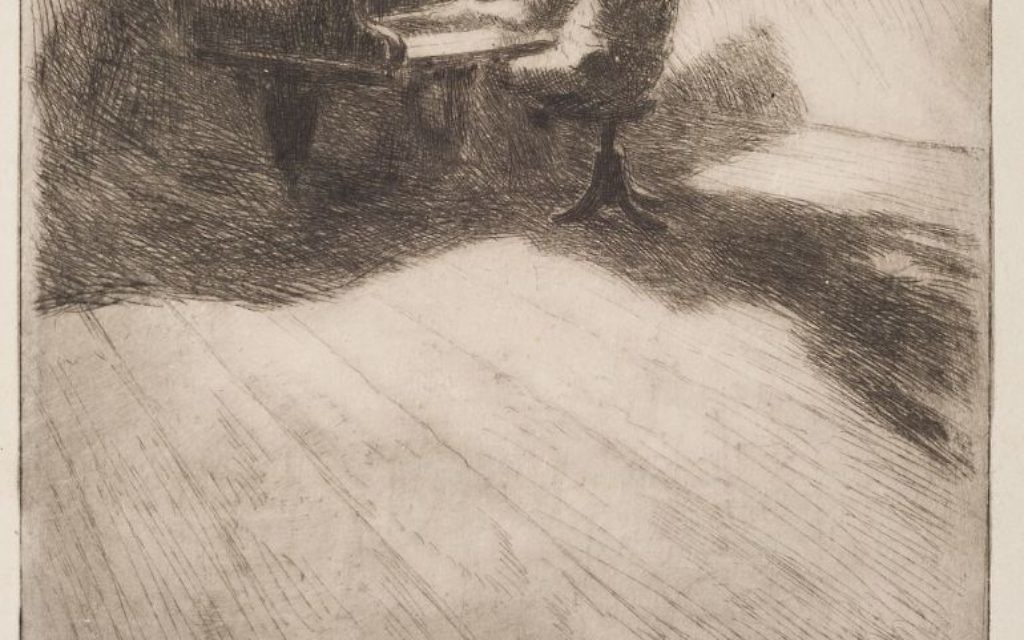
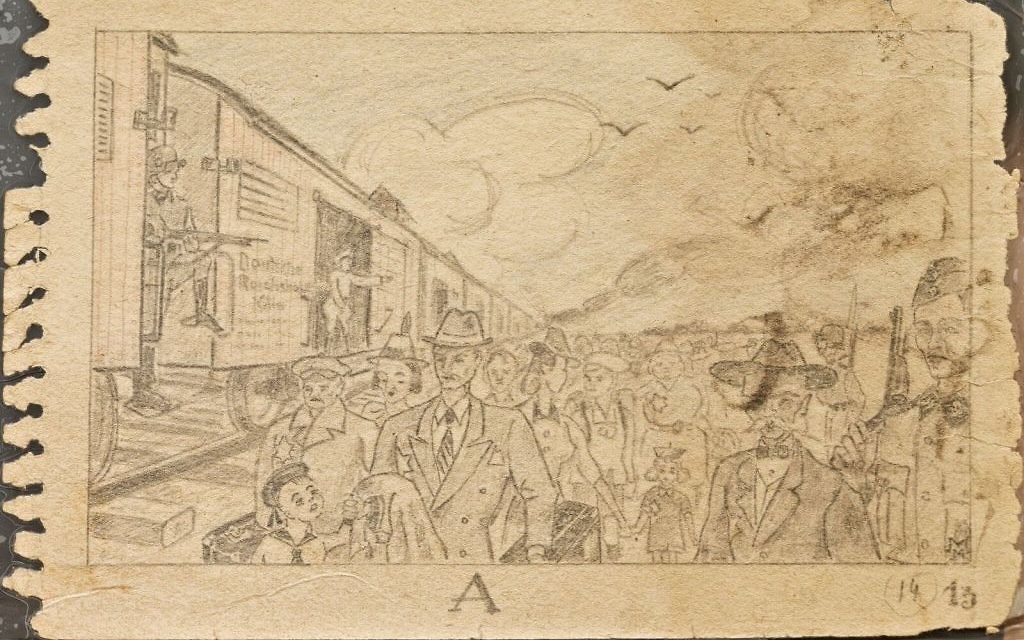
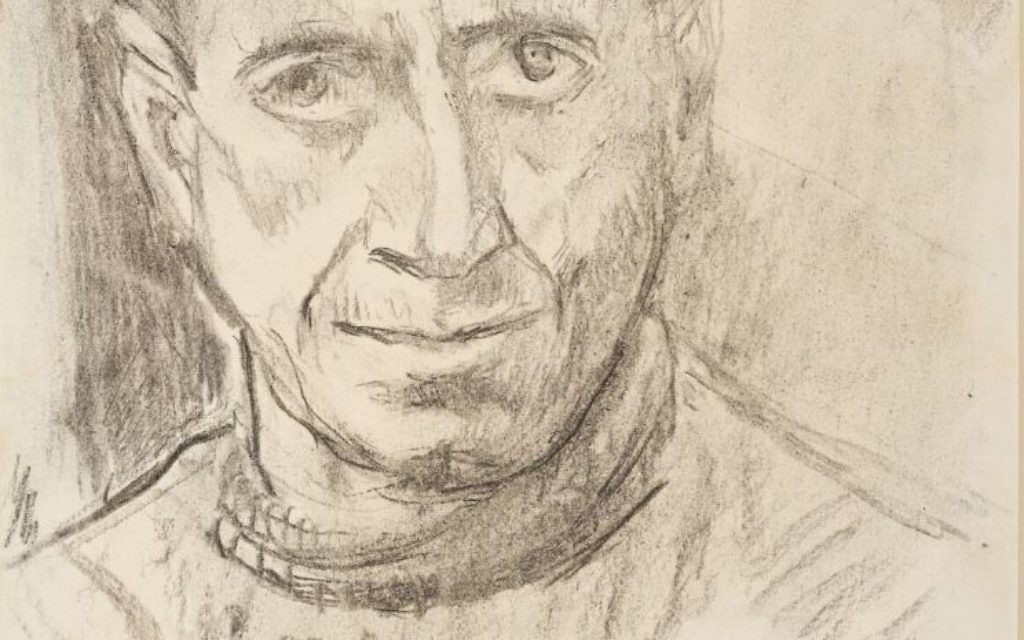
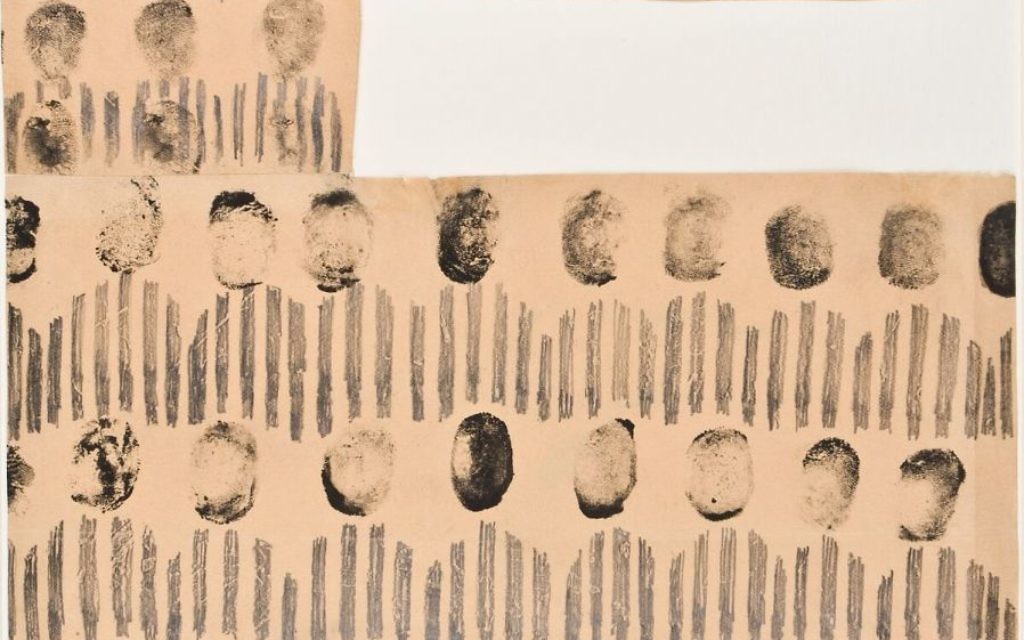
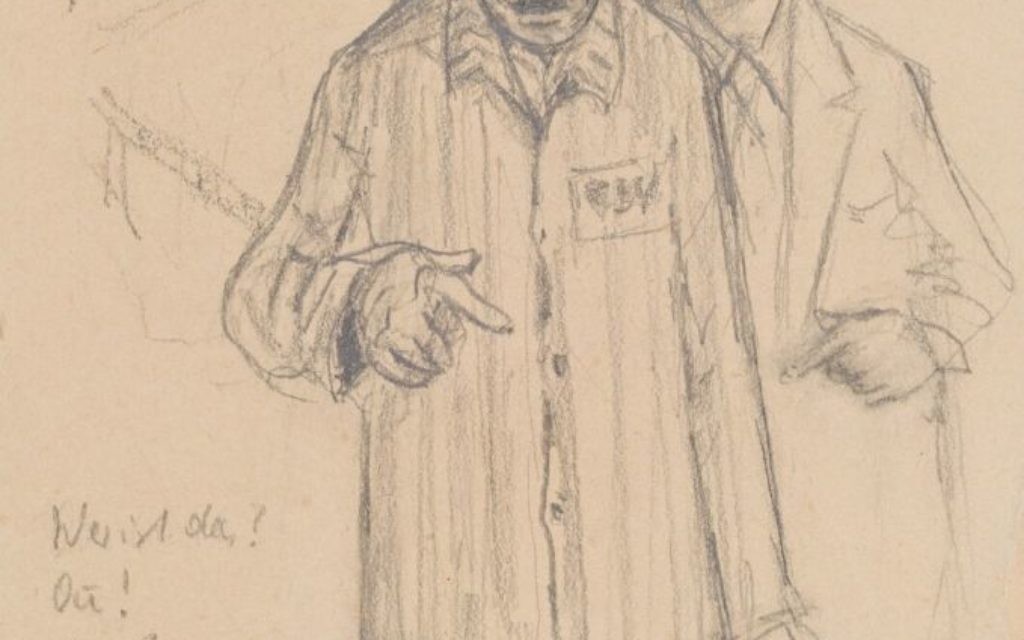
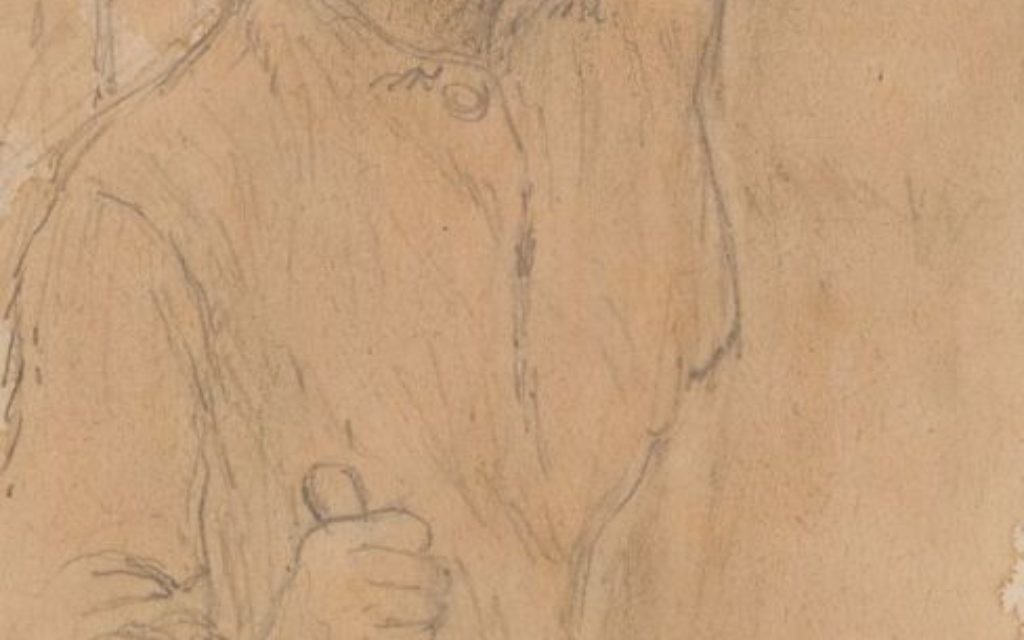
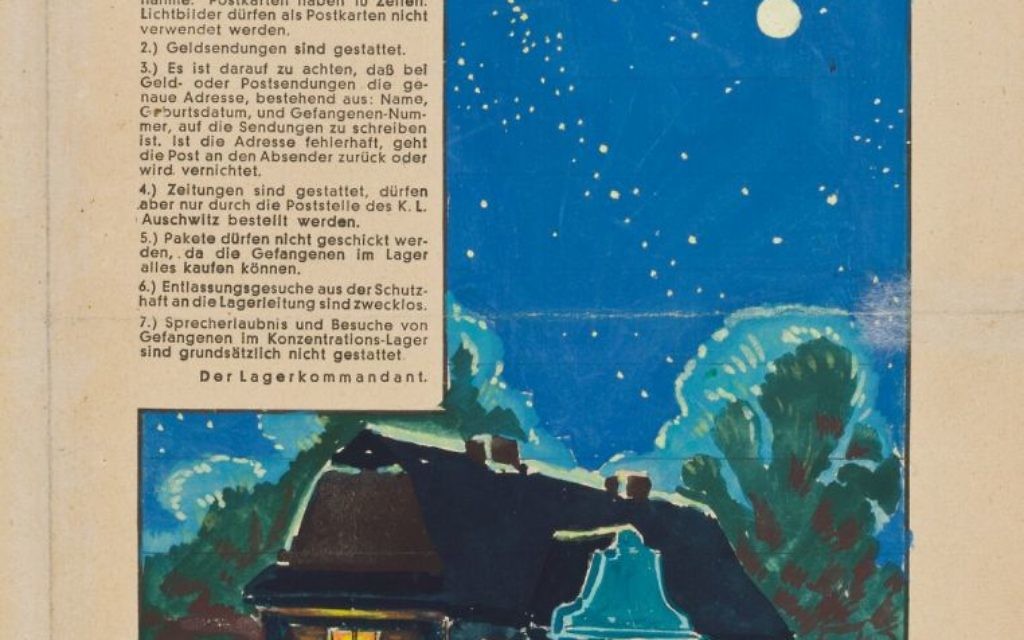
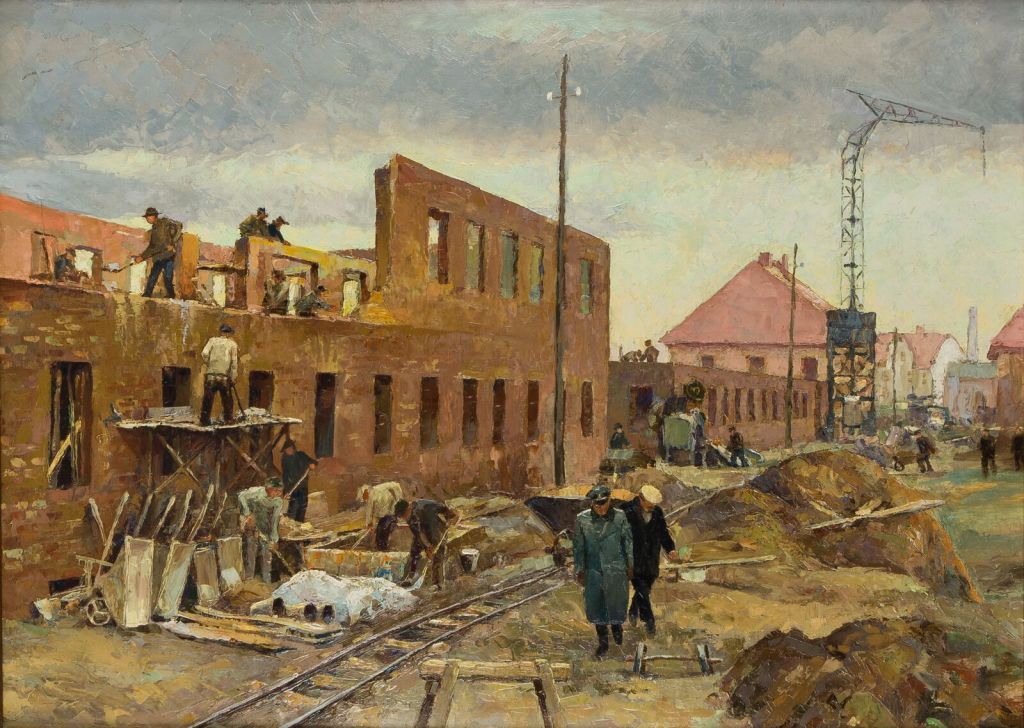
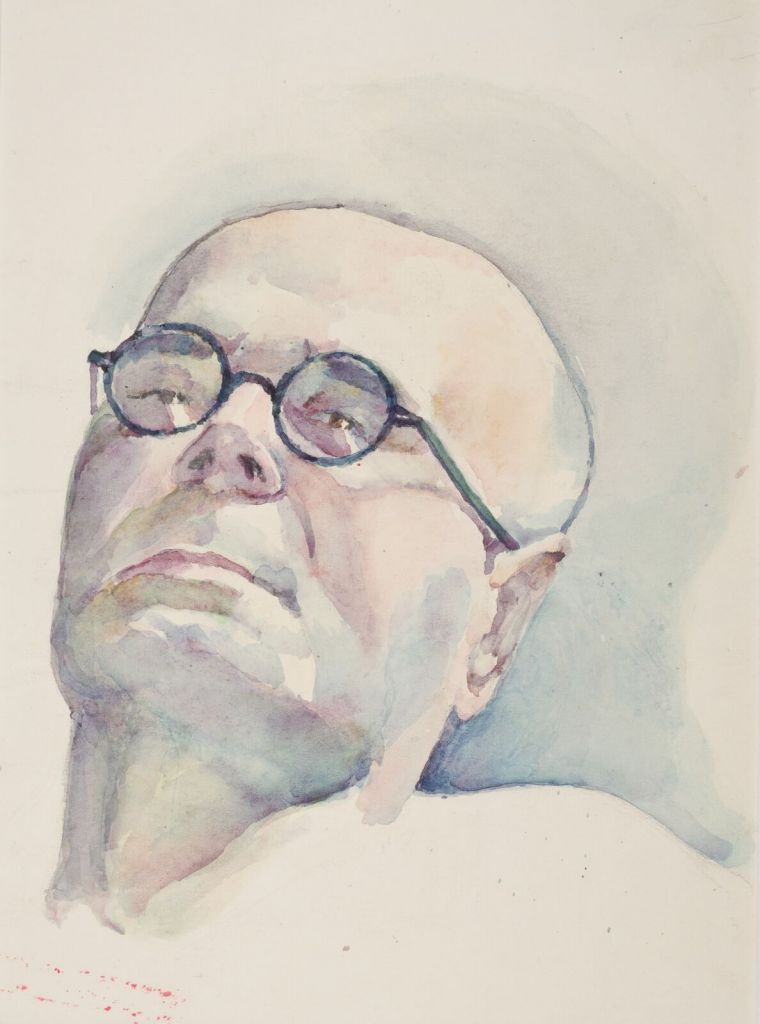
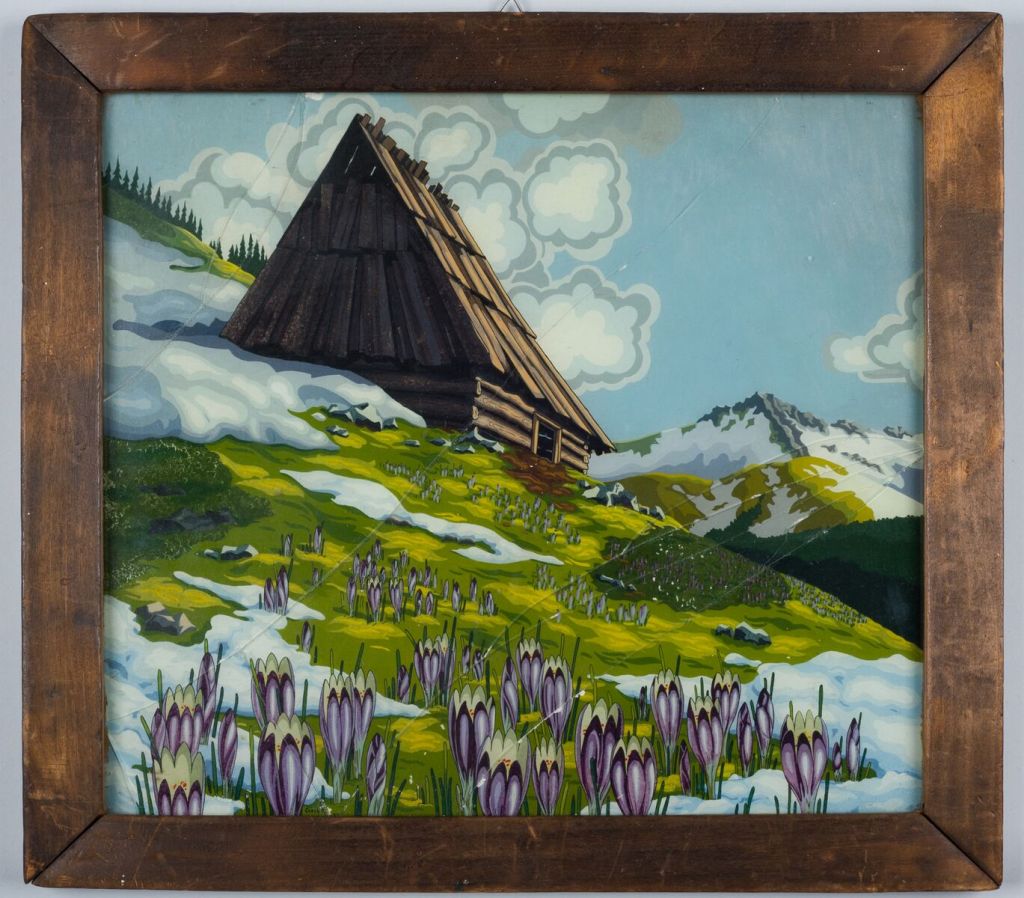
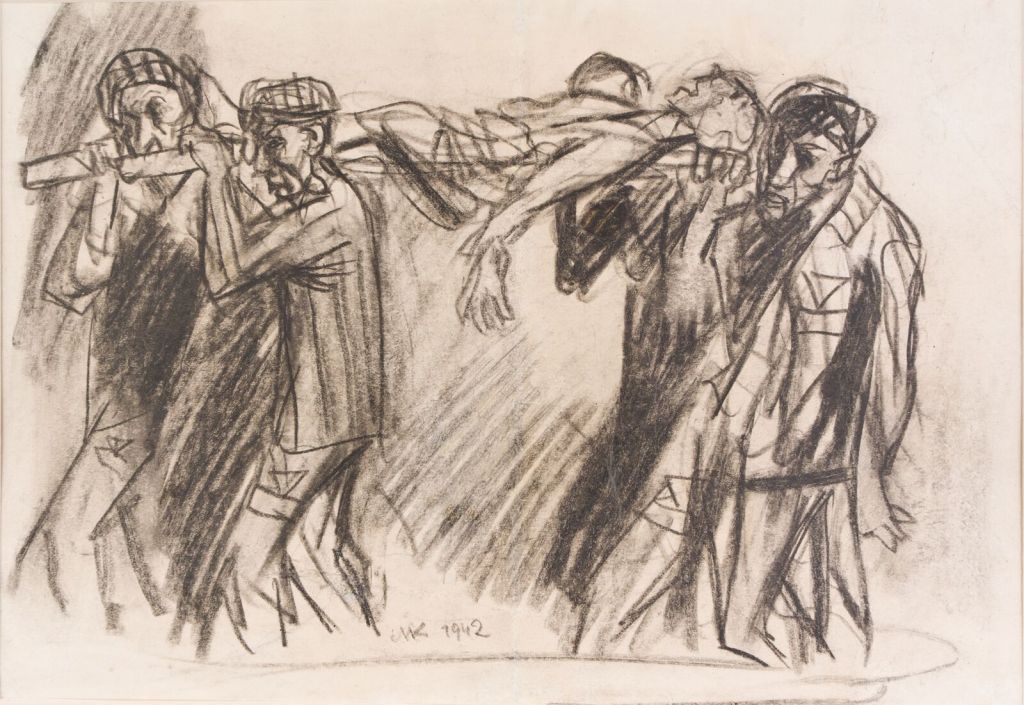
A new exhibition in southern Poland shows the brutality of the Nazi death camp of Auschwitz through the artistic work of its inmates.
Some of the artworks are being shown publicly for the first time.
The Face To Face: Art In Auschwitz exhibition opened at the Kamienica Szolayskich (Szolayski Tenement House) of the National Museum in Krakow last week to mark 70 years of the Auschwitz Museum.
The museum’s task is to preserve the site in the southern town of Oswiecim and to educate visitors about it.
More than two million people visited the museum last year.

The curator of the Krakow exhibit, Agnieszka Sieradzka, said it includes clandestine as well as commissioned drawings and paintings by Jews, Poles and other citizens held at Auschwitz during the Second World War.
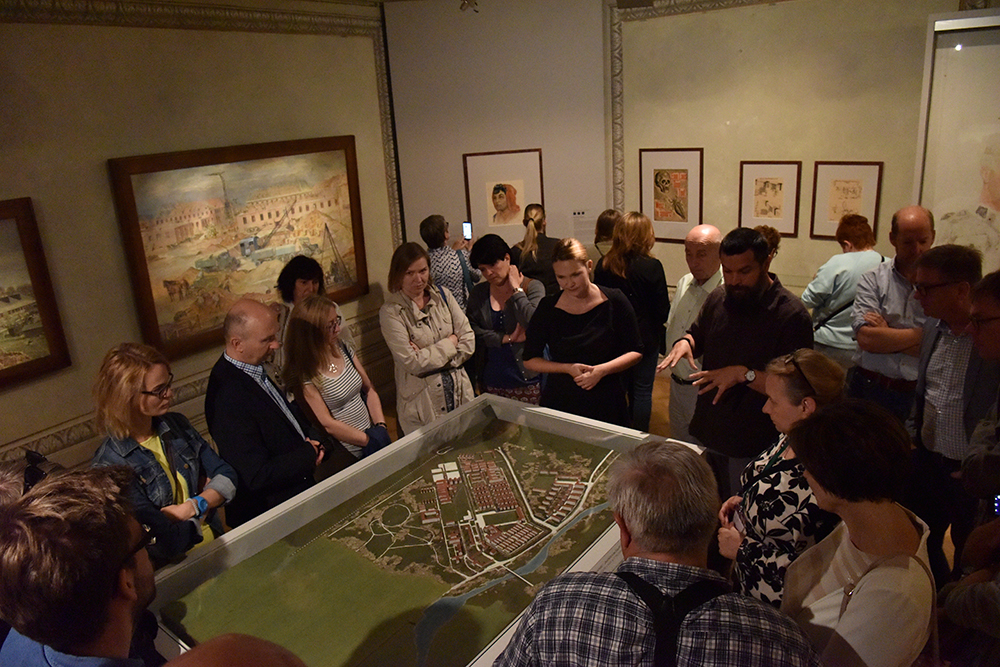
Photo: Auschwitz-Birkenau State Museum
“These works help us see Auschwitz as the inmates saw it and experienced it,” Ms Sieradzka told The Associated Press.
“We stand face to face with the inmates.”
The Nazis sometimes ordered talented inmates to make paintings for various purposes.
One such painting is a portrait of a Roma woman that pseudo-scientist Josef Mengele experimented on.
He ordered portraits like this from inmate painter Dina Gottliebova, a Jewish woman from Czechoslovakia.
The task helped her survive.
After the war she travelled to the US and started a family.
She died in 2009 in California under the name Dina Babbitt.
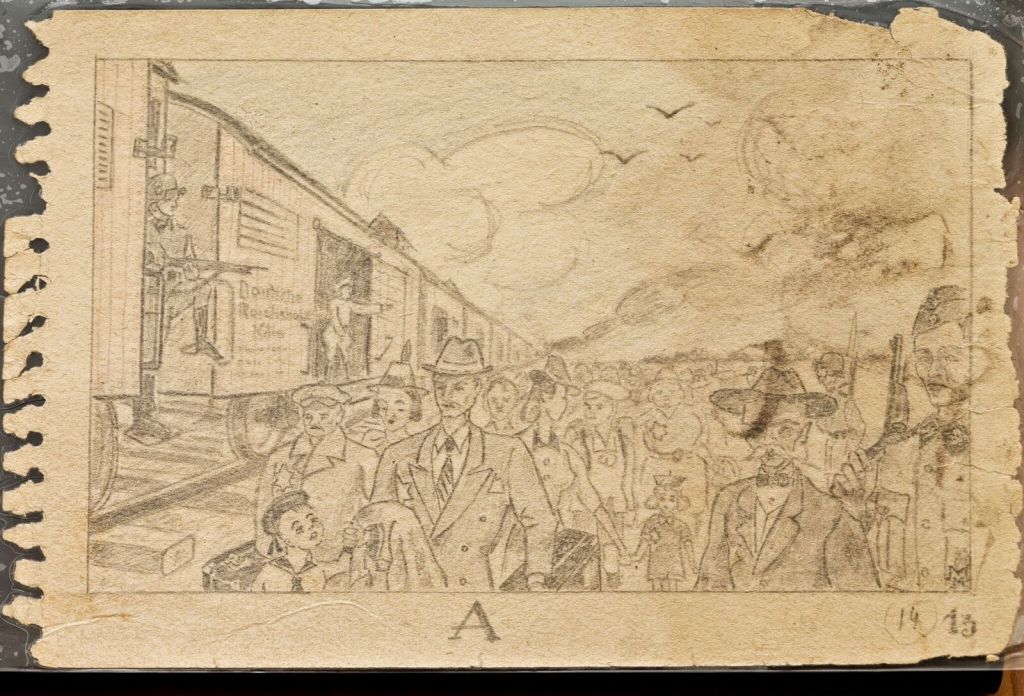
Among the clandestine art is the so-called Auschwitz Sketchbook by an unknown author.
It has 22 drawings of scenes of beatings, starvation and death.
It was found in 1947, hidden in a bottle in the foundation of a barrack at Birkenau, a part of the Auschwitz-Birkenau complex.
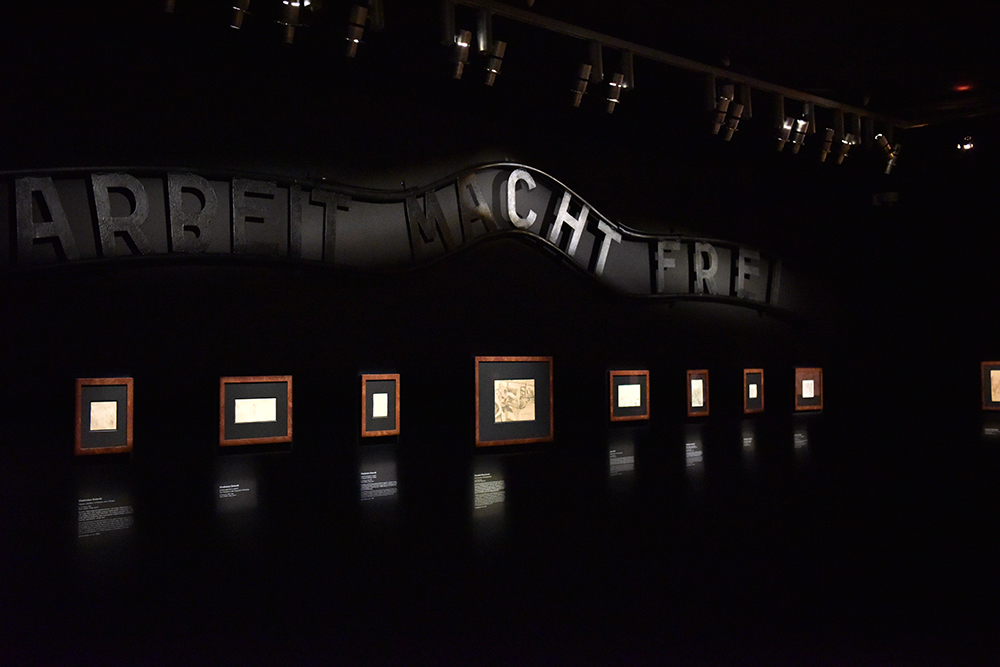
Photo: Auschwitz-Birkenau State Museum
It is the first time it is being shown to the general public.
The Sketchbook is housed at the museum and only shown on request.
Also being displayed is the original Arbeit Macht Frei (Work Sets You Free) gate top that was stolen and retrieved in 2009 and is now kept under guard at the museum.
From 1940-1945, some 1.1 million people, mostly European Jews but also Poles, Roma and Russians, were killed in the gas chambers or died from starvation, excessive forced labour and disease at Auschwitz, which Nazi Germany operated in occupied Poland.
-
- Władysław Siwek, Budowa Erweiterung, KL Auschwitz 1943.
-
- Marian Ruzamski, Portret mężczyzny w okularach, KL Auschwitz 1943-44.
-
- Bronisław Czech, Krokusy, KL Auschwitz 1943.
-
- Mieczysław Kościelniak, Powrót z pracy, KL Auschwitz 1942.
-
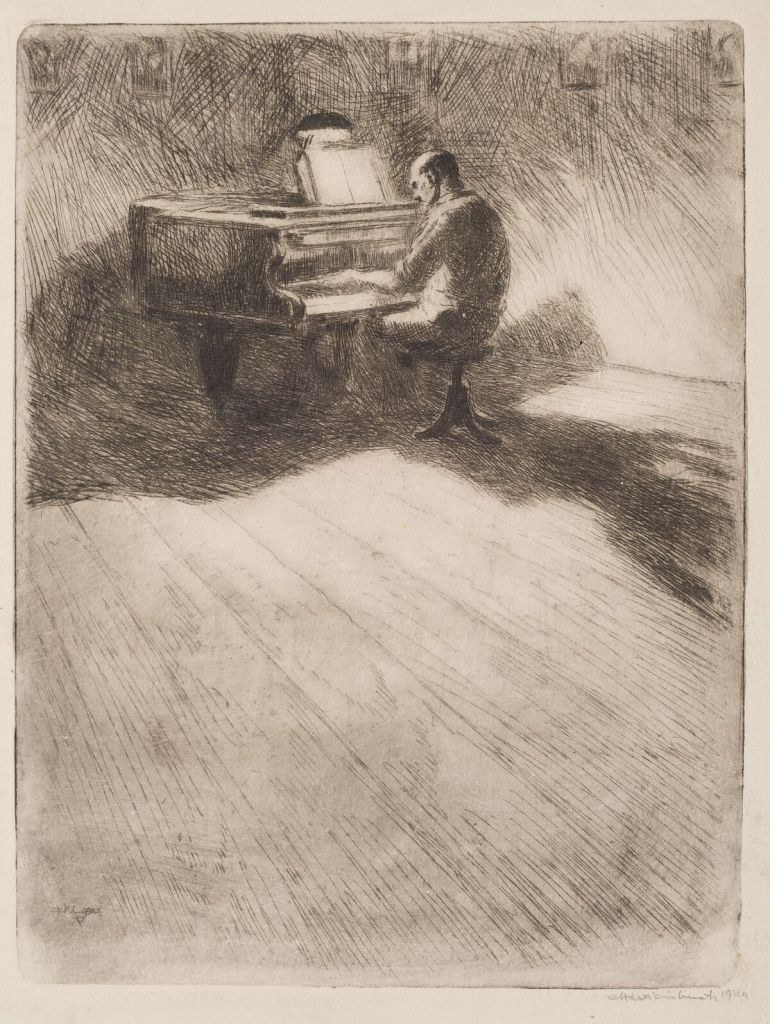
- Mieczysław Kościelniak, Koncert Adama Kopycińskiego, KL Auschwitz 1944
-
- Autor nieznany, Szkicownik z Auschwitz, KL Auschwitz 1943.
-
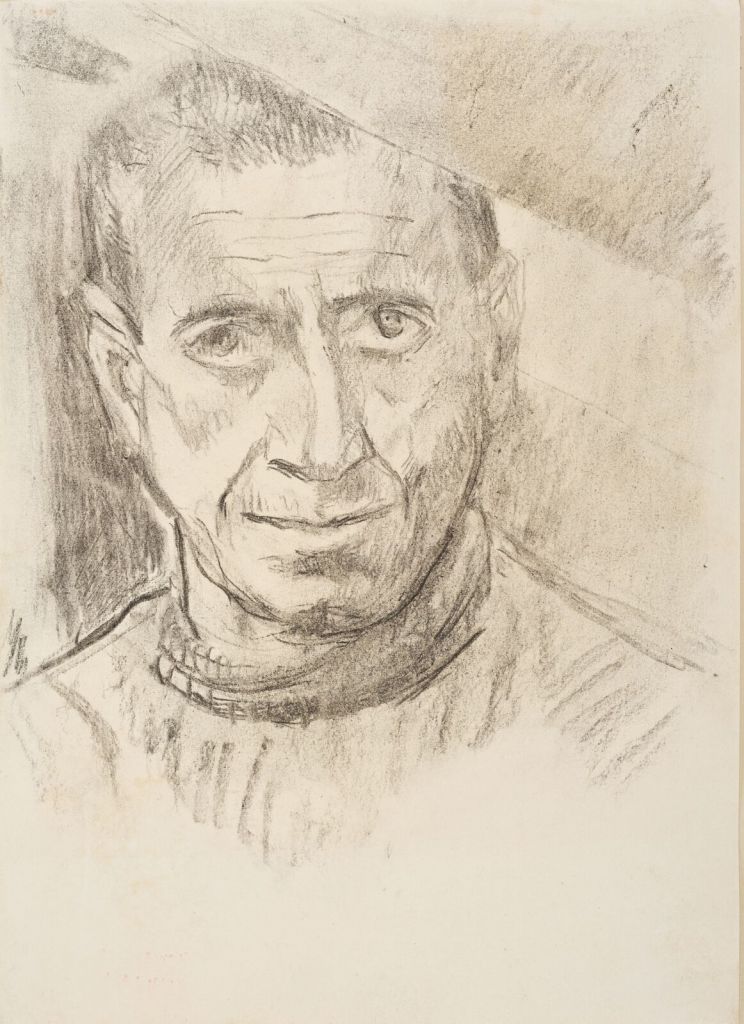
- Xawery Dunikowski, Portret Mariana Ruzamskiego, KL Auschwitz 1943-44.
-
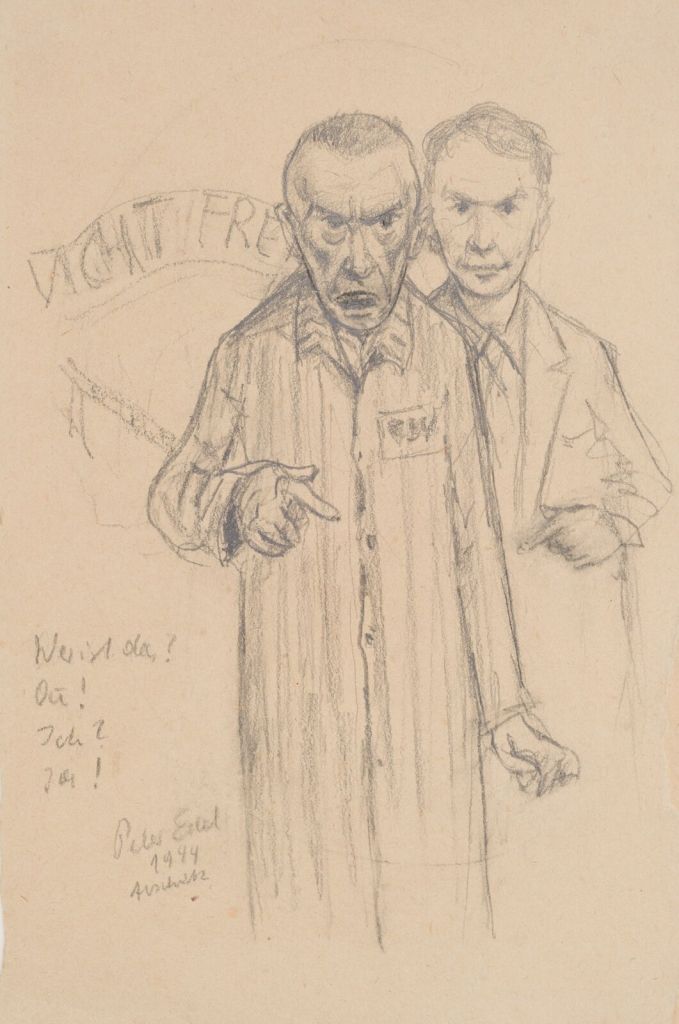
- Peter Edel, Autoportret, KL Auschwitz 1944.
Art exhibit 'Face to Face. Art in Auschwitz' in Poland shows Auschwitz through inmates’ eyes: https://t.co/nvx57SAt2G @AP @MNKrk pic.twitter.com/CkLIQtQndO
— Auschwitz Memorial (@AuschwitzMuseum) July 12, 2017

Keep community journalism free.
Jewish News is free for everyone. No paywall. No barriers. Just trusted journalism for anyone who wants to stay connected to Jewish life in Britain.
If you value that, please support us.
From as little as £5 a month, you can help keep our journalism free and accessible to all.
Every day, we report on the issues that matter to our community. We celebrate achievements, support charities, challenge antisemitism and ensure Jewish voices are heard more widely.
From as little as £5 a month, you can help us continue to:
- Report on the stories shaping Jewish life in the UK and beyond
- Bring our community together through shared stories, events and campaigns
- Celebrate the people, culture and moments that define our community
- Support organisations doing vital work across Jewish Britain
You can make a one-off donation or become a regular supporter. Every contribution helps keep our journalism free, independent and accessible to all.
If everyone who values Jewish News gave a small amount, it would make a real difference to our future.