Prefer Jewish News on Google
Exited founders launches with warning to entrepreneurs: prepare early for a sale
PR veterans Howard Kosky and Andrew Bloch have teamed up to launch an AI-led advisory venture focused on helping founders maximise value before an exit

Founders take note: when it comes to selling your business, preparation should start from day one.
That is the message from PR veteran Howard Kosky, who sold his company to private equity for more than £50 million in 2023.
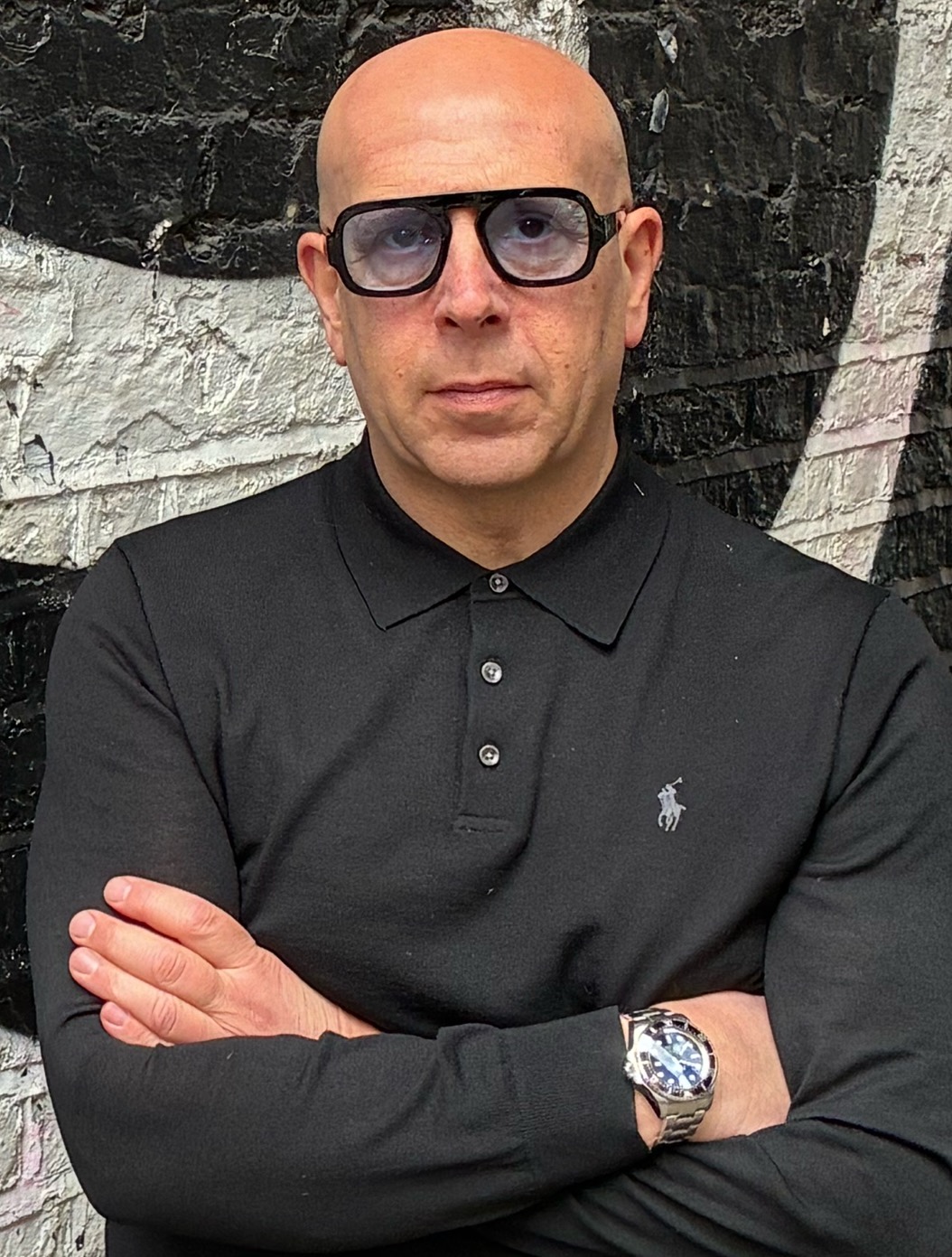
Today, Kosky is one of the founders behind Exited Founders, a new AI-based advisory firm designed to help business owners prepare their companies for investment or sale.
The firm works with founders, CEOs and leadership teams to identify the operational, financial and strategic issues that can affect valuation long before a business formally enters a sale process.
Kosky says: “The earlier you think about wanting to sell or make money from your business as an asset, the better.
“A lot of founders think the value of the business is purely based on profitability and neglect the preparation. “But when buyers get into due diligence, they will always find reasons to chip away.
Kosky has launched the firm alongside fellow PR heavyweight Andrew Bloch, Lord Sugar’s long-term adviser, digital education entrepreneur Tom Crombie and growth adviser Bryan Lewis. Ben Doltis, the co-founder of PCB Partners who sold his previous company to ManpowerGroup, has joined the board.
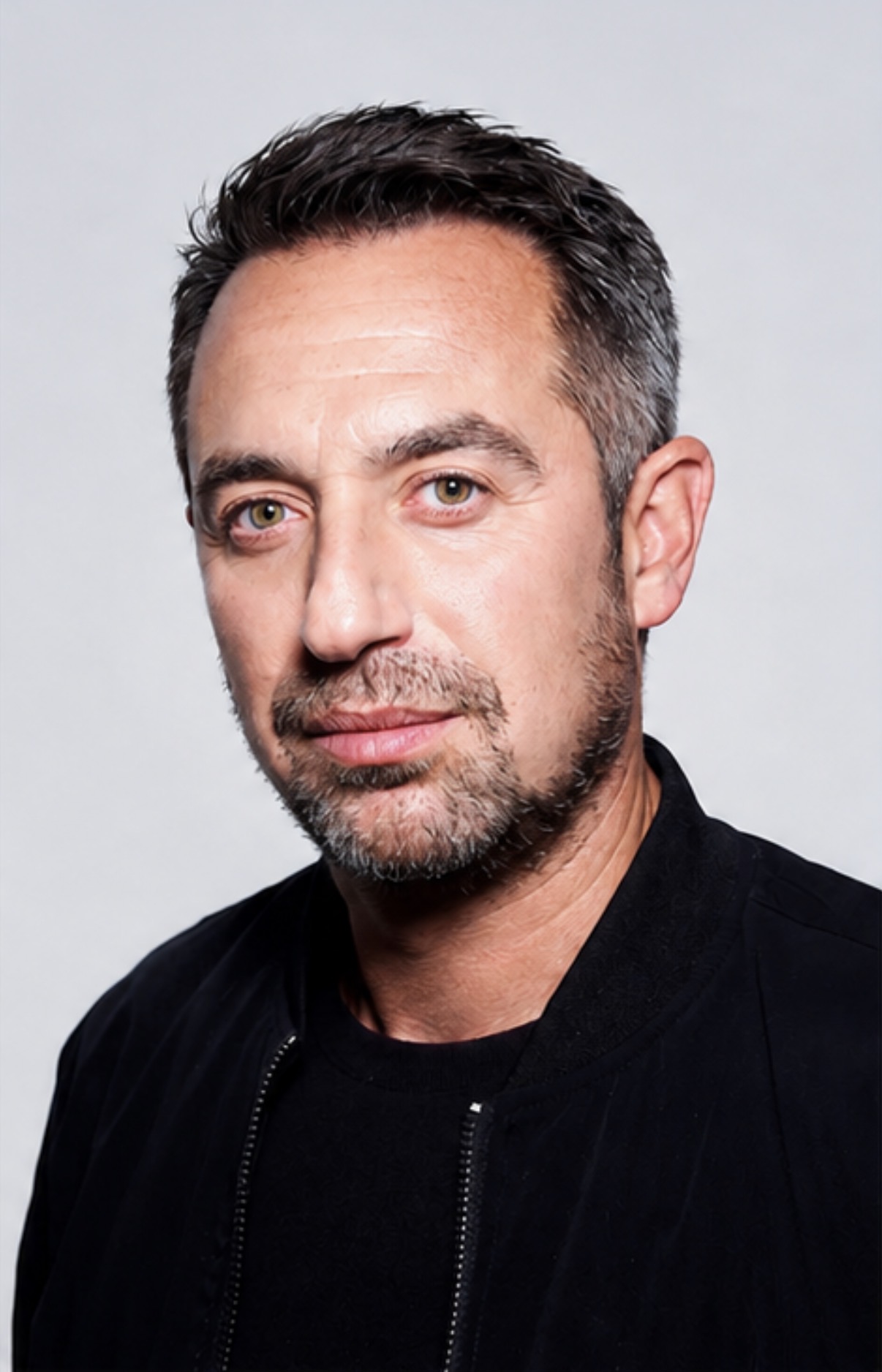
“Thinking about exit from day one forces founders to ask better questions,” adds Bloch. “Is this scalable? Is it transferable? Does the business have value without me? Ironically, businesses built that way are often stronger businesses even if they never sell.” He says: “I don’t think founders should build purely to sell, but I do think they should build as if someone could buy the business tomorrow.
“The businesses that achieve the best exits are usually the ones that are operationally disciplined early for example clean finances, recurring revenue, strong leadership beyond the founder, clear IP ownership, and systems that don’t rely on one person.”
Exited Founders positions itself as a challenger to traditional consultancy and corporate finance models, arguing that many founders enter sale processes without fully understanding how buyers actually assess risk, resilience and long-term value.
Kosky compares the process to selling a car online.
“You put your details in and get told the car is worth £8,000,” he says. “But then someone walks around it and starts pointing out the scratches and faults and suddenly they’re offering £6,700 instead. Selling a business can be exactly the same.”
The firm has developed what it describes as an AI-led, data-driven readiness platform designed to assess companies across six key pillars linked to valuation and buyer confidence: leadership structure, succession planning, operational resilience, financial visibility, revenue concentration, scalability and how effectively a company is adapting to technological change, including AI.
“No matter how much profit you’re making, if you can’t show how you are using AI or technology, or how you are future-proofing the business in a world influenced by AI, there is risk to your deal.
The platform’s EF Match-Fit Audit is designed to benchmark companies against different buyer expectations, while its EF Valuation Bridge aims to show leadership teams where value is being created – and where it may be leaking away.
For Bloch, who co-founded Frank PR, one of the UK’s leading PR agencies which sold to an ASX-listed marketing and communications group, one of the “biggest misconceptions founders have is believing revenue and profits alone determine valuation.
“Founders often think ‘we’re growing fast, so we’ll get a great multiple,’” he says. “But buyers look at quality of earnings, predictability, concentration risk, leadership depth, systems, and whether the business can thrive post-acquisition.”
Timing, he says, is another mistake many founders make.
“Many wait until they’re burnt out or forced into a sale,” he says. “The best exits usually happen when founders still have momentum, energy and optionality.”
Kosky adds: “The time to sell is before you reach your peak not when you’ve maximised your profits. The reality is an investor/buyer is going to want to see the growth potential.”
Kosky’s own buyout experience has shaped Exited Founders.
He started his first company in 1994 and sold it the following year as part of a stock market listing. In 2001, he led a management buyout before spending the next two decades growing a group of businesses across the UK, US and UAE through acquisitions, technology and expansion, ultimately selling to private equity in 2023.
But he says the final deal only came after hard lessons from previous attempts.
“We thought we were great the first time,” he says. “We were so focused on ourselves and our financial performance – we thought that was enough – but we hadn’t really considered what we looked like to different types of buyers.”
That experience, he says, exposed a gap in the market for founders needing practical preparation before entering a formal process.
“Our job is like making your property turnkey. When someone walks in, they can’t find fault anywhere.”
Launched in April, the firm is already working with clients, including a US-based collectibles and memorabilia business.
For Bloch, one of the most important things founders can do is reduce reliance on themselves.
“The one thing every founder should start doing if they want to maximise value for a potential sale is to start making yourself less central to the business,” he says.
“If every major relationship, decision or approval goes through the founder, the business becomes harder to scale and riskier to acquire.”

Keep community journalism free.
Jewish News is free for everyone. No paywall. No barriers. Just trusted journalism for anyone who wants to stay connected to Jewish life in Britain.
If you value that, please support us.
From as little as £5 a month, you can help keep our journalism free and accessible to all.
Every day, we report on the issues that matter to our community. We celebrate achievements, support charities, challenge antisemitism and ensure Jewish voices are heard more widely.
From as little as £5 a month, you can help us continue to:
- Report on the stories shaping Jewish life in the UK and beyond
- Bring our community together through shared stories, events and campaigns
- Celebrate the people, culture and moments that define our community
- Support organisations doing vital work across Jewish Britain
You can make a one-off donation or become a regular supporter. Every contribution helps keep our journalism free, independent and accessible to all.
If everyone who values Jewish News gave a small amount, it would make a real difference to our future.