Prefer Jewish News on Google
‘Extraordinary’ 600 year old Ethiopian Jewish texts to be unveiled to general public
Newly digitised copies of the Orit - containing the first five books of the Torah as well as Joshua, Judges and Ruth - are 'only the tip of the iceberg', says Tel Aviv University
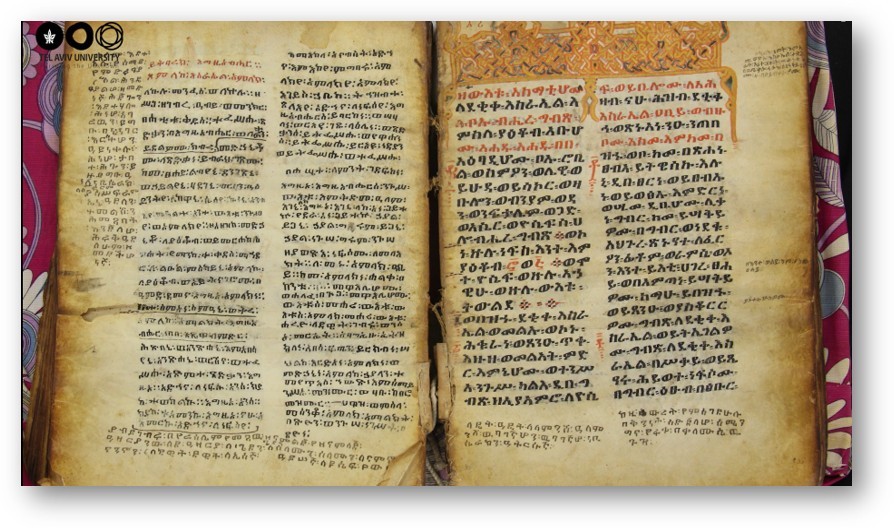
Two ‘exceptional’ 15th century texts from the Ethiopian Jewish community will soon be made available for digital public viewing by Tel Aviv University scholars, with the keepers of the original works believed to have risked their lives to bring them to Israel.
The Orit books of Beta Israel, which contain the first five books of the Torah as well as the books of Joshua, Judges and Ruth, were found in the private homes of kessim (Ethiopian-Jewish priests) living in Israel, by members of TAU’s biblical studies department.
The university’s ‘Guardians’ programme is dedicated to studying, preserving, and continuing the biblical heritage of Ethiopian Jewry. Largely inaccessible to the public due to preservation concerns, the digitisation process of these extraordinary “living books”, some of which are still used in prayer houses, has only recently been completed.
They were originally discovered during a June 2024 travelling workshop across Israel, held in collaboration with the Ethiopian Jewry Heritage Centre and the National Library of Israel, which documented the books and established the digital archive of Beta Israel’s scriptures.
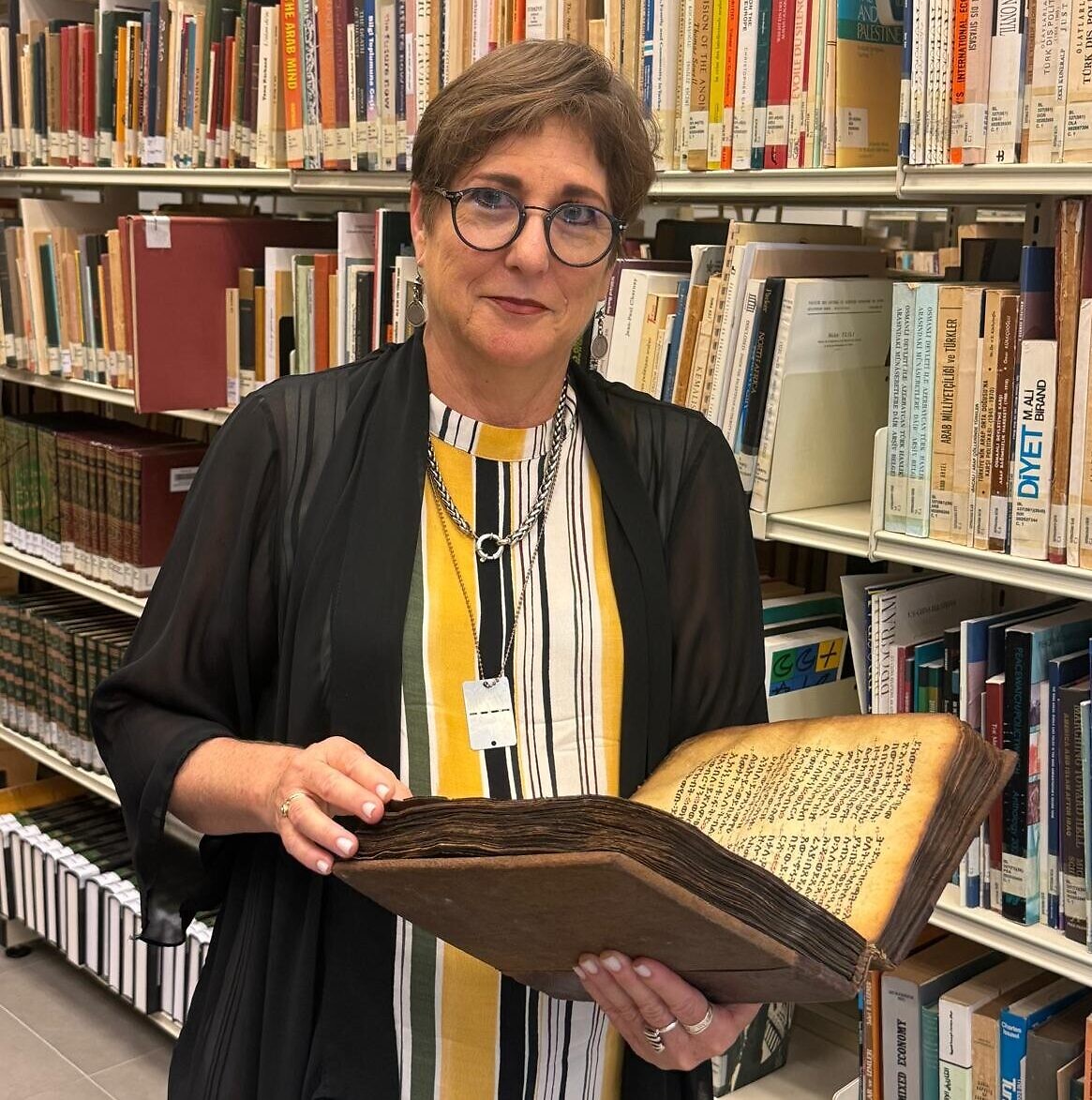
Photo by Tel Aviv University.
Tel Aviv University’s professor Dalit Rom-Shiloni said: “The Orit of Beta Israel includes the Five Books of the Torah, as well as the Books of Joshua, Judges, and Ruth. So far, we have documented four Orit books, including the two from the 15th century, as well as 13 other sacred books.”



All the sacred books of Ethiopian Jewry are written in Ge’ez, a language known only to the kessim, or Jewish priests and passed down through generations from father to son.
Rom-Shiloni adds: “The books were carefully guarded and preserved, with some of their owners even risking their lives to bring them to Israel.
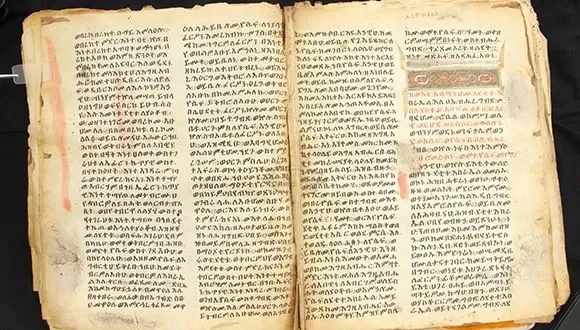
“We intend to locate as many books as possible for preservation, digitisation, and academic study. Our discovery is causing a stir among experts in the field worldwide. While we are familiar with similar Ethiopian texts from this period or even earlier, all of those are Christian texts, not Jewish. Now, for the first time, it has been revealed that kessim from Beta Israel possess Orit books that are over 600 years old.”
The Beta Israel community were evacuated to Israel in a number of operations which ran from the mid-80s to the early 90s. Ethiopian Jews had faced severe repression for their faith – both in Ethiopia itself, at that time under a dictatorship, as well as in neighbouring Sudan, where many had fled to due to famine.
In total, the workshop yielded four Orit books — two from the 15th century and two from the 18th century, as well as 13 other sacred books dating from the 17th to 20th centuries.
TAU’s professor Youval Rotman called the finding “extraordinary”, noting that discovering ancient manuscripts is rare, and “when they are the oldest of their kind in existence, the find is all the more exceptional.”
Prof. Rom-Shiloni added: “We believe our discovery is only the tip of the iceberg. It is likely that many more sacred books of Beta Israel are held by families and kessim around the country, and we will continue searching for them.”
“Today, only 18 senior kessim, who were trained in Ethiopia and hold this knowledge, remain active in Israel, and they are aging. If we do not act quickly, we might lose this precious cultural treasure.”
All the discovered books were documented with their owners’ consent and remain in their possession — so they can continue to serve as “living books” in their communities. The documentation now enables academic research and the establishment of a digital archive at the National Library.

Keep community journalism free.
Jewish News is free for everyone. No paywall. No barriers. Just trusted journalism for anyone who wants to stay connected to Jewish life in Britain.
If you value that, please support us.
From as little as £5 a month, you can help keep our journalism free and accessible to all.
Every day, we report on the issues that matter to our community. We celebrate achievements, support charities, challenge antisemitism and ensure Jewish voices are heard more widely.
From as little as £5 a month, you can help us continue to:
- Report on the stories shaping Jewish life in the UK and beyond
- Bring our community together through shared stories, events and campaigns
- Celebrate the people, culture and moments that define our community
- Support organisations doing vital work across Jewish Britain
You can make a one-off donation or become a regular supporter. Every contribution helps keep our journalism free, independent and accessible to all.
If everyone who values Jewish News gave a small amount, it would make a real difference to our future.