
 Prefer Jewish News on Google
Family of UK embassy staff withdrawn from Israel as air strikes continue
The Foreign Office said on Wednesday that family members of staff at the embassy in Tel Aviv had been “temporarily withdrawn as a precautionary measure”.
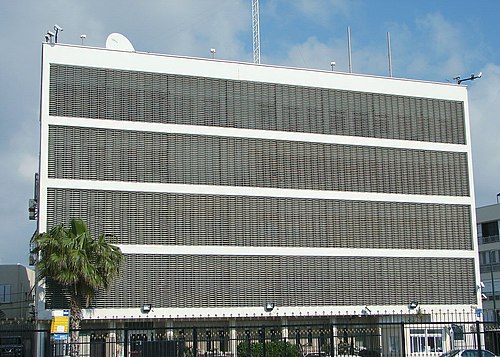
The families of British diplomatic staff in Israel have been “temporarily withdrawn” as Tel Aviv and Tehran continue to exchange fire.
The Foreign Office said on Wednesday that family members of staff at the embassy in Tel Aviv and consulate in Jerusalem had been “temporarily withdrawn as a precautionary measure”.
Britons have already been advised against all travel to Israel, and those already in the country have been urged to register their presence with the embassy.
Earlier in the week, Downing Street said the UK had no plans to evacuate British nationals stranded in Israel but had increased support in Jordan and Egypt for people making their own way out of the country overland.
The decision to withdraw family members comes as Israel’s air campaign against Iran entered its sixth day, with jets striking the Iranian capital Tehran overnight.

Israeli military chiefs said the air strikes targeted a facility used to make uranium centrifuges, part of Iran’s nuclear programme, and a factory building missile components.
Tehran has accused Tel Aviv of attacking civilians, while a US-based group Human Rights Activists said on Wednesday that Israeli bombardment had killed 585 people in Iran, including 239 civilians.
In response, Iran has fired some 400 missiles and hundreds of drones at Israel, killing at least 24 people.
But its response appeared to diminish on Tuesday night, with only 10 missiles intercepted by Israel’s Iron Dome.
Meanwhile, US President Donald Trump is reported to be considering whether to deploy American forces in support of Israel’s operations against Iran.
Mr Trump met with top military advisers on Tuesday night to discuss the situation, shortly after a series of social media posts in which he described Iranian supreme leader Ayatollah Ali Khamenei as an “easy target”.
The posts followed Mr Trump’s decision to leave the G7 conference in Canada a day early to deal with what he called “big stuff”, triggering speculation that American forces might join Israeli strikes.
Earlier, Sir Keir Starmer had insisted Mr Trump was interested in de-escalation in the Middle East, saying “nothing” he had heard from the president suggested Washington was poised to get involved.
In a statement on Monday, before Mr Trump’s departure, leaders reiterated their “commitment to peace and stability” but stopped short of calling for a truce between Israel and Iran.
British Typhoon fighter jets have also been deployed to the region, which Defence Secretary John Healey said on Tuesday was “part of the moves to reinforce de-escalation in the region, to reinforce security in the region, and may also be used to help support our allies”.

Keep community journalism free.
Jewish News is free for everyone. No paywall. No barriers. Just trusted journalism for anyone who wants to stay connected to Jewish life in Britain.
If you value that, please support us.
From as little as £5 a month, you can help keep our journalism free and accessible to all.
Every day, we report on the issues that matter to our community. We celebrate achievements, support charities, challenge antisemitism and ensure Jewish voices are heard more widely.
From as little as £5 a month, you can help us continue to:
- Report on the stories shaping Jewish life in the UK and beyond
- Bring our community together through shared stories, events and campaigns
- Celebrate the people, culture and moments that define our community
- Support organisations doing vital work across Jewish Britain
You can make a one-off donation or become a regular supporter. Every contribution helps keep our journalism free, independent and accessible to all.
If everyone who values Jewish News gave a small amount, it would make a real difference to our future.





















