Prefer Jewish News on Google
Finally a Jewish James Bond hits cinemas
Peter Sichel the CIA spymaster turned winemaker steps out of the shadows in The Last Spy
Michael Etherton is a determined man. Every year—regardless of political hurdles and opposition—he, alongside programmer Nir Cohen, goes to extraordinary lengths to bring a roster of films to the UK Jewish Film Festival that would otherwise not be seen. Trouble is that once the festival is over, the catalogue of Jewish-themed productions all but disappears. It’s a case of once seen and never forgotten—but miss the screening and you miss the film forever.
The streamers—IZZY in Israel and ChaiFlicks in America—do their best to acquire as many films and series as they can, but too many slip through the net as distributors refuse to believe there is an audience for these stories. But there is. Us!
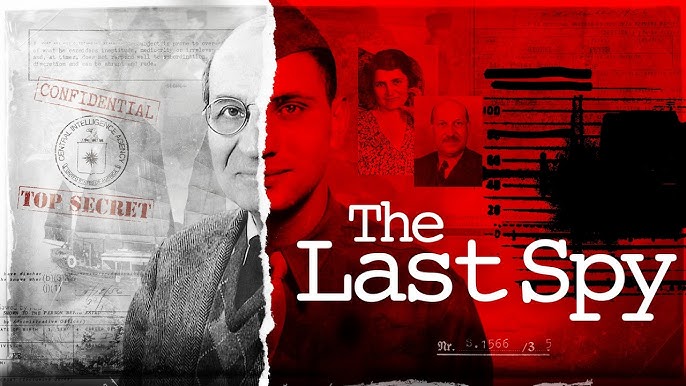
Fortunately, the distributor Dogwoof thinks differently—and that’s why you have the chance to see The Last Spy which premiered at the last UKJFF. It’s a brilliant documentary and its’ director Katharina Otto-Bernstein is thrilled to have this second chance because her subject, Peter Sichel—a Jewish refugee turned CIA spymaster has a story that demanded to be told.
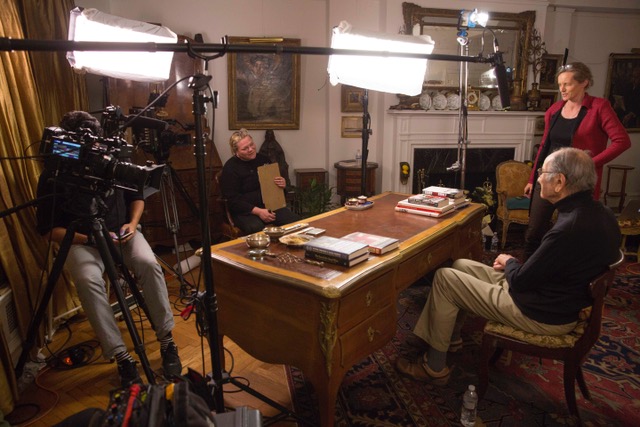
“Peter and I were introduced by a mutual friend in 2007 because I wanted to verify some interviews I had conducted with former East German foreign agents,” explains Katharina. “One of them had infiltrated the US intelligence services and made off with their agent lists. I wanted to know if Peter could corroborate that. He couldn’t—and immediately shot back, ‘That must have been military intelligence, they were never secure. No one ever infiltrated the CIA station in Berlin under my watch.’ Okay—understood!”
It was the beginning of something far more substantial. “We continued talking about the intelligence services in general, and his personal involvement in the dark arts in particular. Peter who was then a 100 years old, proved to be a tower of knowledge, equipped with a wry sense of humour, and I quickly became intrigued by this unusual man and his unusual story. We liked each other, continued to meet, and fairly soon it became clear that his life and his understanding of world affairs would make him an extraordinary subject for a film.”

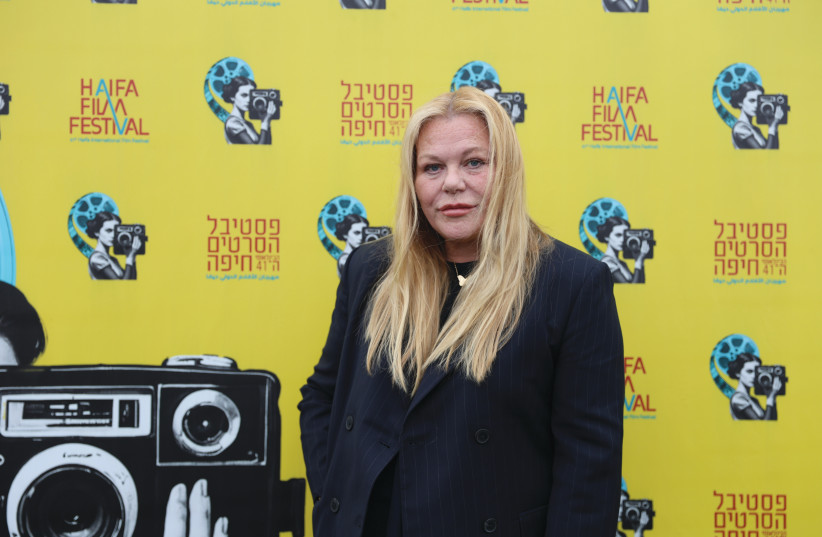
Katharina is in no doubt about why her film had to be made or why it should be watched now – “There is an impulse among many people to believe that world crises suddenly emerge. They don’t have backgrounds. Nothing causes them. We focus so much on what’s happening today that we lose focus on questions that are more important—how did we get here and what can we learn from the past as we move forward into the future?” Peter Sichel’s life, she argues, offers those answers.
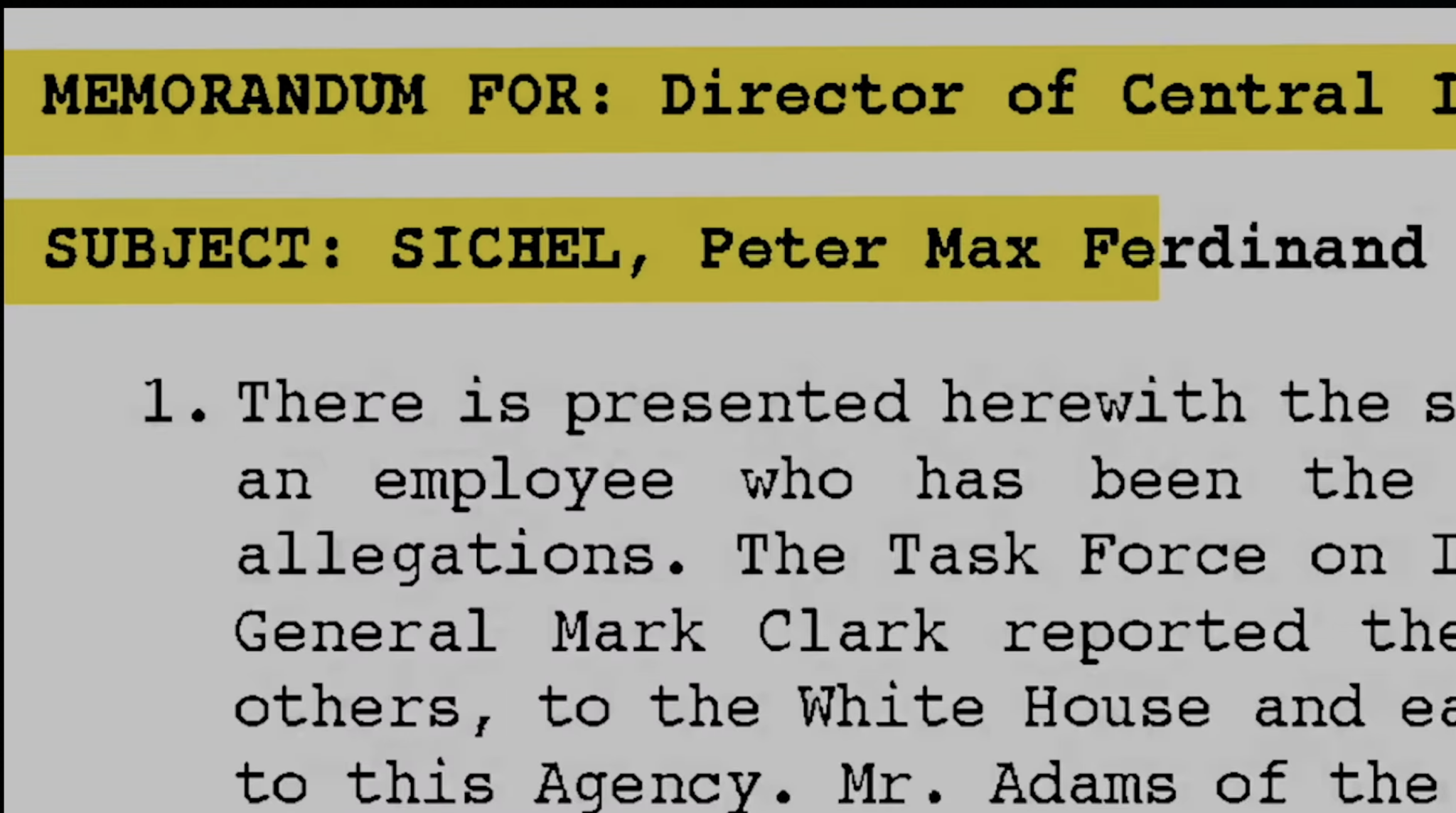 “He related his unfiltered accumulated experiences and the consequences of US clandestine operations in Eastern Europe, Iran, Latin America and Asia, to have led to undreamed-of threats decades later, and that we are all grappling with today. Our ‘Jewish James Bond’ has become quite the Cassandra—that’s why his story is so timely and needs to be told now.”
For all its global sweep, the story remains deeply rooted in identity.“With the world in such disarray, I always saw Peter’s story more as a cautionary tale,” says the German-born director. “But of course it touches on many different subjects, including Jewish life and antisemitism. The Jewish element is always present—after all Peter was the scion of one of Germany’s great Jewish wine dynasties.” That legacy is not incidental. “The tragic flight of his family from Nazi Germany, and Peter’s personal discovery of the atrocities of the Holocaust when his 7th Army unit later overran Dachau, are an integral part of the film, and certainly contributed to his mindset going forwards.”
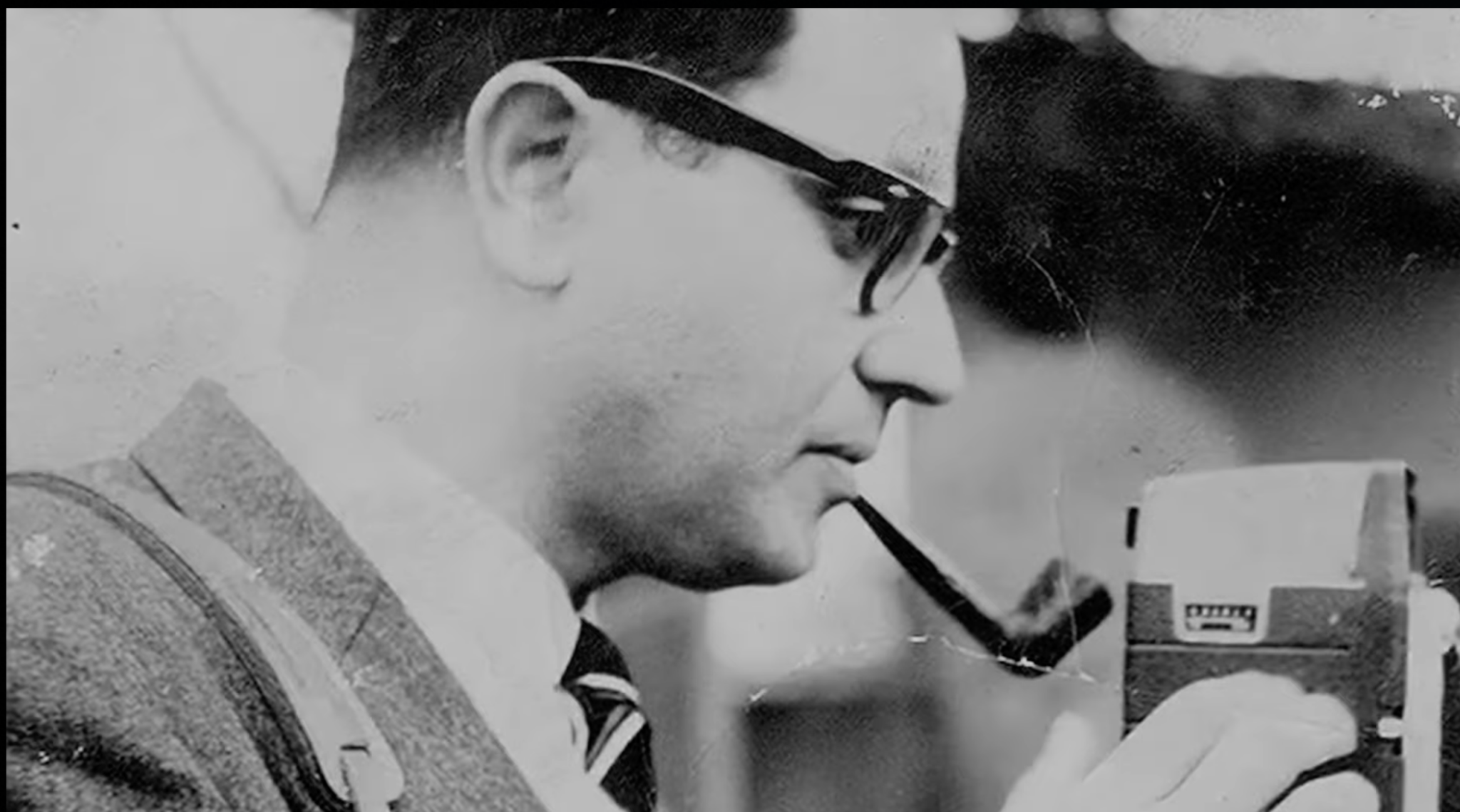
Yet his reach extended far beyond it. Peter was only 22 when he took over intelligence operations in post-war Berlin and was the first to report that the Soviets posed a threat to Western democracies, months before George Kennan’s Long Telegram. In effect he rang in the Cold War.
“And later, he became one of the only high-ranking CIA officers to openly criticise regime-change operations… especially when they were targeted at democratically elected governments that posed no threat to US national security. For his critical stance he was accused of being a Soviet spy—his predictions of the fallout all came true.”
Katharina says that getting Peter – who died in February 2024 -to speak on film required patience bordering on obsession. “He was sharp as a tack until his last breath,” she says. “Initially he was not at all interested in making a film—quite grouchy, not very forthcoming.”
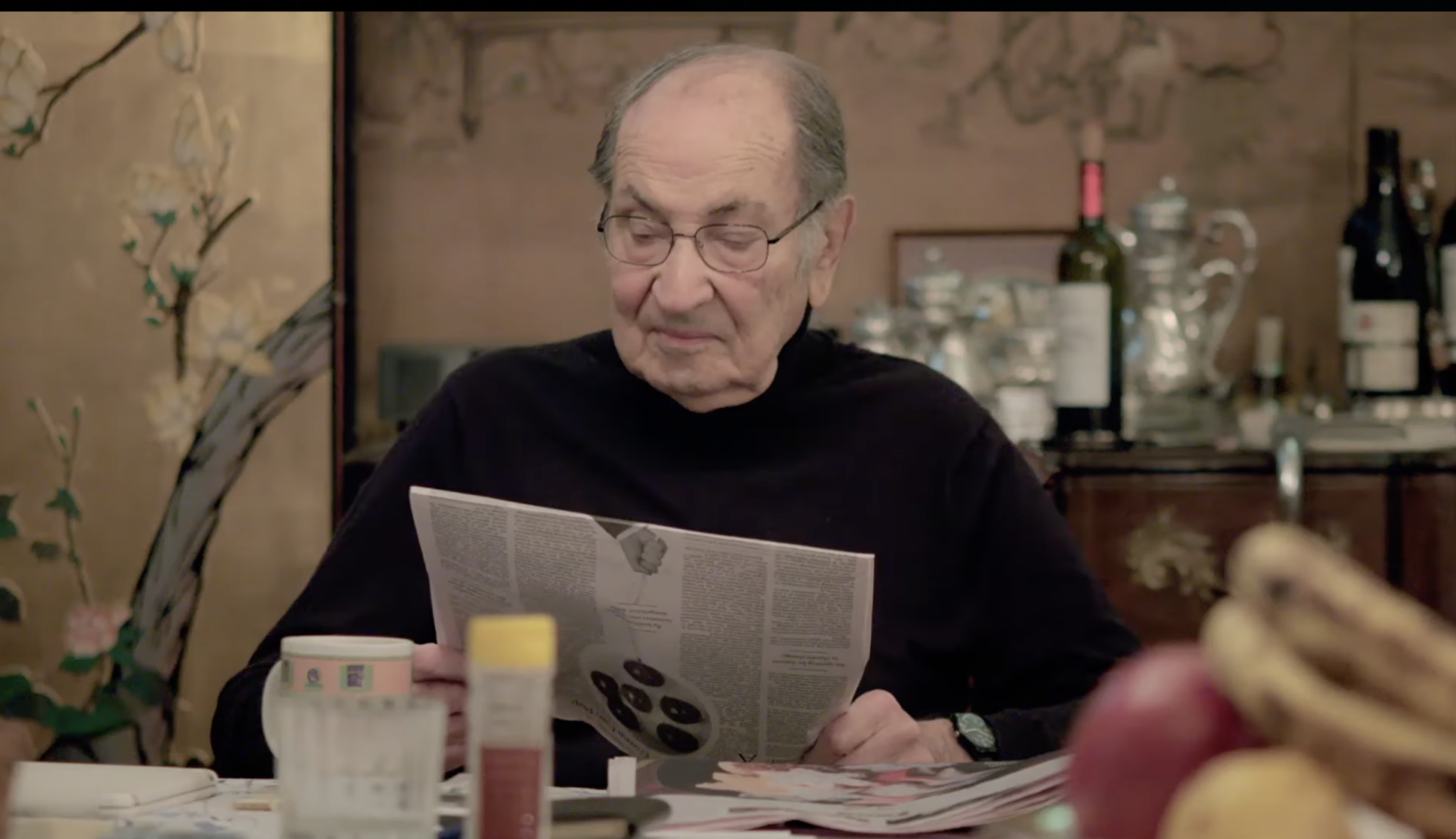
Peter was also writing his own biography, but censorship of the content changed everything for him. “It took ten years to write and the return of his galley copy, heavily redacted by the CIA, finally in Peter giving his consent to make this film “Unredacted,” chips Katharina. “But even then, he did not make it easy. Peter was not just a spy, but a spymaster. He was trained to not be emotional, to not be manipulated, and was not interested in the ‘small details’.”
So Katharina went deeper. “We spent about a year prepping for the interviews, digging through thousands of State Department and CIA documents. I was wondering how I could pry open this notoriously walled-off man and not have him answer in ‘bumper stickers’.”
The breakthrough came through another voice. “An interview with John Hadden Jr.… he told me agents were kidnapped by the KGB and shot, or had their heads cut off by a running train while tied to train tracks. The Berlin CIA station was almost rolled up because of a female spy in love. They even recruited Nazis… it was hard to believe how unsophisticated some of the CIA’s early operations were. As Peter said: ‘We learned on the job.’”
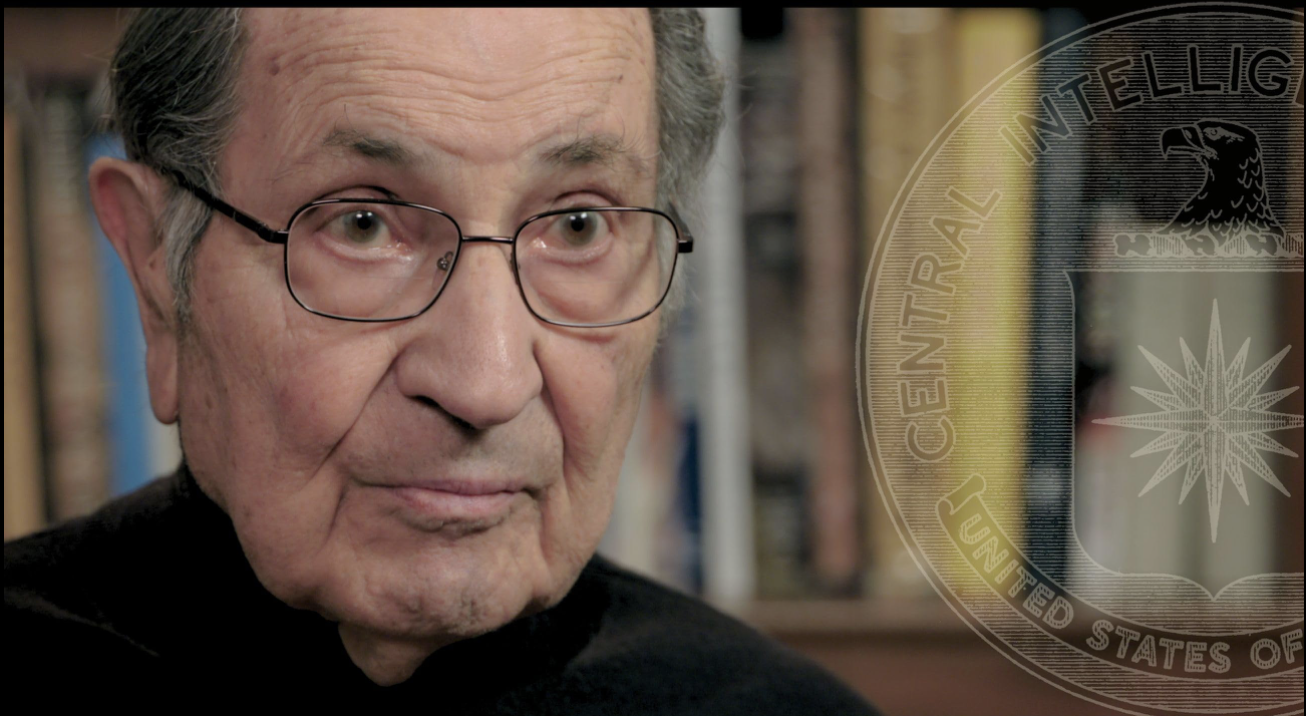 Armed with these details, she returned to Peter. “We argued quite a bit—but eventually he began to tell us his story, the big and the small. Did he tell us everything? Of course not—but enough to be unsettled.”
What The Last Spy offers is a portrait not just of a man, but of a system. “He was frustrated that if the collected intelligence doesn’t coincide with the accepted playbook of a sitting administration, it would be discarded or used for nefarious purposes,” she says. “Most people believe the truth will set them free—but in this film, we learn that the truth is often the last thing governments want to hear.”
The emotional breaking point in the film happens in Hong Kong. “Past and present converge when Peter realised that there is no learning curve built into the mandate of the CIA. They continue to order the same type of clandestine operations which they know are doomed for failure at the cost of thousands of lives.”
At the same time, Peter’s personal life was unravelling. “It was the moment of reckoning. All his work had come to nought… he hit rock bottom and had to push the reset button.”
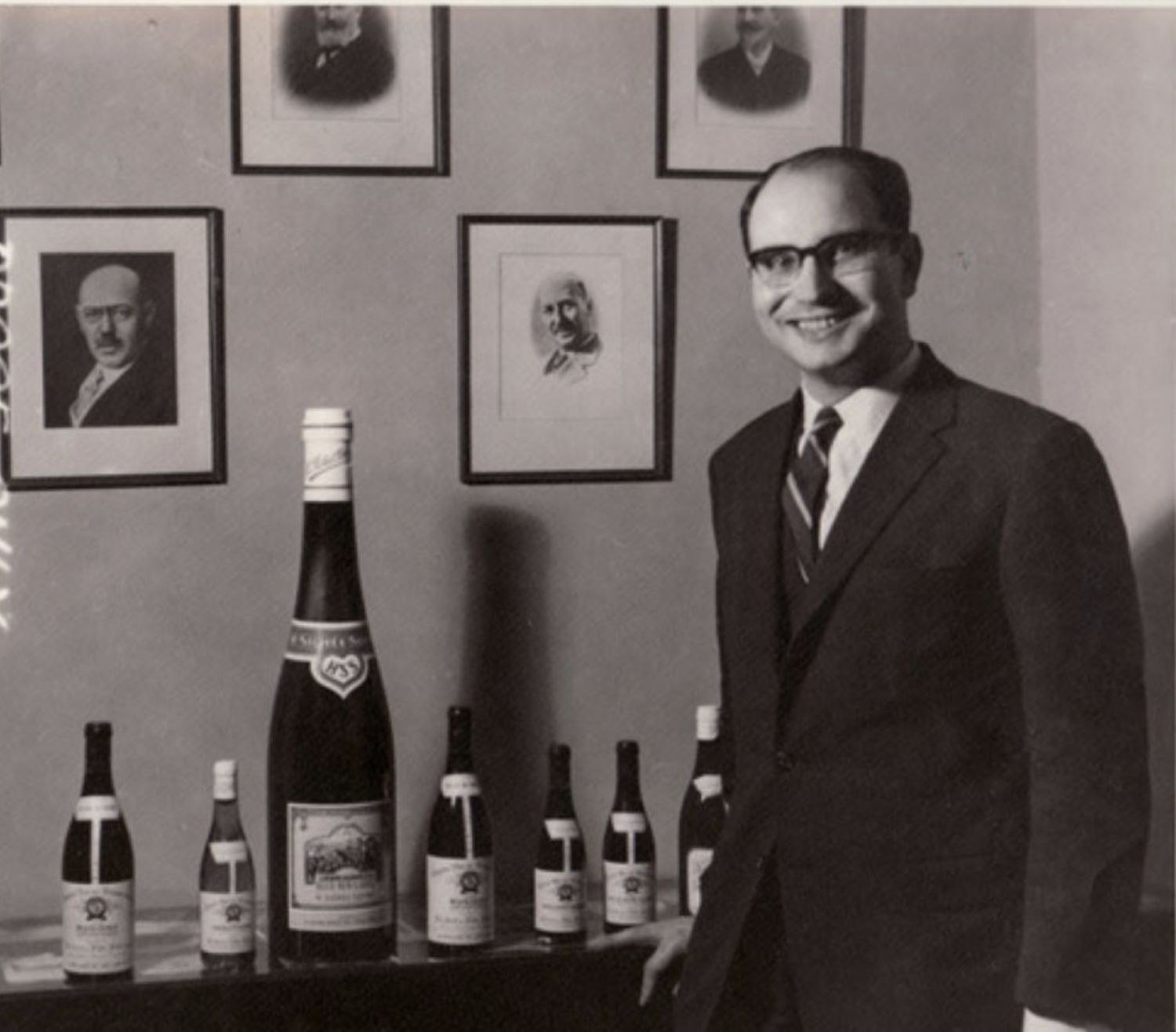
Peter left the agency—and stepped into an entirely different world, albeit one he knew intimately. He returned to his roots: the family wine making business , a legacy that long predated the war and his world of espionage. “He becomes the world-famous winemaker of Blue Nun. The film begins with wine and ends with wine—and in the middle, we learn how the wine of peace got poisoned. The perfect bookend.”
For Katharina, telling Peter’s story now—particularly as a Jewish story—comes with its own tensions. “The conspiracy theories of the ‘Protocols of the Elders of Zion’ are still alive and kicking, which is truly frightening,” she says. “The reemergence of large-scale antisemitism in today’s world is simply abhorrent and so is the pressure that is put on Jewish storytellers.”
But she is clear-eyed about the response. “As an artist, I don’t think you should censor yourself out of fear… it’s important to remain truthful and authentic—the quality of the work will determine public reception.” And with this wider release, she hopes audiences will finally find the film that like the Jewish James Bond so nearly slipped away.
The Last Spy is available to view at https://dochouse.org/event/the-last-spy/ and http://www.jw3.org.uk/whats-on/last-spy and on Amazon Prime , Apple TV, Sky Store, and YouTube

Keep community journalism free.
Jewish News is free for everyone. No paywall. No barriers. Just trusted journalism for anyone who wants to stay connected to Jewish life in Britain.
If you value that, please support us.
From as little as £5 a month, you can help keep our journalism free and accessible to all.
Every day, we report on the issues that matter to our community. We celebrate achievements, support charities, challenge antisemitism and ensure Jewish voices are heard more widely.
From as little as £5 a month, you can help us continue to:
- Report on the stories shaping Jewish life in the UK and beyond
- Bring our community together through shared stories, events and campaigns
- Celebrate the people, culture and moments that define our community
- Support organisations doing vital work across Jewish Britain
You can make a one-off donation or become a regular supporter. Every contribution helps keep our journalism free, independent and accessible to all.
If everyone who values Jewish News gave a small amount, it would make a real difference to our future.