
 Prefer Jewish News on Google

First cohort of Lira Winston fellows graduate as future leaders of Jewish schools
Participants say PaJeS leadership programme boosted confidence, built networks and accelerated their path into senior roles
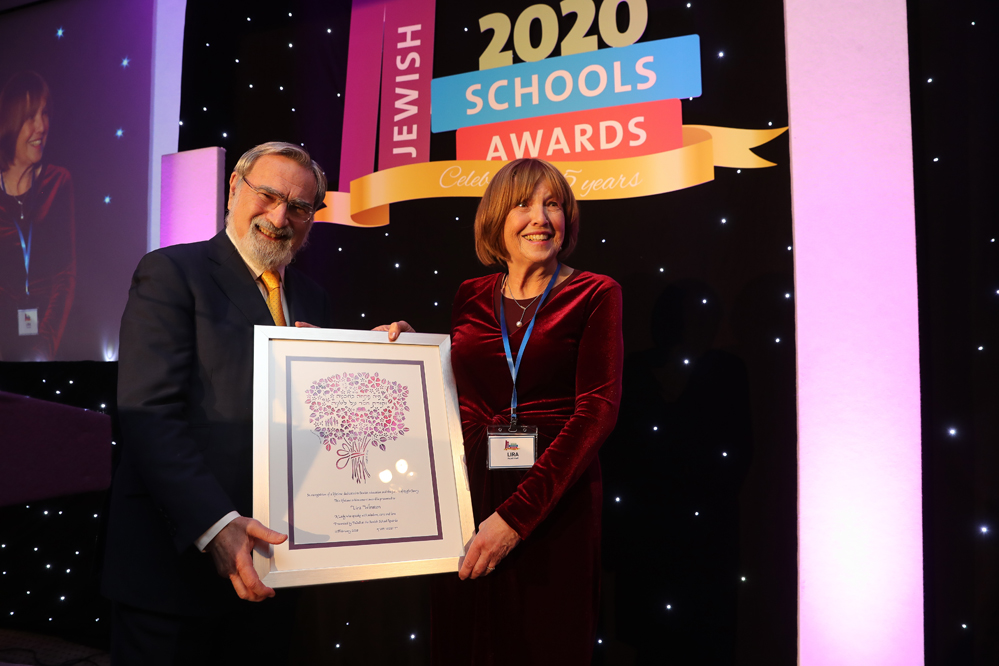
The first cohort of teachers on the Lira Winston Fellowships has graduated, with participants describing the programme as a “transformative” step into senior leadership at a time of mounting pressure on Jewish schools.
Launched by PaJeS in memory of Lady Lira Winston, who dedicated almost three decades to Jewish education and later served as assistant director of the organisation before her death in 2021, the initiative was created to develop the next generation of Jewish school leaders through a two-year programme of training, mentoring, coaching and peer collaboration.
Fourteen educators from across the UK were selected for the inaugural cohort, bringing together teachers from a wide range of Jewish schools and backgrounds.
Among them is Aviva Collins, now deputy head at Shalom Noam Primary School, who said the fellowship had been pivotal in her progression.
“Through the fellowship, it really propelled me to senior leadership from middle leadership,” she said. “I would say that was really quite formative for me.”
Collins, who was previously at Kerem School, said the programme stood out for giving participants the space to think beyond the day-to-day demands of teaching and engage with the broader realities of leadership.
“You become so consumed by the job and the daily challenges that it’s hard to sit back and be truly strategic,” she said.
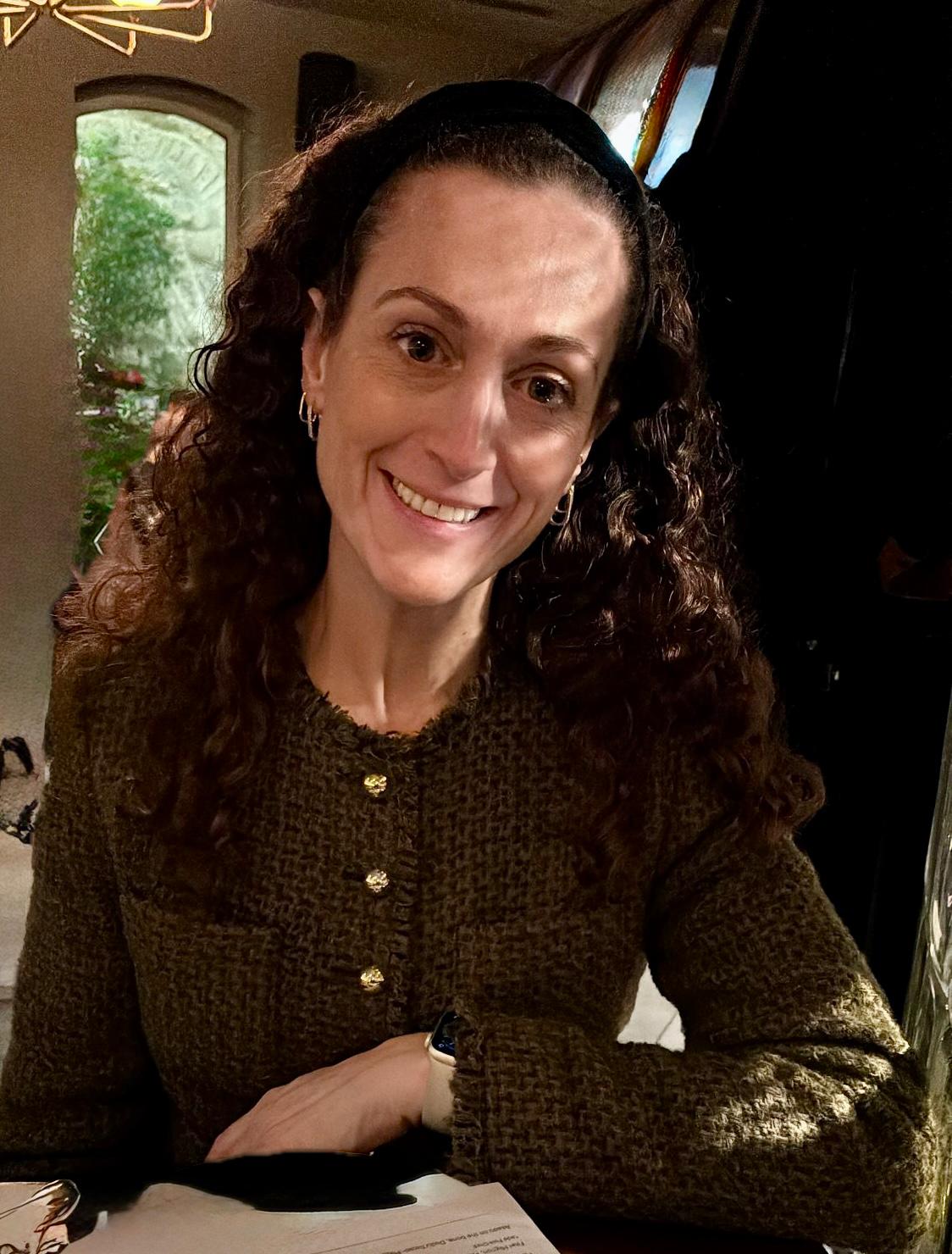
She said one of the most impactful aspects was the cohort itself, bringing together educators facing similar challenges across different schools.
“The strength of the group and the cohort was one of the things that made it really special,” she said.
Through structured discussion groups, fellows shared real school-based challenges and explored different approaches in a confidential setting.
“Even if the problems weren’t things that you yourself had experienced yet, you really might in the future,” Collins said.
She added that the programme reshaped her understanding of leadership, particularly the skills required beyond the classroom.
“You can’t just be an outstanding teacher and then make it to leadership,” she said. “That just isn’t leadership. You need a whole load of other skills.”
Matthew Kendler, assistant head at Yavneh College, said the fellowship had similarly broadened his perspective and connected him with peers at a similar stage in their careers.
“The most useful thing was just meeting people who were in the same sort of environment as me,” he said.
He described the programme’s group sessions as a rare space for openness among school leaders.
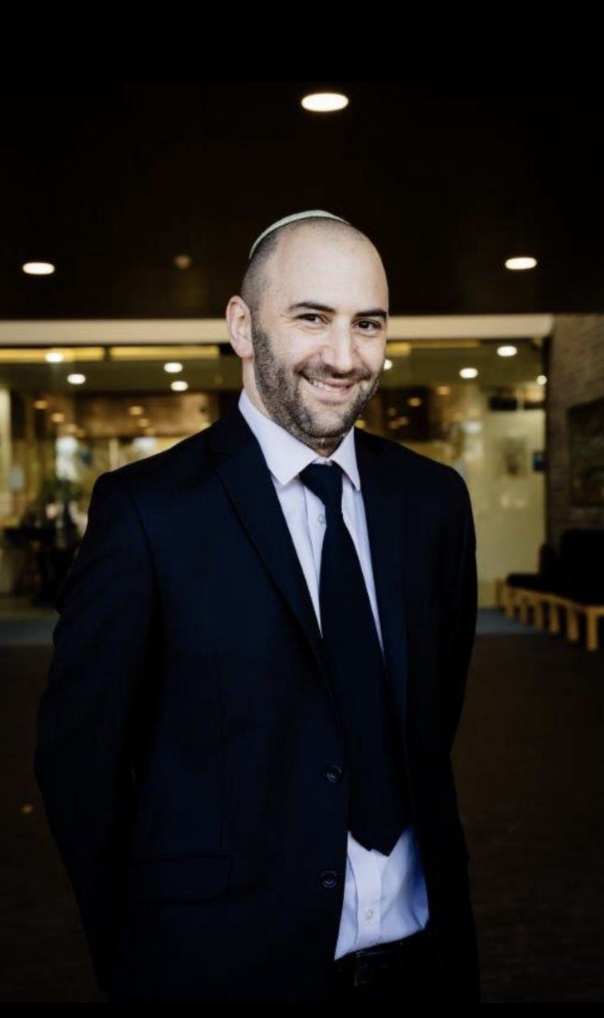
“It’s been very powerful to be in a place together and a space together where we can express that,” he said.
Kendler said hearing from experienced headteachers was particularly valuable in demystifying senior leadership.
“They also basically say the same thing – ‘I felt exactly the same as we do now: imposter syndrome,’” he said.
The programme also included mentoring, professional coaching and an international education conference, exposing participants to a wide range of leadership approaches.
Both fellows said the experience had left them more confident about taking the next step in their careers.
“It’s definitely made me think about that more realistically than before,” Kendler said, adding that he hopes to move into deputy headship in the coming years.
Collins said the programme had helped her “lean in” and take on new responsibilities, while reinforcing the importance of leadership across the Jewish education sector.
“I think leadership is more important than ever, and we need strong leaders who can trust and rely on other strong leaders because no one will have it all,” she said.
Reflecting on the legacy of Lady Lira Winston, Collins described her as “a real giver”, adding that it was “amazing that this was set up in her name”.
Ben Winston said: “It’s a true reflection of something my dear mum believed in so strongly – the power of education to shape lives and communities.
“Mum was so committed to helping people, to looking after the community and to nurturing potential in others. This fellowship is the result of that. I know she would have been so proud to see these inspiring individuals stepping forward as leaders, ready to make a difference in Jewish schools and beyond.

“Investing in future Jewish school leaders has never felt more important. These graduates aren’t just educators; they’re role models, mentors, and the people who will help guide the next generation. Supporting them is not only about honouring my mum’s legacy, but it’s about building something lasting for the future.”
Kendler said those involved in the fellowship spoke about Winston with “genuine reverence”, noting the lasting impact of her commitment to Jewish education.
For him, one of the programme’s most significant contributions was the sense of recognition it gave to teachers.
“We have felt incredibly valued in a profession that often isn’t felt very valued,” he said.
The programme is already expanding internationally, with eight Lira Winston Fellows currently based on the US West Coast, while a second UK cohort is due to begin shortly.
As the first cohort completes the programme, both said its lasting impact will be the network it has created – connecting educators across schools, backgrounds and denominations, but united by a shared commitment to Jewish education.
An upcoming Lira Winston event featuring Claudia Winkleman is also planned – find out more here.

Keep community journalism free.
Jewish News is free for everyone. No paywall. No barriers. Just trusted journalism for anyone who wants to stay connected to Jewish life in Britain.
If you value that, please support us.
From as little as £5 a month, you can help keep our journalism free and accessible to all.
Every day, we report on the issues that matter to our community. We celebrate achievements, support charities, challenge antisemitism and ensure Jewish voices are heard more widely.
From as little as £5 a month, you can help us continue to:
- Report on the stories shaping Jewish life in the UK and beyond
- Bring our community together through shared stories, events and campaigns
- Celebrate the people, culture and moments that define our community
- Support organisations doing vital work across Jewish Britain
You can make a one-off donation or become a regular supporter. Every contribution helps keep our journalism free, independent and accessible to all.
If everyone who values Jewish News gave a small amount, it would make a real difference to our future.





















