Prefer Jewish News on Google

From Auschwitz to October 7 – poignant documentary connects three extraordinary women
The Choice features Dr Edith Eger, former hostage Sapir Cohen and a mother whose son was killed by Hamas
Can a book ever really have enough impact to change your life? There is one that did for Iris Haim, an Israeli mother whose son, Yotam, was taken hostage by Hamas on October 7. As she waited, she turned to The Choice: Embrace the Possible by Dr Edith (Edie) Eger for strength.
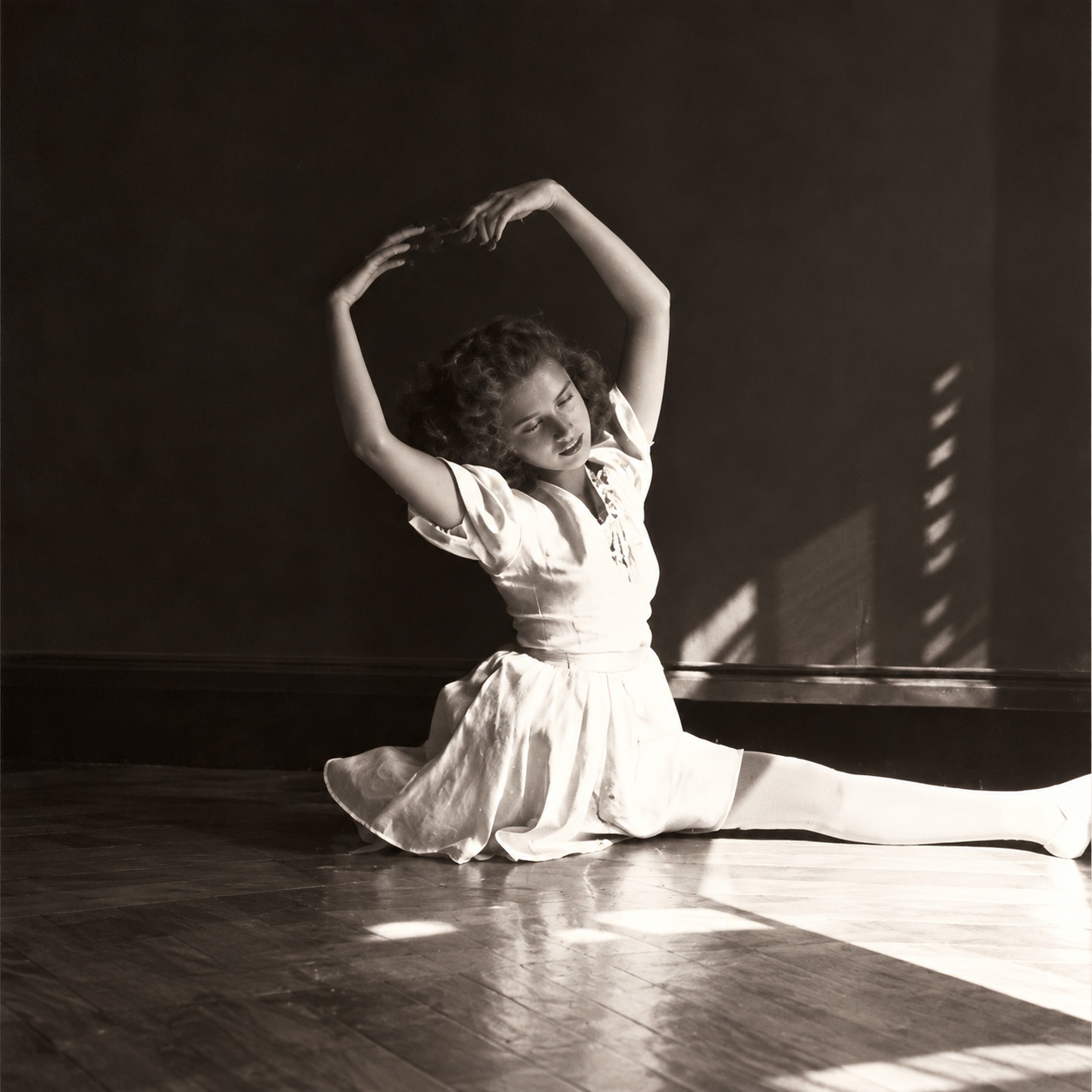
Holocaust survivor Edie Eger was born in Hungary and sent to Auschwitz when she was a teenager. She later became a renowned psychologist who worked with Vietnam War veterans in the late 1960s, developing therapeutic techniques to address the psychological effects of what would later be recognised as post-traumatic stress disorder, which became her specialism. She published her bestselling memoir in 2017.
When Yotam was killed, along with two other hostages, by Israeli soldiers who mistook them for terrorists, Edie’s words helped Iris move forward, choosing not to let anger or despair define the rest of her life.
Sapir Cohen is a former hostage who, without having read the book, discovered the same lesson that defined Edie’s life: that even when freedom is stripped away, no one can take away the power to choose how to live. In captivity for 55 days she found meaning and purpose in the smallest acts of humanity such as sharing her meagre food portions with another hostage.
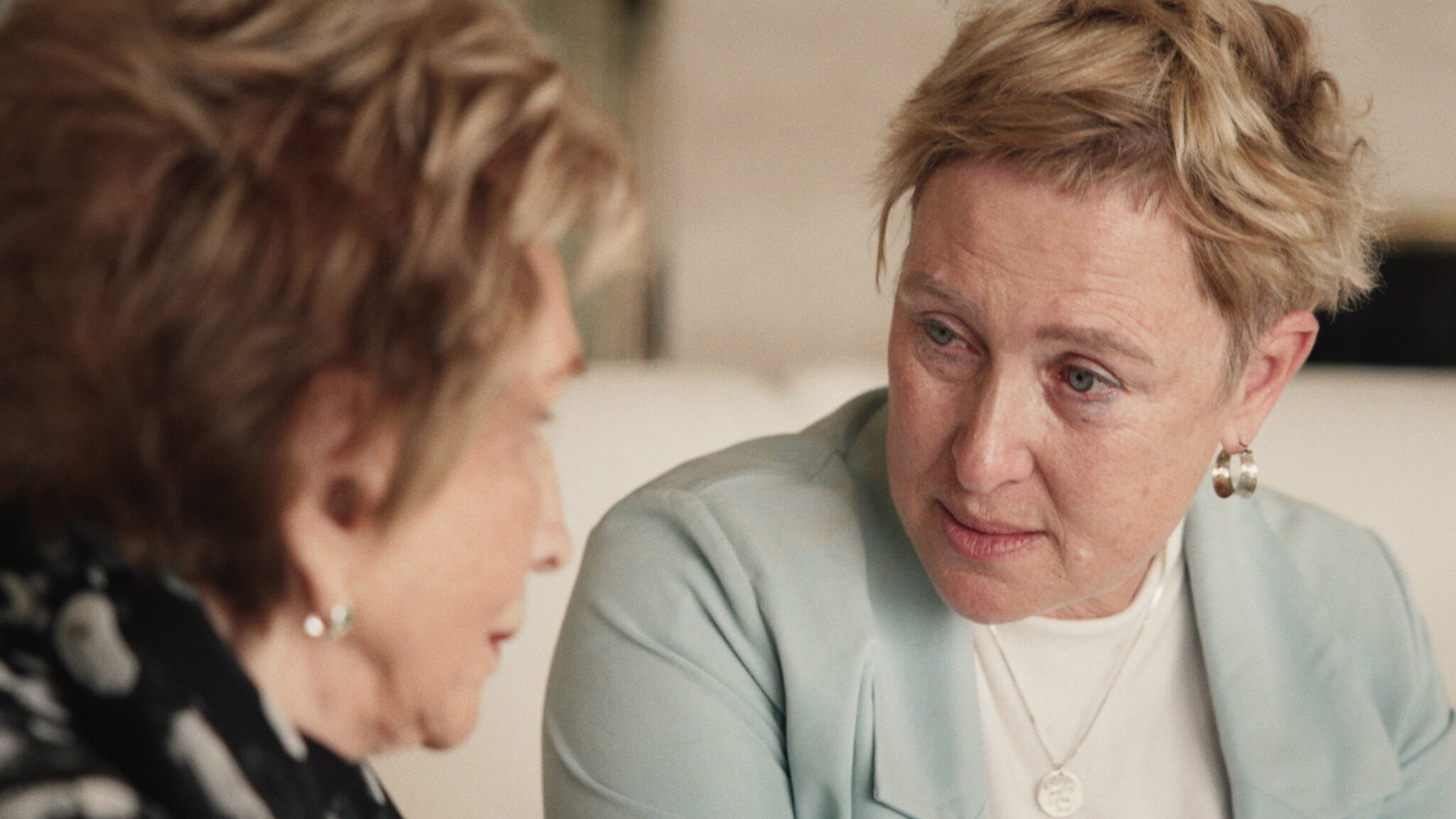
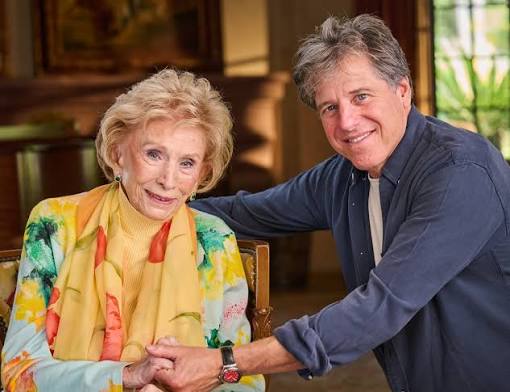
When director John David Coles, well known for mass appeal series such as Sex and the City, West Wing, Homeland and New Amsterdam, was given a copy of Edie’s book by her daughter Marianne, who is his friend, he spent a couple of years developing it as a narrative film. When the screenplay was finished the writers and actors strike happened. Then October 7 happened and John hit upon the idea of using Edie’s book to create a frame for stories about the tragedy.
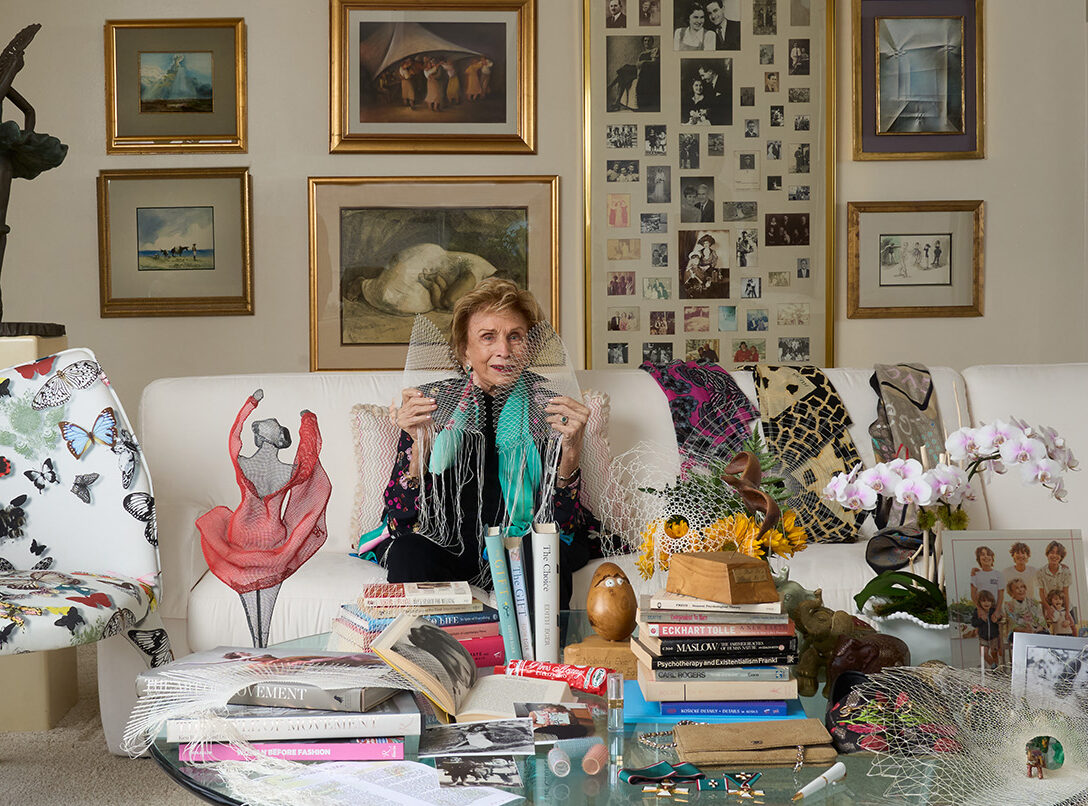
“We got a call that there was a woman in Tel Aviv wanted to meet Edie, and that was Iris. She had made a statement to the country about the soldiers and forgiving them, and a photographer who was doing a series on powerful women asked to photograph her with her essential objects. And the first thing that Iris held up was Edie’s book. It turned out that this photographer was very good friends with someone on Edie’s staff, and said, ‘Would you like to meet her?’”
Iris travelled to San Diego where Edie lived and John travelled from his home in New York, with a film crew, to join them. “And after I met them, I was like, okay, this is where the film’s going to live.”
John also travelled to Israel to meet Iris on the kibbutz where she had lived. “In the course of a few days, we ended up doing a lot of footage there. Since I was in Tel Aviv, I reached out to the hostage forum – there were still 120 hostages still in Gaza – and they introduced me to family members of hostages and released hostages.” Among them was Sapir. At first John was told that Sapir may be too fragile to take part but she announced that she wanted to.
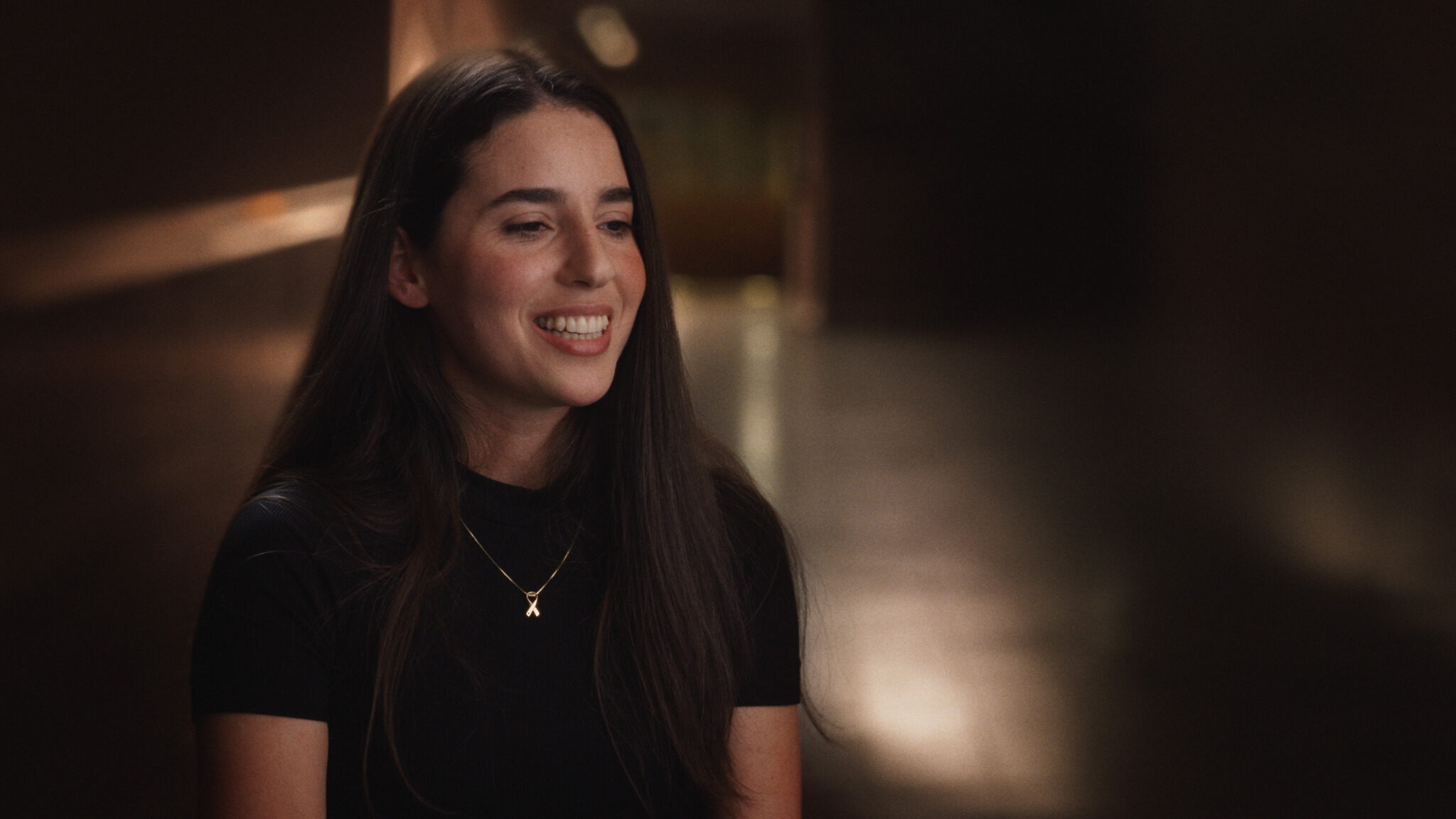
“It was almost astonishing to sit there, because I asked her a few questions, and then she just started telling me stories,” he says. “I thought, if you had hired Meryl Streep and asked her to read The Choice and a Viktor Frankl book, and then improvised on those ideas, playing up a released hostage, that’s what you would get. The way in which she articulated the themes of the movie and the ideas of the movie, but really the themes of Edie’s ideas was incredible.”
What follows is a poignant, deeply moving film that links Edie’s survival in Auschwitz, Iris’s loss and Sapir’s search for meaning through archival footage, interviews and audio recordings.
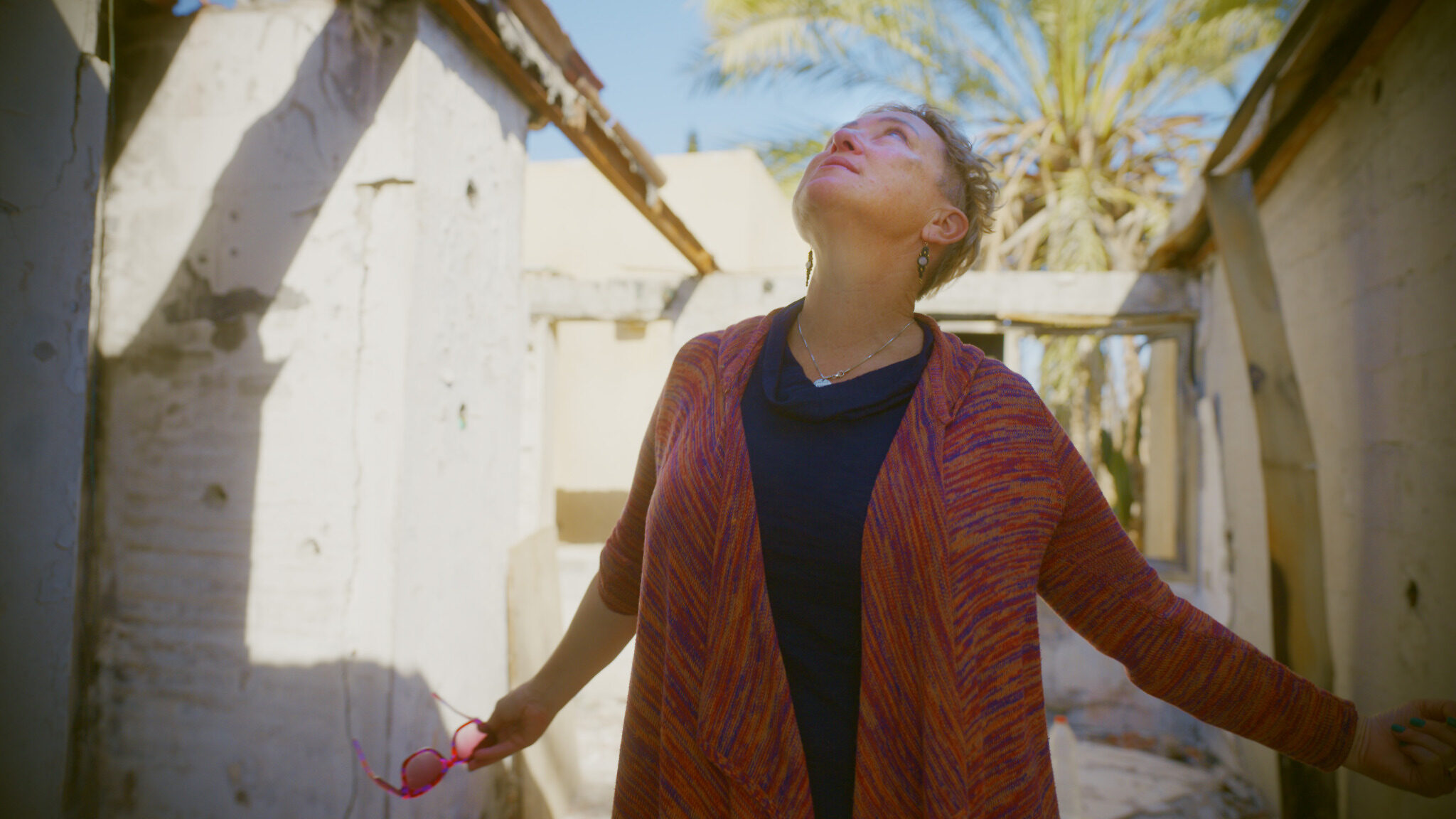
“The film works on different levels, but one of them is these three extraordinary women,” says John. “The idea that one is 30-ish, one is 50-ish and one is 90-ish, so you’re dealing with that generational thing, seemed like a smart way of structuring the movie.”
Edie, who died in April aged 99, says in the film that all the books that have been written about the Holocaust have been by men and The Choice is the female book. She was contemplating writing it for most of her life but she was 89 when she did.
John has faced resistance trying to get the film shown because it has references to Israel. “Some of the major film festivals wrote me beautiful letters saying how much they’re moved by the film, but then they didn’t schedule it because they felt like there was the potential for some kind of backlash.”
It is being screened by Jewish organisations and Jewish festivals and some cinemas in the US plus women’s groups, mental health groups, educational groups and immigrant groups.
Lady Fiorella Massey MBE, who is a patron of UKLFI, says: “It is rare to see a film that offers so many pearls of wisdom and as soon as I saw it I wanted to play a part in getting it seen. I know that the power of the visual in education, particularly around such a sensitive topic, has a huge impact.
“The Choice, masterfully directed by John Coles, is a life-affirming story which weaves past and present. Edith Eger’s Holocaust experience and her career in psychology shed light on the impact of the modern-day pogrom of October 7. The film movingly attests to the courage it takes to survive and thrive after such horror. Too often, Holocaust education fails to connect with today. The Choice reminds us that we always have a choice. Humanity can plumb the depths of depravity or soar to the heights of wisdom. The choice is ours.”
Making The Choice has been transformative for John as he has now worked on two other documentaries. “Things are changing so fast and it’s a really good synergy between the changes that are going on in the business, where I am in my career, and the possibility of doing things that are a new direction for me. Maybe things that are meaningful.”
The Choice is available to watch on 19 November at thechoicedocumentary.com

Keep community journalism free.
Jewish News is free for everyone. No paywall. No barriers. Just trusted journalism for anyone who wants to stay connected to Jewish life in Britain.
If you value that, please support us.
From as little as £5 a month, you can help keep our journalism free and accessible to all.
Every day, we report on the issues that matter to our community. We celebrate achievements, support charities, challenge antisemitism and ensure Jewish voices are heard more widely.
From as little as £5 a month, you can help us continue to:
- Report on the stories shaping Jewish life in the UK and beyond
- Bring our community together through shared stories, events and campaigns
- Celebrate the people, culture and moments that define our community
- Support organisations doing vital work across Jewish Britain
You can make a one-off donation or become a regular supporter. Every contribution helps keep our journalism free, independent and accessible to all.
If everyone who values Jewish News gave a small amount, it would make a real difference to our future.