Prefer Jewish News on Google
From crisis to calling: Restoring Israel’s global purpose
As Israel emerges from war and isolation, its development organisations face growing challenges. Jewish communities worldwide can help strengthen their global reach and renew Israel’s moral leadership
Two years after the Gaza war, Israel finds itself in a moment of deep global isolation and intense scrutiny. Yet away from headlines, another crisis has quietly unfolded: the erosion of Israel’s international development and humanitarian footprint.
Across Africa, Southeast Asia, and Latin America, more than 150 Israeli NGOs, companies, and social enterprises have long embodied Israel’s most aspirational values – innovation, compassion, and responsibility. But since the war, these organisations have faced shrinking partnerships, withdrawn funding, and growing hesitancy from international institutions. Some have even been forced to close.
This challenge strikes at something deeper than budgets or policy. It touches on Israel’s global purpose – and on our ability to radiate moral leadership at a time when the world is questioning our intentions.
Israel did not reach this point only because of the war’s strategic and moral complexities, fought against a ruthless enemy in a densely populated area. It is also the result of a broader phenomenon: the resurgence of anti-Israel and antisemitic forces that seized the crisis as an opportunity to isolate Israel and hold it to an impossible and often hypocritical standard.
Now, with the hostages’ home and a political framework to end the war emerging, Israel can begin shifting from sheer survival toward the equally vital work of renewal: rebuilding trust, rebuilding our society, and rebuilding our relationship with the international community.
But rebuilding cannot be only political or diplomatic. It must be moral and visionary. The founders of Israel believed this country could be a “light unto the nations”, a source of ingenuity and human progress. That vision may feel distant today – yet its light still flickers in the work of Israel’s development professionals.
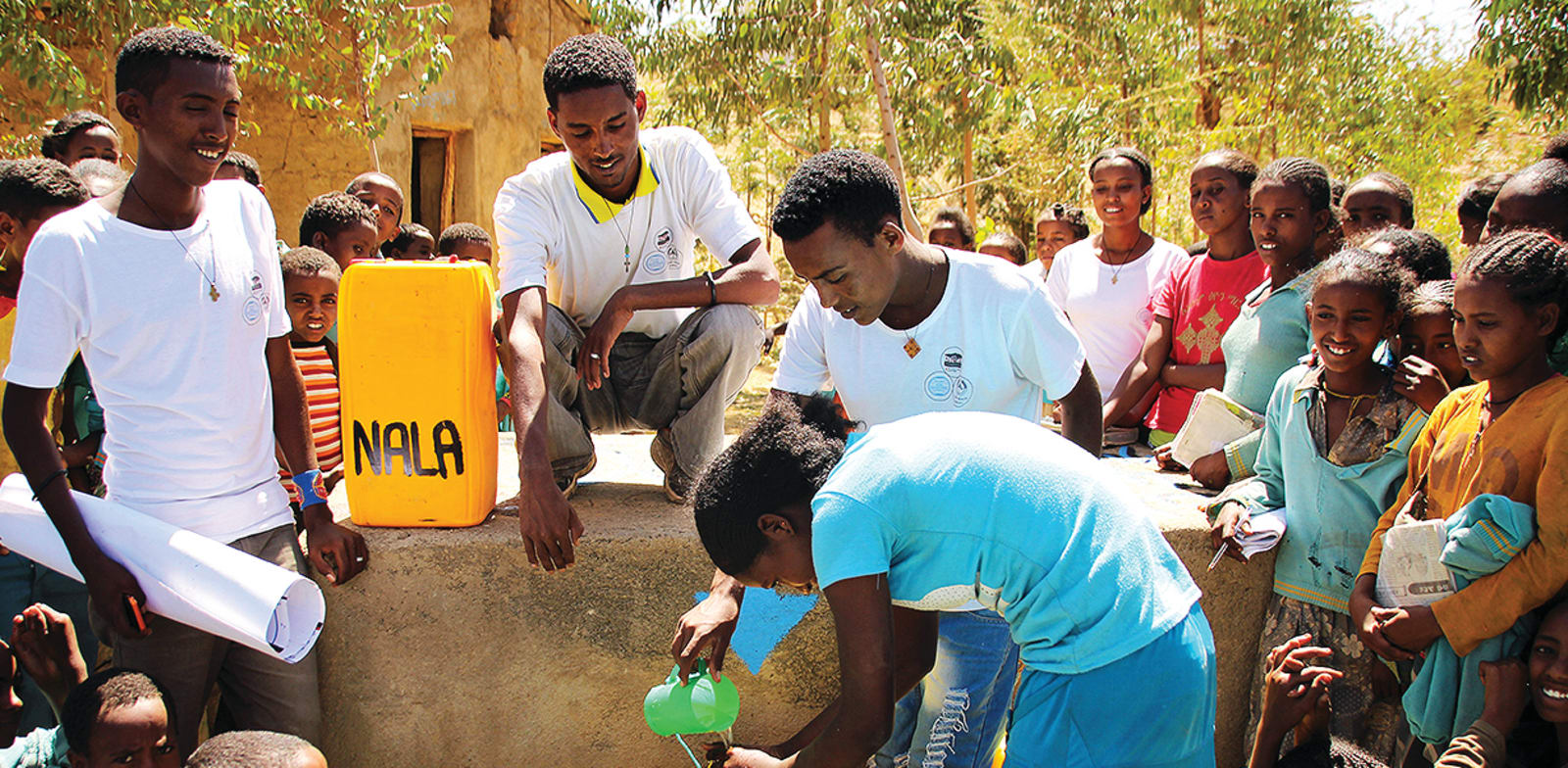
A recent example illustrates this clearly. Dorin Brener Turgeman of the Israeli organisation NALA was elected Chair of the NTD NGO Network – a global coalition of over 100 major actors combating neglected tropical diseases. She is the first Israeli ever to hold this position. Her election during a period of diplomatic isolation sends a powerful message: Israeli expertise and commitment to the world still earn genuine trust.
And yet, the ecosystem behind such achievements is under unprecedented strain. Since 2023, the U.S. withdrawal of USAID funding to Israeli partners alone has cut more than $15 million (£11.4 million) in direct support. Philanthropic giving dropped sharply as donors redirected funds toward emergency needs inside Israel. Development organisations reported losing over $2 million (£1.5 million) in contributions in 2024 – a trend continuing into 2025. These may sound like modest sums, but for this small, resource-strapped community, the impact is profound.
Beyond funding, reputational obstacles have become routine: cancelled partnerships, conference exclusions, and academic rejections. The fear of political backlash shapes where – and sometimes whether – Israeli professionals can operate abroad.
And yet this ecosystem has not collapsed. These organisations were built in crisis, shaped by constraint, and trained to innovate under pressure. Their resilience is extraordinary. They continue to deliver health services, food security solutions, gender-equity programmes, climate innovation, and humanitarian relief to some of the world’s most vulnerable populations.
This is where Jewish communities worldwide can make a decisive difference. What is needed now is not only financial support but also renewed partnership – a shared effort to rebuild bridges, restore trust, and amplify the stories that show Israel at its best.
Diaspora Jews possess unique strengths: global networks, professional expertise, and a moral tradition rooted in Tikkun Olam – repairing the world. By leveraging these assets, Jewish communities can help ensure that Israel is seen not only through the lens of conflict but also through its contributions to human dignity and sustainable development.
Such engagement is not merely charitable; it is strategic. It strengthens Israel’s international standing, reconnects young Jews to meaningful global action, and helps reaffirm Israel’s role as a constructive, compassionate actor on the world stage.
Now is the moment to reimagine Israel’s global purpose – not as the Startup Nation alone, but as an Impact Nation. A nation that contributes solutions, not just technologies; empathy, not just security; leadership, not just resilience.
Supporting this vision is an investment in Israel’s future. It ensures that Israel’s light continues to shine – not only for its own sake, but for the good of the world.
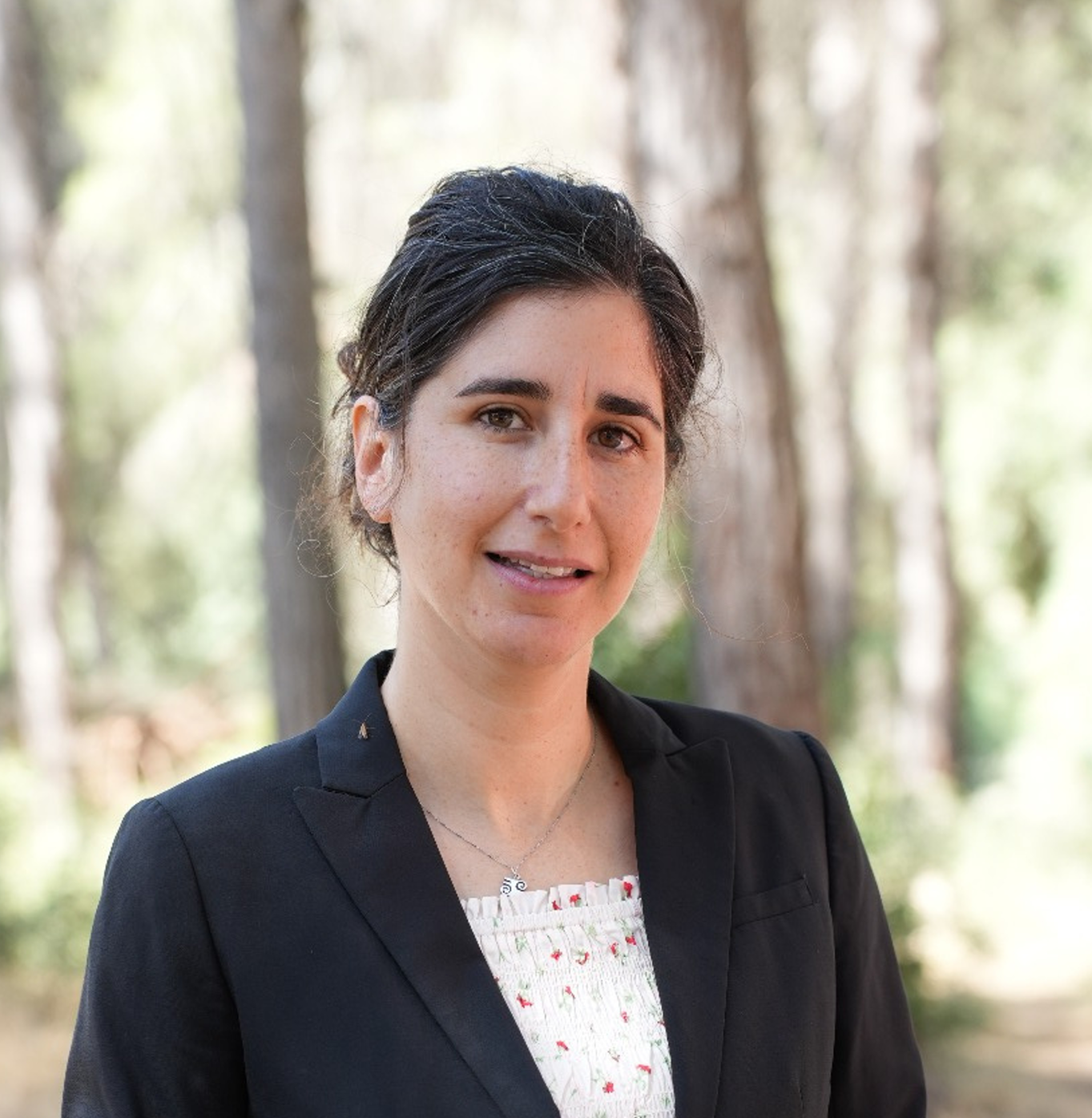
- Ayelet Levin-Karp is the CEO of SID Israel (the Society for International Development), the umbrella organisation of Israel’s professional community in humanitarian aid and international development.

Keep community journalism free.
Jewish News is free for everyone. No paywall. No barriers. Just trusted journalism for anyone who wants to stay connected to Jewish life in Britain.
If you value that, please support us.
From as little as £5 a month, you can help keep our journalism free and accessible to all.
Every day, we report on the issues that matter to our community. We celebrate achievements, support charities, challenge antisemitism and ensure Jewish voices are heard more widely.
From as little as £5 a month, you can help us continue to:
- Report on the stories shaping Jewish life in the UK and beyond
- Bring our community together through shared stories, events and campaigns
- Celebrate the people, culture and moments that define our community
- Support organisations doing vital work across Jewish Britain
You can make a one-off donation or become a regular supporter. Every contribution helps keep our journalism free, independent and accessible to all.
If everyone who values Jewish News gave a small amount, it would make a real difference to our future.