Prefer Jewish News on Google
From Kindertransport to today: Why safe routes are central to atrocity prevention
Protecting people before violence escalates is not charity - it is a legal and moral duty rooted in history
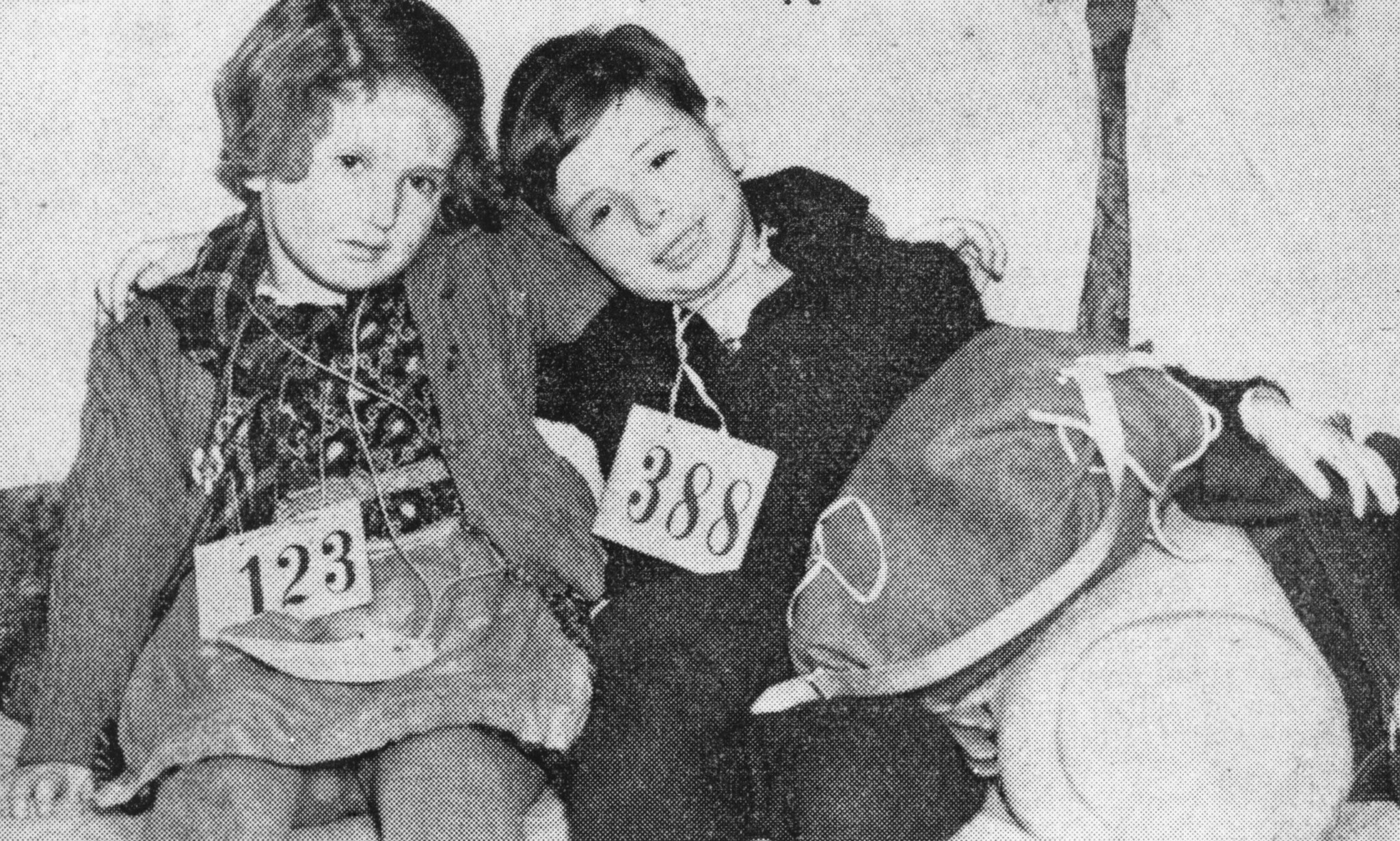
When we look at the stories dominating the headlines in recent years, two themes appear again and again: foreign conflict and immigration. This is no coincidence. Some of the worst conflicts of the decade have produced staggering levels of displacement, and when people’s lives are in danger, they move. As conflict, persecution and atrocity crimes intensify around the world, governments like ours must respond with clarity and humanity.
This is why René Cassin prepared a response to the Standing Group on Atrocity Crimes’ call for evidence. Our submission sets out why refugee protection must be understood as a core tool of atrocity prevention. We argue that the UK cannot focus solely on punishing perpetrators after the fact. Preventing atrocities also means protecting people while violence is escalating – not when it is too late for them to survive.
The Kindertransport of 1938–39, which rescued around 10,000 predominantly Jewish children, is rightly remembered as a moment of extraordinary civic generosity. Yet it is equally important to acknowledge its limitations. The Kindertransport saved children, but almost all were permanently separated from parents who were denied entry and later murdered. The scheme, while heroic, was discretionary, selective, and insufficient in the face of an unfolding atrocity.
It was precisely this inadequacy that the post-war international community sought to correct. Like much of the post-war human rights framework, the Refugee Convention (1951) was drafted with the Holocaust in mind. The Convention was drafted in the shadow of the Holocaust, informed by the understanding that relying on charity‑dependent rescue would never meet the scale of future atrocities. The Convention transformed refugee protection from an optional humanitarian gesture into a system of rights and duties. It established that refugees must have access to protection, that they must not be penalised for irregular entry, and that states have positive obligations to ensure that those fleeing persecution have pathways to safety. The UK is a signatory to this convention.
Forced displacement has been a central theme of the Jewish experience for the past 2000 years, and the experience of finding sanctuary whilst respecting host societies is a fundamental aspect of modern Jewish culture. That legacy is not abstract to us. It is personal and communal; it is recent as much as it is historical. As a Jewish organisation, it shapes how we understand our responsibilities today.
This is why, in our submission to the Standing Group on Atrocity Crimes, we emphasised that atrocity prevention cannot be limited to punishing perpetrators after the fact. Judicial processes are important, but they come too late for those who did not survive and offer limited help to those who did. Effective prevention must also involve protecting people before and as mass violence escalates. When governments close off paths to safety, they force individuals to undertake irregular, dangerous journeys – like the dangerous boat journeys across the Channel – or leave them in zones of high risk.
Although conflict and forced migration are deeply connected, policy responses and media narratives often fail to acknowledge this. One consequence has been the rise of harmful claims that people seeking asylum in the UK are insincere or attempting to “game the system”. In reality, asylum numbers in the UK are nowhere near the scale that far‑right actors suggest. But neither can we look away from the human reality behind these journeys: people are fleeing danger, and they deserve systems that reflect both law and compassion.
We know safe routes work because we have seen them work. The Homes for Ukraine scheme showed that when the political will exists, the UK can create large‑scale, community‑supported routes within weeks. The frameworks exist. The costs are known. The public support is there. All we need now is the commitment to extend such routes to people fleeing other atrocity contexts, Sudan, Myanmar, Afghanistan, and more.
The Standing Group on Atrocity Crimes, launched in Parliament last year, brings together leading international lawyers, cross-party parliamentarians, and civil society experts to strengthen the UK’s approach to preventing and responding to mass atrocities. The evidence we submitted will help inform their recommendations to the government as they work to create a coherent, prevention‑focused strategy.
We are proud that a Jewish voice, rooted in lived history and a commitment to human dignity, is part of this effort.
- Jonathan Chern is the advocacy coordinator at René Cassin

Keep community journalism free.
Jewish News is free for everyone. No paywall. No barriers. Just trusted journalism for anyone who wants to stay connected to Jewish life in Britain.
If you value that, please support us.
From as little as £5 a month, you can help keep our journalism free and accessible to all.
Every day, we report on the issues that matter to our community. We celebrate achievements, support charities, challenge antisemitism and ensure Jewish voices are heard more widely.
From as little as £5 a month, you can help us continue to:
- Report on the stories shaping Jewish life in the UK and beyond
- Bring our community together through shared stories, events and campaigns
- Celebrate the people, culture and moments that define our community
- Support organisations doing vital work across Jewish Britain
You can make a one-off donation or become a regular supporter. Every contribution helps keep our journalism free, independent and accessible to all.
If everyone who values Jewish News gave a small amount, it would make a real difference to our future.