Fund peace, not just war
As violence escalates, UK-led plans aim to scale Israeli-Palestinian peacebuilding to match conflict spending
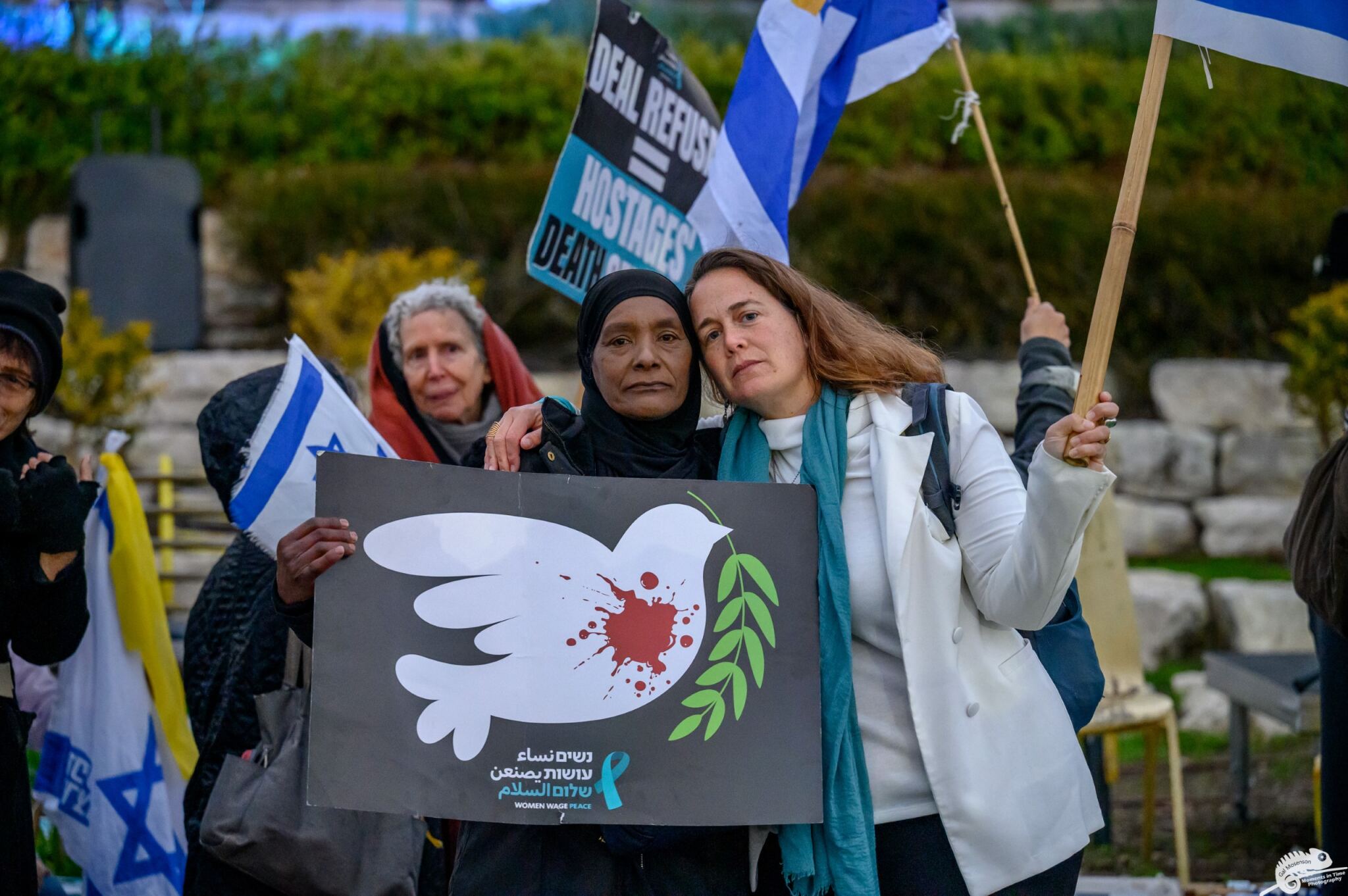
Last week, while rockets shook homes in Israel and Palestine, peacebuilders were due in London to meet with diplomats, and help design the International Fund for Israeli-Palestinian Peace – a mechanism to finally scale their work and provide the coordination and funding needed for sustainable conflict resolution.
But once again, war has eclipsed peace, sidelining those working tirelessly to prevent the conflict from spiralling further. This pattern is too familiar: attempts to move from crisis response to conflict resolution are overtaken by aggression; diplomacy remains reactive, fragmented, costly, and ultimately insufficient. The victims, as ever: ordinary Israelis and Palestinians.
This escalation also exposes the deep injustices that define life in Israel-Palestine. Across the West Bank, Palestinian communities face escalating settler violence – violence that once would have dominated headlines now flourishes under diverted attention. Palestinians across the land have little to no access to shelters, revealing starkly unequal protection. Palestinian citizens of Israel – 20 percent of the population – rely on just ~0.3 percent of sheltering facilities. In the unrecognised Bedouin villages of the Negev, communities that already lack basic infrastructure remain entirely unprotected. Meanwhile, the humanitarian situation in Gaza remains dire and similarly overshadowed.
These conditions reflect a harsh reality: occupation, inequality, and insecurity do not pause in wartime – they become more entrenched.
Yet while diplomacy stalls, civil society does not. From Tel Aviv to Ramallah, whilst running to shelters – or, where none exist, opening windows to absorb shockwaves – civil society continues to mobilise, choosing, deliberately and publicly, cooperation, justice, and equality: documenting attacks; providing shelter, psychosocial support, basic goods, medical care, and training; raising emergency funds; advocating for equal protection; and modelling solidarity despite rising danger.
Past diplomacy has fallen short not for lack of frameworks, but for lack of societal foundations able to sustain them. Public trust, mutual recognition, and the legitimacy required for compromise have eroded to unprecedented levels.
Comparative analysis of 83 peace processes shows that agreements with meaningful civil society participation are 64 percent less likely to fail. Not because civil society replaces political leadership, but because it makes political agreements possible – by strengthening legitimacy, reducing spoilers, generating and socialising new ideas, and building public consent. It is not a discretionary add-on but a core determinant of whether diplomacy succeeds.
Israel-Palestine is unusual not for lacking these actors but for having them: a professionalised, networked peacebuilding sector already laying the groundwork for peace. What it lacks is scale.

This is the gap the International Fund for Israeli-Palestinian Peace is designed to fill: providing coordinated, pooled funding at scale to align diplomacy with the social realities it depends on. Shrinking aid budgets internationally make this model not only strategic but also necessary. By pooling resources, governments can achieve far greater impact than through fragmented, short-term interventions.
The UK has proven this model before: sustained multilateral investment of more than £4.7 billion ($6 billion) helped underpin the Northern Ireland peace process and consolidate the Good Friday Agreement.
This was also the aim of the now-postponed Lancaster House event, convened by Foreign Secretary Yvette Cooper: to translate lessons from previous conflicts and the extraordinary work civil society sustains under fire today into a serious international strategy. ALLMEP, which has championed the Fund for 17 years, welcomed UK leadership in shaping an institution capable of transforming the Israeli-Palestinian landscape – one in which civil society is included from the start, not merely as a recipient of funding, but as both a stakeholder and architect of its design.
Whilst failed diplomacy once again plunges the region into crisis, peacebuilders risk their lives to contain its consequences. Civil society is weary of endlessly reacting to events shaped elsewhere; it seeks not merely to respond to crises but to chart a course toward lasting peace. We cannot continue investing in war and expect peace to follow. A genuine resolution requires matching the resources poured into conflict with an equal commitment to peace – not to manage conflict, but to end it.
- Rachael Liss is the UK Advocacy Manager of the Alliance for Middle East Peace (ALLMEP), the largest network of peacebuilding NGOs in Israel and Palestine.

Keep community journalism free.
Jewish News is free for everyone. No paywall. No barriers. Just trusted journalism for anyone who wants to stay connected to Jewish life in Britain.
If you value that, please support us.
From as little as £5 a month, you can help keep our journalism free and accessible to all.
Every day, we report on the issues that matter to our community. We celebrate achievements, support charities, challenge antisemitism and ensure Jewish voices are heard more widely.
From as little as £5 a month, you can help us continue to:
- Report on the stories shaping Jewish life in the UK and beyond
- Bring our community together through shared stories, events and campaigns
- Celebrate the people, culture and moments that define our community
- Support organisations doing vital work across Jewish Britain
You can make a one-off donation or become a regular supporter. Every contribution helps keep our journalism free, independent and accessible to all.
If everyone who values Jewish News gave a small amount, it would make a real difference to our future.